
The 15 Best Films of 2025 (by Andreas Babiolakis)
Written by Andreas Babiolakis
Film is a resilient medium. It has experienced many shifts over the course of a century and change. 2025 was yet another tricky year for cinema, with the continued struggle that stems from 2020 and then some. With the threat of artificial intelligence encouraging the further detriment of motion pictures, the shutdowns of many theatres in favor of audiences remaining exclusively at home, and a number of other frustrating pivots, the art form that we all know and love keeps getting hit while it is down. With all of this in mind, the fact that 2025 was so rich with great releases that I have extended my usual list of ten titles to a larger fifteen is music to my ears (and even then there are honourable mentions that are featured below). When people in my life tell me that there aren’t any original, great, or promising films anymore, I look at the catalogue of titles I have gone through this past year and I see something else. Sure, many producers and studios are bending in ways that are awful for cinema, but then you have the many fighters who are doing whatever it takes to keep film alive. When I think of the naysayers who insist that there aren’t any good motion pictures anymore, I see two things: a medium that refuses to quit, and those who have quit on it. I have learned that film will never die as long as we do not cave to lazy AI gremlins, capitalistic hollow-minded business cretins who only want the same films again and again (and cannot read the room), dull politicians who want to silence the voices of the people, and other opposing forces who want beautiful creations to die because they couldn’t conceive an original or honest thought if they were given instructions and all the materials necessary. I see fifteen magnificent films below, and many other great examples of people who refuse to give in to the evil forces mentioned above. Whether you agree with my selections or feel like you have drastically different favourites than mine, I hope you continue to never give up on film. It is always here for us. Here are my picks for the fifteen best films of 2025.
Honourable Mentions
• Black Bag
• Nouvelle Vague
• Arco
• Sirāt
• Eddington
15. A House of Dynamite
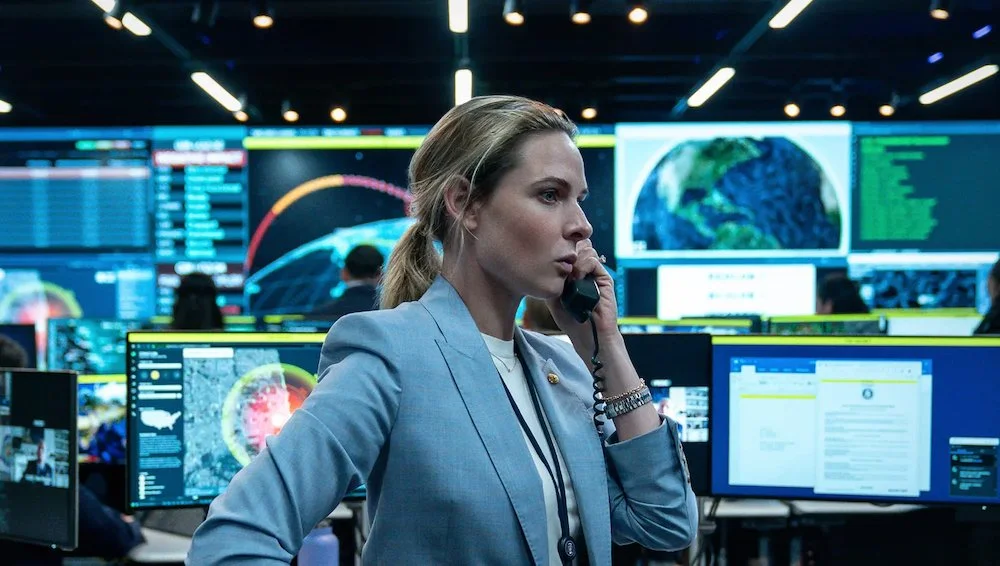
Kathryn Bigelow's triptych of vantage points surrounding a catastrophe, otherwise known as A House of Dynamite, is like a Mexican standoff from a classic spaghetti western film; however, this isn't a question of who will draw and fire first, but, rather, who will know how to respond while the clock winds down. We never get a clear answer, and that is highly concerning; with the ultimate possibility that the world could end with the simple press of a button due to what is considered a calculated decision, how powerless are we? Truly? I have seen this film get significant backlash because it apparently leads to nothing, but that is literally the point: such a choice will guide all of humanity and every other species on Earth towards complete annihilation (to the point of non-existence, and, yes, nothing). People are welcome to dislike any film, but I don't think anyone feeling like A House of Dynamie didn't go anywhere understood it properly. We are helpless. We have no say in the matter if all comes crashing down because someone in a position of power saw fit to "go ahead." How can you not feel anything watching A House of Dynamite?
14. Warfare
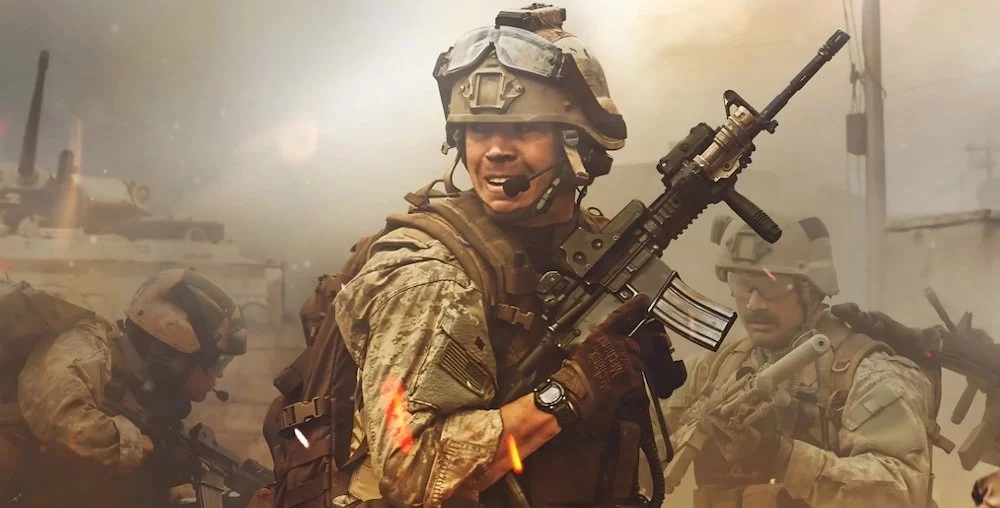
Alex Garland's latest motion picture is a real-time look at life on the battlefield. Warfare seems like a typical war film on paper, but it goes the extra mile with its premise: place us in one situation without ever tending to the urge to cut ahead in time, flash back for reprieve, or dilly dally to soften moments. Instead, we feel the complete weight of what one such sequence is like, which truly adds to the devastation of what the loss of even one life in such a way truly is. So many other war films gloss over the severity of the situation in favour of marching ahead and onto the next such sequence. Warfare places us in the thick of it to truly grapple. With some of the best sound work of the year (my hairs were standing at attention on the back of my neck), Warfare is not just the depiction of such a shocking scene: it is a complete immersion to the point that you will swear that you are now a part of this nightmare (and the clock is ticking). Warfare, like most other Garland films not named Ex Machina, has sadly already been forgotten due to its considerably-early release date. I am once again here to remind you that he is one of the great directors working today.
13. Sinners
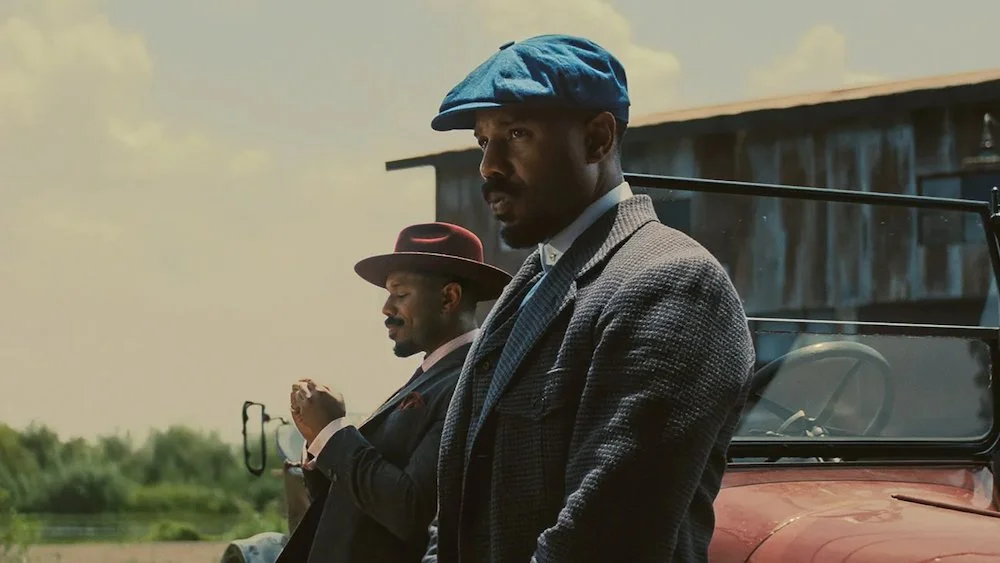
Ryan Coogler's Sinners caught the world by storm very early on in 2025, and the passion for this highly original blockbuster (something that feels paradoxical nowadays) has not died down since. Coogler's latest was great as soon as it started, as we are transported back to the thirties to follow a pair of twins — identical in looks but not in personality — to what is meant to be a fresh start. What kicks off as a character study within the depths of Mississippi (and the constructed juke joint within it) turns into a metaphysical depiction of Black culture, music, and lore; the central montage that breaks the mold of time and space is a major highlight of cinema in 2025 for me (and was the very point that had me leaning over in my seat to see what Coogler was doing here). By the time Sinners turns into a full-on vampiric freakout, we understand what it is to see the gestation of provenance that can be cut down in microseconds by evil. The flash-forward ending is a reminder that true culture and artistry will never die; you could only make such a claim like that with an original risk like Sinners. It's a shame that Coogler is reverting back to the Black Panther franchise and working on the reboot of The X-Files when he is at his very best when being unique to himself, as can be seen with Sinners.
12. The Testament of Ann Lee
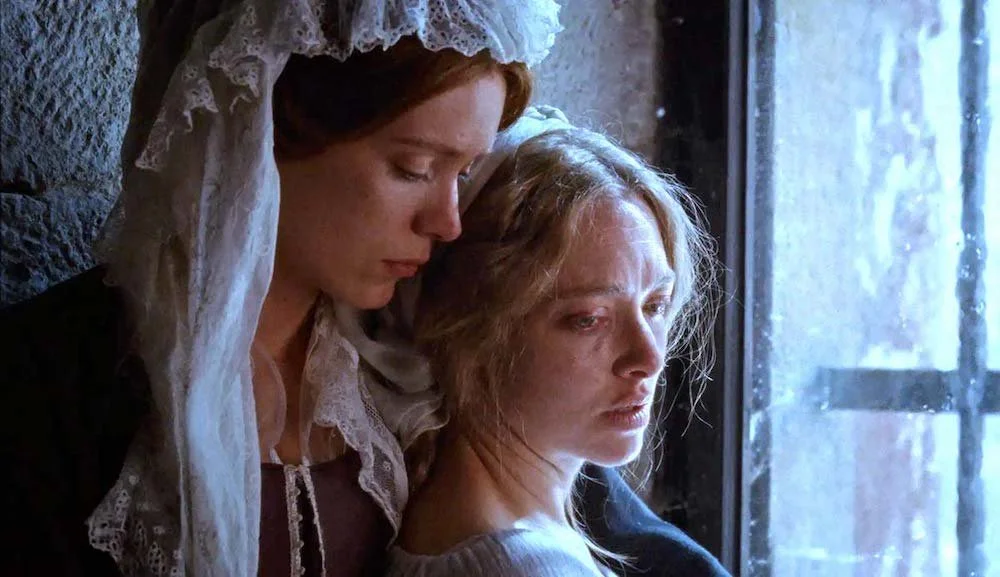
Last year, Brady Corbet went as far as he could with the architectural epic, The Brutalist. We got a part two — of sorts — faster than anyone anticipated, in the form of the latest film by Mona Fastvold (Corbet's partner and co-writer of The Brutalist). Her film, The Testament of Ann Lee, is just as daring, massive (well, not four hours massive, but in scope, scale, and ambition), and eclectic. The main difference is that this film is a musical and a very different one at that, as we are welcomed into the church of one Ann Lee: the founder of the Shakers religion, and deemed the female Christ by her followers (and a blasphemer by, well, pretty much everyone else back in the 18th century). Fastvold allows us to see both sides of the equation here: we see just how ridiculous this cultish religion is, but we somehow also understand what it meant to Lee and her community with complete empathy. Led by one of the year's most committed performances (Amanda Seyfried as Lee), The Testament of Ann Lee is a sermon that will take you to heaven, hell, and back again.
11. Bugonia
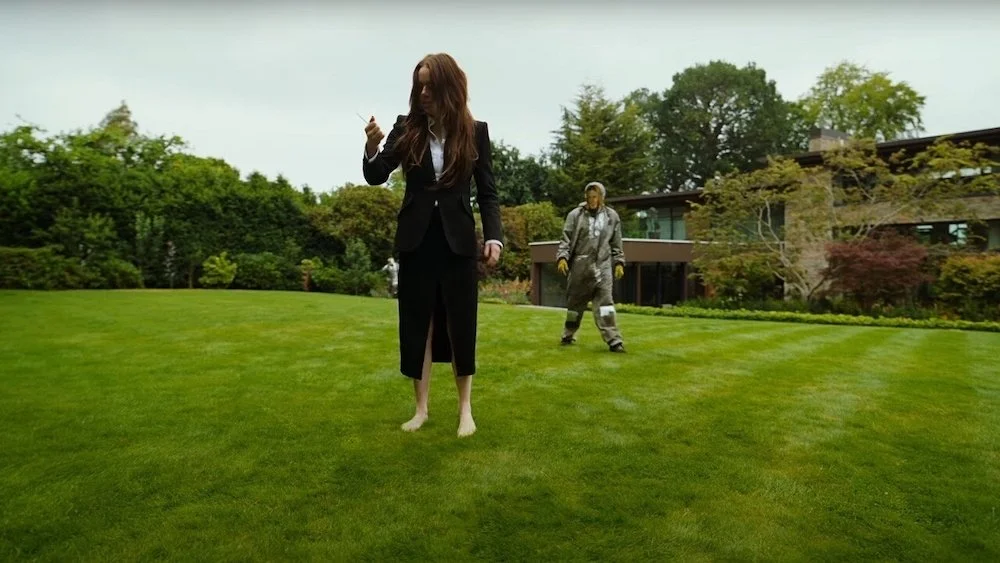
Yorgos Lanthimos has been quite a busy Greek beaver as of late. In three years, we have gotten Poor Things, Kinds of Kindness, and now Bugonia: another tremendous feat in a filmography that is shaping up to be one of the best of any contemporary filmmaker. We are brought into the domicile of a conspiracy theorist and his easily-persuaded cohort after they have kidnapped a high-level CEO under the impression that she is an alien informant. Lanthimos saves his signature absurdity for the end (believe it or not) to deliver one of the great rug-pulls of 2025: a realization that blindly following what you are being told is not what we should be doing in the day and age of misleading information and political division. That's one side of that coin, but how many people feel comfortable that Lanthimos and Bugonia made them feel downright stupid? Films should provoke us and challenge us, and Bugonia leaves us feeling more insane than the people within the film; there's something quite special about that.
10. No Other Choice
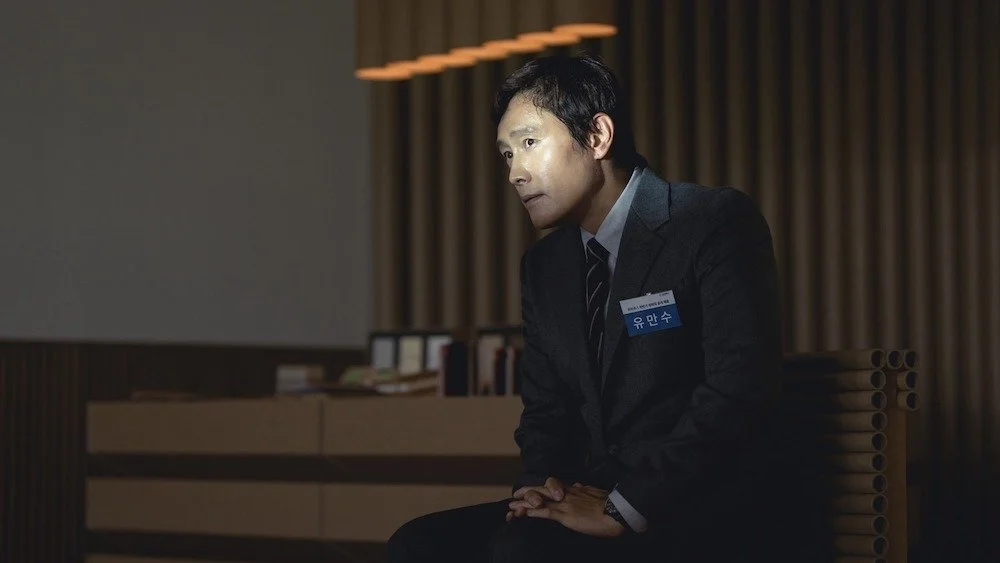
The state of the job market worldwide has not been great (to put it as mildly as that supposed hot sauce that you find at many conventions that does not succeed in knocking your pants off, despite the sales pitch). By now, Park Chan-wook is established as one of the most consistent voices out of South Korea, and No Other Choice is another gem in his studded career. Sure, Park makes the subject matter entertaining to the point of maniacal hilarity, but he never loses sight as to why we find joy within the darkness here: this is how bad things have gotten. The fact that one is resorted to murdering the more-fitted applicants to a new position in order to stand a better chance of being hired is tragic; the concept that this somehow makes sense to us is atrocious. How did society allow things to get this bad? Neon invited the Fortune 500 squad to see No Other Choice, but I worry they might and see it as a hero who won in a dog-eat-dog world (as opposed to the devastation of people having to be a part of this reality at all).
9. Train Dreams
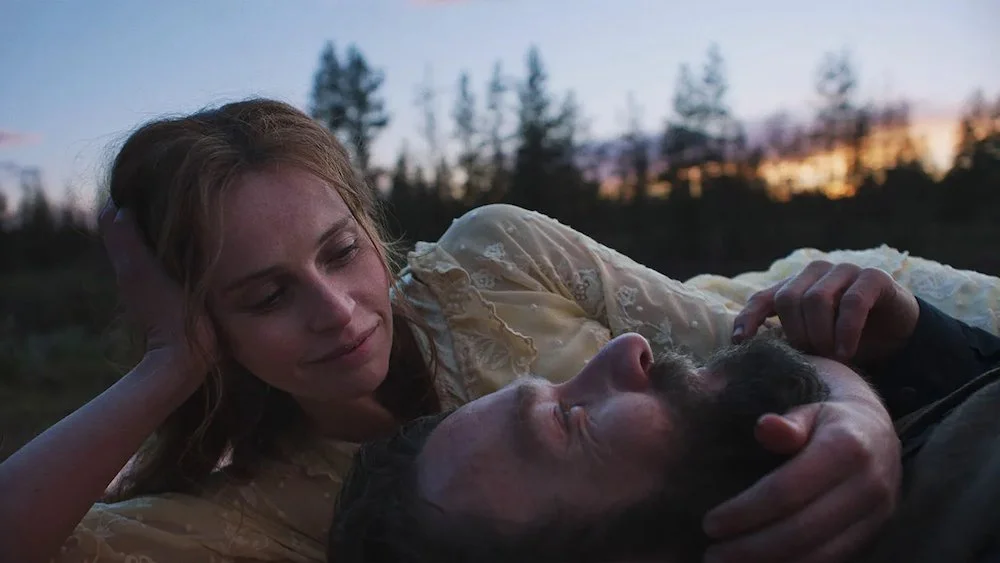
Not every film is meant to be read. Some are meant to be felt. Clint Bentley's breathtaking Train Dreams is like a slideshow of memories that run through your mind, as you cannot make out the full context of what you remember but you can still feel the touch of the grass on your feet, smell the trees around you, and feel the breeze in the air. Planting us in the shoes of Robert Grainer and living vicariously through him is beyond words; how Bentley accomplishes this feat is a testament to his magnificence as a filmmaker. What also boggles my mind is how Bentley is able to make Train Dreams feel like the conjured u- images one has when reading a novel; as the words of another wind up through our cores and sprawl throughout our bodies, teleporting us into another reality. Films are usually great means of escapism, but not in a way that is akin to the out-of-body experience of reading; that is, unless, that film is Train Dreams and its aesthetic and enriched purity.
8. The Secret Agent
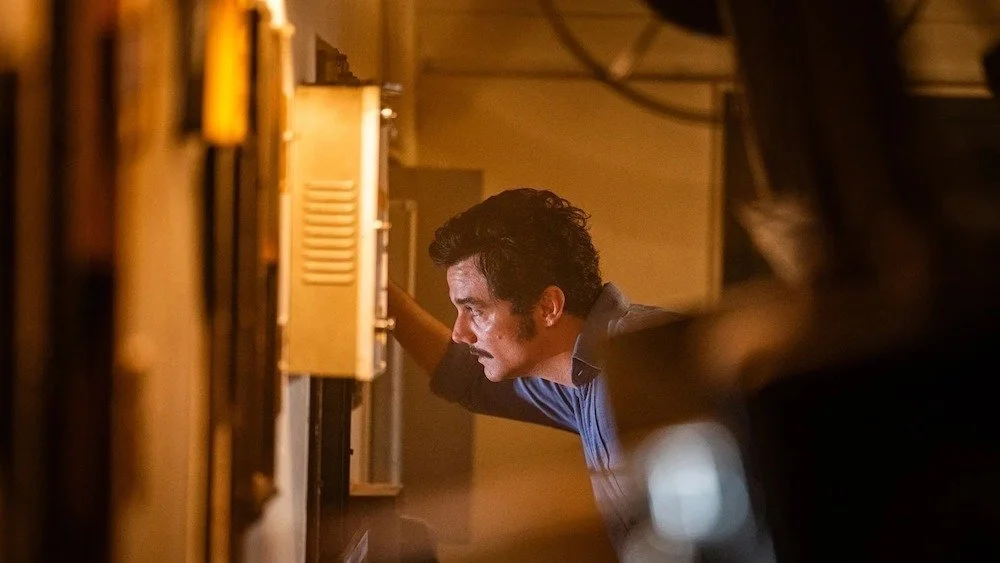
Kleber Mendonça Filho's latest — and greatest — film is The Secret Agent: a political thriller that begs to be seen twice. The first watch is such a calculated tightrope act, as you follow a protagonist — Armando — and question his every motive. Who is this mysterious spy? What trouble has he gotten himself into? What cases has he been a part of? The big shock of the film is that Armando is just an ordinary man who has been severely wronged by a corrupt government and is now having to fend for his life. To think that we could watch a film and see a mysterious figure instead of an innocent man who is now forever on the run out of fear is a tremendous and effective blindside; there is nothing cool or neat about the powers that be reigning terror over its citizens to keep them in line and brainwashed. The Secret Agent is half a game of chess and an all-out onslaught when the water boils over. That second watch of the film (with clear eyes) is even more revelatory; it may be more terrifying than watching the supposed film about a double agent.
7. The Voice of Hind Rajab
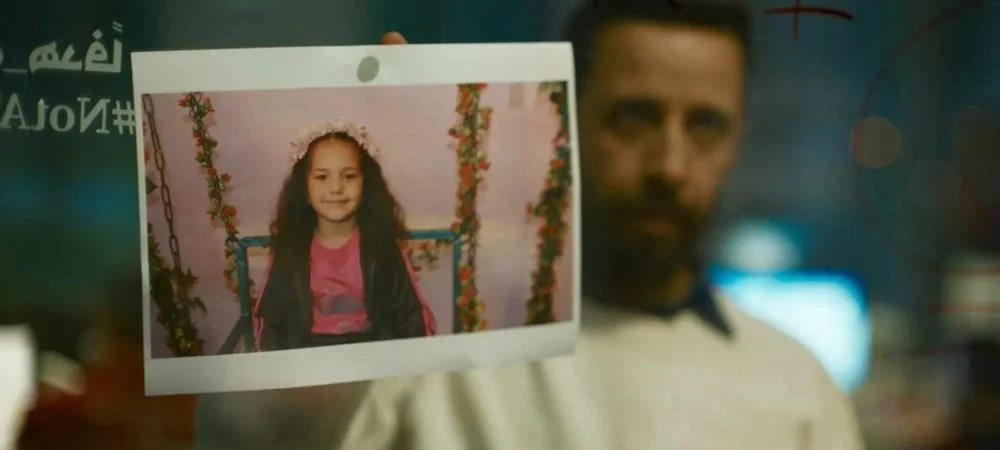
Kaouther Ben Hania has been on my radar as a go-to director for years, seeing as she has a knack for blending narrative storytelling and documentary sensibilities. Her greatest success thus far is found in 2025's most challenging watch: The Voice of Hind Rajab. We watch a dreadful day recreated by the film's cast: those who leave it all on the big screen. We hear the voice of a horrified child caught in the middle of g**fire after her entire family has been wiped out; this voice stems from real recordings saved from that day. To actually hear these sounds is enough to make anyone feel sick; motion pictures can often educate us on the horrors of the world, but being this directly connected with such an atrocious event is unlike anything else. We will for little Hind Rajab to hang on and fight for her life as we can explicitly hear the terrors of what is going on on the Gaza Strip: pure genoicde. The Voice of Hind Rajab is a crucial watch in understanding how bad things are for Palestinians; if this is the impact of just one life, can we even calculate the weight of millions?
6. Sorry, Baby
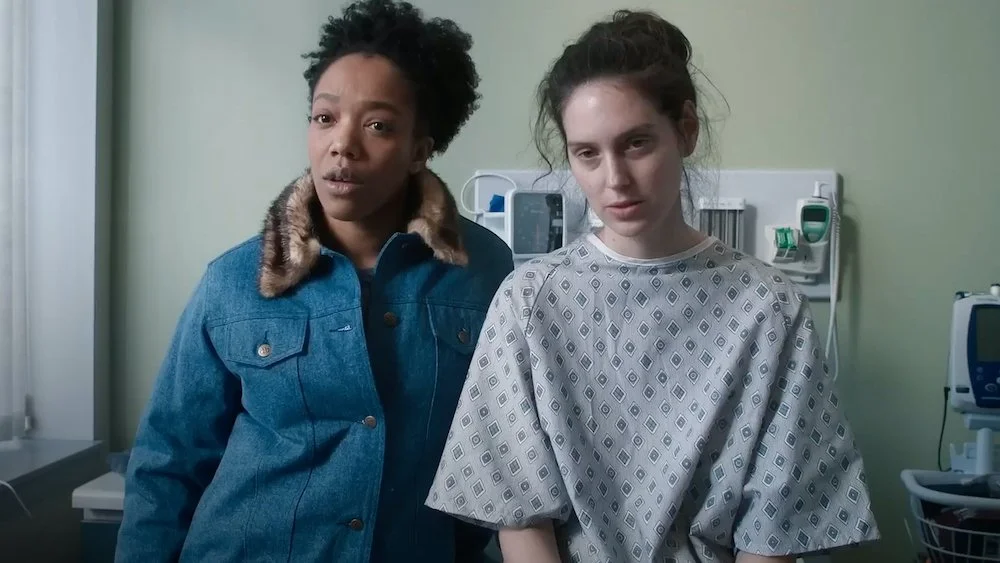
The best debut of 2025 was a one-person passion project by Eva Victor, who directed, wrote, and starred in Sorry, Baby. Victor displays such a strong vision already with this indie breakthrough, as they leave it all on the line with a bleak depiction of abuse and the trauma that forever lingers afterward. Much of the film is the inability to truly accept when someone is capable of such evil (and how they harm others with it), but the bulk of Sorry, Baby's power comes from its last act: one where Victor concludes that this is a highly sinful planet and a dangerous place for all of the innocent ones (be they cats, newborn babies, et cetera). We were all at that point where we felt that our lives were ahead of us, but that was before we realized all that we could have ever wanted and cared for was in the past we were ready to ditch. Sorry, Baby is a massively candid film that takes major guts to even attempt (and much wisdom and maturity to pull off); Victor displays both in what can only be seen as a high bar set for what is likely a promising career ahead.
5. It Was Just an Accident
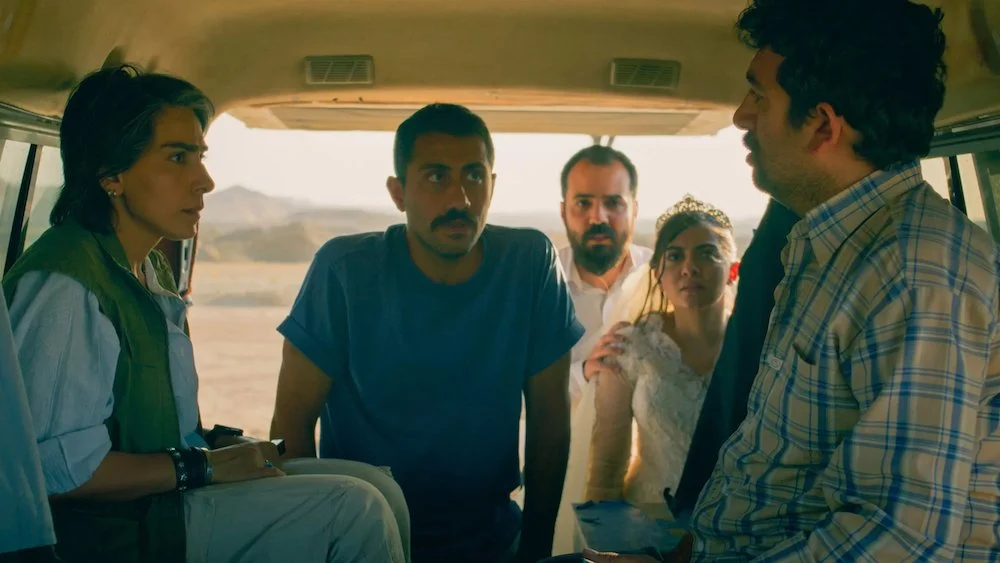
Jafar Panahi's relationship with the Iranian government is highly strained, to say the least. It only got worse with his uncompromised thriller, It Was Just an Accident. We wind up in the company of a handful of citizens wronged by a brutal jailhouse captor, and they all now have the upper hand: this monster has apparently been captured, and they have the ability to do whatever they'd like with him. Is he actually this torturer? Are they capable of the same monstrosities as he is? Will enacting in the same grotesquery make them feel happy or absolve them of their trauma (or will they never be able to forgive themselves)? Panahi's endless panic attack here leaves us much to chew on while the final sequence of It Was Just an Accident is sure to haunt you forever: the reminder that evil will never die, and those scars will remain. Naturally, Panahi's punishment for "going against his country" (or whatever they're trying to insinuate) has only worsened since this film was released; didn't he prove his point?
4. Marty Supreme
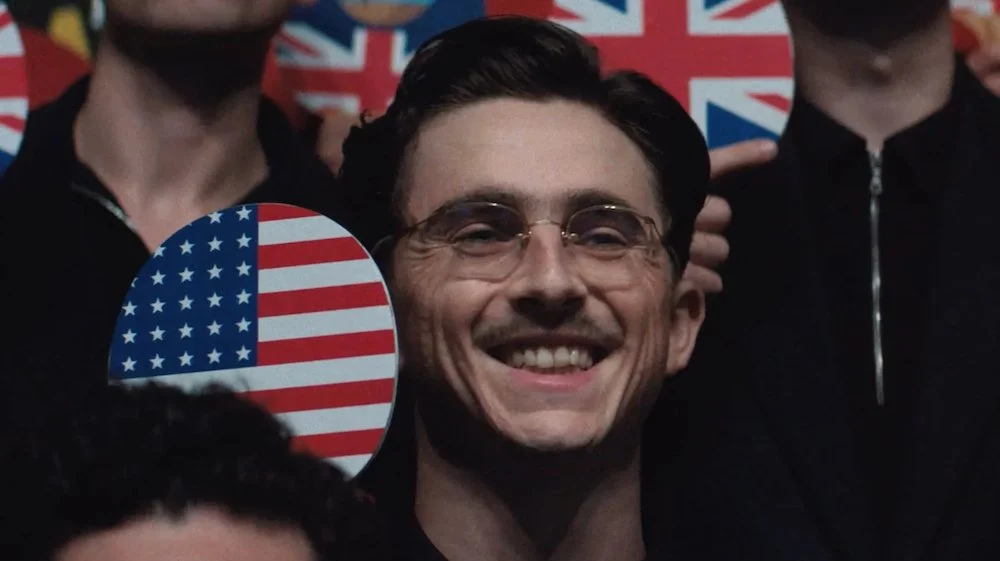
I don't think anyone was sure how things would look once Josh and Benny Safdie decided to go their separate ways, but I can confidently say that Josh's first post-split film, Marty Supreme, doesn't miss a single beat. It is as intense and nerve-racking as any of the Safdie triumphs that came before it. Marty is a fascinating character: how many times does this twerp attempt to press his luck, and how does he not see what the aftermath of his gambles looks like? We get another observation of a New York City where millions of lives are hanging on by a thread (as is customary in a Safdie film by now), and Marty is someone who is of this community while thinking he is capable of hanging out with the very few people of privilege; he does not see how even one false move could cost the livelihoods of himself, loved ones, and even complete strangers. However, he has this dream: to be a table tennis megastar. Dreams of this nature are like winning the lottery, and most of us never come close to sniffing such a possibility. Do you aim high or accept the bad cards that life has given you? Marty Supreme is a calamitous roller coaster ride that flirts with miraculous greatness while dangling us above the pits of despair.
3. Sentimental Value
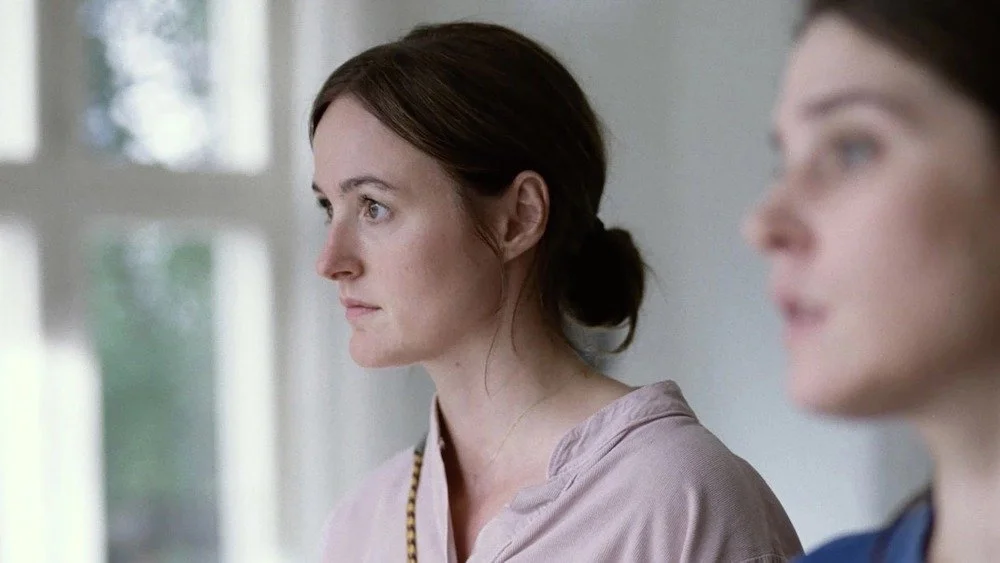
Joachim Trier has showcased his love of filmmaking in previous works, but his full-on essay of the healing power of art, Sentimental Value, is as beautiful as his passion has ever gotten. By using an Ingmar Bergman-esque portrait of a fractured family and the various members' differing versions of their entire story, Trier is able to depict the sensitivity of living with blood relations (those you had no control of deciding whether you wanted to be affiliated with them or not). In that same breath, he channels the yearning that estranged family members cling onto and often mistaken for resentment in a murky tapestry that contains all of the emotions found within this dynamic (unrequited love amidst crippling grudges). Sentimental Value breaks the illusion by taking us through the pre-production stages of a major motion picture, showing us how rehearsed movie magic is (that final sequence is a glorious example of what transpires); life cannot be this meticulously crafted, and we must work with that first take (for that is all that we get). Trier's latest film is sublime, riveting, and — ironically, for a film about the illusions of filmmaking — as real as cinema gets.
2. One Battle After Another
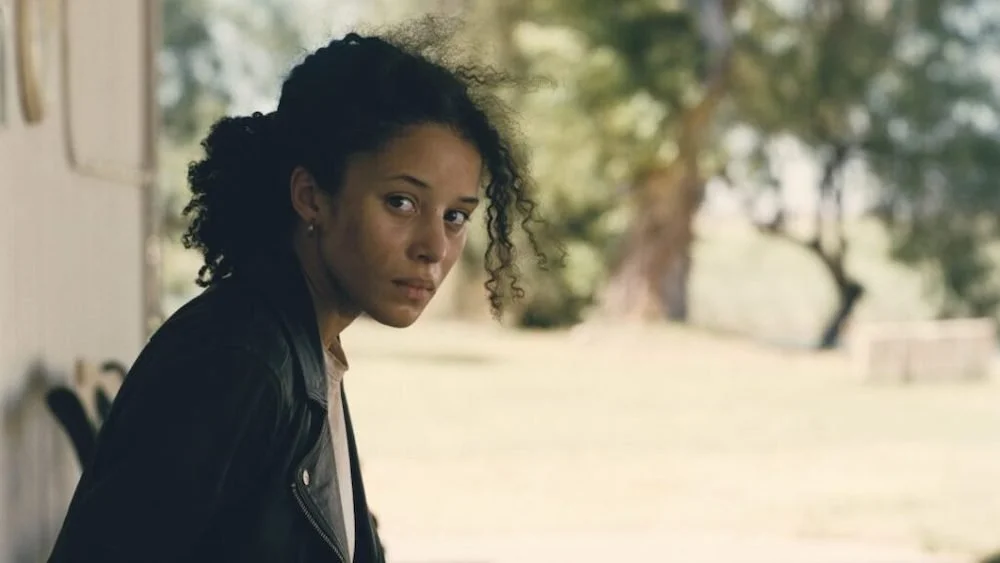
Paul Thomas Anderson has somehow pulled off the feat of making an action blockbuster film in the form of an arthouse-esque political thriller. One Battle After Another jumps right into its layered exposition before leaving us in the middle of an excruciating twenty-four-hour period to fend for ourselves. This bear-dog-cat-and-mouse chase never eases up, as we sprint alongside a revolutionary figure (well past his prime) trying to rescue his daughter from those who are trying to capture her (the situation is somehow even worse than he imagines). Much of One Battle After Another leaves us with our heart in our throats, worrying about all that will transpire (Anderson's illustrious world building here creates a setting full of American mythology, where there is so much more happening than we can even be acquainted with). It is then that you realize that this is only one such case and One Battle After Another correctly implies that such violence and horror happens on a regular basis (perhaps in ways more insane than what we see here, which is mystifying to read, I'm sure). Relevant, relentless, and rambunctious, One Battle After Another is sensational.
1. Hamnet
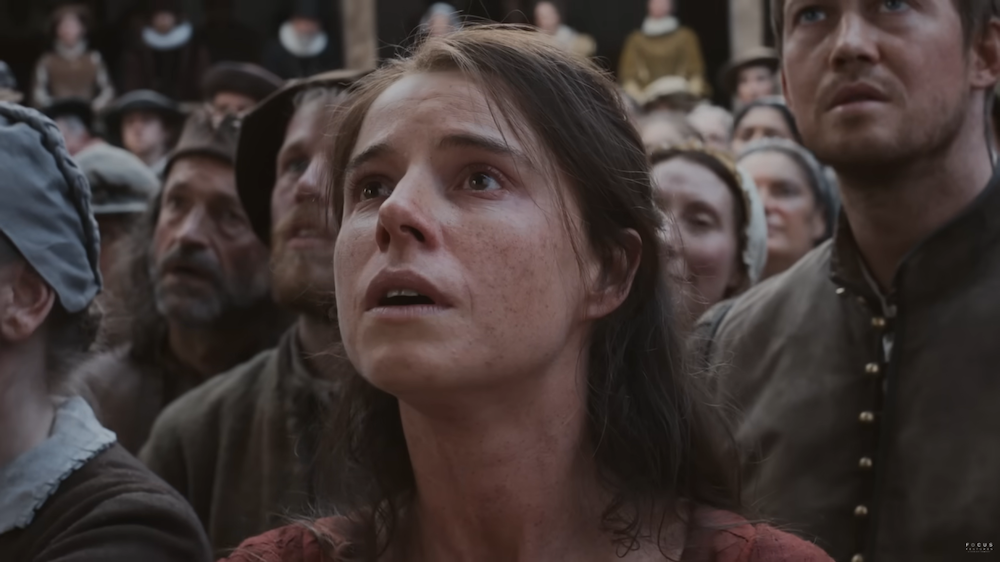
To me, the greatest film of 2025 is this rendition of how art can attempt to cure broken spirits (even if it is incapable of picking up all of the pieces; at least some will suffice). Chloé Zhao's magnum opus, Hamnet, takes the history of William and Anne/Agnes Shakespeare and turns it into a devastating fable; one that can be linked to the myth of Orpheus and Eurydice (a story that Shakespeare tells in the film, and one that is frequently referenced throughout). If we are able to cross paths with a deceased loved one again, how can we not take one last look at them? Why must they be banished forever? Such is the agony of grief: a realization that any passing glimpse is a lie, but that brief second of hope reminds you of what once was. Nothing can bring back a loved one who has passed away, but everyone will try to cope in their own ways; Hamnet details a couple of such instances. Its brilliant final act — contingent with the recontextualization of Shakespeare's Hamlet — is as great as cinema got in 2025. Seeing Agnes grapple with multiple realities — that her son remains gone, and yet he appears before her very eyes — gets the frog in my throat every time; once the entire audience understands the importance and love her lost son deserves, I can never fight off the emotional release Hamnet gives me. We get something gorgeous, crushing, and near-perfect with Hamnet. It is a reminder that art can help us get through life a little bit better; to enjoy what we have before it's gone, even if we have lost some along the way. We must never take for granted what we have and will get. "The rest is silence."


Andreas Babiolakis has a Masters degree in Film and Photography Preservation and Collections Management from Toronto Metropolitan University, as well as a Bachelors degree in Cinema Studies from York University. His favourite times of year are the Criterion Collection flash sales and the annual Toronto International Film Festival.