Best Film Editing: Ranking Every Nominee of the 98th Academy Awards
Written by Andreas Babiolakis
Welcome to another year of the Academy Awards Project here on Films Fatale! We rank all of the nominees in each category every day.
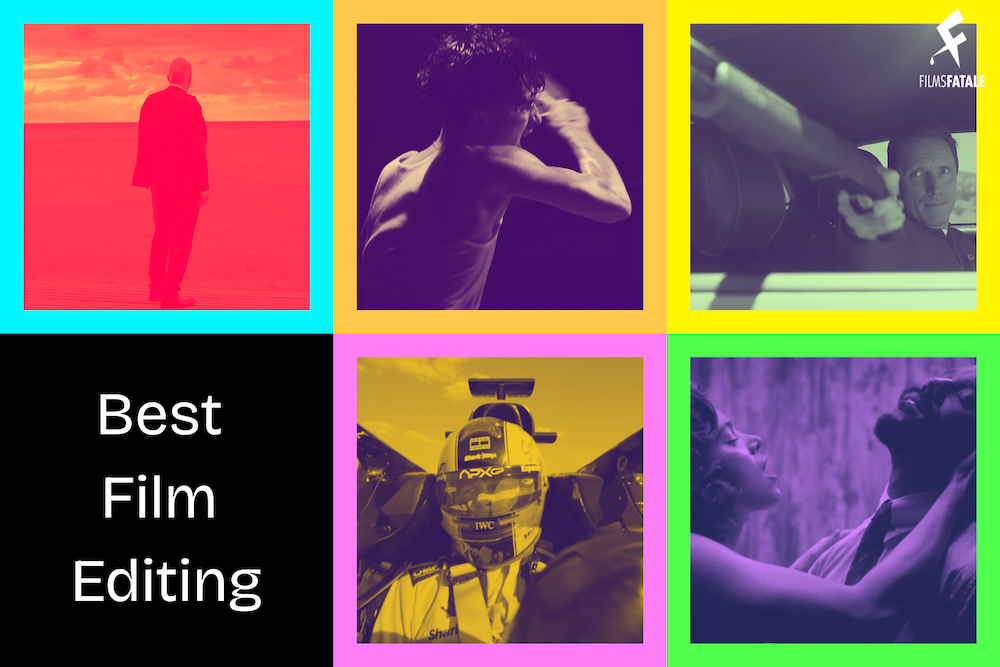
We have reached the Best Film Editing nominees, and I always have a tough time with this category. Great film editing should not be noticeable; when you watch a film, you should never be aware of each cut or splice. The film should move fluidly as one cohesive piece. However, some of the best kinds of film editing are super apparent with flashy cross-cuts, snazzy montages, and other creative decisions that make you aware of the editing that is taking place. Granted, bad film editing is also noticeable, so what is the difference between bad and excellent editing? To me, it’s the relationship between shots. If cuts are tossed into a film just because, it can show a lack of restraint or confidence. In a film like Requiem for a Dream, quick montages are used to make the viewer feel uneasy or abnormal. This hyper-fast editing works because each shot has a relationship with one another, a story is told via the editing style, and the pacing of the film is intentional. When we cut from shot A to shot B, what relationship is being established? What new information is being given? Was a film trimmed enough that it doesn’t feel too long? Does information appear to be missing? As is often the case with the Academy Awards (but not always; the Academy voters can sometimes misconstrue snappy and fast editing for good editing), the five nominees below are all good picks. Which film will come out on top? Which film should? Here are your nominees for Best Film Editing, ranked from worst to best.
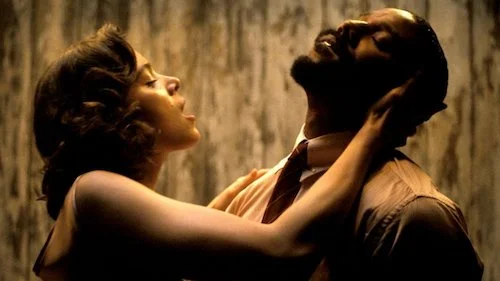
5. Sinners-Michael P. Shawver
I don’t want this to seem like the editing in Sinners is bad. This is an example of a well edited film where you don’t really notice it because Michael P. Shawver did his job effectively. It is just the least flashy of the five nominees. Each year of the Oscars, there is at least one nominee for Best Film Editing that winds up here because it is a major contender for Best Picture; this nomination implies that a film is Best Picture worthy because it is well assembled (I mean, fair). Sinners is that film this year. The pacing is nice and gradual until shit hits the fan; the editing becomes even snappier when the chips are down, but it never goes overboard with its cutting and splicing (a sign of great restraint). The film never feels too long (then again, none of these nominees do). The editing here allows Sinners to feel like a bit of a journey with a walk that bursts into a sprint and that is a major reason why the film is so effective. So, yes: Sinners is a well edited film. One of the nominees had to be last.
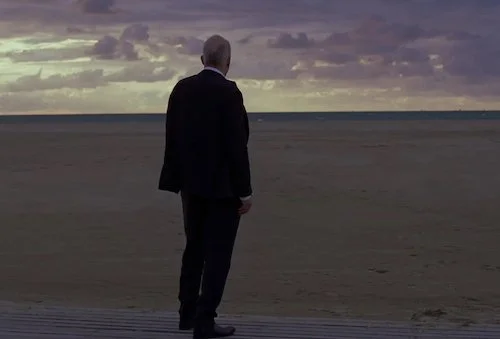
4. Sentimental Value-Olivier Bugge Coutté
While Sentimental Value may be the least fast-paced film of these five nominees, I think this film was the most showy with its ability to leap from idea-to-idea, sequence-to-sequence, and image-to-image. Enough of Joachim Trier’s ideas feel like they come from different mindsets and portions of reality (Sentimental Value doesn’t just contain one tone, and there are a few cutaways to meta sequences). Olivier Bugge Coutté’s editing helps make all of these disparate concepts become one holistic reality. There are so many intriguing relationships made between shots that are spliced together that we are able to weave in and out of reality and the subconscious dilemmas of our troubled protagonists. The editing in Sentimental Value is also graceful, allowing the film to forever feel steady without ever rushing ahead or dilly-dallying. A film like Sentimental Value and its editing may go unnoticed, but I am glad that it found its way here with a nomination.
3. Marty Supreme-Ronald Bronstein and Josh Safdie
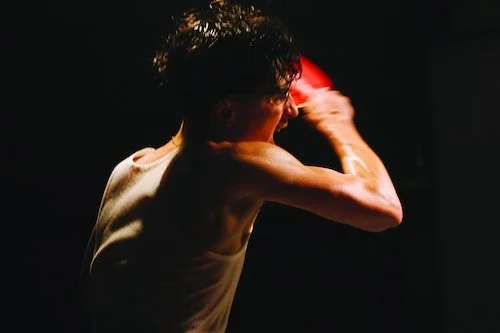
We have reached the three flashiest nominees here. In ways, Marty Supreme has some of the best editing of 2025. The two-and-a-half hour runtime zips by without ever stalling. Ronald Bronstein and Josh Safdie turn complete chaos into a kinetic series of understandable information (what else is new with this duo, though). The film stutters with its cuts when it wants you to feel uncertain or anxious (mission successful), but I do appreciate how — unlike some other Safdie efforts — Marty Supreme takes moments to breathe, especially during the one-shot ping pong moments that make you feel weightless. Now, I have to split hairs with the top three nominees here, so I have Marty Supreme third because I do feel like there are a couple of pieces of information that are missing and left on the cutting room floor (certain storylines that feel incomplete); I don’t hold this against the film, which was one of my favourites of last year, but it is worth considering when discussing a category like this one. Safdie apparently told audiences that he was up all night trying to finish editing the film in time for its premiere; this sounds like an incredible achievement on one hand, but it is also believable in a couple of other instances.
2. F1-Stephen Mirrone
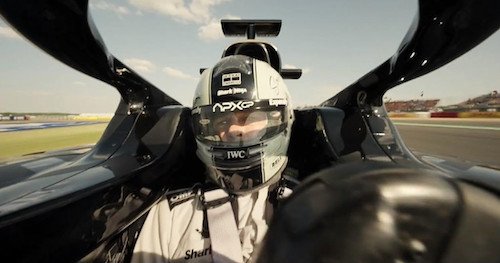
While my least favourite film of the five nominees, I cannot deny that F1 is a well edited motion picture. I do find the film a little overlong, but, given the derivative story, I place more blame on the screenplay than I do the editing which is making the most of what it has to work with. For the most part, F1 flows rather nicely during its dramatic moments (it never hurries the pacing either; too many action or sports films just want to get to the “good stuff”, but F1 tries to ensure that the backstory is a priority). However, F1 shines during its racing moments which are clearly the highlight of a film like this. Each race feels like a rush. More importantly, it is easy to follow what is happening in each event without losing sight of who is in what place (or what is happening around each driver). Here, F1 goes above and beyond, and I have to give credit where it is due (by placing it second here).
1. One Battle After Another-Andy Jurgensen
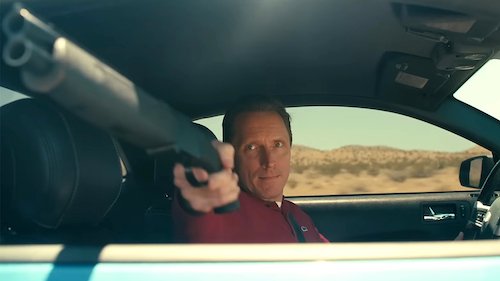
I feel like Andy Jurgensen’s work with One Battle After Another accomplishes the best of all of the above. It is seamless and unnoticeable when the editing doesn’t need to be the focal point. It is chaotic and exciting when the film calls for that spice. It is always easy to follow what is going on amidst all of the anarchy and insanity. This nearly three-hour effort feels like an hour and a half to me (that pacing is to die for). The opening act feels like a tall order to compile together without feeling excessive or overlong, and Jurgensen’s editing here actually protects the film from ever getting tiresome (honestly consider how well edited the opening forty minutes — or so — are and how the rest of the film benefits from this). I love the editing in One Battle After Another, and it was a complete no-brainer that it should be honoured here.
Who I Want To Win: I’m going to stick with One Battle After Another, which was always my favourite edited film of 2025 as soon as I finished watching it for the first time. I cannot think of any hiccups with it.
Who I Think Will Win: This is likely going to be a toe-to-toe dance between the two major Best Picture contenders: One Battle After Another and Sinners. Granted, F1 has a shot here as well. I feel like One Battle After Another is the current favourite to win here, but the Academy likes to use this category as a signal as to what will win Best Picture. If Sinners wins this award on Oscars night, you’d better believe it is coming for that Best Picture trophy. Having said that, I currently think One Battle After Another has this award in the bag.


Andreas Babiolakis has a Masters degree in Film and Photography Preservation and Collections Management from Ryerson University, as well as a Bachelors degree in Cinema Studies from York University. His favourite times of year are the Criterion Collection flash sales and the annual Toronto International Film Festival.