Best Adapted Screenplay: Ranking Every Nominee of the 98th Academy Awards
Written by Andreas Babiolakis
Welcome to another year of the Academy Awards Project here on Films Fatale! We rank all of the nominees in each category every day.
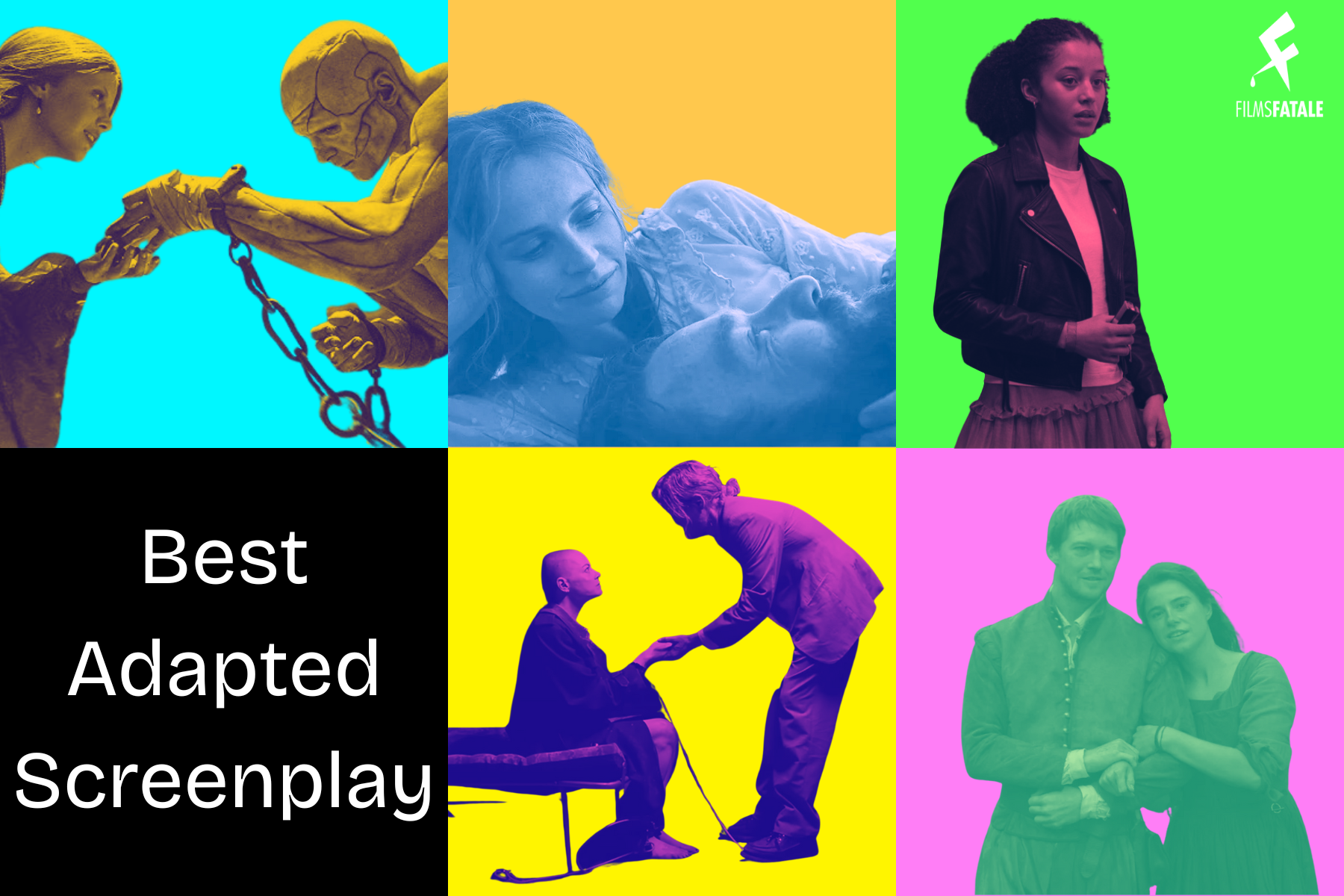
Best Adapted Screenplay can usually be a mixed bag of nominees. This category — where screenplays are indebted to source materials of all kinds — can lead to sillier nominations including sequels, lazier adaptations of popular works, and many other frustrating results. However, the 98th Academy Awards has the strongest group of nominees for Best Adapted Screenplay in at least a few years, where the weakest selection is quite a notable effort in my opinion. For the first time in a while, I think the Best Adapted Screenplay category is of higher quality and is more competitive than even the Best Original Screenplay group, so you know this selection is special. I will be analyzing these screenplays as they are (if they have great writing, strong characters, memorable dialogue, the like). Additionally, unlike the Best Original Screenplay category, I will be seeing how any creative changes have enhanced the final product (this is a category to honour adaptation, after all). Which films made the most with their source materials? Here are your nominees for Best Adapted Screenplay, ranked from worst to best.
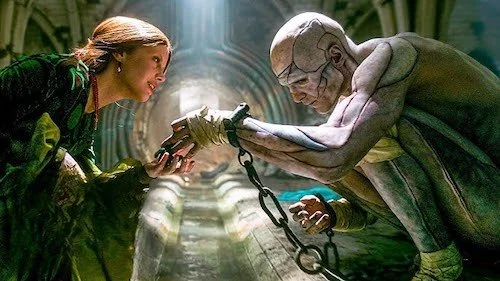
5. Frankenstein-Written for the screen by Guillermo del Toro
While others may have an issue with Guillermo del Toro’s Frankenstein (especially regarding the first half of the film lagging compared to the second half), I actually quite like this adaptation mainly because it is one of the only takes on Mary Shelley’s novel that honour the themes of grief, self-hatred, and loss. So many other versions of Frankenstein resort to making a monster picture of some sort, but I feel like del Toro appreciates how the monster (erm, creature, here) is a tortured soul abandoned by society, not some mindless, hulking threat (despite its capabilities). However, I also feel like del Toro gets a teensy bit heavy-handed with Shelley’s writing, including making Dr. Frankenstein’s family situation excessively divided (as opposed to something a bit more naturalistic); of course, the aforementioned weaker first half of the film must be taken into account (while I like most of what I see, I feel like del Toro can sometimes get carried away with trying to create too much exposition or backstory and showing it all). Still, this is a strong-enough swing at an often adapted story and I am happy enough with the end result.
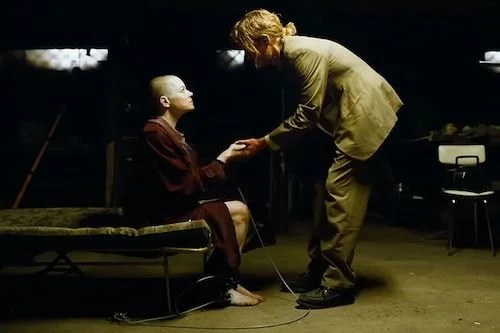
4. Bugonia-Screenplay by Will Tracy
Will Tracy’s adaptation of the South Koran film, Save the Green Planet!, takes the more darkly comedic film and turns it into more of a conspiracy-based thriller. I actually appreciate how the screenplay encourages director Yorgos Lanthimos to not get too bonkers (well, except for the major twist at the end); as much as I love Lanthimos’ absurdist satire, I do wish he would explore his dark and serious side a bit more (he kind of does so here; even with Bugonia’s ridiculousness). What first appears to be a stalemate between a kidnapped CEO and two conspiracy nuts becomes something far more interesting: a commentary on the mentally stunted ways of contemporary life (in a world full of dread and negativity at every turn). Of course, when the film puts egg on our faces with its big twist at the end, it makes every viewer feel like a complete idiot and I love it (I, too, was foolish). The film works on multiple watches even with this revelation, which proves that Tracy’s screenplay is more than just its twist ending: it is a damn good sociopolitical genre bender.
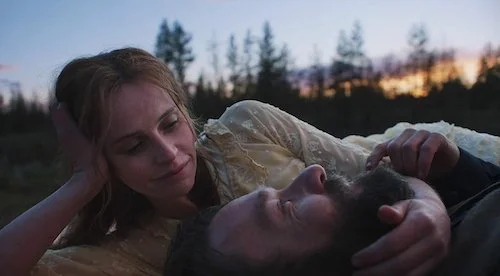
3. Train Dreams-Screenplay by Clint Bentley & Greg Kwedar
I am absolutely chuffed that Train Dreams got acknowledged here. It is such a fitting nomination for one primary reason: how literary the film feels. Most adaptations of novels try to separate themselves from their sources in hopes of coming off as a feature film and nothing more. Train Dreams feels like a living novel: each image and voice over line evokes the sensation of what your brain experiences while you are reading. I love how they made this film not shy away from the fact that it is based on a novel. Furthermore, the screenplay here ensures to keep the story’s characters developed, the storylines coherent, and the mythical qualities as magical as ever. I love that the Academy took a great liking to Train Dreams enough to nominate it four times, especially for its delightful, moving, aching screenplay.
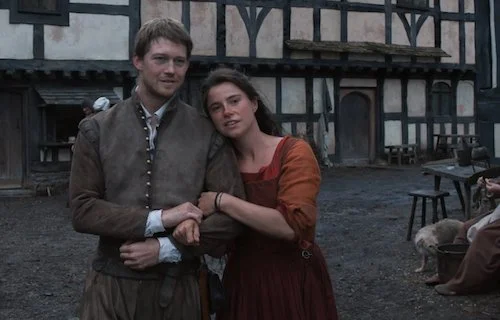
2. Hamnet-Screenplay by Chloé Zhao & Maggie O’Farrell
Maggie O’Farrell’s Hamnet is one of the more celebrated novels of the twenty-first century, and Chloé Zhao’s film of the same name is bound to have a similar longevity. Both women worked together on this screenplay, effectively bringing the novel to the big screen without getting theatrical or hammy in any way. If anything, the two balance each other out greatly; Zhao’s earthiness helps major figures like William and Agnes Shakespeare feel like everyday people, while O’Farrell’s historical expertise allows the story’s societal details to shine through. This is a dynamic duo that have made an anachronistic look at a real tragedy that feels like new age mythology: this fable of loss and devastation feels like it comes from both heaven and hell. I adore the story here, especially its search for warmth amidst tragedy (no matter how grim things get, there is still an appreciation for life). I feel like many other writers trying to adapt Hamnet would have made something overly cheesy or forceful; the Hamnet we got couldn’t be more exemplary and honest.
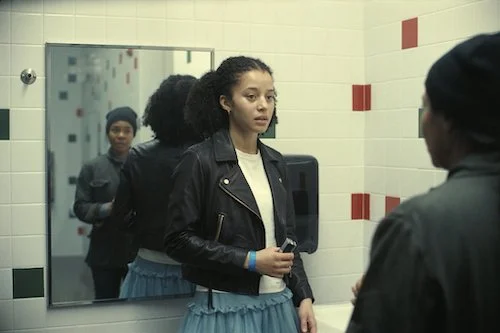
1. One Battle After Another-Written by Paul Thomas Anderson
While I think that Hamnet is a slightly stronger film overall, I have to give Paul Thomas Anderson his kudos with One Battle After Another. As someone who has read enough Thomas Pynchon to know what his writing is like, the fact that Anderson made a film like this one cinematically sound and straight forward is nearly impossible. Then again, Anderson doesn’t iron out such a story too much to the point that it is uninteresting; One Battle After Another is still quite strange, unorthodox, and — as a result — exhilarating. Now, I know that this film varies quite a lot from Pynchon’s Vineland (to the point that they have maybe a quarter in common), but that might be even more of a reason why Anderson should be considered for this award that honours adaptations. Anderson maintains the electrifying and bizarre kinds of characters that Pynchon would create (especially those eccentric names) while balancing contemporary political talking points, quirky comedy, and thriller pivot points. The end result is a singular film that kicks out of the gate like a rapid dog without ever slowing down for its entire runtime, and the best written film of 2025.
Who I Want To Win: Isn’t it time for Paul Thomas Anderson to finally win a fucking Academy Award?
Who I Think Will Win: Narrator: Paul Thomas Anderson may finally win a fucking Academy Award.


Andreas Babiolakis has a Masters degree in Film and Photography Preservation and Collections Management from Ryerson University, as well as a Bachelors degree in Cinema Studies from York University. His favourite times of year are the Criterion Collection flash sales and the annual Toronto International Film Festival.