
Best Production Design: Ranking Every Nominee of the 98th Academy Awards
Written by Andreas Babiolakis
Welcome to another year of the Academy Awards Project here on Films Fatale! We rank all of the nominees in each category every day.
What good is a film if it doesn't feel like it has a believable setting? When an actor goes all-out with their performance, do we still buy it if we can tell they are standing in front of a green screen? A production designer's job is incredibly tough: whether this is a regular condo flat, the surface of the moon, 2025 B.C., or back in the wild west (which happens to take place underwater this film), the production designer aims to make the domiciles and surrounding areas of a film feel authentic. I feel like the Academy voters for this category usually do not miss, and so we have another group of five nominees that excel quite a bit in this department. If anything, I found ranking this category quite tough this year. I feel like any of these five films could have won in different years, and you'll find that I have even ranked a production legend quite low (sorry in advance). However, one contender is so strong that I still do not think that this is a contest at this point. Which films had the best architecture; the most believable signs of life within them; the most accurate and intriguing props; the most creative — and believable — concepts? Here are your nominees for Best Production Design, ranked from worst to best.
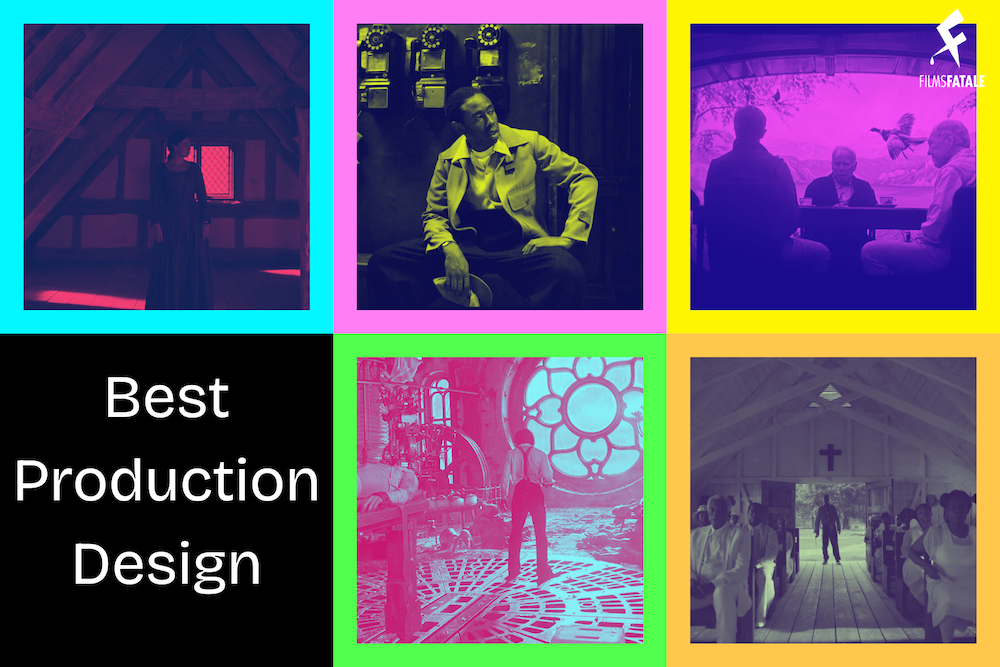
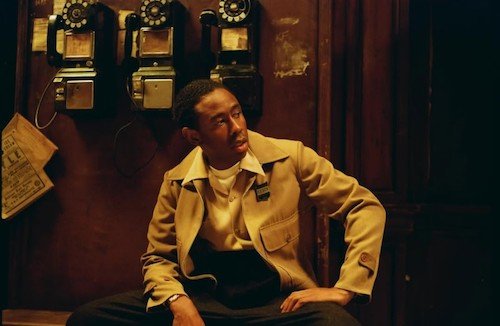
5. One Battle After Another-Production Design: Florencia Martin, Set Decoration: Anthony Carlino
Ugh. I hate placing this film last. We have so many locations to consider here, from cluttered homes and believable bases to that insane, remote meeting place for the idiotic Christmas Adventurers. Even the monastery has so much personality to it. I feel like enough of the film takes place on the road or on the run, so the other four nominees shine a bit more in this way, but I do love the production design in One Battle After Another quite a lot; with so many oddball characters, you believe that they have existed because of what their surroundings say about them. Additionally, you understand the ongoing struggles because of how weathered their living quarters are.
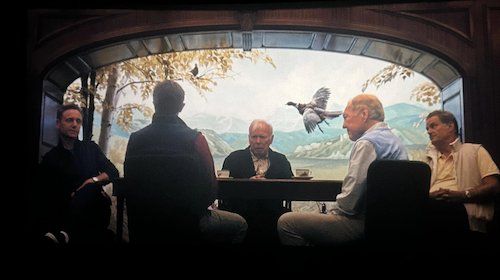
4. Marty Supreme-Production Design: Jack Fisk, Set Decoration: Adam Willis
If you do not know who Jack Fisk is, he is essentially the Michael Jordan of production design (I suppose I could have used more cinematically-appropriate comparisons, like the Daniel Day-Lewis, Roger Deakins, or Thelma Schoonmaker of production design, but I said what I said). I recall feeling like Marty Supreme felt so intentionally cluttered and full of little details and bits of life within them; this was before I even knew that Fisk worked on the film. Once those credits began rolling, it all made perfect sense. Of course it was Fisk who made Marty Supreme feel like a claustrophobic chaos with histories of provenance piling up around us (whether it's in someone's home, an underground ping pong hall, a lavish dining area, or the stage of a sporting tournament). I never feel like the production sticks out like a main focal point like the higher placed three films exhibit, but I do think that Marty Supreme is extraordinary in this department; I am sorry for the blasphemy, Mr. Fisk. I hope you can forgive me.
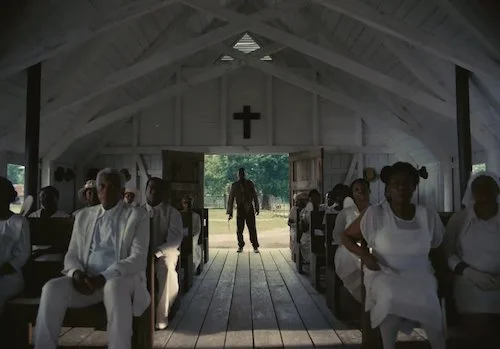
3. Sinners-Production Design: Hannah Beachler, Set Decoration: Monique Champagne
We get taken back to 1930s Mississippi with Sinners and its meticulously crafted architecture. I feel like the structures in this film almost feel like sitting ducks waiting for the big climax to take place (especially the joint that becomes the central setting for a good portion of the third act). Within the interiors of these places are little trinkets and flourishes that make the film feel like a tour of the deep south during the prohibition era; as if we are visiting the homes of people who truly lived (and, I suppose, the domiciles of vampires, too). The main joint is such a lively, central part of the plot and it is thanks to how well designed it is. Everything down to even the church (which is sparingly used) is jaw-dropping, as if these locations were discovered and all of the memories from within them have come to life.
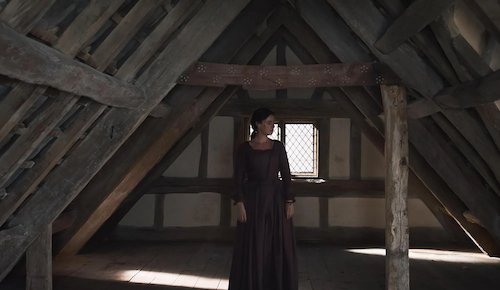
2. Hamnet- Production Design: Fiona Crombie, Set Decoration: Alice Felton
While I feel like the production design in Sinners has more personality, I was left remembering the architecture and sets from Hamnet even more. Where Sinners displayed character, Hamnet feels like it possessed habitable vessels of distraught and broken people: time capsules of pain that will ripple throughout the generations of a family. It is the emptiness within these structures that shook me: the way that the massive windows let light into a home that desperately needed this clarity and salvation. I also adore how many little bits of provenance are scattered all over the place, down to the scratches and chips in the kitchen table that has proven to be useful time and time again. Have you ever visited the actual homes of iconic figures from yesteryear? I have visited William Shakespeare and Anne Hathaway's home. Hamnet is nearly identical as to what it felt like (outside of the clear height differentials; the real Shakespeare family were tiny).
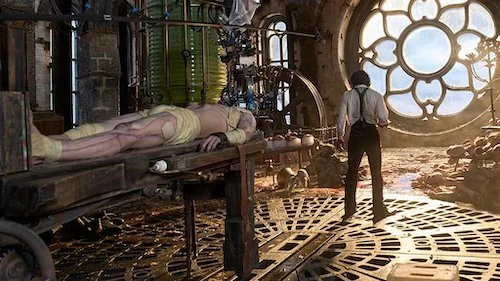
1. Frankenstein-Production Design: Tamara Deverell, Set Decoration: Shane Vieau
While all of the other films met their mark with what settings they should create and how to go about making them, Frankenstein is almost an entire feature film's worth of showing off. We start off with a massive ship that is stuck in place, and this creaking behemoth towers over us. We get to Dr. Frankenstein's stomping grounds (his home, his laboratory, his academic quarters) and we find that there is far too much to love about the production here: from the insanely imaginative, gothic designs to the amount of detail that each and every shot possessed. Frankenstein is due the Academy Award for this alone. Then we get to the creature's half of the story where he lives in a humble little house in the middle of the forest, and even this domicile is beaming with artistry and character. As great as the other nominations are, Frankenstein is stupidly sensational with its production design. Just put the film on, skip to literally any part of the film, and you can see why it's the front runner. Let's just call it a day, here.
Who I Want To Win: Frankenstein.
Who I Think Will Win: Frankenstein.


Andreas Babiolakis has a Masters degree in Film and Photography Preservation and Collections Management from Ryerson University, as well as a Bachelors degree in Cinema Studies from York University. His favourite times of year are the Criterion Collection flash sales and the annual Toronto International Film Festival.