
Filmography Worship: Ranking Every Fritz Lang Film
Written by Andreas Babiolakis
Filmography Worship is a series where we review every single feature of filmmakers that have made our Wall of Directors

Whether you are studying the silent age, pre-Code cinema, or classic, international motion pictures, you will come across one name sooner rather than later: Austrian auteur Friedrich Christian Naton Lang. Well, maybe not that name, but, rather, his better-known moniker Fritz Lang. Lang has proven to be one of the most influential names in all of cinema thanks to his shadow-drenched, pulpy, mysterious style. Part of his milieu stems from his participation in the German Expressionist class: a troupe of filmmakers who experimented with the aesthetic capabilities of motion pictures during its earliest days. However, Lang carried out this formula outside of the silent era (which he dominated, of course) and made enough grim, cynical, obsidian crime films in the thirties to have helped contribute to the style that would be known as film noir. His films were ahead of their time in terms of their size and scope (Lang was highly ambitious to the point of being a perfectionist, having some high-budgeted works, and garnering notoriety as a punishing and challenging filmmaker to work with). This acclaim garnered the attention of the wrong people: the Nazi party, who not only wanted to ban his anti-Nazi film (The Testament of Dr. Mabuse), but they wanted to hire him to make propaganda works (they hated what his films were saying but not how they were made).
Lang did what any rational person would do at this point and fled Germany, knowing that he would be in deep trouble if he refused this offer (especially given the initial red flags of the Nazi party wanting his films banned; what else were they willing to do to Lang if they didn't get their way). Lang made only one film when he lived in Paris (Lilion) before the next phase of his career: his twenty-year stint in Hollywood. During this time, he partook in the rise of the film noir style (again, one he was partially responsible for in the first place) and contributed to it until its bitter end (in the late fifties). At the end of his career, Lang brought things full circle: a major breakthrough for him was the two-parter Dr. Mabuse, the Gambler in 1922, and his swansong wound up being his third adaptation of the Norbert Jacques character — The Thousand Eyes of Dr. Mabuse in 1960. At this time, Lang — who had various chronic health issues — was nearly completely blind, and he couldn't continue making motion pictures. He would pass away from a stroke in 1976 at the age of 85.
Responsible for the molds of a number of genres — from crime cinema to espionage thrillers, as well as the aforementioned expressionist and noir classics — Lang is unquestionably one of the most inspirational and influential filmmakers of the early years of cinema (if not of all time). I have learned by going through his films that Lang has his clear standouts as well as some lesser-discussed titles that also warrant their flowers. Having said that, I have also discovered that Lang achieved his successes through much trial and error, and that not all of his nearly-forty existing titles are strong (as you can expect, a couple of his films are considered lost, and I will not be covering them here). I find all of his films to be at least aesthetically pleasing and beguiling, but that doesn't make them all memorable or worthwhile (unless you are a completionist). Lang's highs, however, are truly special: a bridge between the brainstorming sessions of the original silent greats and the blueprint that most of the film industry would derive from. Lang was there from square one to a point in time where cinema was set in stone, and not many filmmakers can say that they greatly contributed to the most formative half-century of the medium. Here are the feature films of Fritz Lang ranked from worst to best.

38. Harakiri
Lang's Harakiri is not great. One of the more bittersweet things about seeing the earliest films is acknowledging both the effort made by a dreamer and the impossibility of their vision being met in such a preliminary time. Harakiri could have been a great, punishing, visceral film decades later, but in 1919, this early Lang effort is forgettable, flimsy, and dull (even though it, like most of Lang's films, looks quite nice); you have a plethora of other Madame Butterfly adaptations to pick from.
37. Four Around a Woman
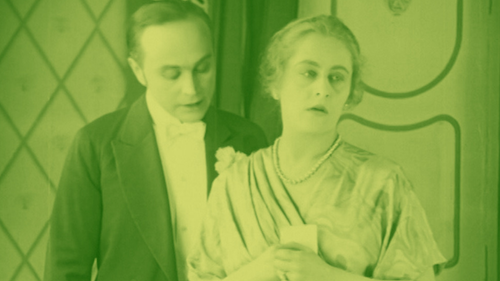
Lang was always trying to push the envelope, but his earliest efforts may suffer from that. A film from 1921 like Four Around a Woman should not be difficult to follow, and yet it is a straight-forward drama about infidelity winds up becoming a brain cruncher. This is not because Four Around a Woman is actually robust and layered: it's because Lang loses sight of his film as a narrative conveyance. It should never feel like you have to do homework to understand a film, least of all a basic film like this one.
36. American Guerrilla in the Philippines
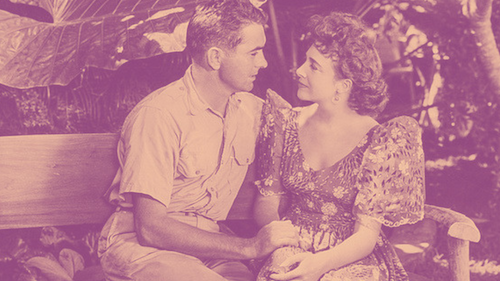
Released deep into Lang's tenure in Hollywood, American Guerrilla in the Philippines is a film that should feel like a refined, signature picture from an established auteur. Instead, it feels almost void of his authorship entirely. A standard war film starring Tyrone Power (which is always a plus, I suppose), American Guerrilla in the Philippines is otherwise not immersive in the slightest; in fact, it feels like a parade of false notes that sanitize and romanticize these harrowing experiences in such a typically Hollywood fashion.
35. The Wandering Image
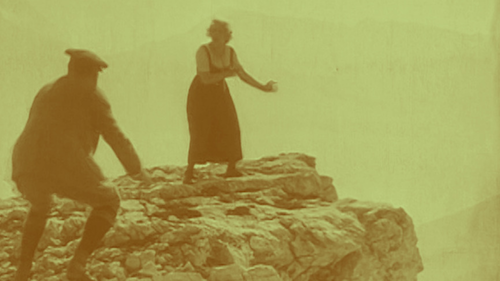
At no fault of Lang or the film, some of The Wandering Image's lacklustre appeal is the fact that substantial portions of the film are now lost. However, this audacious drama is still quite a bit of a mess even with the missing information filled in. A progressive concept (presenting a story in a non-linear fashion, which was rare for a film from 1920), The Wandering Image is another example of Lang going too far with something to the point of losing sight of his own vision. This is an effort that was necessary for Lang to find his footing elsewhere, but that doesn't make The Wandering Image good or digestible.
34. Western Union
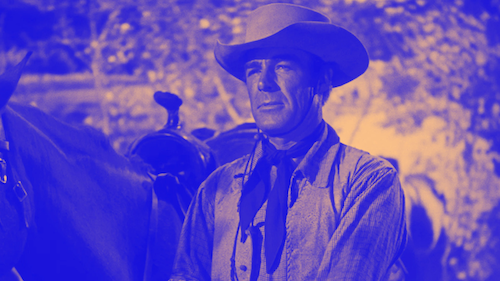
Even though he made a couple, Lang was hardly the master of making Hollywood westerns, and Western Union is proof of this. While even his weakest thrillers still feel like they have Lang's fingerprints all over them, a film like Western Union is a carbon copy of the western genre to the point of being completely indistinguishable from any other run-of-the-mill western; the main difference is that Lang is a great director, and you'd expect more from him than this chore of a film.

33. The Spiders
Lang had a few two-part films that I have combined into one entry; the other examples are far stronger than The Spiders. Both The Golden Sea and The Diamond Ship are exciting journeys on paper, but actually watching them is another story: a slew of glorious aesthetics on top of a story that seems to sprint in one place without ever actually moving us anywhere. This is one such concern for one film, let alone two that join together to make an epic that feels rather monotonous. At least we have access to this film (or films) that was once deemed lost.
32. Secret Beyond the Door
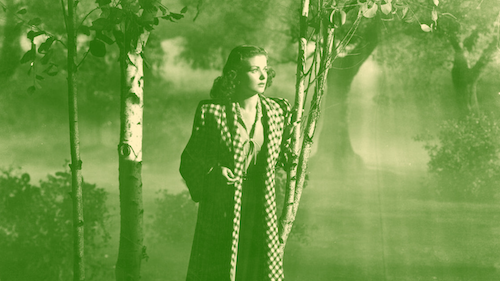
When you are a master of a genre, there is a slim chance that you can dwell within it for too long to the point of losing any sense of what makes it (or you within it) special. Lang's Secret Beyond the Door is a psychological thriller that seems to hit many obvious points as if it was his first go at making stirring, deceptive, twisted cinema; this was released in 1947. By that point in time, Lang had exhausted much of his creative juices here (at least enough within the confines of this derivative, so-so flick).
31. The Return of Frank James
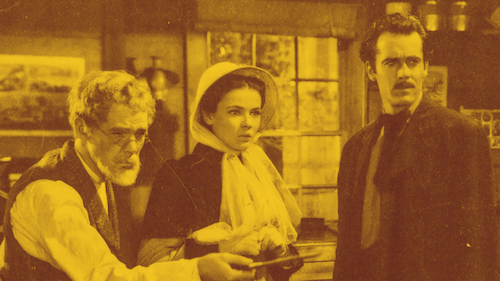
Lang was no stranger to sequels, be they in the form of works in two parts or legitimate followups to previous titles. However, The Return of Frank James was a project where Lang was to answer to Henry King's successful Jesse James from the year before. This film feels thin in all ways, from Lang's clear lack of proper involvement to The Return of Frank James coming off as a pale and flawed version of its previous iteration. At least we have Henry Fonda who is always a plus in any film; I would watch this more as a fan of Fonda than a fan of Lang.

30. You and Me
Lang was at odds with himself when making You and Me: one of the only films he would essentially distance himself from. This romantic crime comedy is constructed like any standard genre bender of that sort (I suppose), when it deconstructs itself into something far more unusual midway through; as if the film was a Trojan horse with warriors waiting to burst out from within it. I appreciate Lang's efforts to try and catch audiences off guard with some out-there storytelling for 1938, but it doesn't work nearly as well as he would have liked.
29. Human Desire
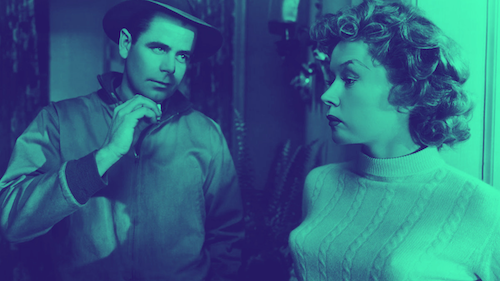
I cannot criticize Lang for trying his best to bring one of the great classic French crime pictures — Renoir's La Bete humaine — to a new audience (and, in return, the writings of Emile Zola). However, Human Desire simply doesn't compare to the aforementioned works. It feels too boiled down, undangerous, and — ironically for Lang — safe compared to its source material(s). With a wooden performance by star Glenn Ford, a watered down version of a familiar story, and all rough edges varnished so we don't hurt ourselves, Human Desire just isn't as alluring or moving as it should be; at least it is slightly captivating until you realize that the film doesn't really go anywhere.
28. Liliom
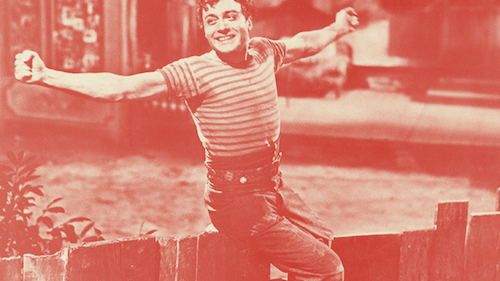
The lone film Lang made in France after fleeing Germany, Liliom, was apparently his favourite project that he ever worked on. I'm not entirely sure why, when he has made genre-bending works that succeed far more than this fantasy drama about a carnie and his romantic life. I suppose that Lang tries to blur the lines between reality and the phantasmic here, but I don't feel as much of a spark or sense of curiosity as I would expect to here; Liliom is very much a face-value fantasy when that should never be the case with the genre (you must be invited to explore or question whenever plot points defy normalcy).

27. Clash by Night
Picture this: Lang directing a film noir starring Barbara Stanwyck and Marilyn Monroe. This is no dream, but, unfortunately, Clash by Night's description is a little bit better than the end result (a romantic drama full of toxic men, a slightly frustrating love triangle, and by-the-book revelations). You'll still find strong performances at the forefront, but when there is promise of such intrigue, exploration, and passion waiting to burst through the ceiling, not feeling these sensations can feel a little anti-climactic; Clash by Night feels far more typical than it should.

26. The Blue Gardenia
One of Lang's entries in his "newspaper noir" series of the fifties (including Beyond a Reasonable Doubt and While the City Sleeps, The Blue Gardenia is a strange call-and-response between a telephone operator and her past and present; after a foggy experience the night before, our protagonist now wakes up to the news of the murder of the man she just spent time with. Lang does a decent job at keeping us guessing about the story's particulates, and I felt hooked from the jump. However, some films are constructed for the sake — and at the mercy — of conclusionary twists, and The Blue Gardenia happens to be one of them: what could have been a harrowing mystery instead becomes a portfolio of revelations that never hits as hard on any subsequent viewings.
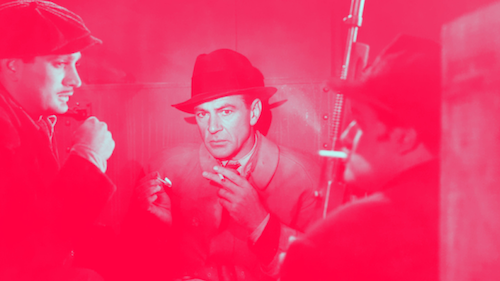
25. Cloak and Dagger
While a spy film (which was one of Lang's many wheelhouses), Cloak and Dagger is a mostly-good-yet-flawed war picture. You have many of Lang's signature tropes, including psychological artistry and commentary on the evil capabilities of people. However, Cloak and Dagger is also the byproduct of butting heads: Lang and producer Milton Sperling. The end result is a bit of a muddled and confused affair: a work torn between being a fiery statement and a typical Hollywood hurrah. I still like this film for the most part but can acknowledge that it feels incomplete or not properly ironed out, so maybe leave this film for later on in your Lang binge-watching sessions.

24. Man Hunt
After Lang fled Germany and its rise in Nazism, he dabbled in a few staunchly anti-Nazi pictures. One such case is Man Hunt: a 1941 political thriller that takes things a little literally (in terms of Lang displaying how he was feeling at this point in time). Following a game hunter who literally has the opportunity to "capture" Adolf Hitler, only to be caught himself, tortured, and questioned by Nazi agents, Man Hunt feels like a blatant allegory of what happened to Lang — an artist who dared to not comply with the requests and demands of the Nazi party and had to emigrate elsewhere in order to not be tormented. I think Man Hunt as a film is pretty good, but it is Lang's use of the filmic medium to get some grievances off his chest that makes it all the more entertaining and powerful.
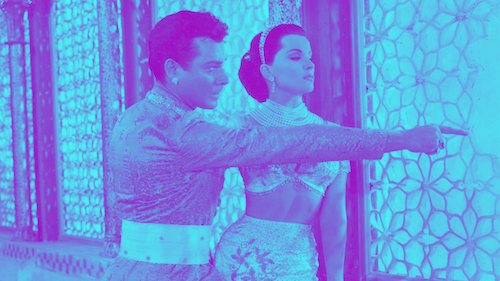
23. The Indian Tomb
Towards the end of his career, Lang directed two films based on The Indian Tomb (which his ex-wife Thea con Harbou wrote); considering how these are treated as a pair of separate films as opposed to two parts of the same whole, I won't be combining the films as one (like I have for other similar Lang projects). The slightly-weaker of the two works is the more directly-titled The Indian Tomb: a continuation of The Tiger of Eschnapur. While as fun as the first half, it's hard not to feel as though The Indian Tomb drags on just a teensy bit, seeing as the film is often treated as the added story (and not much else); I suppose we at least get that infamous snake dance scene with Debra Paget.

22. The Tiger of Eschnapur
The barely-better first half of Lang's late-career Indian duology, The Tiger of Eschnapur, is a bit of a breath of fresh air; when a filmmaker indulges in dark and pessimistic cinema for so long, it's nice to see them let loose, have fun, and indulge in the excursions of the adventure genre. The Tiger of Eschnapur feels like a film that was made by Lang's hunger for something new. Sure, the film may get a little carried away with itself (if the existence of The Indian Tomb — a means of prolonging the story even more — is any indication), but at least it makes me feel a bit like a child again; it reminds me a bit of what Steven Spielberg heavily accomplished with Raiders of the Lost Ark — the quest to bring wonder and discovery back to the big screen (Lang partially succeeds here).
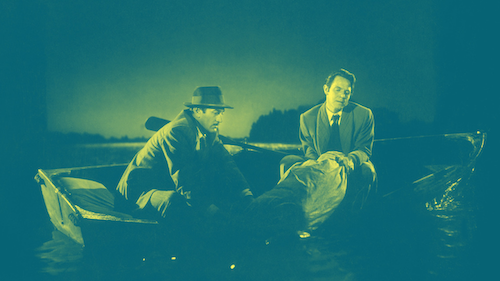
21. House by the River
Sometimes, truth is stranger than fiction. In the case of Lang's House by the River, the auteur cleverly places us in the midst of a writer who gets caught up in the plot points of his own life to the point of no return. After ghastly crimes take place, we are now trailing a man who learns that it isn't so simple to tie up loose ends in the real world. Lang leans into his melodramatic side here (which goes hand-in-hand with the director's propensity for artistic inclination) to deliver a film that almost feels absurdly grim; House by the River is an exciting experiment at least, if not a solid caper.

20. Rancho Notorious
Even though Lang wasn't particularly known for his westerns (and, as I said some films below, Lang wasn't the master of them), he proved that he could make a good and unique-enough one in the form of Rancho Notorious. Starring the likes of Marlene Dietrich and Mel Ferrer, Rancho Notorious is quite a tense western about intrinsic sin, the misdeeds that must be done in order to get by, and the barren wasteland of the wild west proving to be the ultimate weight of guilt. Lang doesn't quite hit the nail on the head of what he is trying to do, but he is still years ahead of the western directors who sought to make the genre grittier, messier, and more conflicted; Lang's efforts to mesh crime and western cinema together here is worth checking out, especially in these infant stages.
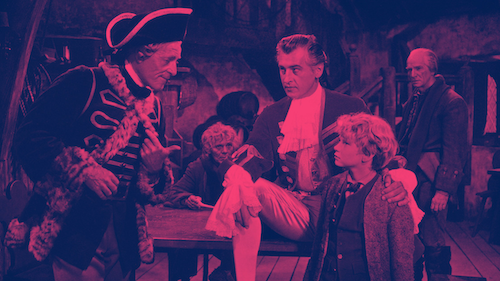
19. Moonfleet
One of the Lang films that performed poorly upon its release that one can admire significantly more now is Moonfleet: a colourful swashbuckling romp. One of the ways it succeeds in my eyes is Lang's ability to turn a whimsical, child-like story into something mature and severe so that all walks of life can feel the sense of adventure and intensity (but in different ways). Turning J. Meade Falkner's novel of the same name into a CinemaScope-sized epic (and a brisk one at that, at just ninety minutes in length) makes for an all-killer, no-filler exercise. Lang has more masterful films, but Moonfleet is certainly an underrated one for him.
18. The Thousand Eyes of Dr. Mabuse
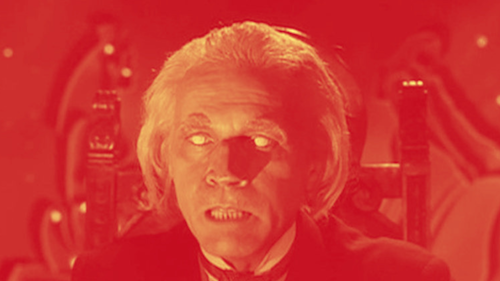
Lang's final film, released in 1960, was shown after his Indian duology (where he was seeking new ground to cover); here, he returns to his ways of old with The Thousand Eyes of Dr. Mabuse. The weakest of his iconic series (although still a worthwhile entry), The Thousand Eyes of Dr. Mabuse does more than reunite us with his interpretation of Norbert Jacques' Dr. Mabuse: it reconnects us with Lang's obsession with mind-melting effects, twists, and concepts. It's a bit overlong and indebted to the other films in this series, but it is nice seeing Lang ending his career just as he started it: by seeing how far he could take himself — and how outside of our comfort zones we can be.
17. Ministry of Fear
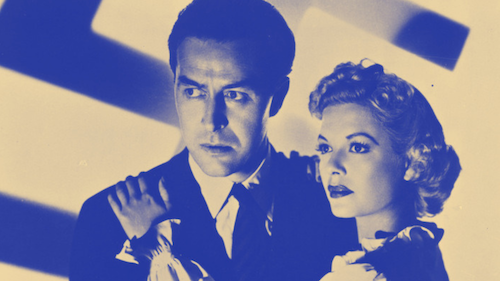
Towards the end of World War II, Lang was beyond the point of return regarding his ferociously anti-Nazi viewpoints, and Ministry of Fear was only going to push him further past that boundary. An espionage thriller involving a rehabilitated man who accidentally winds up in a spy ring (oh, and there is a major plot point involving cake, of all things), Ministry of Fear is a fascinating take on political persistence: which side is going to give way first in this deadly, diabolical game of intellectual chicken? Ministry of Fear is quite the calculated film in the sense that Lang was bursting at the seams with rage, and yet he maintains his composure while deftly crafting this cinematic labyrinth.
16. Beyond a Reasonable Doubt
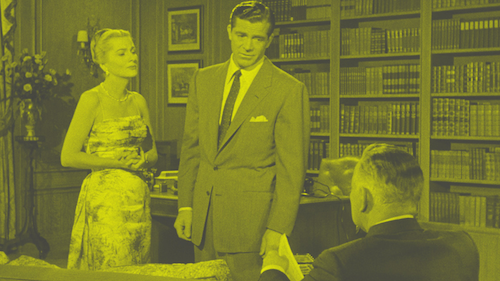
Lang didn't just flirt with danger for the most part: he succumbed to it. Seeing the occasional moments when he would have to play ball with the studio system can be a little disappointing, and this is where Beyond a Reasonable Doubt enters the picture. His last Hollywood picture, Lang's journalist thriller could have been a major wallop of discovery, revelation, and evidence — mainly detailing how frequently the average person is deceived. However, there was clearly some industry pull or the threat of the Hays Code that softens Beyond a Reasonable Doubt just a little bit: enough to lose the edge that it demands. This is still a great thriller, but — had it been released even just a decade later — it could have been a noir classic.

15. Hangmen Also Die!
Still hot off of his tirade against Nazi Germany, Lang's Hangmen Also Die! (with such a dramatic title to boot) is a clear declaration by the Austrian auteur: evil people will get what they deserve. This is another example of Lang being ahead of his time but also — occasionally — of his time; with a film that kicks off riveting and daring, Lang eventually settles down a little bit with a picture that compromises itself to the upper hand of convention in its final act. I don't suppose that Lang could have gone all-in into darkness back in 1943, but he comes close enough that a film like Hangmen Also Die! still feels quite heavy for its time; I'd still give it a watch if I were you.
14. While the City Sleeps
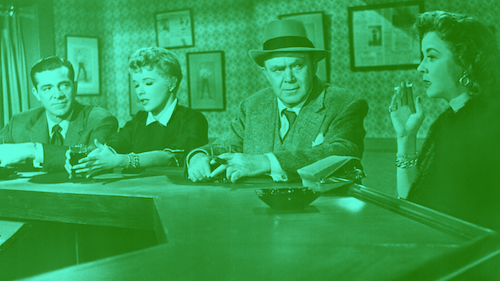
Films that are considered prototypes of the slasher genre include Michael Powell's Peeping Tom and Alfred Hitchcock's Psycho, but an underrated consideration of such a picture is Lang's While the City Sleeps: a caper about a serial killer and the people who get caught up in the hysteria of mass media in an effort to try and find this monster. While film noir was dissipating, Lang — like he always did — sought out ways to find untapped substance within tired styles and genres. The end result is a prescient picture about delirium and madness (in the form of personal psychosis or the pursuit of the psychotic). One of Lang's better late-career titles, While the City Sleeps was a sign that Lang still had the brilliance he once boasted (he just needed the right project).
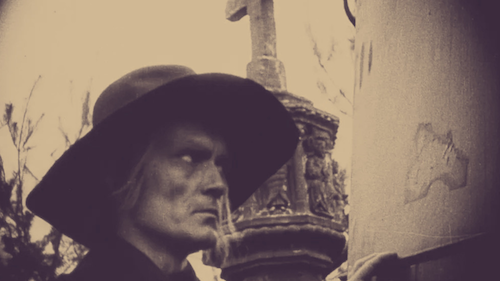
13. Destiny
Of the films that exist and have not been lost, I would consider 1921's Destiny the pivotal moment when Lang went from a budding brainstormer to the next visionary. An allegorical picture featuring Death itself, this is a sneakily disguised anthology film that incorporates the peculiarities and mortalities of human beings into a flowing novel of intrigue. During the German Expressionist movement, many were trying to figure out how to create new ideas via artistic means; Lang opted to stare into darkness and conjure up how a conversation with Death would operate — would it be out of trepidation or acceptance?
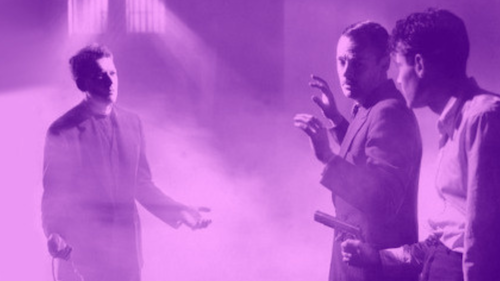
12. You Only Live Once
We have reached the essential films of Lang's career, and there are quite a few slam dunks to enjoy. You get tied to sin and crime once, and you will be paying for it for the rest of your life. Lang's You Only Live Once is a pummeling depiction of karmic kineticism (and the inability to escape one's demons). Inspired by the escapades and doom of real-life outlaws Bonnie and Clyde, You Only Live Once yanks us by the seat of our pants. Considered too bleak for its time (what else would be new for Lang, though), You Only Live Once did not perform well at the box office. Years later, we can appreciate the grit and boldness far more — despite the fatalistic outcomes in this picture, the growing legacy of the underrated You Only Live Once proves that there is always such a thing as a second chance.
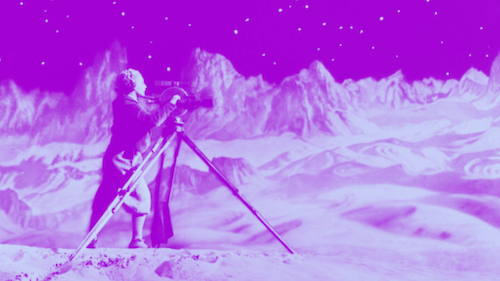
11. Woman in the Moon
The early days of cinema saw cinematic artists who were dreamers and filmic illusionists, doing whatever it took to make fiction come to life. There's Georges Melies with his iconic short film, 1902's A Trip to the Moon: a picture rife with vision and imagination. Leap over twenty years later, and you have Lang's Woman in the Moon — this tells a drastically different story surrounding similar conquests. Working with his then-wife and screenwriter, Thea von Harbou, Woman in the Moon is far more technical than most science fiction films before it: it logistically constructs the capabilities of astral travel, rocket ships, and the possibilities of landing on the Moon. This is an exquisite and gorgeous film about defying the odds, finding what humbles and humanizes us, and daring to go further than ever before (in both of the forms of venturing into space, and depicting how that would look in cinematic form).
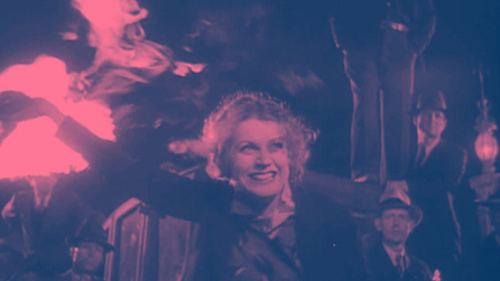
10. Fury
You know that Lang's top ten films are quite something if a film like Fury just barely makes the cut. This rage-driven crime film is both a proponent of cinematic violence and a brutal statement against the organized gangs of America; you can naturally only pull off both mentalities with the likes of Spencer Tracy at the forefront. Following a man who is wrongfully accused of crimes he did not commit, Fury is an unwelcome invitation into the criminal underworld just after the Pre-Code era was killed for good: that doesn't stop Lang from projecting the absolute worst in people onto an unsuspecting landscape. Our protagonist spends a majority of the film trying to correct his life and the wrongful judgement towards him (that almost costs him his life). Evil lurks around us, and damnation resides within us.
9. Spies
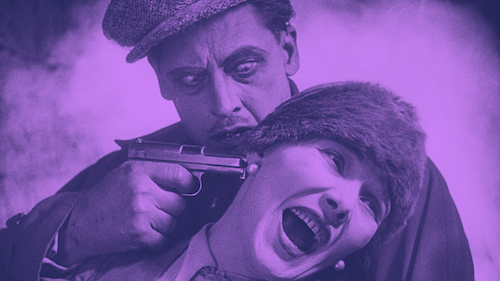
Depictions of spies before keystone films like, well, Lang's Spies, were drastically different: stylish, creative depictions of deception. With a film like Spies, Lang dares to accomplish the impossible. He starts things off typically: behind a genius who somehow defies our understanding of how the world can operate. However, he then humanizes everything with a central romance that becomes the focal point of the film — one involving opposing spies. By adding personal and romantic elements into a then-typically ambiguous, mysterious, and shrouded genre, Lang ups the stakes; the danger and suspense rings far more true when we know more about the critters in this cat-and-mouse game. A film like Spies proved what could come from the genre, and there was no looking back since.

8. The Woman in the Window
While not the very first film noir, The Woman in the Window is the preliminary instance of the term coming to be (and the motion picture that pushed viewers to analyze and compartmentalize this burgeoning style the most at the time). This tale of a caustic romance — one where an innocent man winds up being attached to the permanent stench of crime — set a precedent for decades to come: what do the darkest pits of despair and depravity look like on celluloid? Yes, The Woman in the Window has aged a teensy bit due to its polarizing ending (and Lang himself has bested his expertise for noir cinema), but the immediate impact of The Woman in the Window is undeniable, and its longevity (for the most part) proves that this classic is just as mesmerizing as it ever was.
7. The Testament of Dr. Mabuse
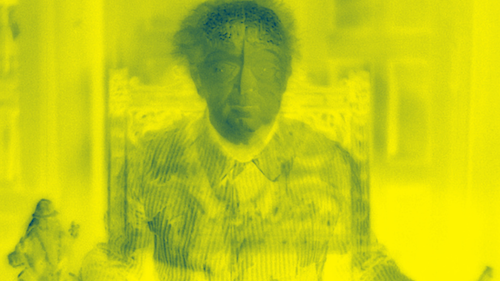
Once Lang was working with sound pictures, it only made sense that he revisited his breakthrough film/films, Dr. Mabuse, the Gambler. This follow-up, The Testament of Dr. Mabuse, is far more than a sequel: it is a reinterpretation. Lang — who famously opposed working for the Nazi government and Germany's film industry from a certain point on — wanted to create a metaphor of Adolf Hitler and his tyrannical uprising in this hypnotic crime film; he succeeds almost too triumphantly. Stemming from the original Dr. Mabuse, Lang continues his thoughts on the brainwashing ways of corruption, the multifaceted ways of sin, and the endless repercussions of evil; we also get a killer film out of it (in more ways than one).
6. The Big Heat
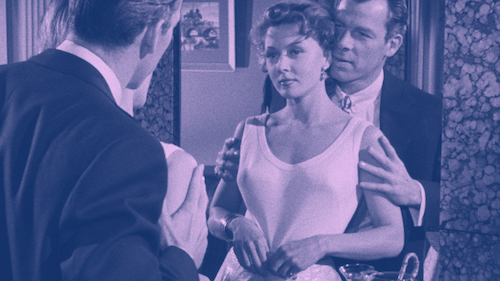
Is the only way to cleanse a city of crime to play ball? Lang's crime classic, The Big Heat, sees a gruff detective who no longer wants to abide by his force's code — being the good guy is no longer working, and our protagonist is now broken beyond repair. Likely in response to the stifling ways of the Hays Code, Lang's The Big Heat is relentlessly vicious (as much as it can be); if I was a little harsh on other Lang films that surrendered to the expectations of Hollywood, it's because a film like The Big Heat exists. Being saintly cannot be the sole method to eliminate evil in this world, according to Lang and his vicious picture; however, Lang leaves it to us to also answer if what transpires was worthwhile or futile. What I do know is that the existence of sin will generate additional sin, and The Big Heat is a lit pot waiting to boil over for its entire run time.
5. Dr. Mabuse, the Gambler
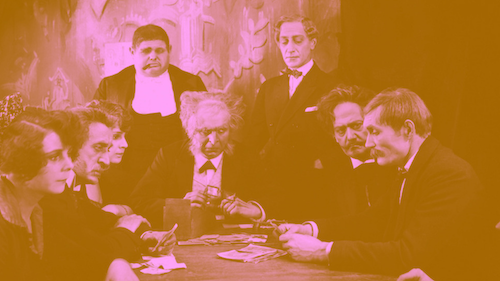
For two of the next entries, I have combined both two-parters into one selection each (more on the second example in the third spot). The first such instance is Lang's breakout film (or films) Dr. Mabuse, the Gambler. Consisting of both parts (The Great Gambler and Inferno), this four-and-a-half hour affair introduces us to Lang's iconic depiction of Norbert Jacques' literary fiend on the big screen in 1922. Mabuse's shtick is that he is able to hypnotize whomever he pleases; Lang acts accordingly with a film that somehow captivates you for its entire runtime. Decades before superhero films could even exist, the blue (or black) print of such a grimy, distraught underworld came to life in Lang's epitomic depiction of villainy: this extensive experiment in what makes a criminal's mind tick, and what is the catalyst for getting evil to be carried out.
4. Scarlet Street
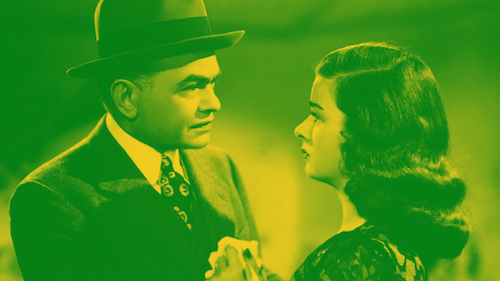
Is there space for proper romance in the film noir style? Many have asked before and after Lang's masterful Scarlet Street, but this is one glorious attempt at asking once again. With a cast led by Edward G. Robinson (who is always a promising heavy-hitter), this elaborate ploy to rob a man blind (of assets he doesn't even possess), this cursed love triangle obfuscates the already complicated scenario furthermore. Lang leans so heavily into the double-edged swords of hidden motives that there is no proper place to stand and feel comfortable on this Scarlet Street; forget about walking on eggshells. So, can love exist in a film like Scarlet Street? It can, but it will always come with devastation.
3. Die Nibelungen
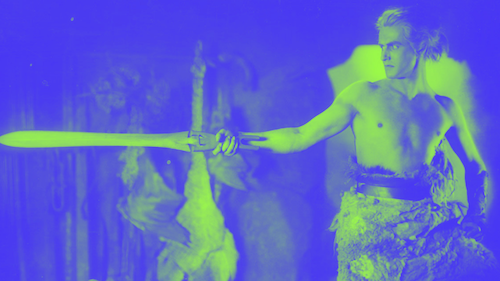
The second subsequent entry where I will combine two films into one is the glorious two-parter, Die Nibelungen (consisting of Siegried and Kriemhild's Revenge). Based on the epic poem of the similar name (Nibelungelied), this five-hour behemoth of silent cinema is an elaborate journey and mission; we first follow Siegried all the way to the hand of his lover in an effort to ask her to marry him. The bittersweet journey is encapsulated into one part; part two is as brilliant as epilogues (if you can call this one, anyway) get in cinematic history. This vehement fantasy epic sees true love overflowing on the screen — be these devotions in the form of sacrifice or revenge. Die Nibelungen — in two separate parts or as one massive whole — is nothing short of exceptional.
2. M
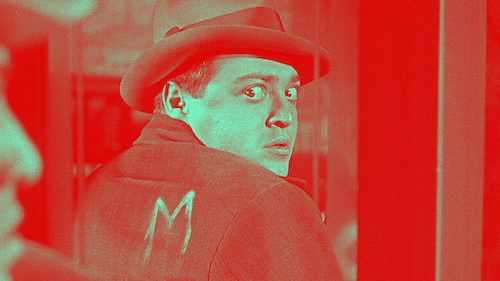
Even though Lang made the greatest silent film of all time (more on that shortly), he was one of the first auteurs to nail their foray into talking pictures. Do I need to say any more than M? While America was going as far as they could in the Pre-Code era, Lang takes us straight to hell in his crime masterpiece. Starring a then-unknown Peter Lorre who remains one of the evilest people in cinematic history (and yet Lang somehow makes us understand the psychological struggle this menace suffers), M is borderline unspeakable (ironic, given that it is an early sound film). We see a serial killer slaughter children one by one; Lang uses the limited capabilities of audio recording to ensure that the chilling motif of a psycho's whistled melody would haunt us for the rest of our lives. While also a courtroom drama when it precisely needs to be one, M is most daring when it forces us to answer the toughest question: how do we deal with someone who cannot stop killing?

1. Metropolis
It seems obvious that Metropolis would be placed at the top of this list: it is the greatest silent film ever made, in my opinion (so, naturally, it would most likely be Lang's masterpiece as well). However, when you consider the entirety of Lang's career, how obvious is this placement really? How often did Lang indulge in science-fiction filmmaking outside of a couple of instances? Only a couple of times. And yet, here it stands: a magnum opus that revolutionized an entire genre and the extent of the cinematic medium. What was once one of the most expensive films ever made, Metropolis was the passion project of passion projects: a gargantuan undertaking to depict a society in peril. While a majority of Lang's films deal with crime, Metropolis does so in a vastly different way: the means of the privileged and how they exploit the impoverished below them. What may have looked too on-the-nose (a literal paradise hovering above a muddy, disheveled world of the working class below) is now too accurate: once the middle class was obliterated, Metropolis became prophetic.
This blend of heaven versus hell is one of the most influential worlds in film history: one that set the stage (almost literally) for borderline every science fiction film to be produced afterward (what can a futuristic dystopia look like, and how can its euphoric counterpart be resembled). Amidst all of its ambitions — its gigantic sets, its multitudes of events, and its overwhelming effects — is a humble story: one of a person (and their civilization) just hoping to be taken seriously. There is the conversation of the two hands needing to meet in order to shake, the bridge between the mind and the heart (heart is literally depicted via a machine that runs the heart of the city), and the lower class being heard once and for all. In this genius world, Lang projects a mission to bring order to society, and things seem so simple (almost too simple); if Lang was guilty of the Hollywood ending, it was here — yet it was for our betterment (the roaring twenties were not prepared for the dismal revelations to come).
With death, hypnosis, and an android that will steal hearts and minds (including yours), Metropolis blends sociopolitical grievances with fantasy, science fiction, and the occult. The end result is a film that dared to dream when the world told us many times before and since that art contributes nothing to civilization; I, and Lang, would beg to differ. Metropolis is such a brilliant film that it is borderline untouchable even in its fragmented parts. Watching its then-fullest two-hour version as an undergrad student was an eye-opening experience for me; being able to see an extra half-hour more years later felt like I was falling in love with the film all over again. Even then, Metropolis as it once was remains lost; the cut we have now is complete enough to — again — remain the greatest silent film ever made (would seeing the full version potentially kill us? Is it too godly?). Fritz Lang was always trying out new things and hoping to go places where neither he, society, or cinema dared. Once we all visited Metropolis, there was no going back; cinema, pop culture, and the philosophical zeitgeist of contemporaneous history were forever shifted.


Andreas Babiolakis has a Masters degree in Film and Photography Preservation and Collections Management from Toronto Metropolitan University, as well as a Bachelors degree in Cinema Studies from York University. His favourite times of year are the Criterion Collection flash sales and the annual Toronto International Film Festival.