
Filmography Worship: Ranking Every George Cukor Film
Written by Andreas Babiolakis
Filmography Worship is a series where we review every single feature of filmmakers that have made our Wall of Directors

One of the most important figures in the history of Hollywood is George Dewey Cukor, born July 7th, 1899. Outside of missing the silent era, I cannot think of another director who not only worked during the most pivotal shifts in Hollywood but also was a mainstay in most of them. Excluding the New Hollywood Movement and the dawn of the Hollywood blockbuster of the seventies and eighties (even though he was still working during these decades), Cukor was a major force in most of Hollywood's other eras. He was there for the rise of talking pictures, had a few noteworthy pre-Code cuts, circumnavigated the highly-censored era of the industry under the Hays Code, worked through the Golden Age of Hollywood, and released some of its greatest examples, and lived and worked long enough to see the days of the aforementioned shifts.
When Cukor was a child, he was interested in both dance and theatre. He met David O. Selznick — also a kid at the time — during one of his recitals, and they would be friends for the majority of their lives; Selznick would famously go on to become one of the biggest producers of all time. When Cukor was a young adult, he started out as an assistant stage manager before being promoted to the lead manager. During the late twenties, Hollywood was switching over from silent to sound films, and New York theatre talent were scouted during this shift over; Cukor found himself undertaking an apprenticeship under Paramount Pictures, working on a number of pictures and co-directing a few efforts before releasing his solo directorial debut, Tarnished Lady, in 1931.
From early on, Cukor was known for creating environments that produced some of the best performances of their time from both men and women; it is also worth noting that he was particularly great at spotlighting female thespians and pin pointing major future megastars from early on, including frequent collaborator Katharine Hepburn (even when she was considered box office poison) and Ingrid Bergman. In the late thirties, Cukor was to work on his biggest film: Gone With the Wind (a Selznick production). After a number of frustrations (from Cukor's disapproval of the screenplay, to his slow — by the standards of the time — directorial process), Cukor was dismissed. Another reason that is uncertain is Cukor being unable to work with star Clark Gable (despite them having worked together on Manhattan Melodrama in 1934); some accounts state that the two men didn't have any reservations with one another, while others accuse Gable of being homophobic (which has also been suggested during his time working with Charles Laughton on Mutiny on the Bounty some years prior).
While that unfortunate claim is not certain, it is true that Cukor was one of the first prominent gay filmmakers; while he was never fully open about it (since it was still seen as taboo in a bigoted America), it was no secret, and Cukor was a major force of the gay subculture of his time (from how he carried himself, to how he lived). Furthermore, he only strengthened his status as one of the greatest male directors to work with women; when Gone With the Wind didn't work out, he instead made, naturally, The Women (with a superstar cast including Joan Crawford, Rosalind Russell, and Norma Shearer). When World War II broke out, Cukor enlisted in the United States Army Signal Corps but found himself stuck with zero opportunities to get promoted or grow; Cukor has always insisted that he was being slighted by his homophobic superiors. Cukor returned to Hollywood and kept himself busy with a slew of pictures. Deep into his career in 1964, Cukor would finally win Best Director and Best Picture in a way that feels full circle: with an adaptation of the Broadway musical, My Fair Lady. Here is a film that showcased his love of both film and theatre, resulting in one of the great musicals of all time. Cukor worked right up until his death, passing away from a heart attack at the age of eighty-three in 1983.
Cukor was able to do it all — from musicals and screwball comedies, to stirring dramas and adventure pictures. Cukor got the most out of a number of high profile stars (who you will see below). You will find that he was able to do it all — but not always. He has over fifty films for us to get through today, and — while I highly recommend quite a few of them — his entire career was hit or miss with his output; for every A Star Is Born, you will get, well, some of the films at the bottom of this list. Even so, Cukor has a handful of films from varying genres that are sensational, and his highs are incredibly high. When I think of the early days of Hollywood, Cukor's successes might stick out the most to me; he embodied what the industry was at its best, and what it could be during its formative years. Here are the films of George Cukor ranked from worst to best.
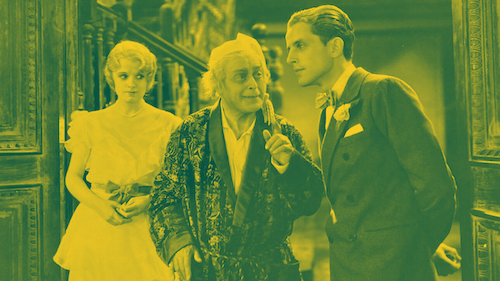
51. Grumpy
A co-directed effort with Cyril Gardner, neither he or Cukor could make Grumpy a likeable film. An early talkie that wasn't exactly the bastion of great sound design early on, Grumpy is even more annoying because of its awful characters (especially its lead character, the titular jerk) and its hyperbolic nature; this felt more like a weekend in the loony bin than it did a "comedy."
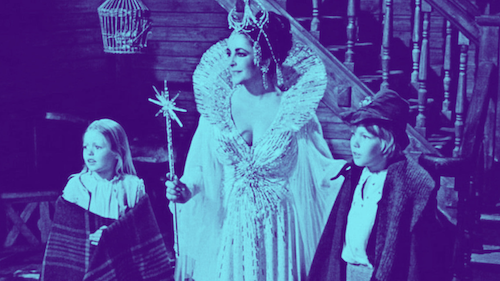
50. The Blue Bird
From one of Cukor's earliest to one of his last. We have The Blue Bird: a rare fantasy film by the director that doesn't work nearly as well as I would have liked it to. The zany imagination feels like it is geared towards kids, but the tone feels more like this is meant for an adult audience who want to relive their childhoods; who on Earth is this messy film for? I think the idea of Cukor handling such creative films is interesting, but The Blue Bird does not work.

49. Rockabye
One of Cukor's pre-Code efforts, Rockabye is supposed to be interesting with its narrative about a struggling actress and her conflicting past and present. What we get instead is a poorly written, clunky, humdrum film that feels equally all over the place yet boring at the same time. There are far stronger pre-Code films about complicated people than this one.
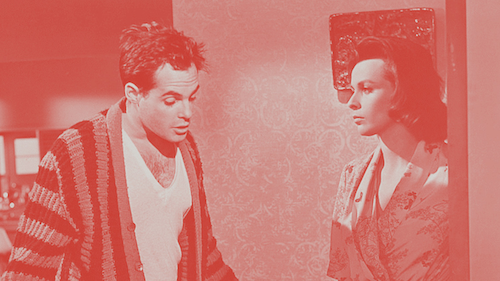
48. The Chapman Report
You know how Cukor is a champion of female stories and characters? How you will see this point reflected time and time again on this list? Well, The Chapman Report is a rare instance where a Cukor film feels deeply problematic and misogynistic. Blame Cukor or maybe the four screenwriters, but this tale of a psychologist and how he can shape four different women is tone deaf, overlong, and simply not a good film even fundamentally.

47. Susan and God
I think Joan Crawford is a terrific actor. However, one of the times that I have been confused by her choices in performance and in project — and I guess I can toss Cukor's name here as well — is with the born-again dramedy Susan and God: a film where every character is abysmal, accents will cut through your ears like razor wire, and the film has the semblance of a drunken man's ten-hour rant (also, Susan and God feels way too long at two hours). Fortunately, you have many other Crawford films (and Cukor films) to view instead of this unholy mess.
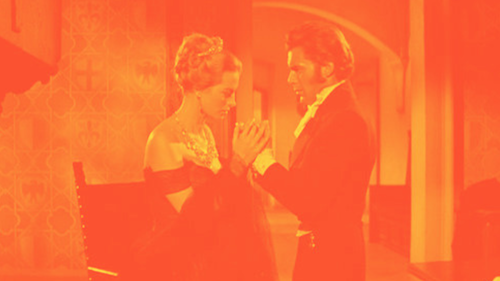
46. Song Without End
Do you want to learn more about Hungarian composer and pianist Franz Lizst? Do you want to watch a romantic drama about the icon that is directed by Cukor and Charles Vidor, is incredibly cheesy, boring, and two-and-a-half hours long? Me neither. Here we are with Song Without End: a prophecy, if you will, of how mundane and stale biopics in the future could — and would — become.
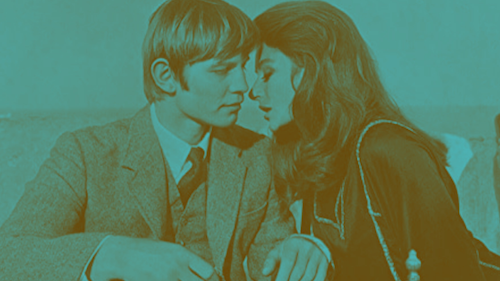
45. Justine
Maybe Cukor was trying to see what he could do late in his career and after his Oscar-winning successes with My Fair Lady, but Justine just feels overly complicated, disjointed, and kind of batshit insane. This doesn't really nestle in with the daring moves of the New Hollywood movement, nor does it feel like a film of Cukor's past. It's kind of stuck in the middle as a hodgepodge of bold concepts and traditional theory. This one feels inexplicably strange, and not in a positive way.
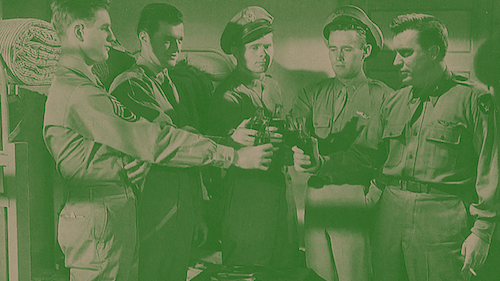
44. Winged Victory
The year was 1944, and many directors were working on their cinematic answers to World War II (or war films in general). Cukor's entry, Winged Victory, is far from being one of the finer examples. This film is surprisingly rah-rah-macho for Cukor in the kind of way that many Hollywood male moguls would have been in a stereotypical way, and it is monotonous, overlong, kitschy, and a slog. There are many war films that depicted the horrors and traumas of the previous number of years when Winged Victory came out; Cukor's film, on the other hand, feels like an over generalization to the point of feeling almost insulting.
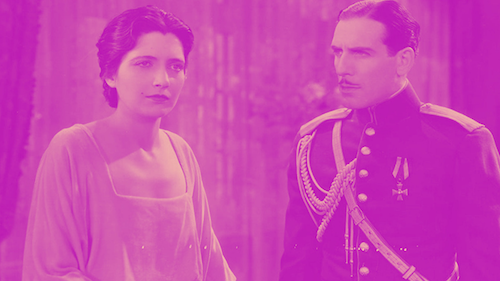
43. The Virtuous Sin
One of Cukor's earliest films (this is a co-directed feature by Louis J. Gasnier), The Virtuous Sin is intended to be a stirring look at the lengths people will go when they are in love and the sacrifices they make to support those closest to them. However, this film is just too sophomoric on a technical level (it was the early days of talkies, after all) and shoddy in execution that I could not connect with it one bit, even with the likeable Kay Francis at the forefront.
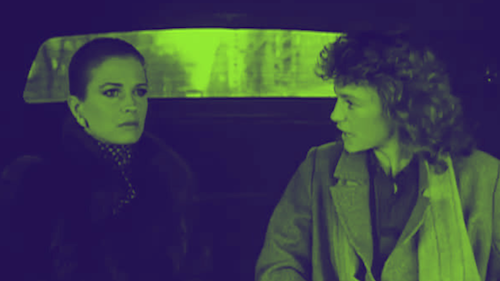
42. Rich and Famous
Cukor's final film is not as satisfactory as it could have been, after fifty films and fifty years of game-changing work. Rich and Famous is indicative of the softened, melodramatic, stagey stuff that was being slopped out of Hollywood and television by the eighties; what is meant to be a dichotomy between capitalism and creativity (in the form of two dueling writers) instead feels like a win for neither side, via a film that isn't inspired nor is it a major money maker. It resides somewhere in the middle, being bland to most.
41. The Royal Family of Broadway
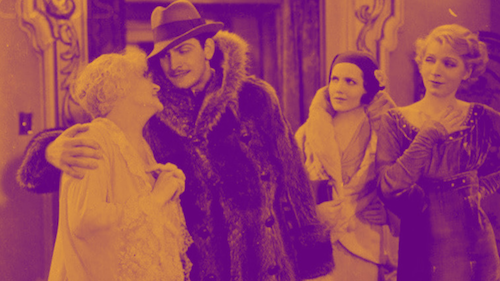
Another 1930 Cukor effort where he joins another filmmaker (it's Cyril Gardner again), and another project where no one could figure out how to transition into the sound picture era smoothly. The Royal Family of Broadway is far too shaky and bothersome with its filmmaking techniques to be enjoyable in most ways (but at least we have Fredric March to save the day... sort of).
40. Zaza
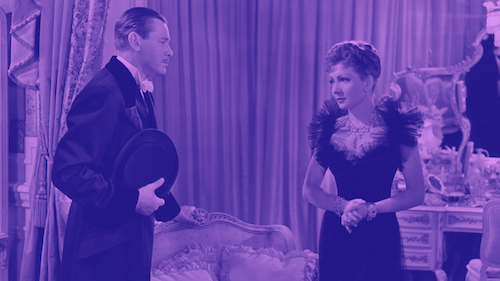
Claudette Colbert was a big deal after winning Best Actress in Frank Capra's It Happened One Night in 1934. She is a major reason why one should watch Zaza, released five years later. In fact, she may as well be one of the only reasons. Cukor's version (when there is a perfectly good version with Gloria Swanson that we have at home) feels lukewarm and somewhat lifeless, outside of Colbert killing it (like she always does, mind you). The film somehow feels endless even at eighty minutes; it is frankly just too lethargic and unentertaining for the most part.
39. Her Cardboard Lover
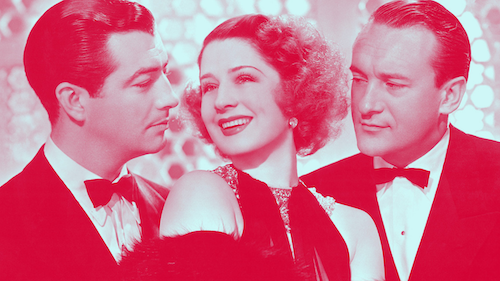
What feels like a pre-Code film released a decade too late, Her Cardboard Lover is as flimsy as it sounds: featuring a bit of a baffling love triangle between Norma Shearer (in her last role), George Sanders, and Robert Taylor, this romantic comedy is neither passionate or funny, and I feel like much of what Cukor would have wanted to depict here simply could not exist thanks to the Hollywood Code. The end result is a lame duck.
38. Romeo and Juliet
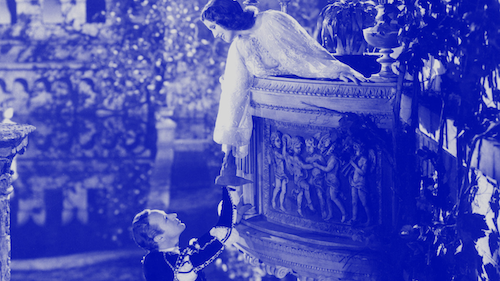
We are fortunate to have been blessed with many versions of William Shakespeare's Romeo and Juliet in filmic form in this day and age. However, back in the thirties, there weren't enough, and I suppose Cukor's version would have sufficed (it was nominated for Best Picture at the Academy Awards). By today's standards, however, this version just feels slightly off — from actors who clearly have mortgages to pay playing the roles of teenagers, to a very by-the-play rendition that doesn't feel enriched or imaginative. This version is decent, but I don't suppose you'd be settling for a decent Cukor film or Romeo and Juliet adaptation if you have dozen stronger examples of each to pick from.
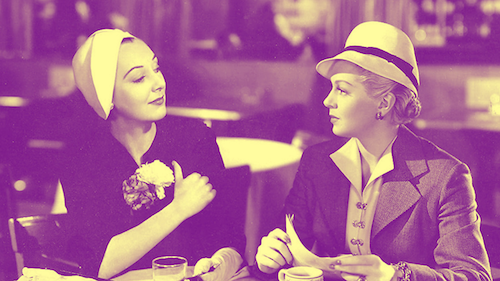
37. A Life of Her Own
If you like the idea of watching Lana Turner thrive, then A Life of Her Own is your kind of motion picture. I will say that I wish this film was better; it shows much promise in its first half that kind of dissolves when Cukor and company lose sight of what they had, all in favour of caving to what is expected of such a drama; what could have been inspired and fresh instead feels forgettable, save for some of its performances (Ann Dvorak and Ray Milland included).
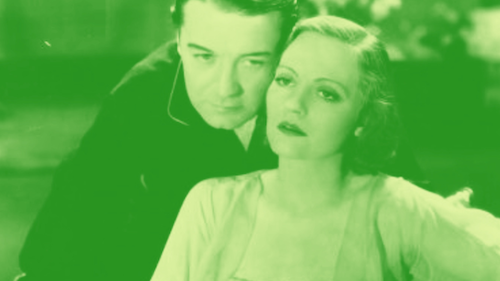
36. Tarnished Lady
Finally, in 1931, it was time for Cukor to shine on his own as a solo director, and Tarnished Lady was that opportunity: a pre-Code drama about fall from grace via a once-successful socialite (played by Tallulah Bankhead). Unfortunately, Cukor was still figuring himself out as a compelling storyteller, because Tarnished Lady is still quite drab and boring. It also doesn't help that the only surviving copy is in awful condition, and any viewable method feels next to impossible to enjoy or digest (I still believe, from what I can tell, that this is a bit of a chore of a film regardless, but at least we can see it).
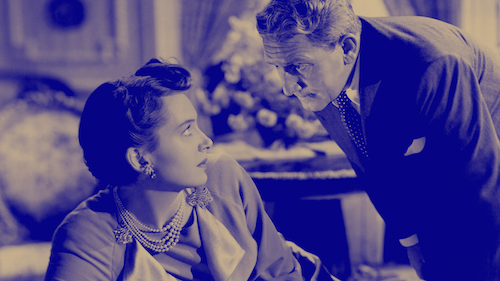
35. Edward, My Son
You have all of the ingredients for a rather solid drama found within Cukor's Edward, My Son, but we never get that fully-balanced meal that you crave. Who wouldn't want to see stars Spencer Tracy and Deborah Kerr going toe-to-toe in a film about toxic marriages and tragedy? Well, me, when the end result is a fairly disappointing film that goes around in circles, there is hardly any redeeming qualities in its story and themes, and — despite being two-hours in length — all of Edward, My Son's pivotal points feel paper thin and barely maintained.
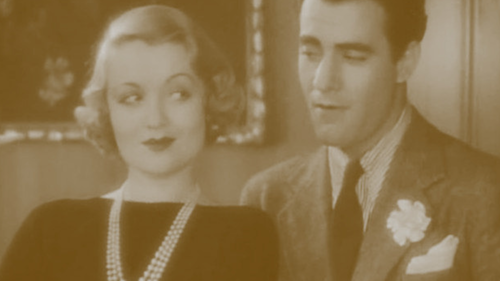
34. Our Betters
Cukor was still testing the waters with what could pass the looming threats of censorship in Hollywood with the rom-com Our Betters via its cat-and-mouse romantic plots (who is getting with who, et cetera). What may have passed as interesting or daring back in 1933 feels a little typical and thin by today's standards (I'd argue that Cukor attempts to accomplish quite a bit in eighty minutes, but I don't think Our Betters is as substantial, fleshed-out, or memorable as he may have liked in this lean runtime).
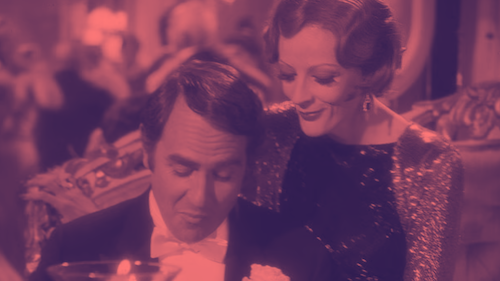
33. Travels with My Aunt
When New Hollywood was in its prime, Cukor released Travels with My Aunt — an apparent callback to the ways of old via a traditional comedy of yesteryear. Despite its well-produced costumes and sets, this is a film that looks grand and feels bland. Not many of its jokes elicit laughs, and any of its more serious tones feel stretched thin to the point of barely mattering. There isn't much to say here that is positive, outside of being happy that Cukor was still making pictures this many years into his career, even if they are Travels with My Aunt.
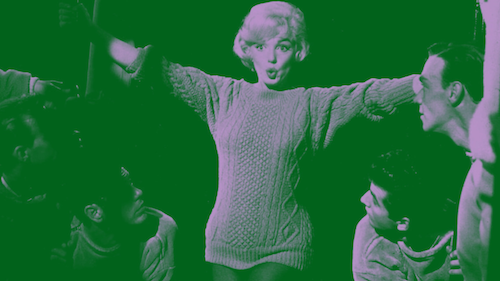
32. Let’s Make Love
You would think that Marilyn Monroe in a Cukor romantic comedy would be a recipe for success, but Let's Make Love is rather uninspired. She is treated like a bit of a cookie-cutter object of desire for star Yves Montand (playing an entrepreneur who feigns being an off-Broadway actor), and it feels like the film is setting up for screwball gags, misconceptions, and swelling passions. Unfortunately, it kind of just exists, which is a major detractor for a film with all the right notes being played in the wrong order.

31. Bhowani Junction
There is something promising in the heart of Bhowani Junction, but this is a case of a film being released in the wrong time and, perhaps, by the wrong director. Ava Garder is somewhat in brownface here (she is meant to be Anglo-Indian, which I would argue is probleamtic enough), and the film feels like it must be as large and lengthy as the adventure films of its time; this is a film that could have afforded some culling. Apparently Cukor was not happy with how this film turned out, and he butted heads with MGM over Bhowani Junction in quite a few ways. I can see someone like David Lean taking this epic about Britain's withdrawal from India and making it stronger.
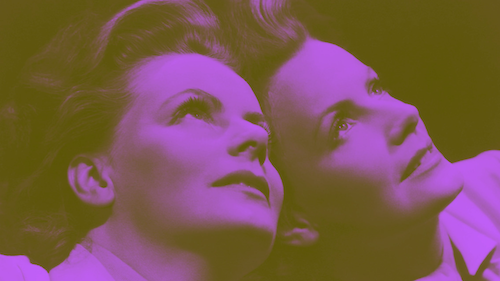
30. Two-Faced Woman
Two-Faced Woman is, indeed, a tale of two sides. On one hand, this is the final film of Greta Garbo's career that she despised so much that she retired from acting forever (maybe she wasn't fond of the whole "pretending to be her own fake twin sister" shtick that this rom-com flaunts). On the other hand, despite the notoriety, this film isn't that bad; it's just not great. I do feel like the film gets carried away with its goofiness just a teensy bit to the point that it becomes difficult to take Two-Faced Woman as seriously as it needs to be taken; perhaps this is what Garbo was feeling.

29. Les Girls
We know that Cukor can make musicals better than Les Girls, because he wound up winning Oscars for at least one. As it stands, Les Girls is decent but not excellent, and an unusually passive film where you get Gene Kelly doing his thing (which I never thought was possible). An aesthetically beautiful film that somehow doesn't manage to really keep your attention outside of some — not all — of its dance numbers, Les Girls feels like a musical was made just for the sake of it. At least it’s mindless fun?
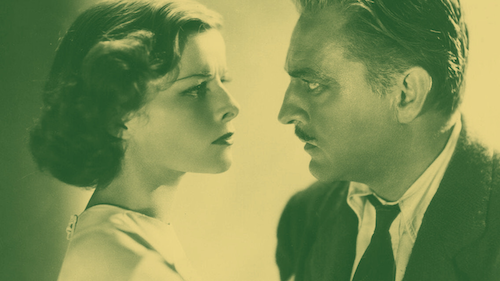
28. A Bill of Divorcement
This feels like a miniature breakthrough for Cukor; not that A Bill of Divorcement is a great film by any means, but it does feel like a step in the right direction regarding what he can accomplish behind the camera. The film follows a World War I veteran who has noticed that life has zipped by him after both his time in combat and the fifteen years of psychiatric rehabilitation due to his PTSD. This man is played by John Barrymore: a heavyweight at the time. His daughter is played by Katharine Hepburn in her debut role: a future megastar. Cukor directs both to the best of their capabilities, even if the film itself is just fine.
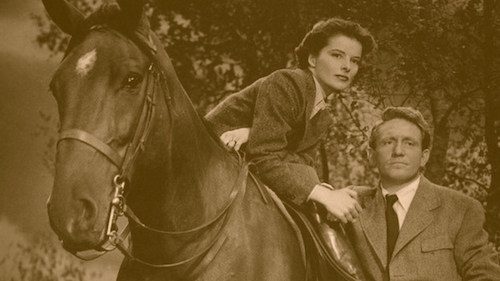
27. Keeper of the Flame
If you are a super fan of Cukor or the iconic pairing of Katharine Hepburn and Spencer Tracy, then you have likely seen — or want to see — Keeper of the Flame. However, this is far from the best film by all three legends. Half of the film is a compelling look at a suspicious death, and much of the film's anti-fascist themes were likely gigantic middle fingers back in 1942. However, Keeper of the Flame doesn't quite know how to conclude, and it feels like Cukor — who actually disliked the film himself — was held back by the Hollywood Code from delivering the story he actually wanted to tell. Still a decent watch because of the parts that work (particularly the film's build up, even if it lands wobblily later on).
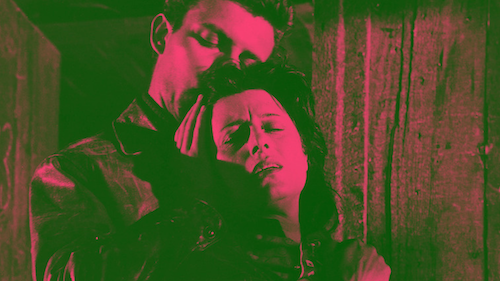
26. Wild Is the Wind
Oh, I adore the song "Wild Is the Wind" by both David Bowie and Nina Simone, and it was interesting to finally see why the Johnny Mathis original version was concocted: for Cukor's film of the same name. I was happy to finally cross this off the list, but I also feel like this is one of those many times where an original song for a film surpasses the quality of said film. The actual motion picture is pretty good: it is a rather visceral look at a struggling marriage (one haunted by the ghosts of the past). This feels like Cukor's answer to the neorealist films that were coming out of Italy for the then-past twenty years, and it is a noble approach that kind of gets swept away by the emotional hysteria of it all. I only partially feel the intended gusto here that any version of the hit song delivers in spades.
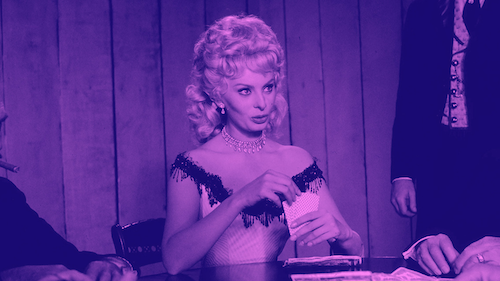
25. Heller in Pink Tights
Believe it or not, Cukor made a Hollywood western (of sorts): one starring siren Sophia Loren and tough-as-nails Anthony Quinn, no less. Cukor would dismiss Heller in Pink Tights, which is a shame because it isn't all that bad; it just is a little confused in its identity. Part John Ford Technicolor spectacle and part commentary on the pizzazz of the razzle-dazzle of showbiz, Heller in Pink Tights is quite a ride, even with all of the bumps along the way (I feel like some of you will have fun with this one regardless of its story and pacing issues).
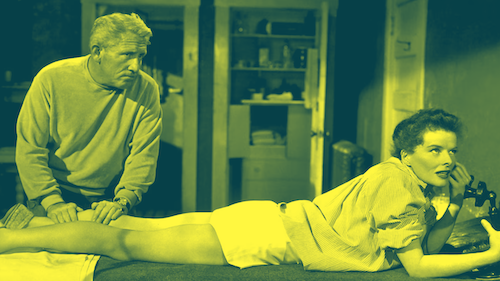
24. Pat and Mike
Oh, would you look at that? Another Katharine Hepburn and Spencer Tracy duet! Pat and Mike is also far from the best film the two made together (including with Cukor). It is a sports-ish romantic comedy with Hepburn playing an athlete whose husband keeps getting in the way of her ambitions; so she hires a sports promoter (Tracy) to help her get ahead (what transpires is a little ridiculous and wacky). I will say that Pat and Mike is quite fun, albeit a head-scratcher that is detached from reality at times, but Hepburn and Tracy will forever be a winning combo; on an unrelated note, this film reminded me of Hepburn's amazing scene (played here by Cate Blanchett, of course), in Martin Scorsese's The Aviator — I suppose she and Tracy in Pat and Mike are also a "fine pair of misfits."
23. Sylvia Scarlett
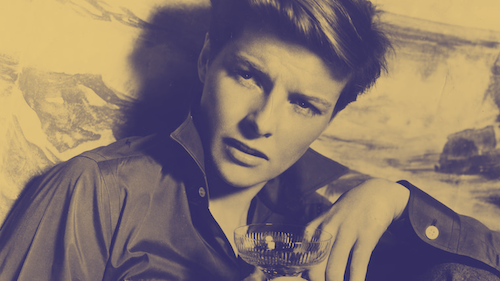
Now, this is my kind of pre-Code Cukor. Sylvia Scarlett is way ahead of its time with the androgynous look star Katharine Hepburn dons as a woman disguising as a man in order to help her father out of a prickly predicament; Sylvia Scarlett is certainly lesbian coded as well with Hepburn in drag. However, as ideal and fascinating as Sylvia Scarlett is on paper, this film doesn't perform quite as strongly as a film outside of its progressive and daring concepts; it's rather tame when a film like this and of its time period should feel like a knockout (much of its forward-thinking concepts are passed off as gags or blips as opposed to points with emphasis). Still, I give extra kudos to a film that was willing to think outside of the expected confinements of the early days of cinema like Sylvia Scarlett does.
22. The Corn Is Green
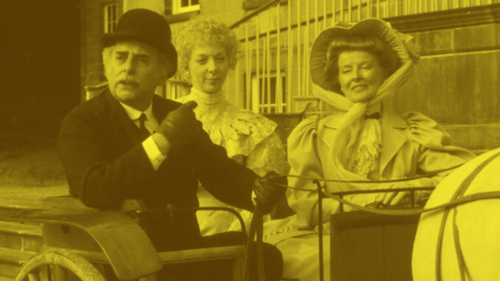
Near the end of his life, Cukor directed the TV movie The Corn Is Green, reuniting with his frequent collaborator Katharine Hepburn (who, here, plays a teacher in a rural Welsh village). This is the kind of film that could have been far too sugary and repetitive, but its short ninety-minute duration helps Hepburn shine without the film's charm ever overstaying its welcome. In a weird way, it feels like Cukor is trapped in the past with a film this traditional (like the ways of the Golden Age of Hollywood), but he ironically foretells what much of the eighties would be like with its varnished kinds of dramas (far different from those of the New Hollywood crowd).
21. The Marrying Kind
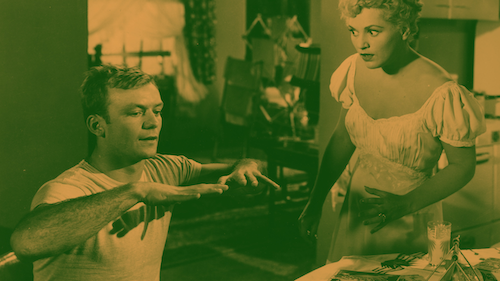
We have reached the part of the list where the films range from quite great to fantastic. On the lower end of goodness here is The Marrying Kind: a bittersweet look at love (and the potential aftermaths, be they a lifetime of happiness or the possibility of divorce). A separating couple (Judy Holliday and Aldo Ray) are encouraged to think about what made them fall in love in the first place, and Cukor's film may invite hope and reinstated adoration; however, Cukor also knows better than to follow blindly, here, and The Marrying Kind understands that it's both love and hardship that bring relationships to the brink of destruction. This is a Cukor effort you will feel in many doses of a variety of emotions.
20. What Price Hollywood?
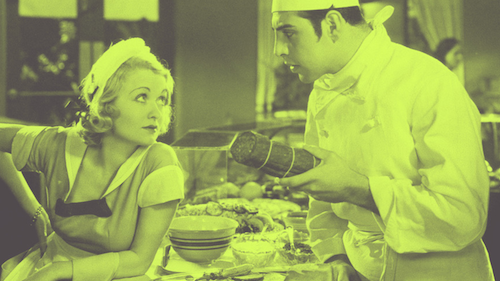
Oh, the joys of rising up in the ranks of superstardom. Cukor would perfect this tale with his adaptation of A Star is Born, but — even before the original, by William A. Wellman, starring Janet Gaynor, was released — he told a similar story in 1932's What Price Hollywood?. Here, Constance Bennett is the rising star in this dazzling look at the business (one that Cukor frames like a blue collared trade, which, to be fair, may have been closer to the truth back in the thirties). Perhaps I am slightly biased because I love films about filmmaking (and, I will admit, that What Price Hollywood? is a little typical at times), but I think this is a nice love letter by Cukor during his — and the industry's — formative years.
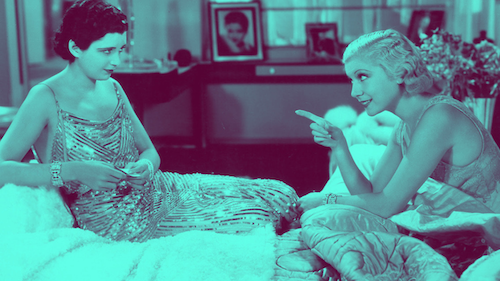
19. Girls About Town
The year was 1931, during a highly prolific time in Cukor's career (in his earliest days), when a film titled Girls About Town seemed to click things into place for the then-fresh filmmaker. What an absolute charmer of a film. For just eighty minutes, Cukor introduces us to two women who know how to make the most of their wealthy, unsuspicious clientele; he also knows how to effortlessly toss in the bait-and-switch with the possibility that such a con would fire back on one of these women when she falls in love for real. Sure, Cukor made stronger films about confused romances and differing class systems, but it was clear by Girls About Town that he knew what kind of picture he wanted to tell (and how to make it so much fun).
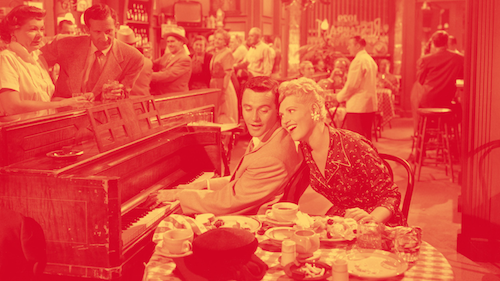
18. It Should Happen to You
As if Cukor wanted to revisit the themes of What Price Hollywood? just one more time before A Star is Born (which was released in 1954; the same year as this film), he directed It Should Happen to You: a similar story of one's ascension in the entertainment industry. I see both this and A Star is Born as sister films. A Star is Born is far more visceral and moving with its take on fame. It Should Happen to You, on the other hand, is more of a romantic comedy about fate and circumstance, including Judy Holliday's character being in the right place and right time (in, where else, but New York City). Featuring a baby-faced Jack Lemmon who would have his own career surge shortly after, It Should Happen to You is a pleasant, nearly-magical Cukor film.
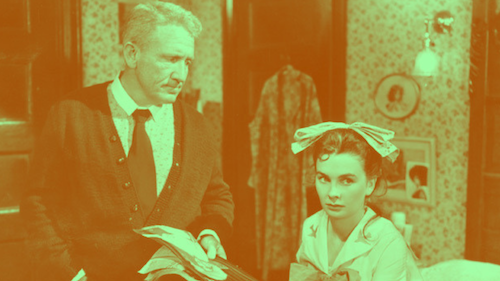
17. The Actress
Now, this is a bit of an inventive concept. Actor Ruth Gordon (Harold and Maude, Rosemary's Baby, Every Which Way but Loose, et cetera) wrote a screenplay about her plights she experienced when trying to become a theatrical star (she is played by Jean Simmons, here). Cukor's efforts to bring this diary-esque series of confessionals to the big screen, The Actress, is quite moving. You can sense that he is forever trying to do right by Gordon's memoir via a touching, serious, and occasionally fun picture of one's search for the bright road ahead. Toss in Spencer Tracy, Anthony Perkins, and Teresa Wright, and you have an acting exposition centred around the highs and lows of, well, acting.
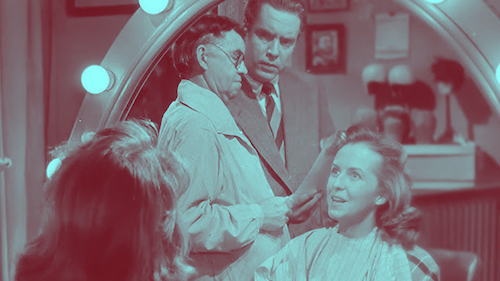
16. A Double Life
If you wanted to see Cukor making a noir film (of sorts), A Double Life is your chance. Atypical for the often bright and hopeful director, A Double Life is bleak, shadowy, and psychologically immense, following an actor who is starting to be unable to discern between his stage life (in an adaptation of Othello) and his reality. Fortunately, star Ronald Colman — who won an Oscar for his performance — is in complete control of this mind game picture by Cukor. Even though the filmmaker wasn't one to usually dive deeply into grim genres outside of a few strong exceptions, it feels like you are watching Cukor allowing his dark side to take over his entire being; thankfully, that was not the case (but at least it was for two hours, here).
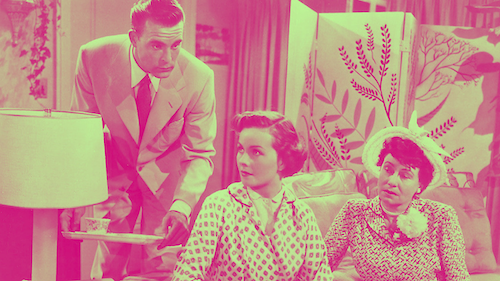
15. The Model and the Marriage Broker
Sure, a comedy where someone decides to plant themselves in the lives of others can be a real hoot; who doesn't want to see what shenanigans will ensue? Then, there's Cukor's The Model and the Marriage Broker: a more balanced approach at such a concept, with Thelma Ritter playing a woman who usually matches couples together. However, in this film, she gets wrapped up in the relationship of another, as she accidentally winds up in the hands of a male model (who could refuse Scott Brady?). Cukor makes sure to keep the antics up but — most importantly — remember what the stakes feel like in such a predicament, who gets hurt, and what can transpire if such a ploy backfires. This one is both a romp and a cautionary tale.
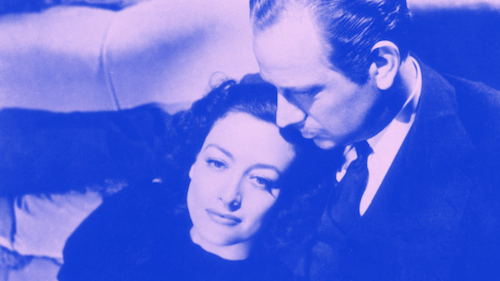
14. A Woman's Face
Can someone ever escape their sinful past if they have wronged too many people? Cukor's allegorical noir, A Woman's Face, stars Joan Crawford with a scar on the right side of her face (and yet she manages to pull it off); she has a past of blackmailing people, and is now on trial for murder. Told via flashbacks as forms of testimonies, A Woman's Face reminds us that — be it a scar or karma — it is difficult to be separated from the choices of our past that may forever define us, and even the film gets marred in its own right. From kicking off as a legal drama to turning into a more psychological, melodramatic affair, A Woman's Face is a highly interesting genre bender in Cukor's filmography.
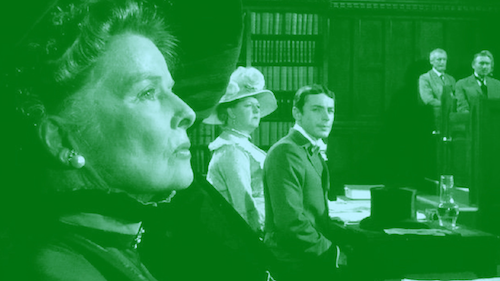
13. Love Among the Ruins
One of Cukor's greater films towards the end of his career is the TV movie Love Among the Ruins, and part of that appeal comes in the form of a magnificent pairing of acting royalty. Katharine Hepburn shouldn't be a surprise given that this is a Cukor title, but seeing Laurence Olivier in this romantic comedy is such a delight. Together, our titanic leads drive a picture about finding, losing, and rediscovering love. It feels like all three people are looking back on what a ride their respective careers have been, with the intention of having one potentially-last hurrah that reminded them — and us — of what Hollywood once was with its warmth, joy, and glamour. Our television sets transported us back to two different times with Love Among the Ruins: the Edwardian era, and the Golden Age of Hollywood.
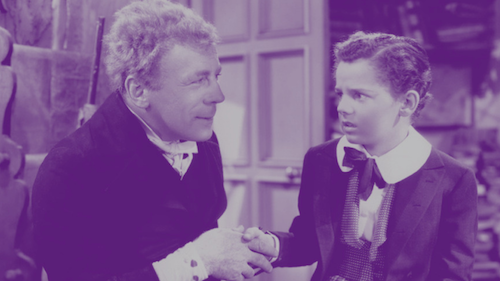
12. David Copperfield
Everyone was adapting the works of Charles Dickens throughout the Golden Age of Hollywood (and even before), so it comes as no shock that Cukor had his own go with things with David Copperfield. He put his all into this with a stacked cast — W. C. Fields, Lionel Barrymore, Maureen O'Sullivan, et cetera — to tell the iconic tale of one David Copperfield (played here by young Freddie Bartholomew, as well as Frank Lawton in his adult years). We have seen many Cukor films with great performances and incredible production design, but to see both get matched by a worthwhile adaptation is something that can take your breath away; to read Dickens's story and then see it come to life via a mainly-faithful and purely touching rendition is spellbinding. Cukor doesn't miss out on any of Dickens's oomph or whimsy, here.
11. Little Women
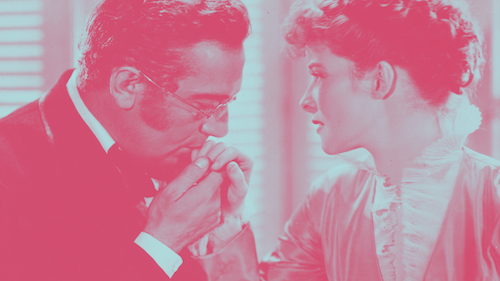
On the topic of great adaptations, everyone has their favourite cinematic version of Louisa May Alcott's cherished novel, Little Women. It is easy to see why Cukor's take (and, to many, the original adaptation that mattered) is that number one pick for many. Cukor recreates the busy, bustling, electric household of the March sisters with the Civil War as a nefarious backdrop looming over their wild and curious imaginations. You get wrapped up in their unity as a family, only for Cukor to toss curveballs into the pristine dynamic. One thing that Cukor also achieves well is being able to represent each of the generations that are present here, from childhood and one's teenaged years, to the cusp of adulthood and the scary real world ahead. Released during the Great Depression, Cukor's Little Women is a terrific companion during either hardship or the best of times (it gets both correct).
10. The Women
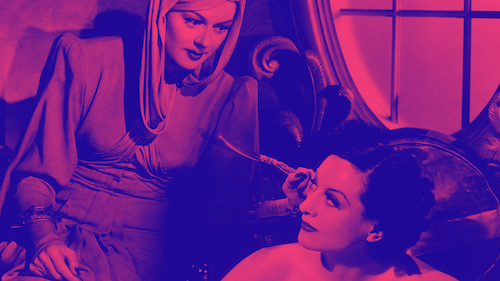
Cukor big farewell to a prolific thirties period, and his once-in-a-lifetime opportunity to direct Gone With the Wind, to release what I think is one of his greater works: The Women. This all-female main cast (Normar Shearer, Joan Crawford, Rosalind Russell, Joan Fontaine, Paulette Goddard, and the list goes on) is simply incredible, and their tale of sisterhood (and the many complication relationships they are facing) is something to behold. If this fuzzy-yet-powerful dramedy wasn't captivating enough, Cukor tosses in an unbelievable colour sequence in the middle of this already-beautiful, greyscale affair to remind you of what it feels like to have your breath taken away. Yes, Gone With the Wind is a classic, it set a record at the box office and with its Academy Awards, and people talk about it today still. However, I think Cukor had the upper hand with an even stronger film known as The Women.

9. Adam’s Rib
You've been teased with some not-so-great Spencer Tracy and Katharine Hepburn titles on this list, so go ahead and enjoy an all-timer with Cukor's eccentric romantic comedy, Adam's Rib. What is more iron clad than two lawyers who are married and know how to remain in solidarity? Well, many things, I suppose, when both parties have to face one another in court as opposing lawyers and — as a result — their relationship is no longer so rock solid. What becomes a battle of the sexes, Adam's Rib is an absolute riot of a picture: a nearly two hour onslaught of gags, retorts, and sarcasm. Who knew that being taken to court and questioning one's courtship could be so much fun?
8. Dinner at Eight
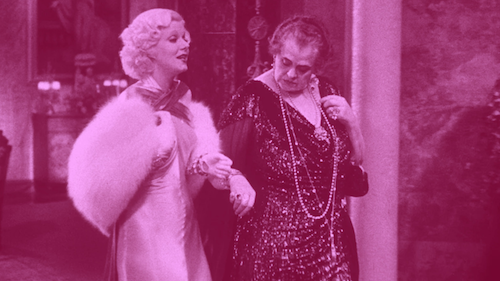
Cukor has many acclaimed and popular films, but Dinner at Eight almost feels like a motion picture you come across by accident (or if you are in the know); how more people are not discussing this sensational pre-Code dramedy of manners is beyond me. Featuring a socialite and her various dinner guests, Cukor sets us up for an event that never transpires (if the dinner is at eight, then we arrived at five o'clock). What we get instead is the heightened minutiae: as if the appetizer outshined the main course by a landslide. Seeing everyone try to outshine one another while America is falling apart during the Great Depression is half the price of admission, while the other half goes to the cracks in everyone's facades; how rich is everyone truly if they cannot even be honest with themselves? While not vicious enough to be a satire, Dinner at Eight sees Cukor being playful with the kinds of people who are far too self-serious when there just isn't enough time in the world for that kind of behaviour.
7. Born Yesterday
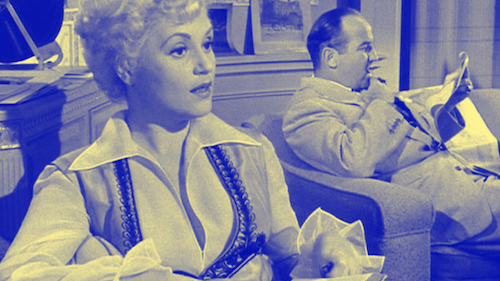
One of the funniest films I have ever seen is this rather underrated Cukor cut, Born Yesterday. Oscar-winner (and Cukor mainstay) Judy Holliday and Broderick Crawford are impossibly great as a mismatched couple — between a high-pitched former showgirl who gets stir crazy and her booming, lion-like tycoon boyfriend. Their bickering and jabs were entertaining enough. Mind you, this couldn't just be a riotous comedy about loud mouths airing their grievances. Enter William Holden who acts as a sign of the real world outside of this dysfunctional household, and how Holliday's character can see the light and a better future for herself. Thus, there is heart within Born Yesterday after all, and Cukor's ability to find the tender edge in such a calamitous household and story helps us find some serious brilliance amidst it all.
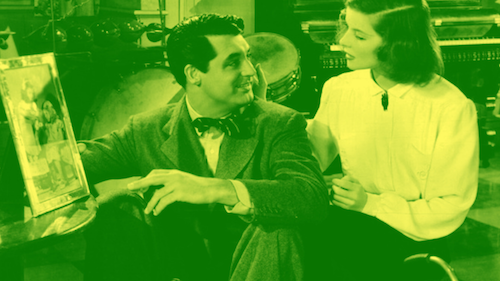
6. Holiday
What could be better than Katharine Hepburn and Cary Grant going toe-to-toe in this benchmark moment for the romantic comedy genre? Cukor's Holiday is a terrific look at opposites being attracted to one another, all while the odds certainly feel stacked against their relationship (when, in actuality, holidays are meant to be bonding experiences, not potential deal breakers). How can two people spend time together when their differing upbringings and classes are trying to force them apart? Of course, this is a film about love released when Hollywood was first surrendering to the Hays Code, so you know everything is going to work out just fine, but the way Cukor ties a bow on Holiday is simply dreamy and invigorating.
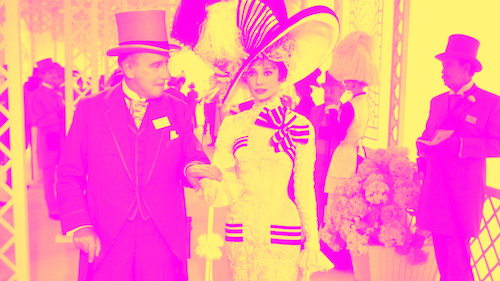
5. My Fair Lady
One of my favourite musicals of all time is Cukor's adaptation of My Fair Lady. This Best Picture-winning classic is an inventive look at the power of the voice — either via obnoxious Cockney accents or the soaring vocals of an angel (they both come from the same vessel: one Eliza Doolittle). This is the one time Cukor worked with the other Hepburn (Audrey) in a glorious, vibrant, spectacular look at class disparity, the concerns of the shallow (Professor Henry Higgins's quest to turn a poor flower girl into a "respectable" woman with clear annunciation and a velvety voice), and the things that matter most via a transcendent third act. I don't care that Hepburn's voice was dubbed, or that Julie Andrews was the original Doolittle on stage; it must be acceptable to like both the stage version and Cukor's sterling epic.
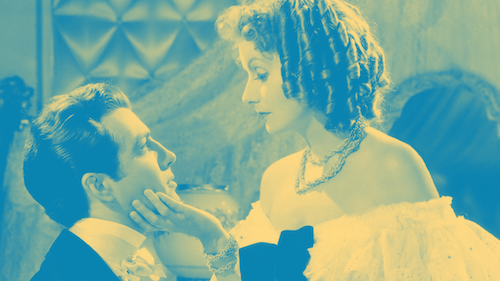
4. Camille
If love is meant to keep our hearts beating, what does it look like when we are ill? Camille is amongst Cukor's most heartbreaking pictures, and a major reason why is due to Great Garbo's unstoppable performance as Marguerite: a courtesan who finds herself torn between two men. There's Baron de Varville (Henry Daniell) who can grant her a life of riches and fortune (but there simply is no real passion there), and then there is Armand Duval (Robert Taylor) who doesn't have much to offer but unconditional love. What good is a future when Marguerite is diagnosed with consumption? What starts off as a dream of the road ahead turns into a race to find happiness before the bitter end in Cukor's exquisitely devastating masterwork.
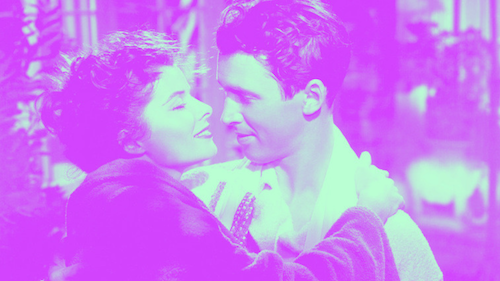
3. The Philadelphia Story
What could be better than Katharine Hepburn and Cary Grant? The two of them with Jimmy Stewart, of course! One of the great romantic comedies of all time, The Philadelphia Story is the great love triangle (well, square, if you really want to consider poor John Howard's George Kittredge who, frankly, didn't stand a chance) that many storytellers have aspired to retell time and time again. Hepburn's Tracy is due to marry George, and what stands in her way is her past — in the form of ex-husband Dexter (Grant) — and her potential future, represented by reporter Mike (Stewart); she obviously cannot face the present in the form of her husband-to-be. While getting as screwy as such a series of plots can get, not once does The Philadelphia Story get confusing, contrived, or overwrought. It is forever luminous with its take on beating hearts and destinies that all takes place over the course of a highly strange set of twenty-four hours.
2. A Star Is Born
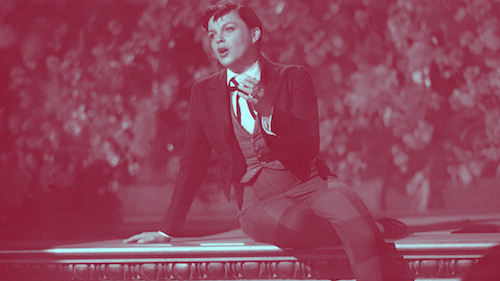
Even though I prefer My Fair Lady as a musical, I feel like I have to give A Star Is Born the upper hand as the stronger film (even if slightly). The best adaptation of the 1937 film, Cukor's look at the joys and challenges of becoming famous is impossible to not get chills from. A major source for these feelings is one Judy Garland in a renaissance-affirming role: one where her voice is as powerful and gorgeous as ever, and her performance will shatter your soul. She puts all of her real-life struggles into her portrayal as Esther-turned-Vicki, and every ounce of suffering radiates off the screen; I cannot begin to tell you how heavily I have cried watching this film, and a major reason why is because of Garland's impeccable performance. Surrounding her is a bittersweet look at being in showbiz — the ability to rise to the occasion, and the feeling of being swallowed whole. Even after Warner Bros. Pictures took a knife to Cukor's film and partially butchered it (cutting out entire sequences and numbers), A Star Is Born is near perfection (even watching a "restored" version with photographs to fill in for missing footage is an overwhelming experience). Take it from someone (Cukor) who has seen every inch of the Golden Age of Hollywood: you cannot hide true talent — the kind that is meant to be shared and adored.

1. Gaslight
Picking my top Cukor film felt nearly impossible; I honestly rotated the films in my top five a few times before finally settling on this order. My answer may be different tomorrow; thus is the case with a director who managed to make masterpieces of such varied styles (how does My Fair Lady feel like it came from the same person who made Camille?). Then, you have this film: Gaslight. For a director who has made so many films about the act of falling in love, Gaslight is a picture that is completely void of it. This obsidian, stirring, Hitchcockian thriller is unlike anything else in Cukor's filmography, and easily one of my favourite films of the forties. At the forefront is a bravura performance by Ingrid Bergman as Paula: a newlywed who feels like she is going insane when she keeps misunderstanding her husband, Gregory (Charles Boyer), and misreading situations; or, so she thinks. Of course, we have come to learn the term gaslighting — the act of manipulating someone into thinking that they are wrong about something even though they are correct — and that term, naturally, comes from this magnum opus; I can only insist that this film is monumental to the point of leaving an impact on society.
Bergman expertly plays Paula with trepidation and delirium: the kind that may leave us feeling like we are going insane as well. She feels highly vulnerable throughout this picture, and when we wise up to what is really happening, all we feel is despair in the form of Paula's inability to get two moves ahead. When the tables turn, Bergman never loses sight of what came before these pivots; she still feels exhausted and dizzy, but you feel her relief shine through like the sun rising. Her victories — both major and minor — are ours as well: Cukor and Bergman render Paula one of the great protagonists of Gaslight's time. I cannot emphasize enough how strongly this film affects me, and the gut response I get from it even on the tenth watch; that first viewing was a whole different level of anxiety, mind you. What an unforgettable film: one that marries top-notch acting with pulverizing visuals, swirling writing, and, to George Cukor's credit, unstoppable direction; all of this culminates into a shocking and hypnotic fever dream of deception and psychosis. Despite all of the worthy candidates I can place first here, I might just have to go with Gaslight because of how deeply it embedded itself into my mind, heart, and soul; it still hasn't let go.


Andreas Babiolakis has a Masters degree in Film and Photography Preservation and Collections Management from Toronto Metropolitan University, as well as a Bachelors degree in Cinema Studies from York University. His favourite times of year are the Criterion Collection flash sales and the annual Toronto International Film Festival.