
Filmography Worship: Ranking Every Kenji Mizoguchi Film
Written by Andreas Babiolakis
Filmography Worship is a series where we review every single feature of filmmakers that have made our Wall of Directors
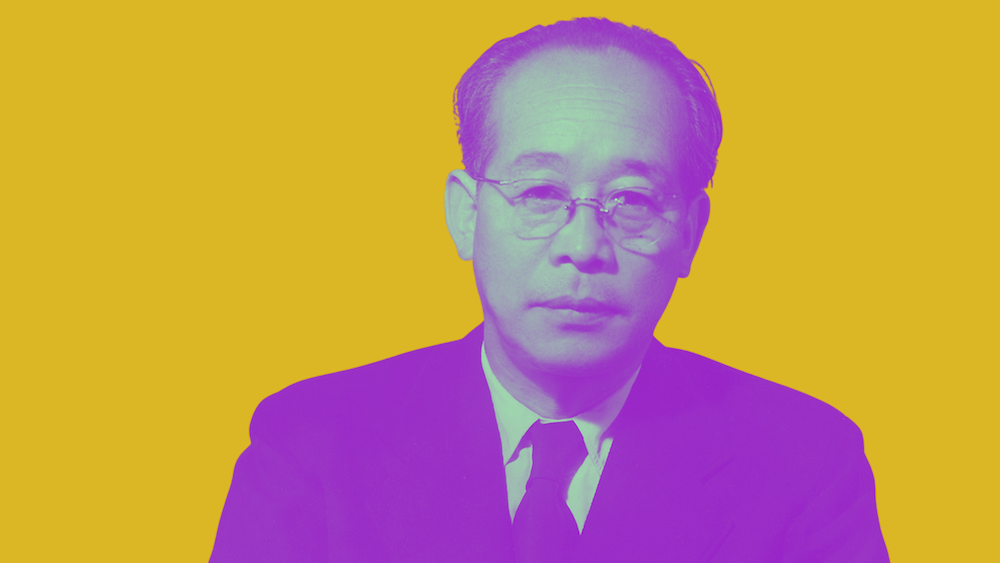
When people think of the Golden Age of Japanese cinema (back in the fifties and sixties), a few names may come to mind. They include Akira Kurosawa, Yasujirõ Ozu, and even Masaki Kobayashi (whose films like Harakiri and his The Human Condition trilogy have grown in stature within twenty-first century cinephilia). However, there is another titan who deserves his flowers: Kenji Mizoguchi. A familiar name to hardcore film lovers, Mizoguchi is a major innovator in the impact of camera placement, movement, and depths of field. His films walk the line between two trains of thought: the poetic richness of a mature and wise artist, and the brutal side of reality for many walks of life. On the latter point, Mizoguchi was ahead of his time as an ally to women, featuring a myriad of films that detail the challenges they face in imbalanced societies, in the line of the objectifying male gaze, and throughout the course of civilization. His work mirrored his life quite a bit. Growing up in a poor household, Mizoguchi leapt around at a young age struggling to keep afloat. While hopping from job to job as a young adult, he found stability in the film industry first as an assistant director and then as a lead director. He was inspired by the German Expressionist movement, and the high aesthetic appeal of the earlier era can be seen throughout his filmography. He churned out many films, totaling up to over a hundred pictures in his short lifetime. Unfortunately, well over half of these projects have been lost with time.
During the silent era, he met his wife, dancer Chieko Saga. She was already married to a member of the yakuza gang, and their relationship caused quite a stir that almost got them in hot water. Even though things worked out for the two in the end marriage wise (they were allowed to be together), they proved to be adulterous and were at odds quite a bit; even so, Mizoguchi saw his wife fall critically ill in 1941, being hospitalized for the rest of her life. All of these experiences — from Mizoguchi’s economic struggles and the taboos surrounding his marriage, to the shifts in Japan’s cultural and sociopolitical landscape after World War II — would wind up in his motion pictures; on the last point, Mizoguchi’s forties era was stuffed with some of his rockiest results, given that he was hell bent on making propaganda-esque pictures. His themes may feel repetitive, but Mizoguchi would always find a new way to make the same points. He worked up until the end of his life at fifty-eight, passing away from leukemia in 1956. Not much was known about his life, but it feels like he gave up as much information as he could in his films. He released many at a frequent rate, even in his last days. He worked to stay alive, but he found more reasons to keep going in the richness of art. He devoted his life to passing on these gifts to audiences in hopes that they would find catharsis; I hope you find peace, beauty, and weighty emotions in his films as I have. Here are the existing feature films of Kenji Mizoguchi ranked from worst to best.
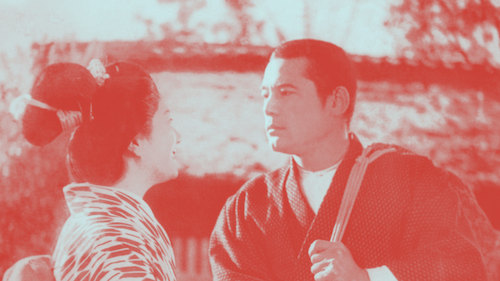
30. Victory Song
There isn't much to say about 1945's Victory Song outside of it being one of the more blatant propaganda by Mizoguchi and his fellow filmmakers (Tomotaka Tasaka, Masahiro Makino, and Hiroshi Shimizu). These dozen (or so) stories about Japan during wartime are too brief, loaded, and stunted to ever get us anywhere substantial outside of the obvious political declarations. You will most certainly not get the fullest — or truest — version of Mizoguchi as a director by watching a film like Victory Song.
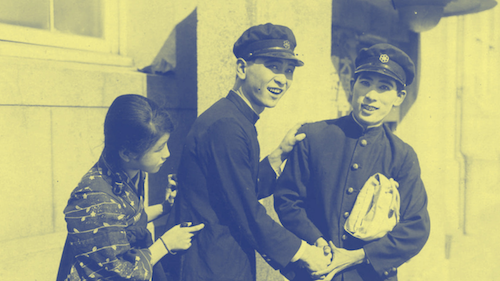
29. The Song of Home
On one hand, it is nice to have a Mizoguchi film this early still existing in our midst (the fact that there are many lost Mizoguchi works from the silent age is a crying shame). On the other, Song of Home is simply so-so. Invested in the duality and dissimilarities of its pair of lead characters, this fifty-minute character study is meant to get you invested in what Mizoguchi has to say about the Japanese countryside, the difference in lifestyles between rural life and the city, and the changing ways of culture in Tokyo. Instead. We get something that only feels like the early seedlings of a Mizoguchi classic: something rather thin and rudimentary.
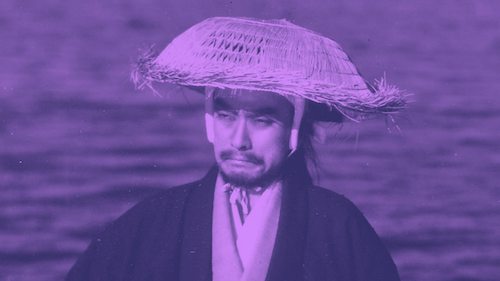
28. Miyamoto Musashi
By 1944, Mizoguchi already had quite a few strong films under his belt. Needless to say, Miyamoto Musashi is not a bad film, but it is a bit of a puzzling one. It is a fairly standard samurai picture that is less than an hour long and feels quite typical; it is yet another story of vengeance. It's not that Mizoguchi cannot make pictures of this nature (far from it, as you will see later on in this list), but Miyamoto Musashi is just kind of derivative, cookie-cutter, and even somewhat driven by the ways of propaganda.
27. The Poppy
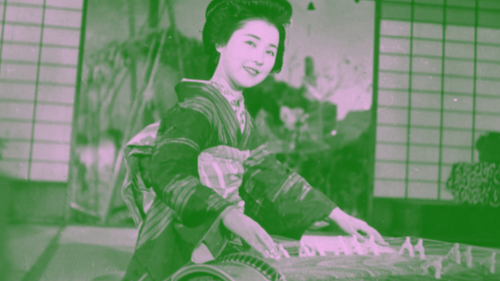
Mizoguchi's melodrama, The Poppy, feels almost like the kind of picture that Yasujiro Ozu would make during his prime: a romantic drama contingent with the ways of class depictions and wealth gaps. However, The Poppy doesn't offer too much; even though Ozu's films seem simple (and are far more complex than they lead on), Mizoguchi's melodrama is, unfortunately, as bare bones as it leads on. This film won't hurt to watch if you want to see everything Mizoguchi has to offer, but The Poppy is far from the height of his capabilities as a storyteller (even if the film captures his aesthetic style).
26. The Love of Sumako the Actress
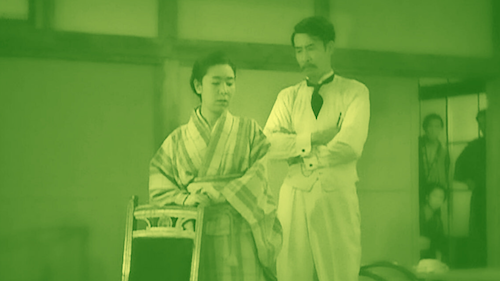
Mizoguchi's effort to unite western theatre with Japanese culture, The Love of Sumako the Actress, is a noble attempt. However, when capturing the real life story of its central subject — the actress Matsui Sumako — Mizoguchi (someone who was still invested in making films that were very pro-Japan at the time) misunderstands how to make a bombastic film about a fascinating life; instead, The Love of Sumako the Actress almost feels kitschy to the point of appearing confrontational. I would have liked to have seen Mizoguchi attempt such a film at a later stage in his career, because this feels a bit flat compared to what he would be capable of.
25. Victory of Women
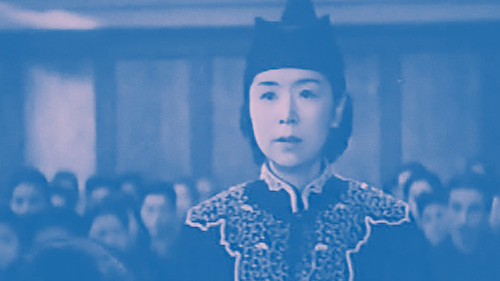
Another one of Mizoguchi's heavily political — and borderline propaganda — films of the forties, Victory of Women is meant to be more powerful than it winds up being. While it is a subject matter that is meant to be taken seriously — a mother who is being tried for potential infanticide — Mizoghuci's films comes off a little heavy handed to the point that Victory of Women kind of hurts itself; it feels rather forced to the point of coming off as even slightly stale, and — at its very worst — it doesn't really feel like a Mizoguchi picture overall. What does help Victory of Women are the glimpses of his style: the poetic minimalism in the scenes that need to breathe the most.
24. The Straits of Love and Hate
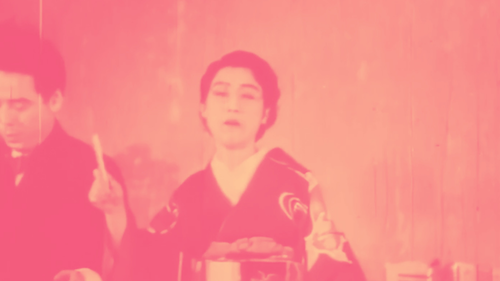
In the thirties, Mizoguchi was making quite a few films about people — particularly women — who were placed in difficult situations due to their existence in tough times or them being at the hands of a series of misfortunes. The Straits of Love and Hate is one such example, with a fish-out-of-water servant girl left alone in a world that doesn't accept her or her child. While not one of his stronger films of the thirties, Mizoguchi shines just enough with The Straits of Love and Hate because of his dedication to bringing unsung voices to light in a near neorealist fashion; this one might not be a back watch if you feel like you are exhausting all of your Mizoguchi options.
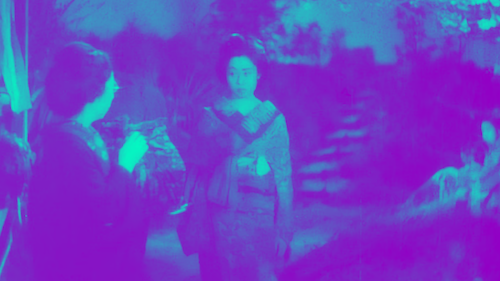
23. Oyuki the Virgin
One of Mizoguchi's earliest sound films, Oyuki the Virgin is another attempt at creating strong and prominent female characters that could dispel the then-contemporaneous and misogynistic stigmas. In this instance, we have a pair of protagonists who are geishas trying to get by and survive after they narrowly evade a civil war in their town. What begins as a fairly promising road or travel film (so to speak) loses sight of itself midway through, which is a shame because it would have been wiser if Mizoguchi just maintained the momentum of his preliminary premise rather than trying to shake things up; this might be hindsight talking, but a film that is less than eighty minutes long does not need to have curveballs or shakeups in order to maintain being interesting (this would be true even back in 1935).

22. The Downfall of Osen
As is well known by now, Mizoguchi has a knack for directing compelling, interesting female characters, and The Downfall of Osen is an early example of such. Following the tragic tale of a servant girl who ultimately becomes a prostitute in order to make ends meet, Mizoguchi's film is all about sacrifice and martyrdom. Now, I'm not quite sure if the film makes great cases for who Osen gives up everything for, but Mizoguchi's quest to find humanity and empathy in places and via people who were often looked down upon back in the thirties is commendable. The film is a little bit misshapen, but you watch this one for its sterling protagonist.
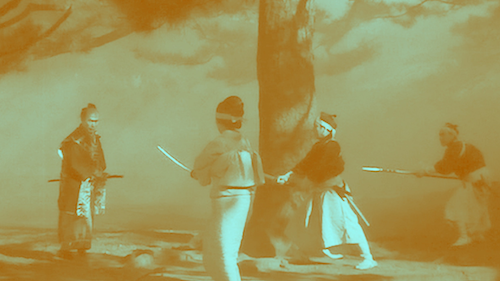
21. The Famous Sword
One of Mizoguchi's propaganda films during — or just after — World War II, The Famous Sword (also known, simply, as The Sword) is a decent samurai picture that might play all of the similar beats of such films. What sets it apart from a number of its peers is the fixation on the concept of the perfect katana, as we follow a swordsmith who feels guilty for the aftermath of one of his shoddy creations. He now must deliver an unbeatable sword. Mizoguchi may have been more focussed on trying to tell a picture about excellence and dependability during the aftermath of the Second World War, but you can find something here about the weight of guilt and the permanence of violence if you dig deep enough (even if these are unintended).
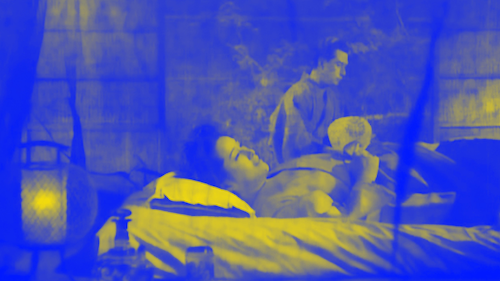
20. Portrait of Madame Yuki
While similar to so many of his films that circle around impoverished people doing whatever it takes to get by, Portrait of Madame Yuki feels like a stepping stone for where Mizoguchi was hoping to get to by creating such pictures. Yes, we follow a servant girl once again and see the difficult life she leads, but there is something deeper in this 1950 release: the complexity of human beings. It's not as simple as Mizoguchi spotting the misery that coexists in both upper and lower class people, but, rather, all the particulates that detail who we are no matter what our means are. Even though Mizoguchi would perfect this formula even more, Portrait of Madame Yuki is a bit of an underrated version of his tried and true formula because it offers space to the indescribable qualities that unite people who are painted as drastically different walks of life.
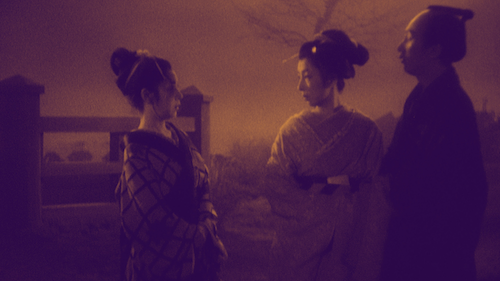
19. Utamaro and His Five Women
Films about art can express some major revelations about a director's interpretation of any medium. Mizoguchi projects in such a way with Utamaro and His Five Women: one of his stronger films during his propaganda era post World War II. Centred around an artist and the squad of muses that he draws inspiration from, it's impossible to not consider Mizoguchi in this equation. Here is a filmmaker who is forever driven by female characters depicting an artist's spark and struggle with his attachment to his models in a myriad of ways. Does our art say more about our subject or about ourselves as the artist? Mizoguchi, through Utamaro and His Five Women, explains that the answer is both at the same time.
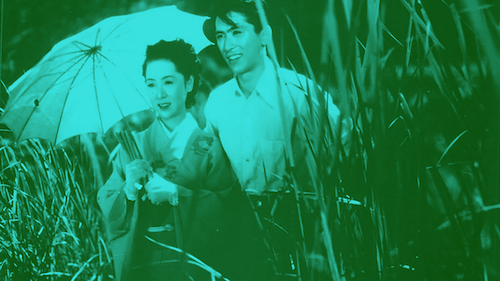
18. The Lady of Musashino
As the saying goes, the grass is not always greener on the other side. When you are miserable, however, you will try to find peace, solace, or fortune wherever you can get it. In Mizoguchi's The Lady of Musashino, we see a parade of broken spirits after World War II has forever changed Japan. We mainly follow Michiko and how she feels trapped and unhappy with life, her marriage, and herself. What transpires is a series of choices by Michiko and others — either separate or because of Michiko's actions — with every decision being made due to the maker feeling helpless or unfulfilled. Mizoguchi begs for us to recognize what we have, not what we think we could have; is being alive after the biggest war of our history not enough?
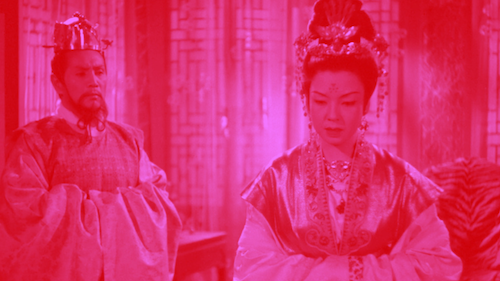
17. Princess Yang Kwei Fei
International cinema was being received and celebrated in Hollywood by the forties and fifties, and the relationship would feel mutual in the ways that filmmakers around the world responded. Mizoguchi's Princess Yang Kwei-fei feels like his attempt at making a westernized, monumental, historical picture indicative of the Technicolor marvels that Hollywood was putting out. Dealing with the romance between two shattered people within the Tang dynasty (and Emperor Xuanzong's life and loss), Princess Yang Kewi Fei gets caught up in the prestige of its story to the point that you can feel its size, even in a brisk one-hundred-minute picture. One of Mizoguchi's last pictures, you can sense that the tides were turning for Mizoguchi's artistry with a film like this one.
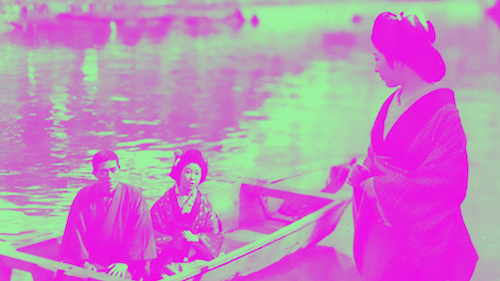
16. The Water Magician
One of Mizoguchi's strongest silent pictures is 1933's The Water Magician: a beautiful, soul crushing depiction of fortune and loss. Our protagonist is a water juggler who travels the nation and performs for gobsmacked audiences; we become her next crowd at the start of the picture. However, in learning more about who she is as a person, we discover the torture behind the brilliance (as is the case for many artists and entertainers). Mizoguchi sympathizes with his character, understanding that from her plight comes her undeniable craft (and, through his own hardship, his motion pictures can reach and bless us as well). It is through this understanding of what drives people to share their talents that The Water Magician soars; Mizoguchi showcases exhibition as more than a spectacle but, rather, an open conversation between a storyteller and their captive listeners/viewers.

15. Women of the Night
When Mizoguchi wasn't navigating post-war Japan with the insistence of representing his nation via propaganda films, he was figuring out how to present his anger through powerful pictures. Women of the Night is an example of the latter and is one of his best films from this time period. The film is a little commonplace for Mizoguchi in the sense that it depicts women experiencing hardship and having to partake in activities and jobs out of desperation, but it feels like he is operating on a different level this time around compared to a number of his other attempts: the way he has a trio of people experiencing the same damnation different ways (and for different reasons) turns Women of the Night into a gripping tapestry of anguish and devastation. This drills his point home: the ways that our circumstances can define us, sometimes even in the same way (no matter how unique our path through hell may be).
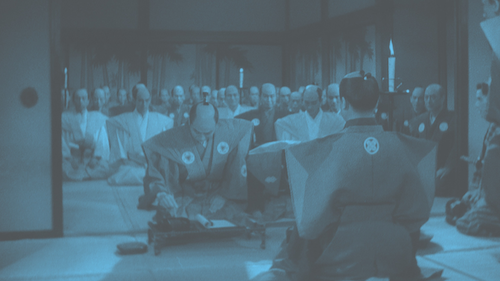
14. The 47 Ronin
This nearly four-hour epic — split into two parts — is one of Mizoguchi's most recognizable efforts. Who hasn't been inspired by The 47 Ronin in some capacity during the forties? Released as an effort to combat the miasma suffocating the world during World War II, Mizoguchi's jidaigeki classic boils down what it means to die — either at the hand of another, or by your own doing. What weight does a death carry? For its entire runtime, The 47 Ronin plants us in the middle of a much-discussed dilemma and the fallout that ensues; its greatest strength is how dialed back and humanistic a film about killing and revenge is, here. What we get instead are open spirits, swirling concerns, and the plague of guilty consciences and/or the thirst to avenge. Mizoguchi turns what could have been an indulgence of slaughter and combat into a meditative lesson in responsibility and clemency instead.
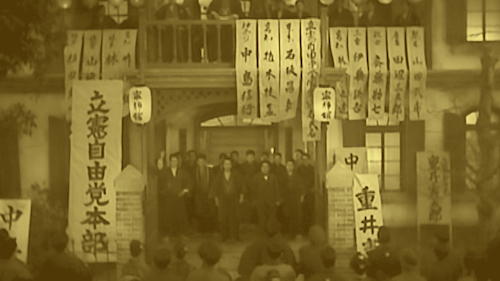
13. Flame of My Love
While a number of Mizoguchi's films deal with the inequality that women face on a regular basis (and within economic crises), Flame of My Love handles the issue of how women are treated with far more directness and with an array of messages and arguments. A byproduct of Mizoguchi's most propaganda-driven era, Flame of My Love is as passionate as his political works from this time while feeling far more fully realized with its central romance between a woman fighting for her rights and the leader of a Liberal Party. Their love towards one another and the height of their efforts collide in this fiery, visceral film about standing up for what we believe in.
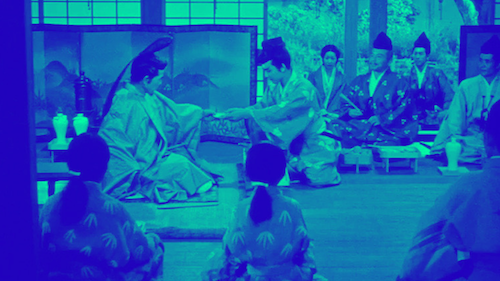
12. Tales of the Taira Clan
Mizoguchi's penultimate film, Tales of the Taira Clan, is only his second film to be shown in colour (while he was excellent with his use of greyscale imagery, a film like this one leaves me wondering what other triumphs he could have made with a more vibrant palette). This is a broad depiction of a family scorned by the nation they once served: a samurai film full of gut feelings, spitfire instincts, and the kind of rage that lingers throughout history. Mizoguchi approaches the samurai genre with a hint of poeticism that feels ahead of its time: as if Mizoguchi was able to find serenity and beauty within trepidation. Many such films are ones you watch: Tales of the Taira Clan is one you feel.

11. The Woman in the Rumor
Of the many Mizoguchi films that show a woman's unorthodox methods of staying alive, The Woman in the Rumor is quite unique in its approach. Once again, we have a female character who is going against the conventions of society by operating a brothel. However, this time around, Mizoguchi plants us in the gaze of her daughter. Not only are we getting the opinion of another female in this circumstance, but we are right beside a family member who — acting as an allegory of society as a whole — is finding it difficult to both imagine that her mother is capable of this, and see her in the same light now knowing this secret. Much of The Woman in the Rumor stems on growth: learning how to not stigmatize someone; seeing the sacrifices one makes; acknowledging that many people are not given a choice as to how they make ends meet. The Woman in the Rumor becomes a cyclical fable: one that admonishes those who scoff at others with judgmental eyes.
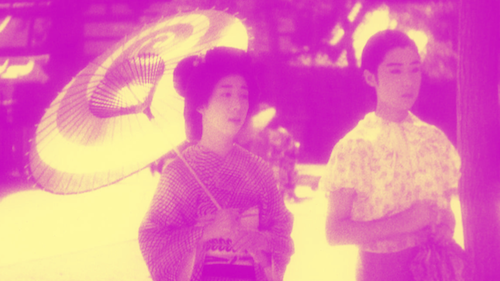
10. Sisters of the Gion
An early sign of the kinds of pictures that Mizoguchi would excel in is Sisters of the Gion from 1936. Featuring two geisha sisters, Mizoguchi allows us to see the same matters handled with completely different mindsets. There's traditionalist Umekichi who believes that she should stay by her man no matter what. There's her younger sister Omocha who thinks that men are fodder who should be used to elevate herself in life. This duality between siblings in a hostile life is so engaging throughout its entire runtime; you may side with one sister at any given time, or understand where they are both coming from and what they represent. Their discoveries and devotions are equally fascinating.
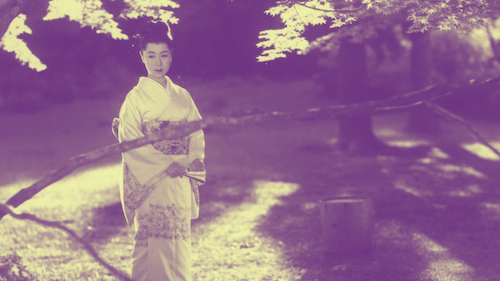
9. Miss Oyu
Kicking off the section of essential Mizoguchi cuts is Miss Oyu: a romantic tragedy full of crossed wires and confusing intentions. Often times in a relationship, we are wondering about what our heart wants; in Miss Oyu, much of the film is driven by both this desire and the expectation of others: is what constitutes as destiny in the mind of others the truth versus what we crave? I admire a film like Miss Oyu so much because it accurately lets its characters pull is aimlessly; it's true that our love can not make sense sometimes. There isn't much reason to try and define why we feel as though we are right for someone, whether we are meant to be their shoulder to cry on after traumatic times, or we are to act as a buffer between two other people (et cetera). Much of this is nonsensical. Where Mizoguchi provides context is in what transpires after our characters leap blindly into their predicaments, and the paths of life that they explore once they have attempted to gather their bearings.
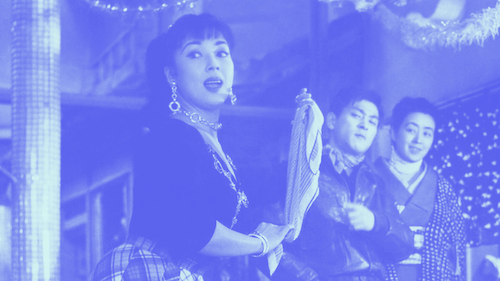
8. Street of Shame
Mizoguchi's final film, released in 1956, is Street of Shame, and he ended his life and career with a motion picture that is authentically one of his own. Like many films before it, Street of Shame deals with the lives of sex workers and the tumultuous lives they lead at the hands of crippling legislature (and the difficulty that an anti-prostitution bill poses for these numerous women who have already been dealt many a bad hand in life). Mizoguchi gets intricate with how each of his different protagonists live, deal with this proposed bill, and transpire towards the end of his film — from hope to depression. In just ninety minutes, Mizoguchi captures entire lifetimes (rather tragic ones at that) in a film that never promises closure or meaning; it recognizes that many lives are left up in the air with zero resolve. It's true at the start of Street of Shame, and it's even more blatant towards its heavy final sequence.
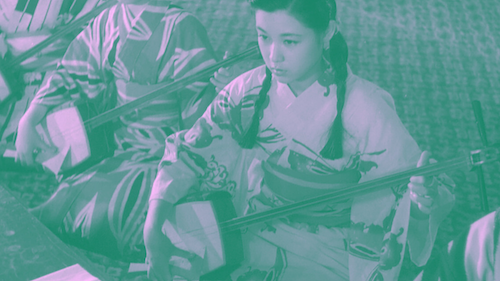
7. A Geisha
If most of Mizoguchi's films about the difficult lives of impoverished women deal with the choices that they have made in order to survive, A Geisha is a bit more direct with what having to make such difficult decisions looks like. The parallels between a geisha and her apprentice act as a duet of calls and responses — between those who find joys in life despite adversity, and those who get crushed by turmoil; the beauty within sex and those who choose to exploit others in order to achieve satisfaction; the professions we wish to keep separate from our identities, and the things we cannot control that sadly define us. The way Mizoguchi shoots A Geisha is with complete contrast: the lust for life (via its unspeakable, aesthetic grace) butting heads with the agony of despair.
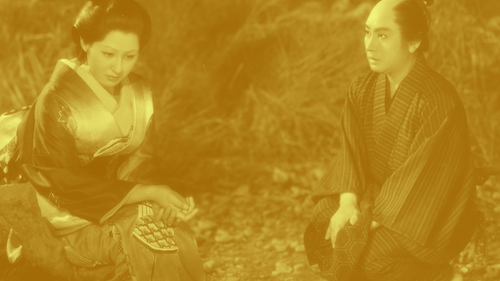
6. The Crucified Lovers
However you were introduced to this Mizoguchi cut may determine how you view it. If you know it as The Crucified Lovers as I did, the film feels like the impossibility of turning away from fate (no matter how unfortunate it may be). If you know it as A Story from Chikamatsu, however, it may read more as a parable of what kinds of lives you'll find in Japan throughout the course of time. Following a pair of romancers who are threatened with the penalty of executed for being adulterers, The Crucified Lovers is a blistering, moving, intricate take on adoration and what unconditional feelings look like. This is a relentless offering that doesn't ease up until its bittersweet end: sparks that cannot be extinguished even at the end of existence.
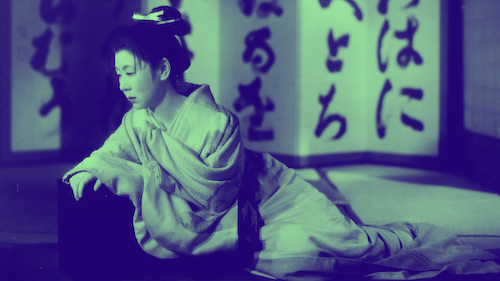
5. The Life of Oharu
At this point on the list, you shouldn't be surprised by The Life of Oharu being a Mizoguchi picture about the life and times of a struggling concubine, but this is one of his best attempts at such a brutal reality. This one is told via hindsight: a middle-aged sex worker reflecting on her life (from her despicable, debt-ridden father who forces her into this profession, to the many people she comes across in her difficult life). The way The Life of Oharu carries itself is with complete vulnerability: it hides nothing regarding this existence full of scars. Watching a film like The Life of Oharu is guaranteed to destroy your heart and spirit while seeing someone else try her damnedest to give up at any cost; this is the kind of tragedy that will open your eyes and cause your soul to ache forever.
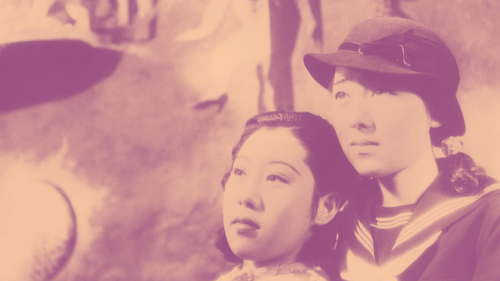
4. Osaka Elegy
Akin to a large number of films Mizoguchi has made, Osaka Elegy is a pulverizing picture about a telephone operator who is placed in an unfavourable position: pay off her father's debt of three-hundred yen by becoming the mistress of her boss. The angle Osaka Elegy goes for is one of pure pain: the glacial journey from point A to point B within hell. For seventy minutes, Osaka Elegy refuses to shy away from the nightmare with confrontational shots, a lack of frills, and zero place for us or our characters to hide. This particular study — one of many that Mizoguchi has done before and after — is amongst his most upfront, and, as a result, it remains one of his more memorable pictures in my mind; I have yet to get rid of the images that feel equal parts haunting and mesmerizing.
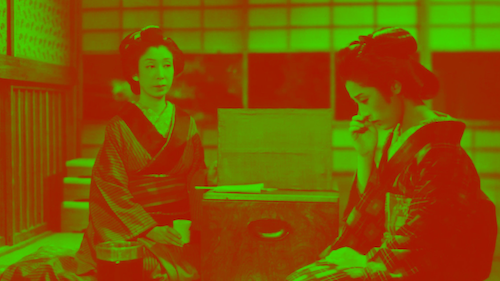
3. The Story of the Last Chrysanthemums
These final three films are borderline untouchable. No matter how many great films Mizoguchi made in the thirties, his masterwork of his early days is unquestionably The Story of the Last Chrysanthemums. This film is a leap ahead in scope (at well over two hours in length, greatly exceeding Mizoguchi's average duration at the time), in artistry (with a masterclass in camera work, production design, and storytelling), and it all boils down to a film that dissects the importance of art in the lives of those craving a feeling. In the shadow of an aspiring kabuki actor and the many lives he comes across, The Story of the Last Chrysanthemums presents us with the entire life cycles of an artist and his audience, equating the longevity of one's legacy to the unforgiving speed of time that forbids us from experiencing the fruits of our labour. Be it our loved ones or our craft, what surpasses us is sometimes what makes what we attempt in life worthwhile.
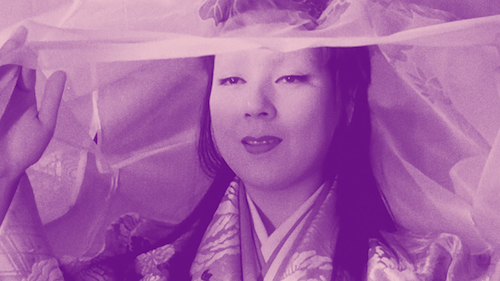
2. Ugetsu
The first Mizoguchi film I ever saw as a teenager is one of the great ghost pictures of Japanese cinema: Ugetsu. I was so transfixed by this film that I just assumed that this would be in the auteur's wheelhouse, only to later discover that this was so far removed from the sorts of films that he actually specialized in. This ambient, foggy, stirring film may dabble in elements of the horror genre, but it is far from being such a picture. If anything, this is a standard Mizoguchi drama disguised as an eerie, unsettling tale. It is unconventional look at romance between two beings who are not destined to be (and a relationship between the living and the dead). You can see this as the conjuring of the dream scenario of what one aspires for, or the impossible longing for that who can never be — in the end, is it the ghost who tempts the mortal, or the mortal who tempts the ghost? From the haunting of our provenance and futures, to the impossible feelings that reside and drive us crazy, Ugetsu is a film about temptation and tempting fate.
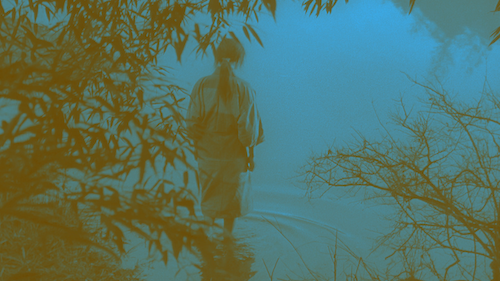
1. Sansho the Bailiff
Choosing between the top three Mizoguchi films here was incredibly tough because I view the three works as his greatest triumphs in different ways. The Story of the Last Chrysanthemums feels like Mizoguchi's strongest act of devotion towards his harrowing and anguished subject matter. Ugetsu reads as his grandest artistic gesture that comes from the pits of his spirit. Then, there is Sansho the Bailiff which feels like the kind of film he attempted many times; this time, he perfected what he wanted to say about the imbalances in society and the misfortune of the human experience. While a majority of his films reflect on different moments in Japan's history (Sansho the Bailiff is no different, being set in the middle ages), in this instance the auteur felt like he was a director from the future, returning to the fifties to show what films could be. His style was always present, but in occasional bursts (like some of the higher ranked films on this list), he was on a whole different echelon of cinematic expertise. His photographic eye is sublime, making us fall in love with nature, architecture, and human beings while seeing the latter at their absolute worst and best simultaneously. The way his camera moves to enact the fleeting or throbbing spirits of his characters shakes me to my core. The human spirit has never looked this unbreakable yet fragile at the exact same time, and feeling both sentiments coursing together like feuding rivers is breathtaking.
We are provided a mantra from early on in the film: always be kind and sympathetic to others, even if you — and life — are hard on yourself. A family is torn apart, with a father banished, a mother trafficked, and children sold by slave traders; they must answer to the awful bailiff Sansho. The rest of the film is the fight for the lives of youths who know that there must be more to life than this. However, if life proceeds to be this awful, what is there to live for? Sansho the Bailiff reminds us that there are always those who live better knowing that you are in this world. Our children strive to see their parents again and will do whatever it takes. The film punishes yet blesses us at the same time with two through lines: life will not slow down, and the faster it goes, the more it feels wasted in the hands of our leads; meanwhile, we only have one life and must make the most of it no matter what (we must fight to see another day; to see another loved one at least once more).
This isn't a pool of philosophy and meaning: it is an entire ocean. Mizoguchi would pass away only two years after Sansho the Bailiff, and, even with the five films he squeezed afterward (his fifties period is quite prolific), this feels like his official sendoff: his realization of what everything was all for. The very act that he released so many motion pictures in his life time feels like he tried to find purpose and meaning in life again and again: what keeps us ticking when we are at our absolute worst; when we have lost our relationship with our inner spirits? Even with the many triumphs he created in this pursuit, Sansho the Bailiff feels the most definitive. I have always admired this film, but it is by going through the rest of Kenji Mizoguchi's existing works that I realized just how much I adore it and recognize its magnificence. This is the type of film that can only be told towards the end of one's life: once they have amassed the wisdom and experience necessary to properly theorize what it is all for. The Japanese legend shares his findings with us, and Sansho the Bailiff makes more sense as we get older; even so, we only decipher its allegories and artistry bit by bit. This is a film made by someone who trekked through darkness and found the light in the cracks that many step over in their haste to find better lives; Sansho the Bailiff is one of the great cinematic depictions of resilience I have ever seen.


Andreas Babiolakis has a Masters degree in Film and Photography Preservation and Collections Management from Toronto Metropolitan University, as well as a Bachelors degree in Cinema Studies from York University. His favourite times of year are the Criterion Collection flash sales and the annual Toronto International Film Festival.