
Filmography Worship: Ranking Every John Ford Film
Written by Andreas Babiolakis
Filmography Worship is a series where we review every single feature of filmmakers that have made our Wall of Directors
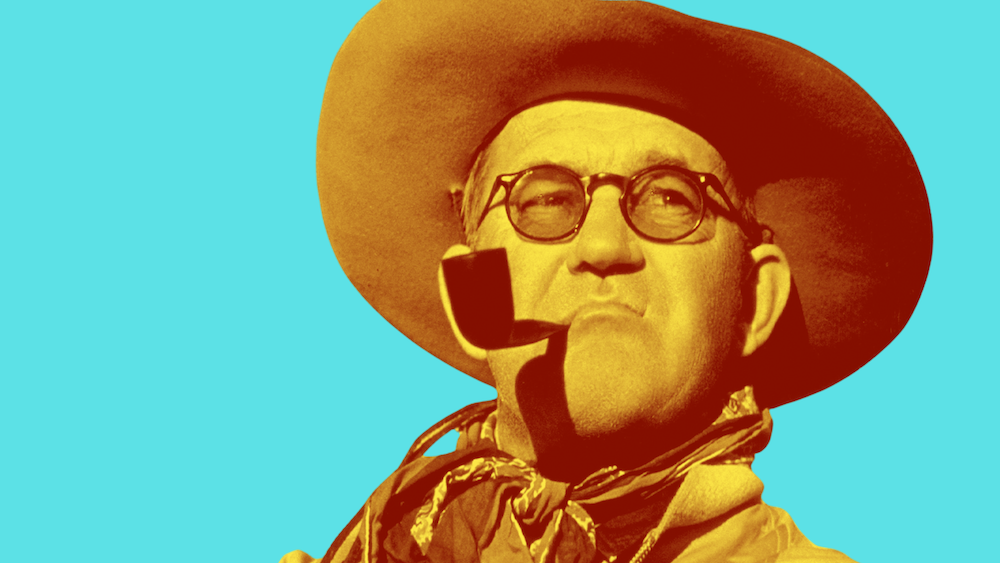
When you think of Hollywood, American cinema, or film as a whole, John Martin Feeney — otherwise known as John Ford — has to be considered amongst the greats (and, certainly, the most influential). The winningest filmmaker of the Best Director Oscar at the Academy Awards (with four in total), I liken Ford to Bill Russell's reign on the Boston Celtics. In both of their careers as preliminary titans of their fields, they were unstoppable and changed the course of their industries single-handedly via their domination. However, film is not a competitive field outside of awards ceremonies, and an important thing to never forget is how artistically rich Ford's films were underneath their Hollywood sheen. To me, Ford is similar to another juggernaut of the formative years of Hollywood: Cecil B. DeMille. DeMille had just as much producer-based push as Ford did, with films that felt like complete spectacles that could not be topped. However, to me Ford prevails over someone like DeMille because Ford never forgot how to make films that spoke to people, humanized the massive figures on screen, and felt tangible despite their lore, technical and artistic complexities, and scale.
Ford was inspired by his elder brother, Francis Ford, who was a silent film star in the earliest days of the medium. John Ford would provide assistance to his brother's films, and even doubled for him (due to their resemblance). Ford would transfer his skills to behind the camera, directing a slew of silent films during their rise. While not every filmmaker or star transitioned nicely to the sound era, Ford did not crumble under the pressure of making talkies. If anything, Ford was one of the tentpole-setting filmmakers during these years, as he helped to usher in new megastars for the medium (like John Wayne, Henry Fonda, Jimmy Stewart, and Maureen O'Hara). He would transition again into the Technicolor age of Hollywood in the fifties, swapping his grayscale images for shots bursting with hues and depth. Considering that Ford was always a practitioner of wide-angled shots, sweeping landscapes, and massive visuals, he was destined for this part of the Golden Age of Hollywood: one that wanted to make pictures bigger and better. Ford would pass away at seventy-nine in 1973 (just three years after his final film, Chesty: A Tribute to a Legend).
Over the course of his half-century career, he directed over one-hundred-and-thirty films. This is easily the most amount of films of any director I have ever attempted to cover in my Filmography Worship series. However, a good portion of his films — mainly his silent efforts — are lost or incomplete. Even so, that leaves me with over seventy films that remain that I have to cover. Yes. I have seen them all. For a few weeks, my life was nothing but intertitles, cowboys, and the wild west; if my coverage of the plethora of silent films is brief or sounds too similar across a number of films, please forgive me for not remembering every little detail of all of these films (this is before I even reached the sound pictures, as well). I cannot shake off some of the more problematic stuff I came across either, including the numerous instances of blackface (and other racist concerns) in the early Ford films, the misogynistic angles of a myriad of his works, and other sociopolitical factors that have not aged well (or were never acceptable). However, this experience was far from all bad. What I did get as well is a new appreciation for one of America's masters: a look at the evolution of the Hollywood normalcy via one of the industry's hardest workers, keenest minds, and largest risk-takers (even some of the duller silent films had something technically impressive or inventive within them). We shouldn't waste any more time: this will likely remain the largest Filmography Worship article I ever piece together. Here are the (surviving) films of John Ford ranked from worst to best.
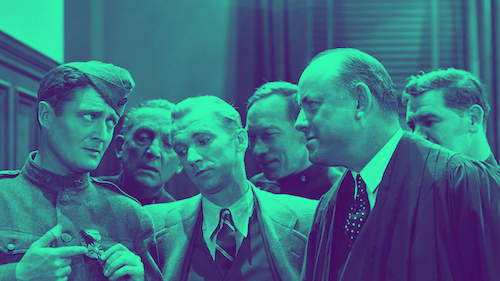
75. Born Reckless
This gangster film has the unfortunate designation of being ranked last, but I wouldn’t say it’s blatantly so (believe me, I went back-and-forth with a few of these stinkers). What is meant to be an analysis of a heart tainted by sin and crime, Born Reckless' look at a gangster who serves in the war feels overlong at eighty minutes (major red flag), is barely engaging, and is rocky in just about every way a film can be (especially its story: one where we don’t care what happens to anyone involved).
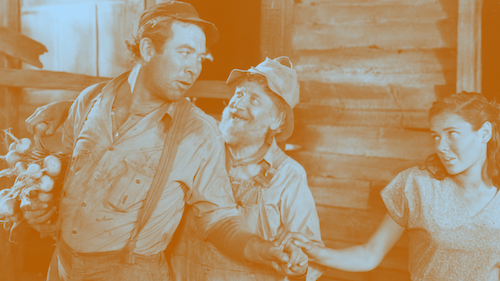
74. Tobacco Road
Where do you go after a film as great as The Grapes of Wrath? Apparently, you go straight to hell. Hell is with the Lester family and everyone who gives them a chance (you know a film about a struggling family is bad when you don’t like anyone within it, thus not caring if they succeed or not). Tobacco Road is abrasive, cacophonic, and so damn irritating that it might be better for your brain and ears to listen to a construction site for twelve hours instead. Actual tobacco may be better for your health.
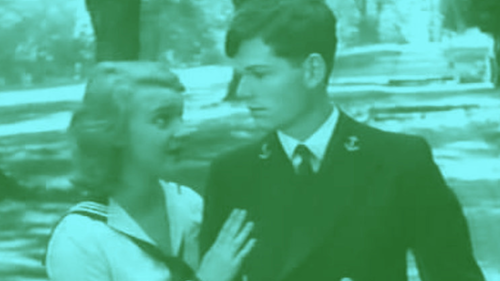
73. Salute
Salute doesn’t seem like too bad of a film when you read up about it, but when you actually get around to watching it and witnessing everything that is false, kitschy, and corny about it, you’ll see why I’ve ranked this so low. This early talkie about two brothers divided by class (army versus navy) and the sport of football is tethered to the wonky woes of primitive sound technology, dated depictions, and a story that never gets as interesting as it should (underneath some very poor performances to boot).
72. The Blue Eagle
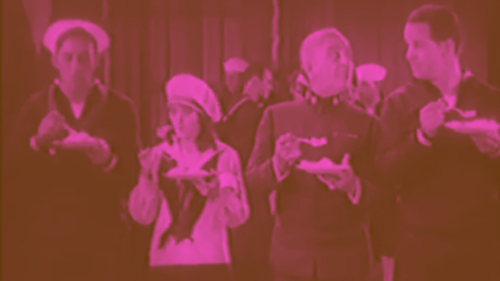
One of ten thousand war-romance films with two fighters who are also in love with the same woman, the Navy drama The Blue Eagle doesn't do anything to stand out amongst the massive crowd of similar titles. Well, you can argue that it just has a bunch of nonsense happen to try and heighten this rivalry, but I also don’t want to entertain a film that feels like it tosses everything from submarine attacks to fisticuffs at you to make you care — especially when you wind up doing all but care.
71. Cameo Kirby
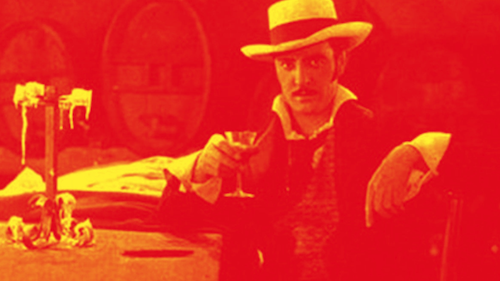
While the only known surviving print is a Portuguese copy that appeared to be sitting inside of a bonfire (the print quality is abysmal), using some subtitles to assist Cameo Kirby can confirm that, no, this romantic drama was not worth the effort since it is so damn boring (I can at least blame some of this bad experience on the print, and at least it's available to some degree). I’ll use this opportunity to bring up an aside: did you know that this is Jean Arthur’s first film? That fact alone is more interesting than this misfire about wrongful convictions.

70. The Brat
Did you know Ford made a film that feels more like a Frank Capra screwball? No? That's because The Brat is not very good. This pre-Code comedy is not nearly as entertaining as it wants to be (if anything, it's grating); no fault of the film's, but it also doesn't help that the only findable copy is in disastrous condition (better than lost, I suppose). This film about a muse will make you ask: what does our protagonist novelist see in his new squeeze, and why does he care what his annoying family thinks of her? These kinds of films are a dime a dozen in the thirties, and you will likely find many that are more worthwhile.

69. Upstream
Ford would attempt comedy throughout his career: something that does not get discussed enough. However, Upstream is his least funny film for a multitude of reasons — from the lack of a cohesive story, and annoying characters, to the awful racism that wouldn't be excusable even in a good film. You might think that there may be a hint of inspiration in a film about a struggling actor who is trying to make it big (especially when it was released during a major cinematic turning point in 1927), but Upstream goes nowhere but downhill (and is about as inspirational as a rotten banana).

68. The Black Watch
To be fair, The Black Watch being a bad watch might not be entirely Ford's fault (outside of the brown-face in a film that is trying to be progressive — the awful irony); Fix Film Corporation's efforts to shoehorn in dialogue sequences against Ford's approval (to capitalize on the start of talking pictures) results in stilted, awful scenes that had no business being there in the first place. This makes a film that is already a little convoluted (about a captain who goes into hiding in India to try and rescue prisoners) and makes it one that may have your head spinning.
67. Up the River
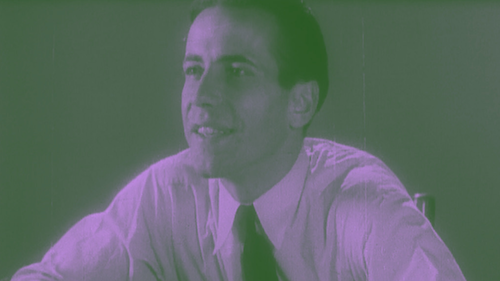
The good news: this is one of those Ford joints where he features some major names — like Humphrey Bogart and Spencer Tracy — before they become megastars. Then, there's the rest: the film is painfully unfunny, racist, and monotonous. Following two former criminals who find themselves in hot water with the wrong people, Up the River then connects them to even more bad people. The catch? All of these people suck, and even ninety minutes is too much time with them. Next.
66. Lightnin’
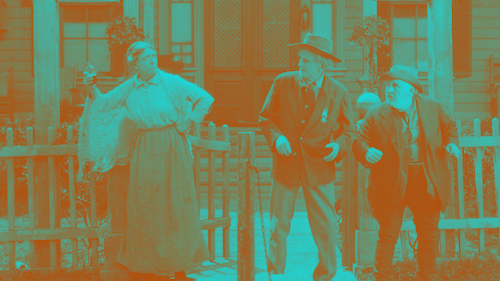
Another silent Ford comedy (the last known surviving silent work of his), Lightnin' is a hodgepodge of ideas that are meant to feel funny — especially when shown back-to-back. This is due to character Lightnin’ Bill who runs a hotel. Once he is approached by swindlers, his wife thinks he is trying to pull a fast one on her (she believes the con men) and asks for a divorce. The film instead feels overlong, meandering, and not engaging, despite its somewhat promising premise about the goings-on inside of this hotel and what transpires.

65. The Shamrock Handicap
Ford made a handful of films about Ireland and/or its citizens; some would wind up being amongst his best titles. The Shamrock Handicap is his first go at it, featuring a story about jockey racers and the tragedies that lead up to the main event (conveniently placed in the hour-long film’s climax). The film is somewhat pretty and moving, but its stunted story and racist depictions of Black people do not make it one of Ford's greater love letters to Ireland (if anything, it’s easily his worst; the majority of them are far more impressionable than this dud).
64. The Wings of Eagles
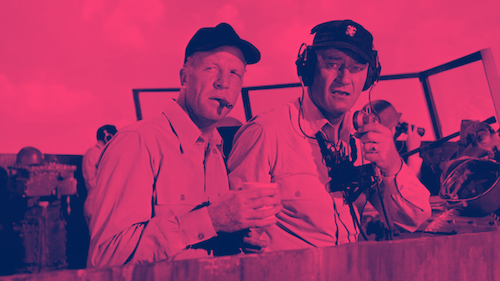
Ford was really trying to say something with The Wings of Eagles. First, he kicks off this aviation film with an incredible opening scene (one involving jaw-dropping flight stunts). Then, the film becomes a bit of a tonal mess that is unsure of what it wants to accomplish. Inspired by the life of screenwriter Frank Wead, The Wings of Eagles could have been a more straightforward analogy of how someone converts their history into their art and craft. Instead, it comes off as a bonkers propoganda film with both slapstick and chills and neither work.

63. The Plough and the Stars
The Plough and the Stars takes us to the streets to revolt during the Easter rebellion, but Ford's film contains very little spark and fight within it (not even Barbara Stanwyck can elevate this one). Watching Dublin basically be under fire, Ford gives us a film about a rebellion uprising that just feels lethargic, uninspired, and bland (despite everything that happens within it). If seventy minutes feels like a drag, that is highly concerning. This is meant to feel like a call to action, but the only action worth taking after The Plough and the Stars is a long, deep nap.

62. Judge Priest
You can argue that parts of Judge Priest are well made from a filmmaking standpoint, but the film's obsessive nostalgia for the ways of confederacy — and the awful racist stereotypes — make this one a film that is just too gross for me to care about (it wasn't that good to begin with). Not only is a film that is this obsessed with the confederacy a problem, but it honestly feels like much of Judge Priest is made up bullshit about this period, all in the name of having its veteran protagonist seem interesting. If the film didn’t have such an aesthetic presence, I’d place it even lower.
61. Riley the Cop
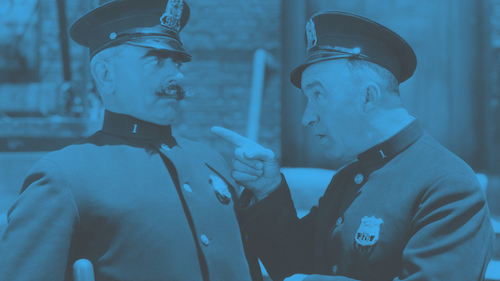
You know those comedies that could have been resolved in ten minutes if their protagonist wasn't stupid? Riley the Cop is that kind of film, and if the thought of a bumbling officer in a silent film sounds like a good time because you've been spoiled by the likes of Chaplin and Keaton, then I cannot stop you from being as frustrated as I was. What helps ever-so barely is that the film is convinced that its titular cop is likeable, and you may believe he is for maybe a few seconds. Who knows? Maybe you’ll like this one more than me, but Riley the Cop was a real test for me.

60. The World Moves On
For some reason, filmmakers became obsessed with covering the many generations of a family when film was first evolving (see Cavalcade, for instance). Such an attempt by Ford is The World Moves On: a look at two cotton merchant families surviving many tribulations. I’m not sure what directors were thinking back then, but glossing over a family’s history like this doesn’t allow you to cling on to any character, event, or idea for long enough for it to matter. Like the worst of these films, The World Moves On is bloated, dull, and not fully realized — let's toss in that this film is also racist and it's time for us to move on.
59. Wee Willie Winkie
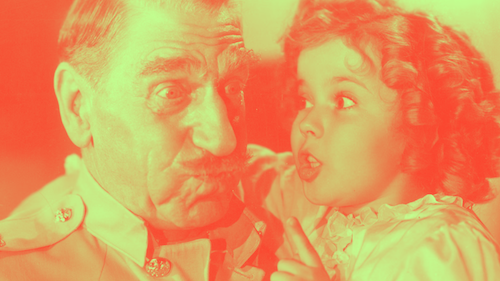
So, Ford directed a Shirley Temple film. That might shock you, but you will remain unfazed to know that the motion picture simply doesn't work out all that well. Between Temple's precocious, cutesy personality (that some today would find grating, and I can understand why) to Ford's serious angle on war, colonialism, and mortality, Wee Willie Winkie is to be seen to be believed — in the sense that this film is an unbelievable mess. I know this film has its fans, and I have liked little Shirley Temple in other motion pictures, and I don’t blame her for this film all that much; this is just a very confused end result that feels like two different films crushed into one (it’s kind of like eating sherbet and tabasco at the same time).

58. Four Men and a Prayer
A film about guilty consciences, perseverance, and complicated people (a British officer has been falsely accused of something his sons hope to disprove), Four Men and a Prayer hopes to be a layered study of how human beings work; it bites off far more than it can chew with its uneven pacing and tone, and its propensity to be more cumbersome than engaging. It’s the kind of film about discovery where you wind up becoming bored by how information is retrieved, and you may wish that there was a summary of everything instead (this is never a good sign when you should be invested).
57. Men Without Women
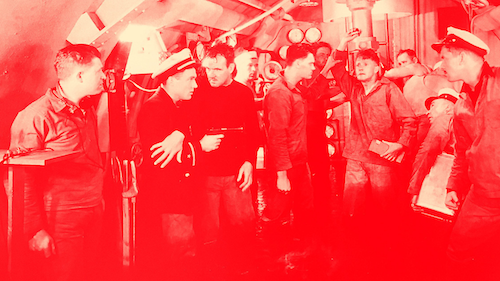
One of the numerous naval films by Ford, Men Without Women feels more like an exercise in testing the limits of sound and production; if you look at it through that lens, this could be a neat film to watch (seeing Ford try new things, even in his weaker films, is a bit of fun). Otherwise, this race against time (as a submarine is stranded) is not as exciting as it should be (and other Ford titles will prove it).
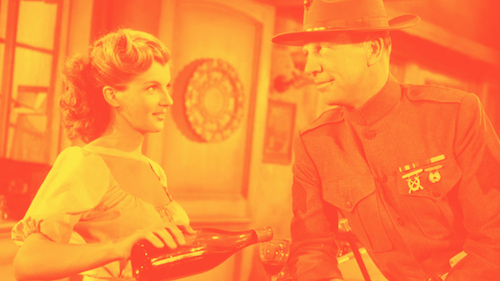
56. What Price Glory
What Price Glory is a comedy with two feuding military vets who have to compete in every which way — from their service, to their potential wife (yes, singular, seeing as they both want the same woman and yet neither want to actually marry her; typical men). This 1952 film feels more like a thirties Ford comedy redone during the height of the Golden Age of Hollywood; this doesn't make it any better than the hokey films he was making back then.

55. Doctor Bull
A community film centred around its titular character (played by Will Rogers), Doctor Bull is meant to represent the fickleness of judgmental people and the pureness of honest hearts. It only gets so far with a story that is equal parts convoluted and overly plain (outside of some highly unbelievable turns during its final act: Dr. Bull apparently becomes a God with miraculous powers, and it’s as insane as it sounds). There's at least quite a bit of heart in this one, and star Will Rogers does a bit of the heavy lifting as the title character, but Doctor Bull is just a little too lopsided to completely work.
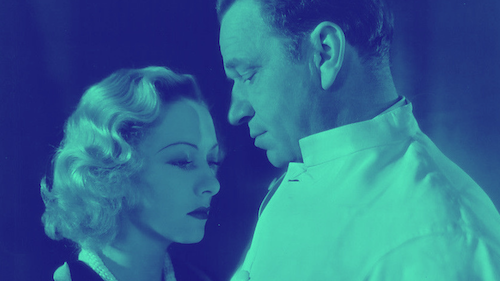
54. Flesh
Flesh feels like an attempt by Ford to make that pre-Code film that would leave his mark on cinema, yet — as was almost always the case for an optimist like Ford — he never gets dark enough for this grim romance that flirts with the underworld to truly work. A prized fighter winds up getting tangled with the wrong gal: one who has a sinful past and is encouraging him to follow her deeper into the shadows. The lead character is a bit of a moron, and the film treats morality with too much black-and-white representation (as opposed to something more nuanced). At least it felt like Ford was trying something new in 1932 with this one, I suppose.
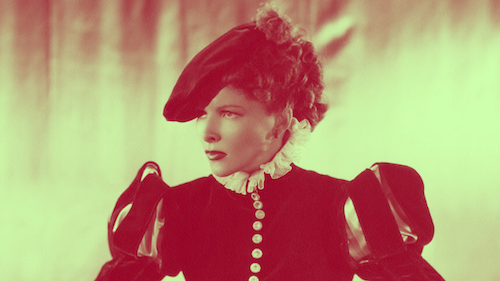
53. Mary of Scotland
Reminder: Ford made a film about Mary, Queen of Scots starring Katharine Hepburn. Second reminder: it's janky, self-absorbed, and kind of all over the place with what it wants to be (an honest look at a real person's complicated legacy, or a love letter to the Catholic church). It winds up fully becoming neither and it feels more like a general statement on an iconic figure: one that could have been stated in an encyclopedia (one with enough fictionalized elements, I suppose). I will say that Ford has a gorgeous film with elaborate costumes and sets here, but this film is a strange one overall. That may pique your interest, though, if nothing else here will.
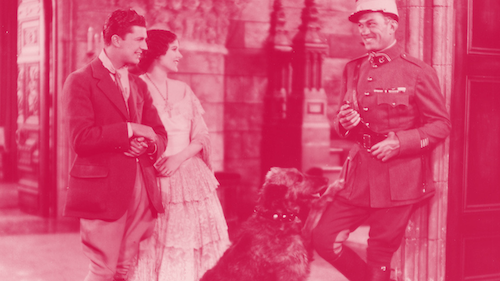
52. Hangman’s House
After a patriot is kicked out of Ireland, he wishes to return in order to help others, putting himself back on the line and in disguise to boot; you can call this another Ford tribute to Ireland, but a bit of a confused one. While Hangman's House looks quite stunning for a silent-era work of Ford's (he was really experimenting with shot selection and editing sequencing, the romantic story is a little too monotonous and uninspired to keep up with the way the artistry of this film feels; at least it is only eighty minutes.
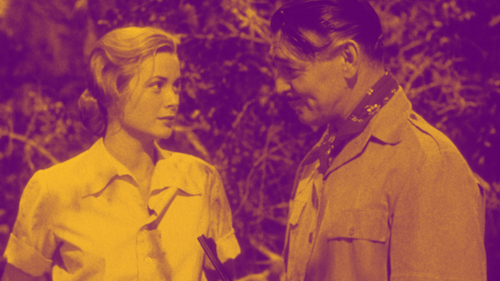
51. Mogambo
My previous knowledge of this title is Cosmo Kramer's nonsensical nicknames for his friends in Seinfeld when he believes they are acting out of line. What context is there between that and this love-triangle picture between Clark Gable, Ava Gardner, and Grace Kelly? Who knows. All I know is that Mogambo is caught up in its own passion and spectacle; what is a sweeping romantic drama is also a theatrical, kind of ridiculous affair that may have come off as dreamy back then but just reeks of cheese now.
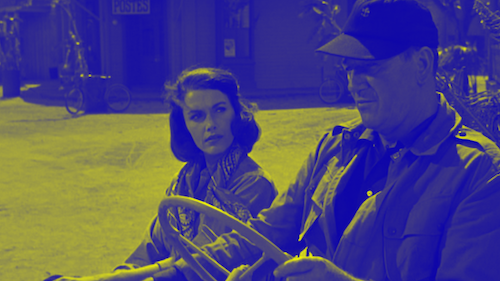
50. Donovan’s Reef
The two Johns (Ford and Wayne) had made quite a few films together; mainly hard-hitting westerns. By 1963, it was time to make Donovan's Reef: a rather silly, heartfelt, war-comedy that feels more like a film by Stanley Donan, Howard Hawks, or Billy Wilder; Ford doesn't match the best works of the aforementioned, but Donovan's Reef is okay if you want to see Ford being as goofy as this. For me, this almost feels cartoonish. I can feel the joy that everyone had while making this film and that helped me keep watching it, but I also felt like I was watching a film in a different language: it just did not translate for me.

49. Gideon’s Day
Gideon's Day is one of the more antithetical Ford films. It moves us from Ford's America to the United Kingdom. It forgoes his optimism and sense of wonder for something a bit bleaker (even in a comedic way). It doesn't feel as expansive as his typically massive films do. It's fine in its execution, but also quite ordinary (just not for Ford). I suppose it is a little interesting seeing multiple cases at the same time, but when none of them stick out at all (never mind past one another), every story just bleeds into one another. This one's a palette cleanser during your Ford marathon.
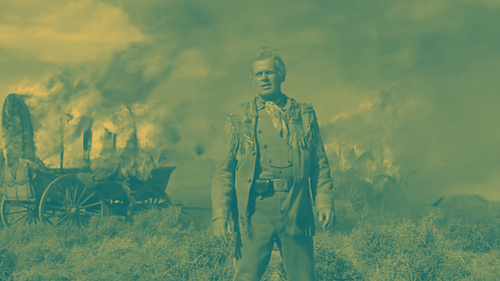
48. Cheyenne Autumn
One of Ford's longest epics, Cheyenne Autumn attempts to be empathetic with the Cheyenne community and hopes to capture the difficulties of one of their migratory treks. However, this late-career statement is overlong, repetitive, slow, and — of all things — still at least slightly problematic with its depictions of indigenous communities despite Ford's efforts to change. Everything kicks off with some promise: well-established characters and strong visuals. However, as the film keeps going, it reveals its flaws quite quickly, and it only develops more as it progresses.

47. Arrowsmith
Ford's epidemical film, Arrowsmith, is the kind of film you may think is great just because of how it looks (credit goes to Ray June's cinematography, here). When you dive deeper (you don't really need to go that far, either), you see a character study that reduces much of its analyses to gross stereotypes and misrepresentations; this is already bad enough, but when you consider that Arrowsmith is meant to be a picture about a medical outbreak and circumnavigating the limited options that are available to help the masses, this comes off as a bit of a hideous look. The promise for Arrowsmith is there — I see the potential for a magnificent film within one that stunts itself due to shallowness.
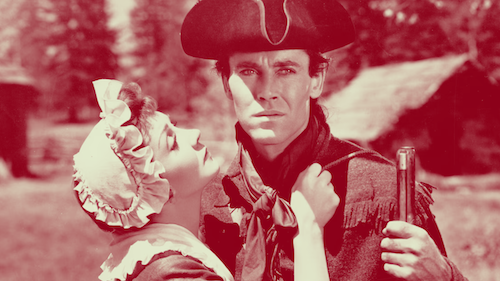
46. Drums Along the Mohawk
It isn't fair to compare Drums Along the Mohawk to the two other films he released in a monster 1939 year (Stagecoach and Young Mr. Lincoln), but it is also a film that doesn't really stand too well on its own, either. On one hand, it is as technically ambitious as anything Ford was making at the time. On the other, the film almost feels like Ford was going backwards with his storytelling and politics (oh, the rampant sexism and racism in this one) while his other two films showed where Ford was heading (a much more ideal destination as a director).
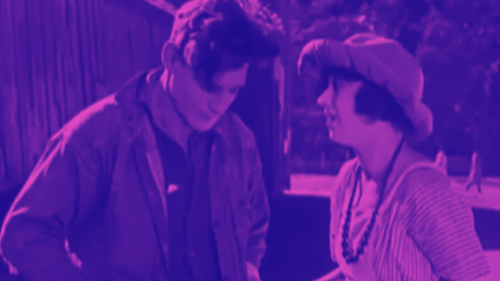
45. Just Pals
In Ford's Just Pals, we follow poor Bim who cannot get his act together but is sure trying. The film feels just as awkward as its lead, and both attempt to become better; it’s a little endearing when you watch Just Pals in this way. Ford's film is rather sympathetic to this character and the people he comes across (those who couldn't care less about him, and those he gets a connection with), and this may make you want to carry on alongside Bim. Just Pals bit thin but with enough heart to be decent; this could be the misfit film you identify with.
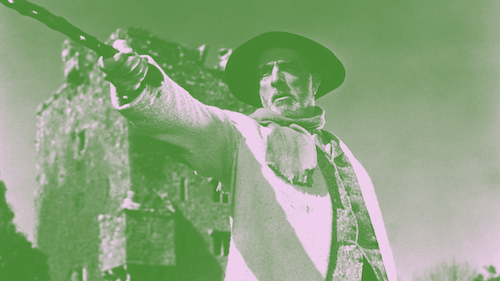
44. The Rising of the Moon
As if he was trying to recapture what made How Green Was My Valley so strong, Ford revisits the storybook of Irish commoners with The Rising of the Moon: an anthology film. Anthology films are usually not my favourite thing, since I feel like filmmakers can often struggle to make every story count as much as the last. As predicted, none of the three stories ever hit quite as hard as they should, but the film is at least as gorgeous and moving as you would expect from these kinds of Ford flicks.
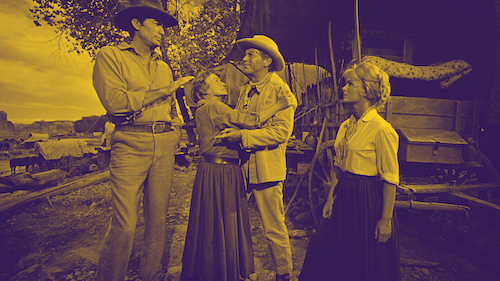
43. How the West Was Won
A collaborative effort with directors Henry Hathaway and George Marshall, How the West Was Won is kind of like hearing how big the food portions in Texas are, only to go, order up a signature steak, and realizing that it is somehow even bigger and that this is too much. At nearly three hours, with so much rah-rah, patriotic storytelling, and a series of vignettes that feel loosely connected, How the West Was Won is kind of too much. At least this film looks as epic as it strives to be, and I appreciate elements of it, but there isn't much room to breathe, here.
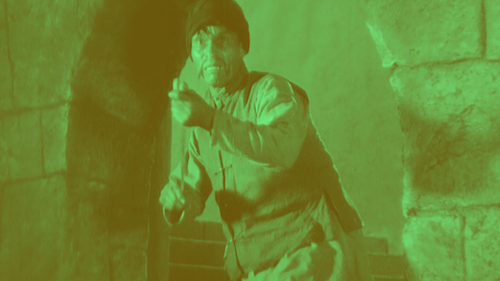
42. Hell Bent
Seeing Ford depict the human spirit in Hell Bent back in 1918 is quite something. Simply, a cowboy risks his life to save his loved one, and then Hell Bent becomes a survival tale. This early film is a little bit archaic yet also inspirational at the same time (his experimentation with photography, editing, and montage is an early sign of the future of filmmaking, here). You might not get much out of this film outside of seeing a young director trying his hand at everything; at fifty minutes, that’s not the biggest gamble to take.
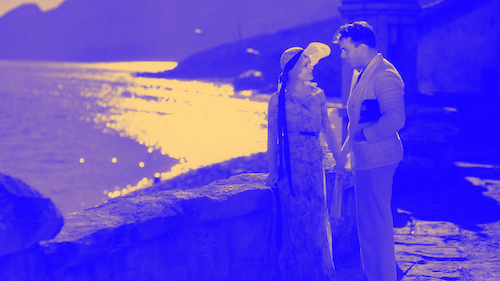
41. Seas Beneath
A decent film about aquatic descent, Seas Beneath is one of a few submarine films by Ford that is a so-so story brought to its limits by the filmmaker's quest to push the technical and production limitations of cinema to the extreme; even though the film is not stellar, it's examples like this one that remind you of how strong Ford is as an innovator. Not much will elevate this submarine film for you when Ford has a few better examples, but if you want to know what he was attempting at the start of the sound era, you may find this film interesting.
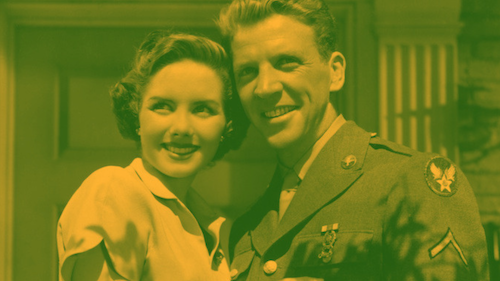
40. When Willie Comes Marching Home
Ford was known for his war films, but he wasn't as known for his comedies (mainly because they usually didn't compare with his signature genres). When he blended both together in When Willie Comes Marching Home, it read like a recipe for disaster. The fact that the film is actually not bad is almost a miracle, and part of that might stem from the fact that Ford respects those who serve too greatly to ever get pessimistic and scathing with his subjects; this isn't a glowing endorsement, but When Willie Comes Marching Home actually didn't bother me like I thought it would.

39. Submarine Patrol
Well, that didn’t take long before we bumped into another one. Here’s a subsequent dose of the Ford submarine film (I suppose you wouldn't know that he was so fixated on them if you haven't gone through his filmography). At least Submarine Patrol does show an evolution in production, world building, and excitement (albeit slightly). Most of these submarine films feel like Ford was making them for himself at any possible opportunity, and that may or may not excite you; at least Ford was keeping himself entertained in between projects.
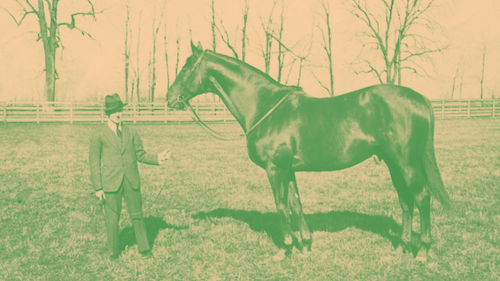
38. Kentucky Pride
We’re reached the near-halfway point, and I would also argue that the remaining films here are slight-to-strong recommendations by me. We’ll start this section off with a film you may not even know existed. If you have ever wanted to see a Ford film from the perspective of one of the countless horses that can be found in them, then Kentucky Pride is your ticket (it is his War Horse, I guess, but we follow a race horse, not one traversing the battlefield). The silent film uses intertitles to give its central equine a bit of a voice as it goes through a series of miniature storylines; it's an oddly endearing early film by Ford. He made so many submarine films; why not more where we get into the minds of animals like this?

37. 7 Women
Ford's swansong, 7 Women, is, fittingly, a western drama; however, atypical for Ford, this sendoff is driven by female characters (especially the role played by Anne Bancroft, who can never be bad). Our leading women try to fend off Mongolian warlord Tunga Khan and his not-so-merry men in Ford's attempt to subvert his reliance on macho storytelling, and it might not match the standards of today; however, for Ford, it feels like a noble attempt at progressiveness in his last years of life. 7 Women artistically is at least as stunning as anything Ford made in his late career.

36. Bucking Broadway
The obvious is that it is interesting to see such an early Ford film still exist; Bucking Broadway, from 1917, is much more than a century old at this point. This film is also fascinating because you can see that Ford is trying to make a comedy from this early on in his career, and it actually kind of succeeds more than a number of his "funnier" films from the twenties and thirties. As always, this film is shot so beautifully for its time as well.
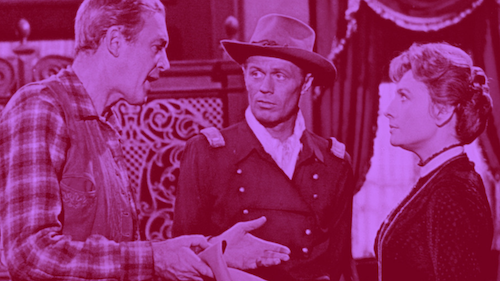
35. Two Rode Together
The biggest problem with Two Rode Together is that it feels like The Searchers lite in almost every way. Nonetheless, like Ford did quite frequently, he goes back to the same well to tell a similar story with Two Rode Together: this time, it cuts right to the part of the story with the rescuing of hostages. This is still a rather good film that feels more mysterious and cynical than Ford typically does, and Jimmy Stewart — dependable like always — shines in this commendable late-career effort by Ford.

34. Steamboat Round the Bend
Even though much of Ford's early output felt like he was trying just about anything to make a picture (no matter what the story may be), Steamboat Round the Bend is a strong early effort that feels more like it has a bit of everything within it; from a con man's murky past, to the thrills of a steamboat race that can change the course of a number of lives. It has everything that Ford was striving for in his early films: compelling characters, a gripping story, some serious thrills, technical prowess, and even some laughs. Buried underneath dozens of other beloved titles is this thirties Ford excursion that may be worth your time.
33. The Lost Patrol
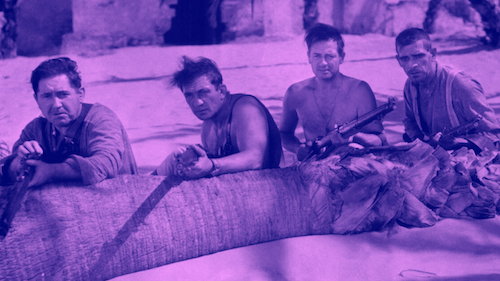
The open, endless wild west makes for a great landscape for adventurous films. However, when you lose your horses, sense of direction, and hope, that same setting is no longer a fun time, is it? The Lost Patrol is one of Ford's survival films and a neat experiment by him; he subverts his iconic genre by making this proverbial sandbox into a wasteland of delirious proportions. I also appreciate Ford — someone who succumbed to the expectations of Hollywood time and time again — allowing actual stakes to take place in this film, so its uncertainty (especially surrounding the wellbeing of its players) becomes an anxious ride.
32. The Prisoner of Shark Island
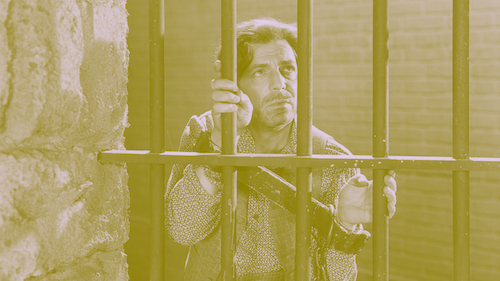
Ford's ambitions always felt level-headed; if films were flawed, it was rarely because his desires were delusional. With The Prisoner of Shark Island, he teeters on the edge like a mad man, narrowly falling in to the pits of insanity. Following a doctor who unknowingly helps John Wilkes Booth (yes, that one) heal after the assassination of President Lincoln, The Prisoner of Shark Island may embellish the accounts of what happened to Dr. Samuel Mudd a little bit, but this bonkers story sees Ford going full steam ahead. I wouldn't call this film unhinged, but it may be as close as the traditionalist Ford ever got (it's kind of excited as a result).

31. Air Mail
Ford's attempt to get on board with the chatterbox dramas of the early thirties — the likes of William Wyler or Howard Hawks — was Air Mail, and this was a noble effort, indeed. Featuring air pilots who are risking their lives to deliver mail during worsening weather conditions (especially one central courier with a main character complex, so to speak), Air Mail is a marriage between arial choreography, intense drama, and a rather melodramatic story. A film like Air Mail almost feels like Ford was becoming jaded as a human being — which we know is not true in hindsight.

30. Straight Shooting
Picture this: a Ford western where a lone ranger is caught in the middle of the existential landscape of nothingness, facing the death of the very family he is meant to finish off, only for him to choose to try to be a hero in the eyes of this broken, grieving kinship. Now, imagine that Straight Shooting came out in 1917. Ford is a young, hungry director here who didn't know where most filmmakers would draw the line, going the distance with this rather noteworthy film from the earliest days of feature-length motion pictures; it was clear that Ford was going to be a titan with films like this released during a time where most filmmakers were figuring the medium out.
29. Rio Grande
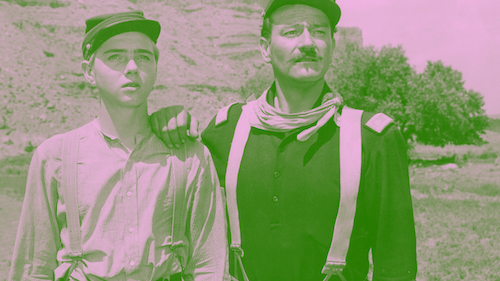
Don't murder me. Yes, Rio Grande is a classic Ford western, and it has everything you'd expect from such a film (edge-of-your-seat combat, backdrops that feel mythological, and a slew of big-named actors giving it their all). However, this film feels like Radiohead's "Creep": if this is your first Radiohead song, of course it's going to be their best. You will soon learn that there are many Radiohead songs that are far stronger. Such is the case with Rio Grande. If you want the most John Ford film ever made, it's here. However, if you want to see him go the extra mile with complex characters, breathtaking visuals, and thrilling sequences, Rio Grande will only do so much for you (at least, that was my experience). Rio Grande is a boiler-plate western: a good one, yes, but not a great one.
28. Mister Roberts
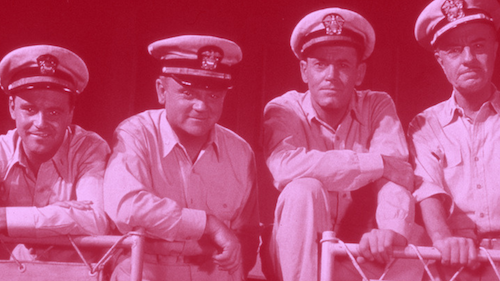
One of the Ford titles that feels like an homage to the works of Billy Wilder, Mister Roberts is far lighter and more comedic than I was expecting; while still possessing Ford's dramatic oomph regarding stories that take place during war time, Mister Roberts turns a naval ship into a bit of a screwball stage play amidst the calamity. With an insane cast (Henry Fonda, Jack Lemmon, James Cagney, William Powell, the list goes on), Mister Roberts is picked up by its undeniable chemistry and electricity where it may faulter with its tonality — if you go in wanting to see these stars light up the screen, you won't be disappointed.
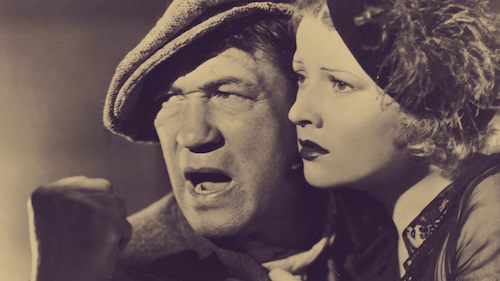
27. The Informer
While Ford never made a truly authentic noir film, a work like The Informer is as close as he ever got. He substitutes his endless landscapes for the foggy streets, following an Irish immigrant who cannot escape his past or demons. So many Ford films are about exploration and the scale of things, but it's stunning to see him capture the same size and ambition in this thirties film of regret and anxiety, especially since Ford is willing to get dark when he is usually all about optimism and heroism. Maybe Ford was trying to sneak in his authentic pre-Code title before the Hays Code kicked in for the next few decades? Whatever he was doing, The Informer works.
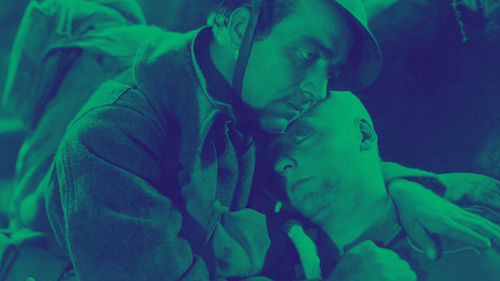
26. Four Sons
One of Ford's final silent works, Four Sons almost feels line the sendoff of the Ford of old before his next era began. Needless to say, this is a fairly emotional and enthralling film by Ford that tries to push the envelope of his aesthetic vision; there have been obvious comparisons made to the works of F. W. Murnau here, and I'm sure you'll find your own. One of Ford's more visceral war films, Four Sons looks at a house divided by combat in a multitude of ways
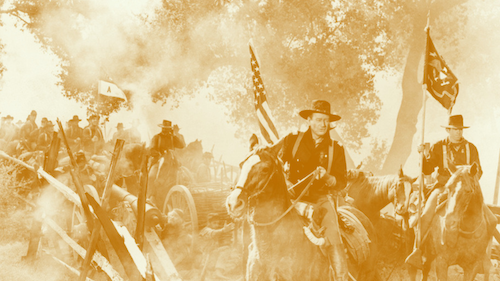
25. The Horse Soldiers
There aren't many things that set this Ford western apart from many others. How many times have we seen an American troupe venture into enemy territory? However, what might be the selling point for The Horse Soldiers is how much fun it is; as if Ford just shrugged, said he was doing another one of these films, and dove into this cinematic playground that he has set up for himself time and time again (Ford's westerns are reliable to fans of the genre, at least). You have Ford's ever-improving ability to make sterling battle sequences, exciting montages, and John Wayne and William Holden going head-to-head (team Holden any day of the week). The only thing that is substantial about this one is that you can expect little out of it and just have a good time; is that a crime?
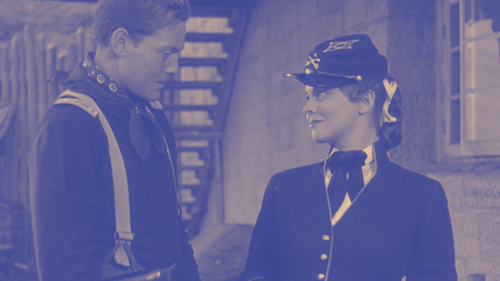
24. She Wore a Yellow Ribbon
This is the kind of western that acknowledges the shift in the genre (one of the many in an ever-transforming genre, of course). Ford sees a captain who is set to retire (John Wayne, of course) witness a new day and cause to fight: the threat of a sneak attack by an indigenous army. While the least remembered of Ford's Cavalry Trilogy, She Wore a Yellow Ribbon is still incredibly ambitious. This is true in its scale (with a budget of 1.6 million, it was one of the most expensive films of the forties), and in its subject matter. Sure, Ford would return to the western well time and time again, but here he was privy to the concept that the film medium was now old enough that they were entering a new generation of the cinematic western. He would usher in the new age with stronger works, but She Wore a Yellow Ribbon is another exciting Ford standard that any enthusiasts of his won't want to miss.

23. The Hurricane
While the elements factor into many of Ford's works, The Hurricane is far more blatant with its relationship between humans and nature. Ford cleverly allows us to settle into a fairly captivating story about a married couple who are split apart after a mishandled crisis. Even though we know what will happen given, you know, the name of the film, Ford allows much to transpire before hitting us with the titular event: a hurricane that shakes up everything in the South Pacific. Everything, from the pretty cinematography, to the story that we are now invested in, is shaken up and tossed around, making for a fairly riveting Ford motion picture that is due its flowers.
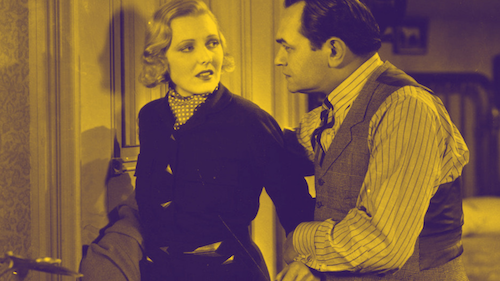
22. The Whole Town's Talking
Have you ever had one of those days where everything goes wrong? Well, there's a chance it doesn't compare to the shit that Arthur goes through in The Whole Town's Talking. While not quite as ludicrous as Martin Scorsese's After Hours, Ford's thirties film is still crazy enough that it does not feel like a thirties film. What are the odds that Arthur — played superbly by Edward G. Robinson — happens to be in the wrong place, at the wrong time, and look exactly like a serial killer who is on the loose (also played by Robinson, naturally). While overtly goofy in concept, and Ford is clearly having fun with this one, I'm also glad that the stakes feel real in The Whole Town's Talking so that you actually feel a sense of threat throughout this picture.
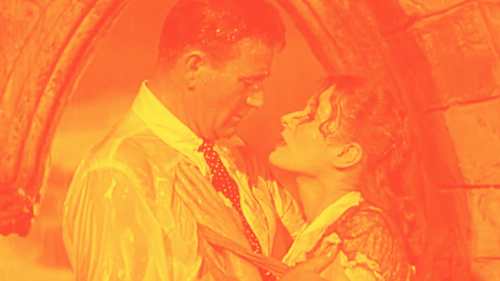
21. The Quiet Man
Oh, how Ford loves the nation of Ireland. Sure, he has made a handful of films that focus on Irish immigrants, but The Quiet Man feels like a love letter that Ford belts out at the top of his lungs while standing on the highest building. While the film can be the teensiest bit sugary, this is not necessarily a bad thing. With John Wayne at the forefront, this film — about rediscovering one's Irish roots — is as theatrical as Ford ever got, but he turns this tale of provenance into a near-fairy tale full of juicy, colourful images, a flurry of emotions, and bombastic characters who stick out in your mind. I can see why this film is polarizing: The Quiet Man will either speak your language, or it will be too rich in its taste. Should this film work its magic on you, you will find one of Ford's most passionate projects.

20. The Long Voyage Home
As you have come to learn from reading this list, Ford loved his aquatic war films. The Long Voyage Home maintains this tradition by following a ship traversing the transatlantic. While a number of his other films represented these struggles in hindsight, here Ford depicts World War II as it is happening. Furthermore, I would argue that a lot of these kinds of Ford films get wrapped up in the technical marvel of his experimentation. The Long Voyage Home feels far more immersive, as if we are stuck alongside our players (this is a story that is as much about mental survival as it is physical). Part play-on-the-water (these are adaptations of various Eugene O'Neill works, after all), part existential fever dream, The Long Voyage Home acts as the destination — where Ford's similar films were leading up to. This was well worth the wait.

19. The Last Hurrah
Whenever Ford made a film that wasn't set at some point in the distant past of American history, it kind of catches me off guard a little bit. A film like The Last Hurrah being a Ford film is still strange to me, but it doesn't matter when the end result is quite great. Ford's political drama places us in the middle of a heated election full of corruption and deception — all within the day and age of the rise of television. Even when his patriotism and filmmaking techniques feel indicative of fifties American cinema, it's strange to see a film like The Last Hurrah by Ford: one that saw the change in information distribution and the political landscape. For a director who was always looking back, this time he was — day I say — even slightly prophetic?
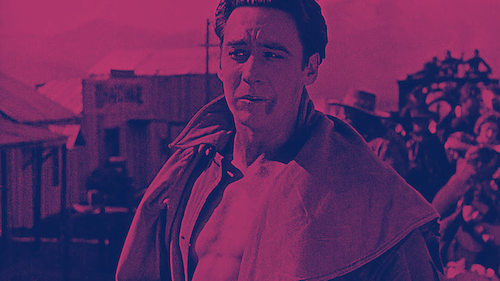
18. The Iron Horse
A significant work in Ford's silent period, The Iron Horse feels like one of the numerous bridges between the films of old and what Hollywood was becoming: an unstoppable force of revolutionary artistry. This two-and-a-half hour expressionist look at the construction of the Transcontinental Railroad mirrors the personal journey of a lone-wolf protagonist who has seen life and death all around him. This is the kind of film that could only be made by someone who saw cinema as a limitless medium — so much so that Ford seemingly knows that he hasn't even scratched the surface with his audacious shots and effects (ones that are clearly dated a century later but are still impressive because of Ford's inventiveness way back when). This is what western films could be in the eyes of a young Ford who never wanted to slow down; he has clearly surpassed this vision since, but The Iron Horse was necessary to get there.

17. They Were Expendable
Right at the tail end of the Second World War, Ford's They Were Expendable dropped. You might think that Ford and company saw victory in the near future, but, really, the weight of the war and the ghosts of the many fallen permeate throughout this navy film (in response to the attack on Pearl Harbor). Ford routinely sought out endings with ribbons tied on them, but even by 1945 he knew that such optimistic filmmaking would come off as naive; he instead tells a fuller story — one of a nation whose men have been mowed down in droves, and many of the survivors (the few who remained) would have to sacrifice again; no amount of Hollywood, chipper endings could be taken seriously after the nation knew the severity of combat and bloodshed. They Were Expendable is, ironically, one of Ford's stronger war films and not one that was by-the-numbers.
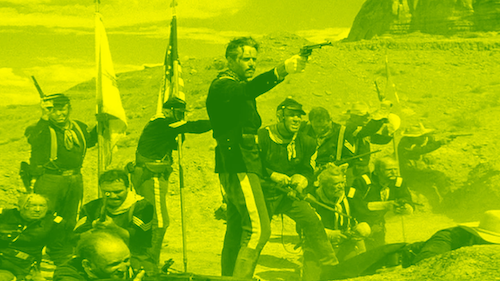
16. Fort Apache
The best of Ford's Cavalry Trilogy, Fort Apache saw Ford trying to turn a new leaf with a film that is far more sympathetic — by his and early cinema's standards — portrayal of indigenous communities within the western genre. The main draw for most is the casting of the two biggest Ford heavyweights: Henry Fonda and John Wayne (it only took over one-hundred films for fate to unfurl in this way). They butt heads in a film about opposing viewpoints that are — on paper — about the socio-politics of military life and Fort Apache; in reality, this feels more like Ford acknowledging the problems within the cinematic western (including his own); Ford also sees the futility of all of our legacies as we get lost within the sands of time (however, film can be used as a time-capsule vessel to preserve the ways we were, whilst — in the case of Fort Apache — try to correct and strengthen some of the capsules that came before it)
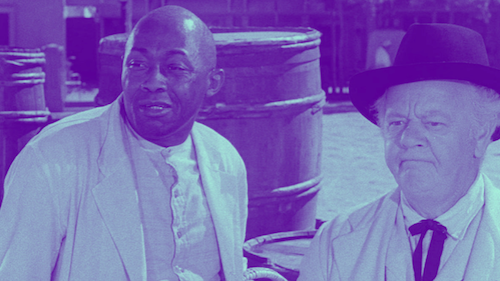
15. The Sun Shines Bright
Most Ford films are commentaries on the United States as a whole, particularly its tapestry of communities. Ford often over generalizes what he wants to say about everyday citizens, but he hit the nail on the head with The Sun Shines Bright. Ford uses the turn of the twentieth century to show a judge tackling many sociopolitical concerns — from the impacts of war, to the ongoing struggles with racism (and, yes, Ford finally feels at least a little progressive, here, in 1953). While never feeling spread thin, The Sun Shines Bright is a fuller, engaging, and thought provoking film: the kind Ford has attempted many times in the past. I think it took Ford the many years of working in the industry and the wisdom of his golden years to understand how to best tell the story of the changing times.

14. Sergeant Rutledge
As backwards as Ford once was with his depictions of minorities and women, it still stuns me that he would even be capable of a film like Sergeant Rutledge (people can change, I suppose). I say this because this courtroom drama not only aims to have an open mind about the aforementioned groups, it outright condemns how they have been poorly represented in the western genre. Huh? The titular Sergeant Brax Rutledge (played by Woody Strode, who worked with Ford a handful of times, and also has a brief appearance at the start of Once Upon a Time in the West) is wrongfully accused of murdering his superior officer, and then raping and slaying said officer's daughter. The film leans into the prejudices of the Hollywood western before combating itself as a means of paving a new path for the genre and Ford himself. Not a bad way for Ford to kick off the final decade of his career (the sixties).
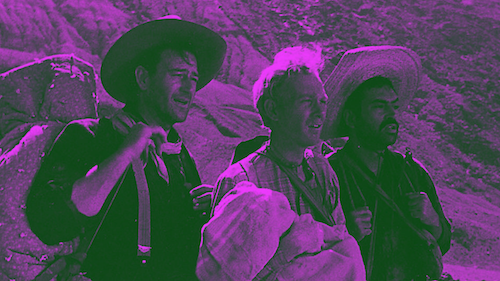
13. 3 Godfathers
We have seen a number of films where a group of men (it's almost always specifically three men) take care of a child that is not related to either of them; the comedy Three Men and a Baby; the Satoshi Kon classic, Tokyo Godfathers; et cetera. Ford's version came before most of them. 3 Godfathers is far closer to Kon's concept of what unfit paternal figures would look like caring for an infant, as three outlaws — previously on the lam — are now responsible for a deceased woman's child. They carry the baby along a trepidatious path, and their purposes in life change with this new mission. Ford allows us to fall in love with the scenery around our leads, forgive sinful men of their sins, and rethink our existences in this touching allegory of life.
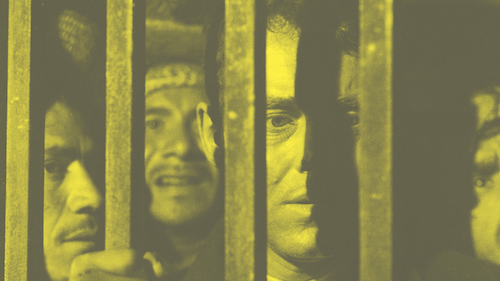
12. The Fugitive
While Ford's passion for Catholicism could often get in the way of his better judgment, with The Fugitive he churns out a harrowing look at persecution. Ford's adaptation of Graham Greene's The Power and the Glory places us behind a priest who is on the run after all other clerics have been tried. Even though this could have been a heavy handed look at the way religion was — and is — subsiding in the United States, Ford leans into his aesthetic side with this one, gracing us with a brooding, obsidian landscape, as if hell indeed was here on Earth; we have our lone priest, played by Henry Fonda, to cling on to as he guides us through the darkness. Seeing Ford get introspective like this feels rare, and The Fugitive is easily one of his most overlooked films that you should check out.
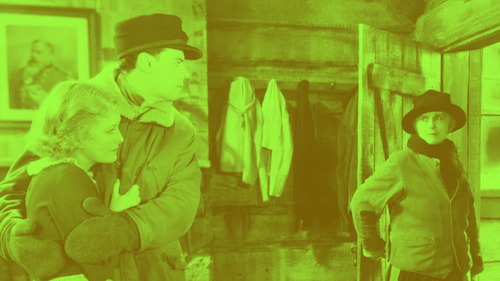
11. Pilgrimage
What does actual love look like? Is a mother's adoration for her son contingent with her making sure he always has a place at her home? What if a mother fears another woman taking her son away? Ford's Pilgrimage is a haunting, punishing fable involving a mother's refusal to allow her son to marry, thus enlisting him to fight in World War I. What was meant to protect their relationship obviously turns for the worse due to her overprotective nature. Even though you can figure out how this film will turn out pretty early on, Ford's craft makes it all worth seeing, nonetheless. I think that it goes without saying how much you feel Ford's best films (even with all of the visual excellence happening at once), and Pilgrimage is most definitely a film you experience in the pit of your stomach and in the depths of your heart — especially when the titular, preventable pilgrimage takes place. How far do we go for love? Said pilgrimage proves that, sometimes, it's not far enough or it's too little too late.
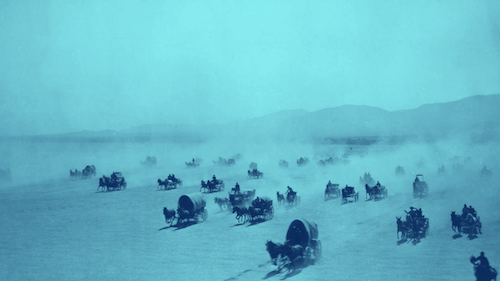
10. 3 Bad Men
Before 3 Godfathers — where outlaws take care of an infant — there was the silent film 3 Bad Men: a similar story but with a young girl instead. Our trio of bandits understand their roles as providers for this grieving, helpless girl during a gold rush, and Ford uses the Sioux lands to show the massive size of the world that threatens to envelop her. I do mean that this film feels gigantic, which is a major accomplishment when 3 Bad Men is only ninety minutes in length; this film feels like a three hour epic, and I mean that in the best way possible. Within this classic are changes of heart, the grappling of sinful pasts, and the promise to cleanse society with purity and love — all building up to a painfully bittersweet climax of the different kinds of destiny (those that are written in the stars, and those dealing with the fickle fate of damnation). When someone has made as many silent films as Ford has, they will undoubtedly have a top of the pack. However, 3 Bad Men is clearly his greatest silent work not just because one has to be; it is an astonishing, dynamic, exquisite affair.
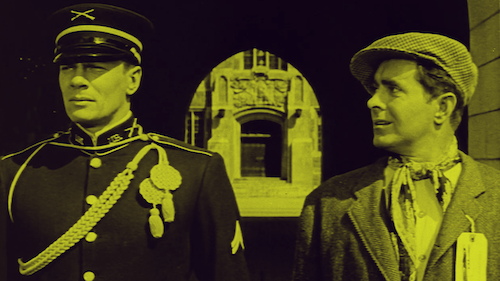
9. The Long Gray Line
Two Ford staples are the war film and the story of Irish citizens. The Long Gray Line combines both worlds with one of Ford's greatest achievements. Based on the true story of Marty Maher's experience in the United States Army, The Long Gray Line presents this luminary life via a powerhouse performance by Tyrone Power. Following Maher's life from the bottom of the academy all the way to the top, this generational study is simply exquisite. Most impressively is Ford's commitment to letting Maher's words tell the story, so much so that this becomes a tonal tapestry of all kinds of feelings: even joy and amusement. With all of these coursing emotions throughout this underdog story of triumph and legacy, The Long Gray Line undersells itself via its title because the entire journey is beautiful.
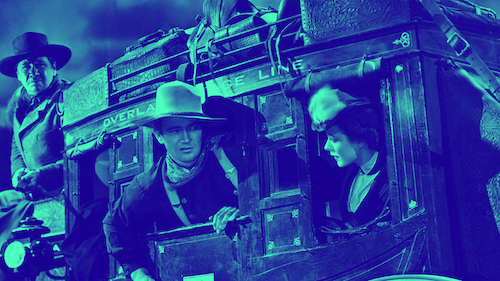
8. Stagecoach
While going through all of Ford's surviving films, I've learned that he has had a number of films you can consider his breakthrough. To many, his truest breakthrough film would be Stagecoach, and it's easy to see why when you consider how greatly it revolutionized the western, Ford's career, and cinema as a whole. If you picture the inside of the titular vehicle as a Broadway play (which many of the earliest films replicated), you can say that Ford's film took the narrative structure of cinema as we once understood them and placed them in the middle of the Americas, during Geronimo, and in perpetual movement on wheels. That is extraordinary. Consider how even without this context that Stagecoach is a quintessential western, and you can see the magnitude of this film and how special it is. However, as great as Stagecoach is, I do believe that Ford has some other films that are even stronger (the top ten of seventy-five films is not too shabby); sorry to the Stagecoach purists who have declared it the greatest film ever made.

7. How Green Was My Valley
The older I get, the more I love this film. I think when I first saw How Green Was My Valley, I got caught up in the sugariness of Ford's strongest film about Ireland. As I have gotten older, the concept of sentimentality no longer feels threatening or offensive to me; when handled correctly, it can remind you of the importance of staying alive and fighting through the hardships of life. In this film about a coal mining family experiencing different generational pivots and concerns, Ford accurately prioritizes every walk of life here, allowing us to relive our youths, reflect on the present day, and marinate on what may be to come; even if the film is stuck in the early 1900s, its lessons withstand the test of time. Swedish auteur Ingmar Bergman has said that Ford is his favourite director, and with a film like How Green Was My Valley, you can see how: both directors knew how to marry the brilliance of nature, the miracle of civilization, and the curse of existentialism — I'd argue that Ford's film here boasts more optimism about the extraordinary capabilities of everyday people.
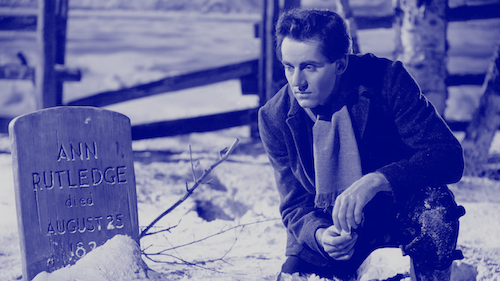
6. Young Mr. Lincoln
You think of a Ford film about Abraham Lincoln, and you would assume that it is a rah-rah political drama that would be as on-the-nose as a goose was on Fabio's face. However, the reality is far more interesting. Here is Young Mr. Lincoln: Ford's great legal drama, with Lincoln in his early days as a lawyer (of course, he is played by Henry Fonda). In a developing nation, Lincoln discovers what kind of America he wishes to live in (and, subsequently, to lead) when he takes on a challenging trial where he is to defend a pair of brothers who are charged with murder. This film is an extraordinary courtroom picture: one of the finest in cinematic history. While enough of Young Mr. Lincoln is fictionalized in favour of the legal story at hand, Ford still strikes up a superb conversation about where the honesty and integrity of such a celebrated president may come from (especially in Lincoln's efforts to serve others before himself). This is an overtly patriotic film handled correctly: one that creates a parable using historic lore as a means of better understanding the foundation of such a figure and the nation that houses him.

5. Wagon Master
Ford never really has to sell his audience on a story, given that he was one of the first experts at the cinematic spectacle. However, most of his films are certainly driven by plot, Then, there is Wagon Master: a film that exists like a stretched-out moment in time that encompasses all of life itself via the natural wonders of the world. All of this is contained in a humble tale of a pair of horse traders leading a Mormon wagon to the San Juan Valley; they represent everyday people, but Ford frames them almost like biblical beings affecting the course of existence. Through their discoveries and tribulations, Ford is able to tap into a bevy of life experiences and morals; as those wagon wheels keep on turning, so do the cycles of life. In less than an hour-and-a-half, Wagon Master makes us feel like we have seen and felt it all, with an ending that promises that there is more to come (and that we have only seen the end of this current day). What makes Wagon Master extra gorgeous is how Ford captures the world, making his characters — and us — happy to see another day and wake up to this welcoming world (even if the people who inhabit it aren't nearly as pleasant); it feels like Ford knows that the planet will keep on turning and evolving, whether we wipe each other out or we learn to co-exist.
4. The Man Who Shot Liberty Valance
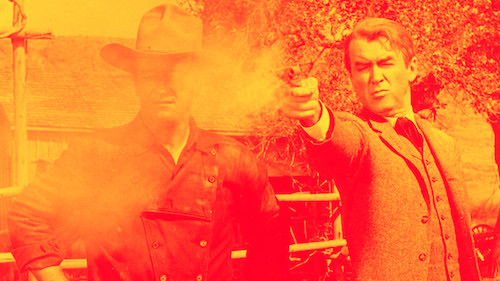
Ford's final masterwork continues to rise in its millieu, and rightfully so; in ways, it feels like this is the film he has worked towards his entire life and with over one-hundred attempts. Much of this film's success is its tale told in hindsight: a sign of gratitude in the face of scathing urban legends. Senator Ranse Stoddard (Jimmy Stewart) recounts how his life was forever changed by the now-deceased farmer whose funeral he is attending, and we get a glorious tale of the wild west. Now, this is likely a provocative thing to admit on a list honouring John Ford, but I am not the biggest fan of John Wayne (especially as a person). As an actor, he was solid and got the job done, but I have never gone out of my way to watch a film just because he was in it. Well, for me his best performance is unquestionably his work in The Man Who Shot Liberty Valance — it's like watching a veteran who is looking back and unsure of how many other hurrahs he has left in him (The Shootist is similarly a Wayne masterclass for that very reason). Everyone knew the western was also subsiding. Proverbially, Ford and Wayne locked eyes and shook on it: this might be their final ride together into the sunset. Their nostalgia, vulnerability, mastery, and last dregs of energy make this one an all-timer.

3. The Grapes of Wrath
John Steinbeck's legendary novel got adapted into one of the great American films of the forties: right at the start of the decade (and only a year after the book was released). I was a teenager when I first saw The Grapes of Wrath. It was my first Ford film, and I thought it would define his cinematic style. If anything — outside of the story of a working-class family and the struggles of Americans during economic hardship — this feels more like an outlier of Ford's catalogue now that I have seen as many Ford films as I possibly can. This feels more in tune with the neorealist works of international cinema, with Steinbeck's literature as guidance across the country during one of its most tumultuous eras: the Great Depression. Henry Fonda's Tom Joad almost feels like the ghost of the American spirit permeating through the dangerous pilgrimage to freedom (only for the Joads — and others — to find that California is not the paradise they had heard about). Fonda's Joad also cannot escape his dark past, but would an incarcerated life not provide more shelter, sustenance, and wamrth than the America where millions are dying from poverty? Ford's crushing and devastating masterwork will forever be relevant, haunting, and impossible to not cry to while watching.
2. The Searchers
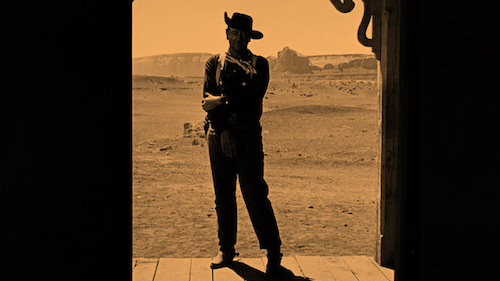
I know that the reputation for The Searchers has somewhat dwindled over time because of the dated representation of the Comanches, and I can also see why other iconic westerns may stick out more than this one to some. However, for me, The Searchers is still as visceral as when I first saw it. I have always adored the psychological angle of this film: one that feels missing from so many other classic westerns. You can feel the toll such a trek would have on one's mind. You saw a veteran's niece truly believe she was someone else and that she belonged to this new family now. You sense the responsibility of guilt and grief in this harrowing rescue mission. Then, there is the fact that The Searchers is one of the best looking westerns ever made. With the fortune of today's technology, you can pause at any moment and relish in the aesthetic richness of literally any shot in Ford's film; every microsecond is a stunner. Toss in the devastating acts of sacrifice, the heartbreak of losing loved ones (in a multitude of ways), and the glorious turning of the seasons in this visually breathtaking film (even the snowy plains of winter are present), and you have a western film that resonates from within you. This was my pick when I was considering Ford's masterpiece, and it has been that way for most of my life. However...

1. My Darling Clementine
I try not to get too personal when I write these lists, and you haven't read through seventy-five of these entries just for my main character energy. However, I feel like it is at least partially important this time around to open up. I have run Films Fatale for over seven years at this point, and I receive emails on a regular basis. When I went through my initial round of my top one hundred films of each decade, many of you pointed out which films I neglected to include. The film I received the most emails about is Ford's My Darling Clementine. In all honesty, I don't even know why that happened. How did this iconic film slip my radar for so many years? How did I never get around to it once I learned about it? When conducting research for my lists, how did I miss this title yet again? Once this matter was brought to my attention time and time again, I wasn't being stubborn by not watching it: I was saving this moment for when I would finally go through all of Ford's films — which I have now done. To quote J. J. Giddes from Chinatown: "When you're right, you're right. And you're right!" This omission is probably my biggest oversight in Films Fatale history; I knew it was a glaring mistake that I didn’t get to this film sooner, but — my — was my site empty without this one; we should probably change that…
What is now my preferred take on the Tombstone story, My Darling Clementine follows the famous Earps (including Henry Fonda as Wyatt Earp) after their lives have been shaken up and they wish to go toe-to-toe with the rival Clanton family. The way Ford captures Tombstone — as if it is its own character — is indescribable: to watch bodies fall within it is to see how the hearts of loved ones break when they lose someone. While many historical dramas prioritize romances and lose sight of both sides of their story, My Darling Clementine might be one of the strongest examples of a film — especially a western — that can handle both: with the romance serving as the purpose of one's existence and what they stand to lose if anything heads south. Everything builds up to its climactic showdown — after much blood has already been shed, it is time for the final spillage, and we know what all of the stakes are. Ford's film also redefines what gunslingers being too big for a town can be; with My Darling Clementine, what lies in the aftermath — and the legacies and ghosts that persist — are reason enough to leave. Can we live with what we have done, even if it was for the greater good? Tombstone remains standing, regardless of what goes down within it. The story ends here, but you get the sense that there are many just like it all over the western landscape; how can this film feel so small in scale yet so gargantuan at the same time?
My favourite westerns are usually revisionist in some sort of way. Sergio Leone's Once Upon a Time in the West bid farewell to the westerns of old while acknowledging the thirst for carnage that new audiences craved; he responded with great and pulverizing beauty. Robert Altman's McCabe & Mrs. Miller subverted the iconoclastic tropes of the genre with something that felt quaint, introspective, and hyper realistic albeit poetic. Sergio Corbucci's The Great Silence revels in nihilism via freezing temperatures and the refusal to resort to the great Hollywood deus ex machina when a hopeful ending is impossible. The most traditional of these films is Ford's My Darling Clementine, and, even then, it almost feels revisionist for Ford. This is a film where we do not ride off into the sunset with our protagonists. We do not get swept up in the glory of bullets: only in the adoration of life partners who we may now destroy should we die in a blaze of anything but glory. We do not acknowledge the entirety of the United States: we are forever tethered to Tombstone. While The Searchers might be the John Ford film through and through, I have come to admire and appreciate what My Darling Clementine has to offer more: an American auteur who recognizes that things can change as much as people can. Instead of trying to tell a story about America, he delivers the great American story with My Darling Clementine: an unforgettable, sublime, near-perfect western masterpiece that ranks amongst the best ever made. Yes. I will admit it. You all told me so.


Andreas Babiolakis has a Masters degree in Film and Photography Preservation and Collections Management from Toronto Metropolitan University, as well as a Bachelors degree in Cinema Studies from York University. His favourite times of year are the Criterion Collection flash sales and the annual Toronto International Film Festival.