
Filmography Worship: Ranking Every Ernst Lubitsch Film
Written by Andreas Babiolakis
Filmography Worship is a series where we review every single feature of filmmakers that have made our Wall of Directors
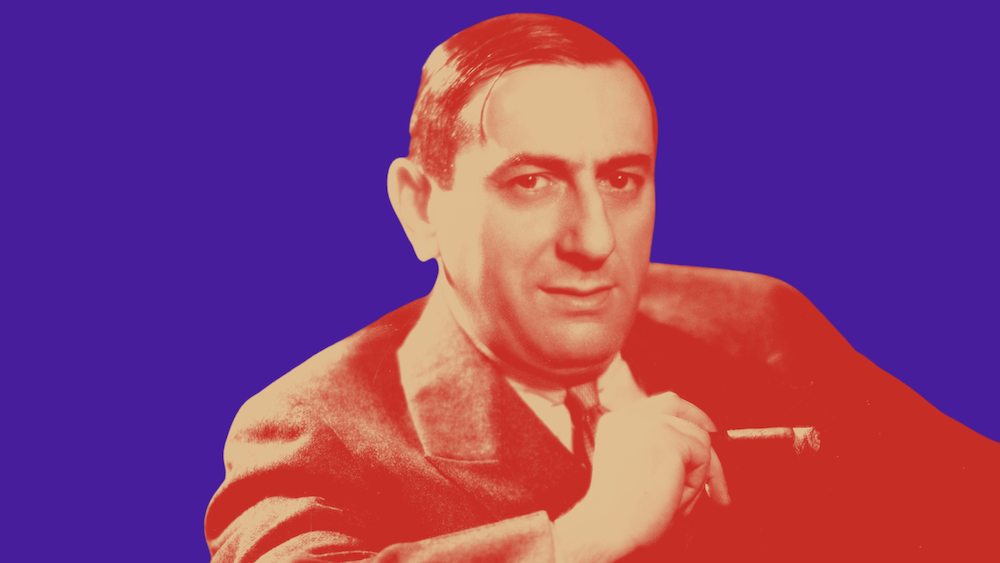
Before being "Hollywood" became a code word for "safe," there was Ernst Lubitsch: one of the integral voices in the Golden Age of Hollywood. Present from the earliest day of feature films (the silent era of the 1910s), Lubitsch saw the shift in the film industry time and time again. While many directors, like a John Ford or a Fritz Lang, were trying to create what cinema could be via their art, Lubitsch was more of a prophetic soul who read the tea leaves and prepared himself. He understood the waltz of art: with innovation came regulation. As film would advance, many would try to hold it back. Born in Berlin in 1892, Lubitsch started out as an actor before transitioning into filmmaking, where he became quite prolific. For around a decade, he made around forty feature and short films in Germany (sadly, many have been lost in time). He moved to Hollywood in 1922 at the age of thirty and wasted no time there either. Again, he was always ahead of the curb. He saw that sound films were on the horizon and prepared with some of the earliest musicals. He could see a shift in how cinematic comedy was presented (from slapstick to something a little more sophisticated) and he unleashed a number of classics of the genre.
Then, it was as if he could sense that film's progression was going to be controlled. While the Hays Code came quite some time after Lubitsch started making sound films (its censorship was completely felt by the mid-thirties), he was seemingly preparing for years before. This is what's known as the Lubitsch touch: the insinuation of something. A film couldn't show certain things like sex or nudity (or even discussions of the like), but Lubitsch figured out a myriad of ways to tell the story he wanted that could bypass any sort of censorship or scrutiny. Lubitsch's little maneuvers would redefine what subtext in a film could be: as if an entire plane of the medium was just discovered, and filmmakers could now add more to their story by offering less. Essentially, Lubitsch made his audience piece together certain ideas and concepts since he wasn't allowed to outwardly put everything on the big screen. The innuendos, references, and subtle visual gags would become a guide for then-future filmmakers. However, I feel like many Hollywood directors used these methods to soften their films; they can feel safer and cheaper. Lubitsch was doing this out of necessity and, in ways, he was kind of a daredevil with his practice. Lubitsch and most of the many he influenced were not operating in the same way.
Throughout his career, Lubitsch made various kinds of comedies — from classy, prestigious fare, to dark and satirical takes. He made films that could be both sweet and cheeky. He is seen as one of the — if not the — originator of the romantic comedy (or the rom-com) as we know it, and it is easy to see why with the bulk of his classic works. He was one of the biggest success stories when it came to directors hopping from silent films to talkies; unlike the majority of his peers who had lengthier careers after the changeover, Lubitsch sadly wasn't so lucky, passing away at the young age of fifty-five in 1947; I would have loved to have seen even more from this director, especially when the Hollywood Code was abolished. We still have roughly forty films to cover today, at least. I will not be covering any of his lost films, but one of those omissions is a crying shame if you are an Oscars enthusiast like I am. The Patriot is a Best Picture nominee that essentially no longer exists (outside of fragments of footage). If you, like me, want to go through every Best Picture nominee ever, we will fall short with at least one title, and it sounds like it was a fairly good one at that. I also won't be covering Lubitsch's short films, considering how many are lost and how his feature films left a bigger impact on cinema (maybe I'll include the surviving shorts another day). Here are the feature films of Ernst Lubitsch ranked from worst to best.
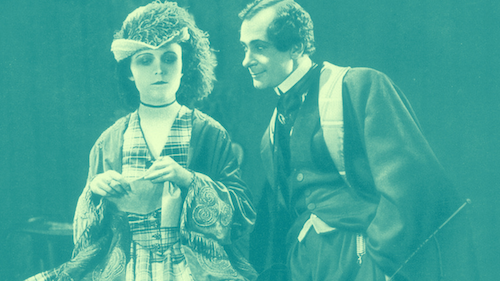
41. The Flame
Only fifteen minutes of shoddy footage remain of The Flame or Die Flamme, so grading the film feels a little tricky. However, what I can say is that the little that I saw from this Pola Negri-starring vehicle is that it looks like it would have been a stunning, visceral look at personal vices and inner demons. Sadly, what we have here is barely a film; it's like if I were to pretend that I watched all of Breaking Bad just because I've seen a few reels on Instagram featuring clips from the show. I have found a couple of other Lubitsch works far more frustrating or poorly aged, but at least I can say that I have seen them in enough of a complete form — if not in their entirety — whereas I cannot say the same for The Flame, which likely would be far from his worst film (but we just don't have enough to work with, here).

40. Meyer from Berlin
An early film with Lubitsch directing himself (this time, he is Sally Meyer: a sleaze bag who wants to fake being critically ill so that he can abandon his wife and sleep around in the Alps). Our idiot protagonist winds up in Bavaria by accident, but this doesn't slow his pursuit down. Between Lubitsch not having the best presence on screen to the extreme unlikability of his character, Meyer from Berlin is not his finest hour in front of or behind the camera. I suppose some of the film's ideas and gags are decent, but I wish I wasn't so repulsed by who the majority of these instances happen to or by. It is also worth noting that the only surviving print is missing bits of itself, but I don't think this lost information would really help this film at all.

39. The Eyes of the Mummy Ma
You know what the Lubitsch touch reminds me of? Mummies. Yes, apparently the German-American director has at least one mummy film under his belt, and it's the 1918 silent picture, The Eyes of the Mummy Ma. Lubitsch does try to bring something new with the genre here, offering a strange horror-romance-adventure hybrid, but the film is also just too wonky for much of it to work. Toss in legendary actor Emil Jannings and the fact that he is donning blackface (ugh), and The Eyes of the Mummy Ma is just a sloppy, peculiar film that doesn't even feel like a Lubitsch title in any way, shape, or form.
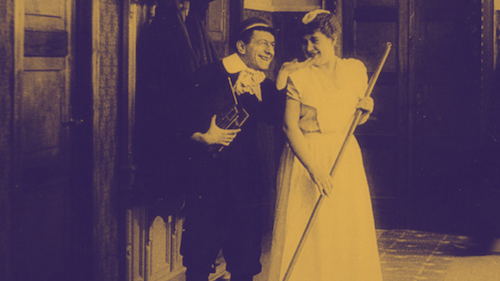
38. Shoe Palace Pinkus
Another film with Lubitsch the performer. While it is a delight seeing Lubitsch direct himself as the lead of a film (there aren't too many surviving works with Lubitsch acting in them), Pinkus's Shoe Palace is a bit of a rags-to-riches comedy that doesn't work as well as the many others we have been blessed with in the silent era. Lubitsch plays Sally Pinkus who just doesn't win me over like other buffoonish or clumsy characters, like Charlie Chaplin's Tramp. Instead, Pinkus just feels a little frustrating, to the point that I don't really care if he achieves making his shoe palace or not. This isn't a terrible featurette by any means, but I think this one should be left for Lubitsch purists.
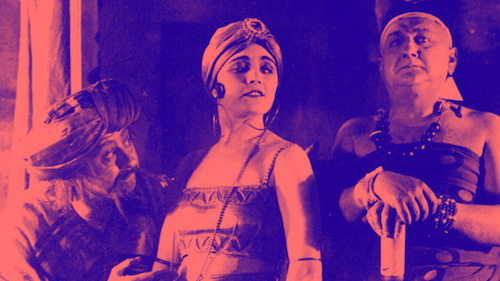
37. Sumurun
While Lubitsch was best known for his romantic comedies, it is interesting to see the handful of times he tried to stretch his creative muscles a little bit. Sumurun is quite a departure from what you may expect from Lubitsch, seeing as it is an alluring, elaborate, costume drama about a monstrous sheik's ownership of a slave (and her budding romance with a merchant). Not much is played for laughs, here, but, as serious as Sumurun tries to be, it is first difficult to ignore the racist overtones throughout the picture; additionally, the film is only aesthetically ambitious (or, at least more than it is narratively).
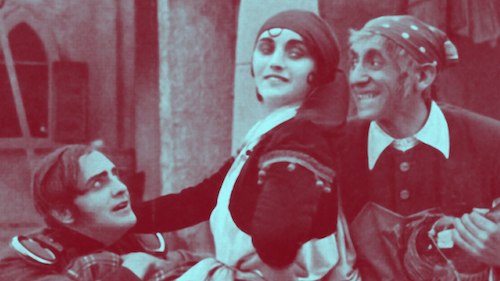
36. Carmen
If your only frame of reference of Prosper Merimee's Carmen is any operatic rendition of it, then watching Lubitsch's silent version may be quite jarring by comparison. The story is mainly the same: the one of Don Jose and the alluring, titular Carmen (Pola Negri does a great job in this leading role). However, the biggest shame is how this film looks quite lavish but reads as highly simplistic. If anything, we have so many Carmen adaptations to choose from, that, while this isn't the worst that I have seen, Lubitsch's take is just too basic and straightforward to stand out in any way (outside of it bearing his name).
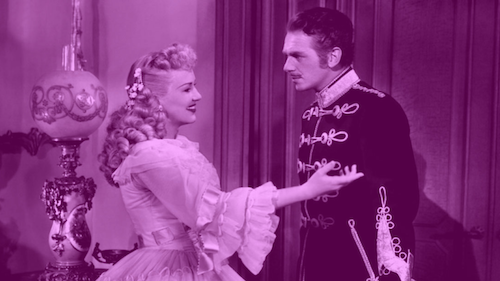
35. That Lady in Ermine
Lubitsch didn't live to see the release of his film, That Lady in Ermine; in fact, it was incomplete when he died, and Otto Preminger picked up the pieces so that his friend's project could see the light of day. Preminger tries his best with this fantasy-musical romp: one with paintings that come to life and near-surreal visions. However, try as Preminger might, you can tell that this title needed Lubitsch's finishing touches. Sure, the comedy, romance, and dignification are all present here, but That Lady in Ermine is missing that je ne sais quoi that the filmmaker was known for: that certain spark and zest that made Lubitsch pictures leap off of the screen. I am still glad that this film was finished and exists, but it feels like a great meal that is missing salt and pepper: it's not quite there.
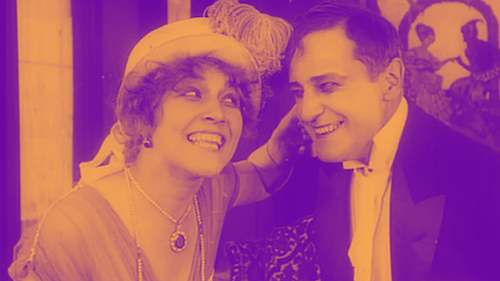
34. The Merry Jail
While a bit better than some of the early Lubitsch comedies that fall flat, The Merry Jail feels like the next logical step in his career while never getting close to his peak potential. In this film, Alice tries to catch her husband off guard and while in disguise at a masquerade ball after his inebriations and mistakes have caught up to him. The idea here is that Lubitsch hopes to set up a series of confusions and shenanigans, but The Merry Jail never quite gets to any meaning place either as top notch comedy or as a film of manners, pretenses, and morality; it kind of just exists as a sixty-minute romp, and that's that.

33. Monte Carlo
One of the handful Lubitsch pictures about misunderstandings is the early sound film Monte Carlo: a fun little operetta. While Lubitsch was already experimenting with musicals before this one, it feels like he is trying to push the capabilities of sound recording further and further with interesting set-ups, vibrant artistry, and intricate numbers. I feel like the story takes a bit of a backseat to the technical element of Monte Carlo, which isn't the worst thing but I feel like — by today's standards — the aesthetic and innovative elements of Monte Carlo aren't strong enough to carry the film on their own; this is a solid film nonetheless, but I feel like it shows the signs of potential greatness that wasn't reached.
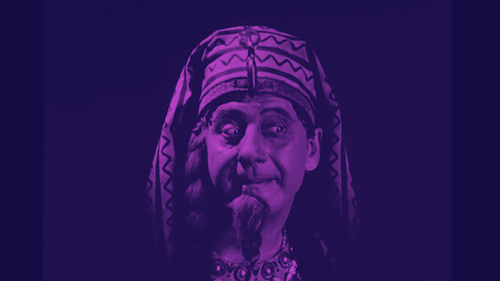
32. The Loves of Pharaoh
On one hand, The Loves of Pharaoh is incredibly ambitious with how it is constructed: from the massive sets to the fascinating costumes and makeup; all of this to set up a film about a politically arranged marriage (one that feels very Lubitsch in nature: loaded with commentary on manners, classes, and expectations). But then comes the film's flaws. There are the concerns that always were there, like the story and characters feeling quite flat compared to Lubitsch's standards. Toss in the parts that have aged poorly (like actors, including Emil Jannings, playing other races) and you have a film that is equal parts spellbinding and puzzling.

31. That Uncertain Feeling
What a fitting title. There's the obvious, which is Lubitsch's signature move to probe into the peculiarities of the human relationship. Here, it's a woman who only begins to question her marriage to her husband when she sees her psychiatrist who may have steered her in the wrong direction. Then, the title is fitting because it feels like a sloppier late-career effort for Lubitsch: one that tries to throw everything at the wall in true screwball fashion — without ever landing on one cohesive tone or feeling. This is a fun effort, but I would also call it just fine overall; I'm not certain of what Lubitsch was trying to pull off here (and there's a chance that he wasn't sure, either).
30. Three Women
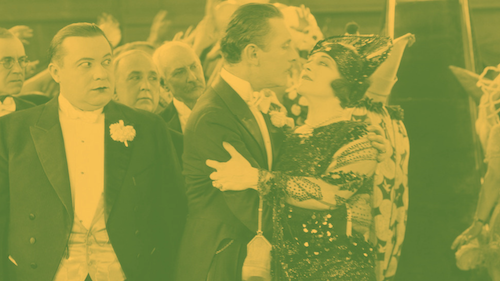
So Lubitsch's Three Women deals with complicated relationships, hidden motives, and loads of backstabbing. That doesn't sound foreign to his filmography: one full of the many ways he tried to reshape the comedic or dramatic romance. However, Three Women is a bit of an early exercise in cynicism for the director, and while he lays it on a bit thick here, I think it was important for Three Women to exist seeing as it would lead to his stronger sense of satire and social commentary; on its own, Three Women is still quite decent, albeit slightly heavy-handed.
29. Forbidden Paradise
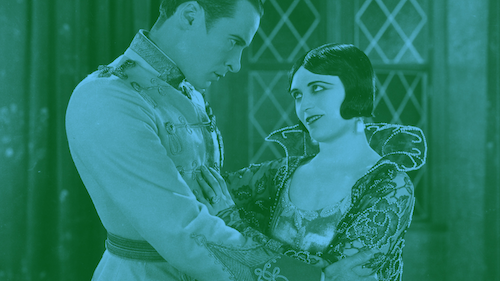
If you had the opportunity to give up the love of your life for a queen, would you do it? Probably not, but Lubitsch's Forbidden Paradise sees an officer save a Czarina and give up everything to be her king (of sorts). The problem is that she has promised her heart to a few others as well. There seems to be just a little bit too much going on here with all of the relationships — existing and potential — going on, and Forbidden Paradise just doesn't feel ironed out or smooth, but I feel like his experimentation here helped him get to some stronger, similar films down the line.
28. Kohlhiesel’s Daughters
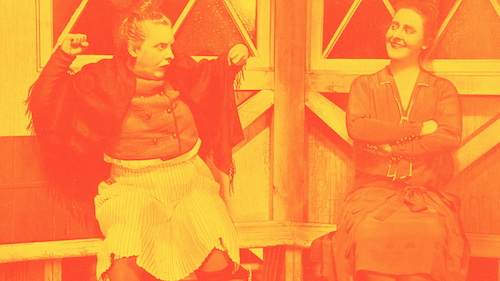
An adaptation of William Shakespeare's The Taming of the Shrew, Lubitsch's Kohlhiesel's Daughters is a bit of a strange one (for better or for worse). A suitor wants to marry a woman, but her father insists that he marry his other, more gruff daughter first before dumping her and going with his original choice. A bit insane, no? The idea seems decent — albeit slightly psychotic — but this Lubitsch affair also feels a bit misshapen (both over long and rushed, depending on what part of the film you are at). I'd say venture forth only if you are morbidly curious about a premise this ludicrous.

27. Bluebeard’s Eighth Wife
When it comes to marriage, eighth time's the charm, huh? Lubitsch's romantic comedy, Bluebeard's Eighth Wife, sees Claudette Colbert and Gary Cooper butting heads. Cooper is a multimillionaire who wishes to wed once again, and his wife-to-be is Colbert who worries that he will, once again, get the itch to move on to another girl. While both actors are strong in their own right, Colbert is certainly in her element here, while Cooper — who is usually the stern, bold, and rough force of his films — doesn't blend in as nicely as I would have liked in this film. At least you get some very early writing by one Billy Wilder (and his frequent co-writing partner, Charles Brackett), whose fingerprints are all over this title.

26. Madame Dubarry
Another more serious silent, historical drama by Lubitsch is Madame Dubarry: a detailed, boisterous account of the mistress of Louis XV and a depiction of the French revolution told with elaborate costumes and set work. Following Dubarry's rise through the ranks, the film depicts various social and working classes through her progressions; everyone she comes across will play a part in her aftermath (including the bridges she had hoped to burn). Madame Dubarry is a little over long but this is a decent costume drama by a filmmaker who is not known for this wheelhouse, and it might be worth a bash if you are curious about Lubitsch's more bleak and tense side.
25. Rosita
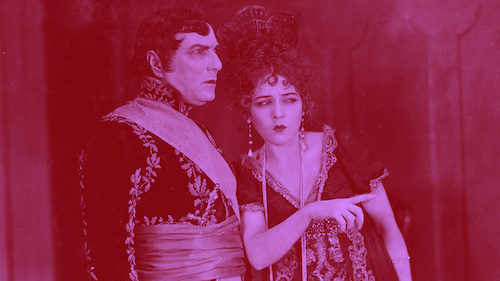
Lubitsch and megastar Mary Pickford are a match made in heaven; it is too bad that they didn't really see eye-to-eye and make more than one film together. What we do have is Rosita: a curious rom-com. Rosita (Pickford) has been incarcerated by the king alongside her lover, Don Diego; the latter is sentenced to death. However, when the King — who loves Rosita — transfers her to her own little domicile with a nobleman who is to be her husband, who is this mystery man really? Diego in disguise, of course! While some of Lubitsch's earliest films felt needlessly complicated, he figures out how to stir the pot a little bit (but not too much) with Rosita: a playful, quirky, provocative silent romp that proved that he was figuring out his formula once and for all.
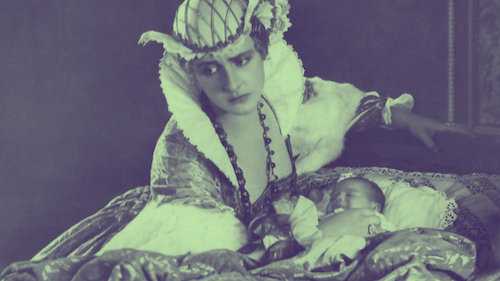
24. Anna Boleyn
Another one of Lubitsch's more serious costume dramas, Anna Boleyn is exactly what it sounds like: a 1920's attempt at depicting the life and death of the second wife of Henry VIII. Unlike some of Lubitsch's other like minded efforts from the early years of his career, Anna Boleyn actually works better than some of the entries I have covered already. Here, Lubitsch seems to understand the assignment and still manage to go about things in his way. He dives into the established history of the two royal figures while analyzing their marriage not as these major figures but as spouses in trouble. If Lubitsch was excellent at making everyday people feel magical, in Anna Boleyn, the opposite seems to be true as well: he was able to make the untouchables feel ordinary.
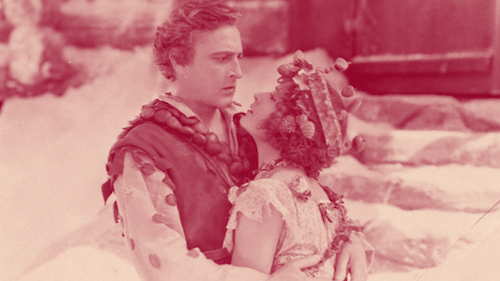
23. Eternal Love
Even though Lubitsch would display some of the more fascinating early experiments during Hollywood's transition from the silent to sound eras, he made his final silent film count. Eternal Love is one of the many films of its time with synchronized sound effects and music without actual dialogue, and Lubitsch uses the slopes of the Swiss Alps to create his sonic landscape. With John Barrymore and Camilla Horn playing a married couple whose love is on the rocks (heh), Eternal Love is quite a unique film in Lubitsch's career that is as special to watch as it is conceptually.

22. Romeo and Juliet in the Snow
Another adaptation of a William Shakespeare play, Romeo and Juliet in the Snow is far stronger and creative than Kohlhiesel's Daughters. Like the aforementioned effort, Romeo and Juliet in the Snow is not a direct adaptation but, rather, Lubitsch's unique spin of a legendary title. He places our title characters in a Bavarian village during the wintertime, and turns this tragedy into a satirical, screwy comedy; instead of watching thespians leave it all out on the stage, Romeo and Juliet in the Snow likens serious acting to children frolicking about in the yard outside. It's kind of audacious in that way — as if Lubitsch was killing all of the pretense of high performance art with a film that provides a similar story with none of the prestige. This is a damn fun time.
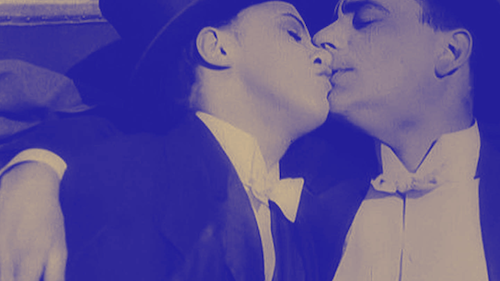
21. I DOn’t Want to Be a Man
Forget pre-Code, Lubitsch was an entire century ahead of his time with a film like I Don't Want to Be a Man: one that defies gender expectations and identities. Following a tomboy who is tired of a life where women are told what to do and how to behave. So she disguises herself as a man in hopes that life will be easier for her, only to see that, no, she doesn't want to be a man either (hence the name of the film). While it may seem that Lubitsch is trying to play both sides (that men also go through hardship), I see something a little bit more freeing and interesting in this 1918: the blurring of gender boundaries and the exploration of what films could show.
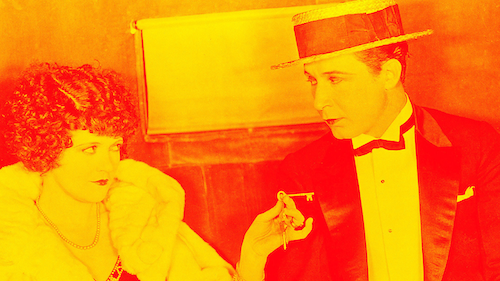
20. The Marriage Circle
Oh, married life can be so awful! Who wants to live in a dysfunctional union between you and a partner with whom you always argue with? In The Marriage Circle, Lubitsch pits together an unhappy wife and her friend's new husband (someone who doesn't quite know how unpleasant married life can be — well, at least in the eyes of our leading, disgruntled couple). This is clearly a preliminary attempt by Lubitsch to cross the wires of lovers, knot their heart strings, and find hilarity within misfortune and deceit. Lubitsch would revisit this well with better results, but The Marriage Circle is unquestionably one of his films: it is drenched in his signature style.
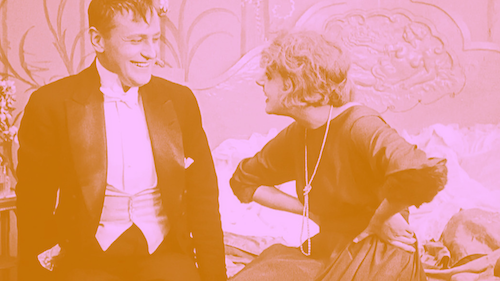
19. The Oyster Princess
Do you want to have a blast? If early silent films aren't a deterrent to you, your next dose of insanity could be The Oyster Princess from 1919. In just under an hour, Lubitsch's The Oyster Princess features a tycoon's efforts to marry off his daughter (she is played by Lubitsch veteran Ossi Oswalda). What ensues is a parade of nonsense and stupidity — with hit after hit landing again and again. From massive doses of confusion to a rare case of foxtrot freak-out, The Oyster Princess is some of Lubitsch's most cartoonish storytelling but, bless him, this film is a riot. How could a film look this beautiful and be so buffoonish (it's a match made in heaven, here)?
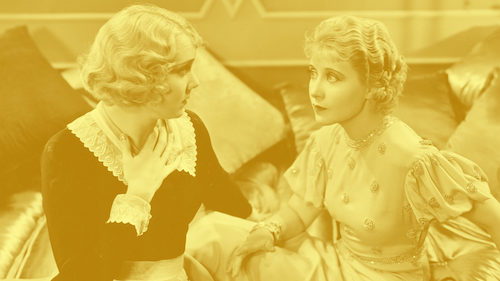
18. One Hour with You
It wasn't unusual for filmmakers to remake their own films back in the Golden Age of Hollywood, since better technology and cinematic creativity could make certain projects feel stronger when revisited. Lubitsch collaborated with George Cukor (who serves as a minor co-director, here) to revive The Marriage Circle. Behold: the film became One Hour with You — one of Lubitsch's pre-Code musicals that really set the stage for what Hollywood musicals could be. I would argue that the improvement is only minor, but a major reason why is this kind of story only works a little bit better with the assistance of audible dialogue, and — in this case — musical accompaniment about how Mauriece Chevalier's Dr. Bertier is struggling to keep it in his pants (because, why not).
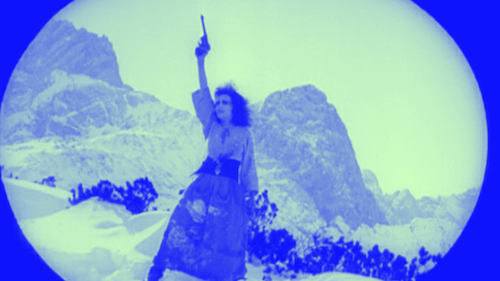
17. The Wildcat
Before Ninotchka, there was The Wildcat: a 1921 farce that takes us to a military fort in the middle of the mountains. What transpires is a series of crazy vignettes, almost like a Wes Anderson affair seventy years before his debut film. Quirky, kooky, and kind of bonkers, The Wildcat is one of Lubitsch's most abnormal films (in the best way possible). This is another film where the sets look like they come from a mature, serious drama that Lubitsch decided to tear apart with his outlandish characters and their uncontrollable antics. While Lubitsch was always in control of his craft, The Wildcat is as close as he got to getting carried away (it is so worth watching).

16. So This Is Paris
When it comes to past relationships, what stays in the past is past. Well, the joke's on Paul in Lubitsch's So this Is Paris. He and his wife's lives are interrupted by their new neighbours: a group of scantily-clad (by 1926's standards, I suppose) dancers, and one of them happens to be a former love of Paul's. Yikes. Things get more confusing when Paul finds himself in a bit of trouble with the law for speeding, and So This Is Paris becomes a chain reaction of hijinks, misdirections, and the Charleston. Somehow, everything is actually on track, and it all leads up to a zinger of a final scene.
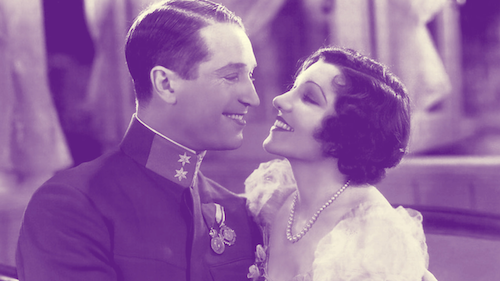
15. The Smiling Lieutenant
Oh, how sublime were the late twenties and early thirties for Lubitsch; his transitional phase is one of the most dazzling of this era. The Smiling Lieutenant isn't even his best work during this time, but it remains one of his classics for a multitude of reasons. It is his first collaboration with Miriam Hopkins, yet another partnership with star Maurice Chevalier, and even Claudette Colbert makes an early appearance before she became a cinematic legend. The three of them play a — you guessed it — love triangle for the ages. Furthermore, The Smiling Lieutenant is one of Lubitsch's musical successes: while many other directors struggled to make their tunes and numbers work in the early days of sound pictures, Lubitsch set the mold again and again.

14. The Doll
The mark of a genius comedy director is that they can turn something that looks simply moronic, stupid, or insipid on paper and turn it into an unforgettable experience. Such is the case with The Doll that might sound like an awful time when I briefly describe it — a man purchases a realistic toy doll (that is life size) to meet the requirements of an inheritance (however, the doll is actually a young woman in disguise). Ridiculous, right? However, Lubitsch somehow makes a film of this nature feel smart, artsy, provocative, and — most importantly — hilarious. Like a living puppet show, The Doll is almost like a hallucination of a motion picture: for seventy minutes, you will be on Venus, watching a film that simply should not work whatsoever (and yet it does).
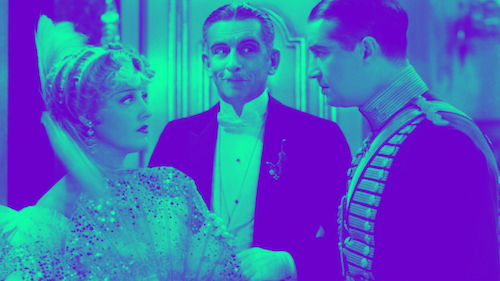
13. The Merry Widow
Lubitsch's last pre-Code film is The Merry Widow, and if it wasn't clear that he was aware of what a life post-Hays-Code could look like in many of his previous films, this musical made his wisdom certain. Going all-in with his tale of a prince and his philandering ways (particularly his attempts to marry a wealthy widow), The Merry Widow gets into the on-again-off-again antics of two characters who are Lubitschian through and through. Lubitsch leans into his sexual comedy quite a bit with this one, and a film with sets and costumes this lavish sells the idea that this film was made by a director who was not going to hold back.
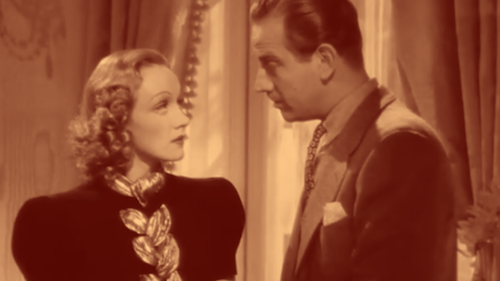
12. Angel
The Hollywood Code was now in effect by 1937, but that didn't stop Lubitsch from making one of his sexiest, most seductive films ever; how could it not be with the Golden Age siren Marlene Dietrich at the forefront? Angel sees a wife on vacation and trying to figure out her life and marriage: is she truly happy? She begins to see a new identity for herself: one with a new fling while in Paris, and the kind of attention, agency, and freedom that she has been craving for all of these years. Dietrich's Lady Maria is Lubitsch's allegory of American cinema: a life form that cannot be told how to behave, how to appear, and what is correct. Even with the new restrictions of a stunted industry, Angel is as passionate as thirties cinema could get.
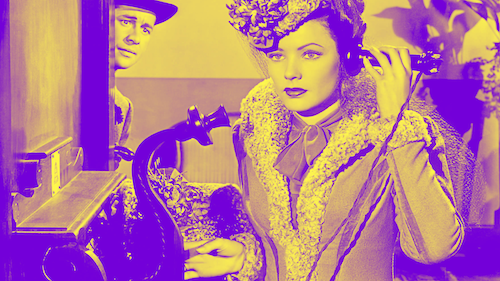
11. Heaven Can Wait
Heaven Can Wait is a story of halves; just like (in the eyes of the religious) there is a heaven and a hell, there is comedy and tragedy. In Lubitsch's fantasy film, a man winds up in hell, but Satan (played by Laird Cregar, in case you are wondering) doesn't believe that this aristocrat has been sinful enough to belong in the fiery pits for eternity. We get our protagonist's entire life told through the act of flashbacks in Heaven Can Wait via the understanding that our lead knows that he has been a lousy husband and a sinful man; however, it is the acknowledgment of our faults that make us better people. The film plays off much of its first half as a comedy before evolving into something more mature and riveting: a series of acceptances. Most of Lubitsch's films deal with complicated people who are neither saints or devils, but he really acknowledges this element to his films in Heaven Can Wait: the ultimate test of morality and manners.

10. Design for Living
A rare Lubitsch title that needed the test of time to be respected, understood, and championed, Design for Living is decades ahead of its time; what feels like either a sixties French New Wave experiment or a nineties rom-com flick is actually a pre-Code experiment in what a love triangle can be. Predating Archie Andrews's impossible task of picking between Betty and Veronica (I was always team Veronica myself), Design for Living pits Miriam Hopkins, Fredric March, and Gary Cooper together in a strictly platonic living arrangement (good luck with that). As Design for Living begins to get complicated, Lubitsch and company understand that it is next to impossible to carry out such a lifestyle without stirring any pots or misleading any players. Most impressive is Hopkins's Gilda who doesn't come off as a helpless dependent who must have these men; instead, she is a bit of a free spirit, making Design for Living feel like a bubbly, electric rom-com.
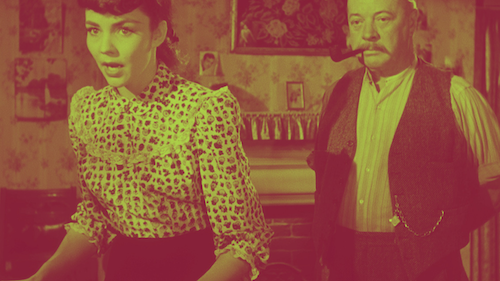
9. Cluny Brown
Lubitsch's penultimate effort (and the last to be completed in his lifetime) is the satirical Cluny Brown. The title character is played by the incomparable Jennifer Jones: a starlet who feels lost with time (please place her back on your radar). Jones's Brown is initially guided to try and be more acceptable by the standards of society (and more "ladylike"), but I adore how Lubitsch and Jones both agree that this is a character who is full of life and personality; to change her would kill her spark. Cluny Brown begins like a Frank Capra-esque comedy with its offbeat lead, but instead of relishing in the fact that she is "abnormal" in the eyes of squares, Cluny Brown makes her magnetic, entertaining, and — to me — iconic.
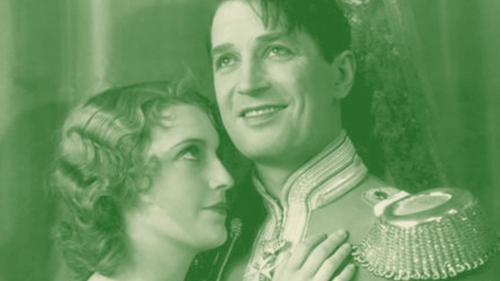
8. The Love Parade
Lubitsch couldn't just have a regular talkie be his sound film debut. He had to go ahead with making one of the great early musicals. The Love Parade takes us to the fictional land of Sylvania (what an amazing name for a fake place), where Queen Louise falls for Count Alfred — who is really in her presence because he is to be disciplined for being kind of a jerk. Their drastically different worlds collide in this film of percolating emotions, subverted expectations, and the clashing of classes. Believe me when I say that many of the earliest sound films — forget the musicals — were shaky and failed experiments; Lubitsch just had to flex on everyone with The Love Parade.
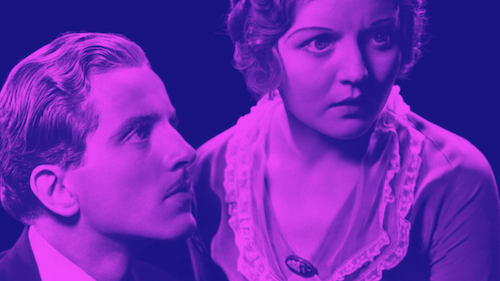
7. Broken Lullaby
Lubitsch was releasing comedies left, right, and centre by the time he tossed the curve ball of the hyper-serious war drama, Broken Lullaby: one that sees a traumatized soldier who needs to find closure by finding the family of the German who he killed in World War I. He, indeed, connects with the grieving family who he lies to, declaring himself a friend of their deceased loved one. Lubitsch toys with the concept of guilt in this beautifully devastating film. Since this is Lubitsch after all, he opts for a sincerely gorgeous, bittersweet conclusion rather than a hopeless one (Lubitsch never caved in to extreme theatrics and cheese, and he refuses against these notions with Broken Lullaby and its tenderly heartbreaking final act).
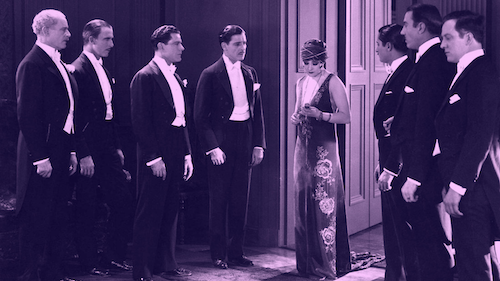
6. Lady Windermere's Fan
Lubitsch's adaptation of Oscar Wilde's sensational play, Lady Windermere's Fan, is a mysterious, haunting, intense look at the possibility of adultery in what was meant to be a happy, fruitful, and flourishing marriage. Lubitsch turns this depressing play into an aching picture: one with magnificent architectural design to signify the feeling of being home — only for this paradise to now feel foreign, betrayed, and shattered. Our characters feel like they have come from the height of London society, projected into our dreams as promising signs of what is to come (only for our vision to turn into a nightmare and feel this prestige crumbling all around us). So many of Wilde's more popular films have been done to death, but no one can replicate what Lubitsch perfected with Lady Windermere's Fan (this is perhaps why we don't see more adaptations of this work).
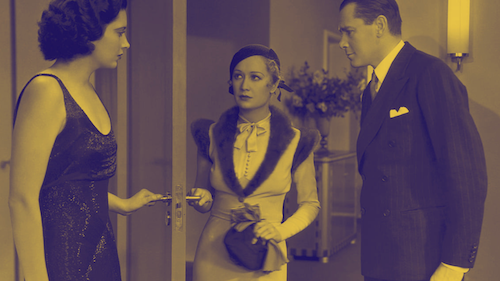
5. Trouble in Paradise
A new heist is set perfectly in place: two criminals are to rob a perfume company from the inside. What could go wrong? One of the thieves falling in love with the company's CEO, of course! If crimes are things that can be done in the heat of passion, so can hearts flutter in Lubitsch's pleasantly screwy Trouble in Paradise. As we get caught up in this highly unorthodox love triangle (one packed to the brim with ulterior motives), Trouble in Paradise successfully keeps us invested, giggling, and gobsmacked by a trio of people who are trying to either one-up the other or simply keep up with all of the hysteria. When the film is capable of pulling the wool over our eyes as well, it's clear that Trouble in Paradise is heaps of manipulative, unpredictable fun (think The Sting meets Sabrina).
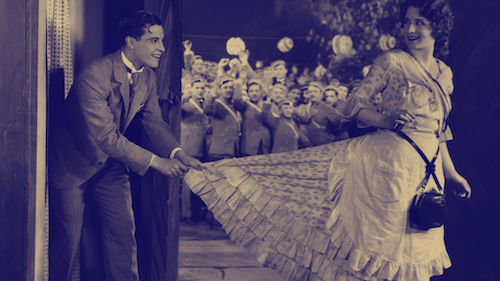
4. The Student Prince in Old Heidelberg
The greatest of Lubitsch's silent works (which is not an easy designation to make), The Student Prince in Old Heidelberg is far from one of his token romantic comedies or commentaries on manners and classes. If anything, by us following protagonist Prince Karl Heinrich and his slow ascension into the title of King (while he also loses bits of himself with his friends, the love of his life, and his people), Lubitsch connects us with one of his biggest statements: it is not our wealth or class that defines us. Lubitsch sneakily gets us invested in Karl's life and affairs, only for him to trick us into being so connected to someone who will soon be fluent in pushing others away. Subtext was often used in Lubitsch's films to wink at the audience; here, Lubitsch allows us to imagine the ensuing pain and loneliness.
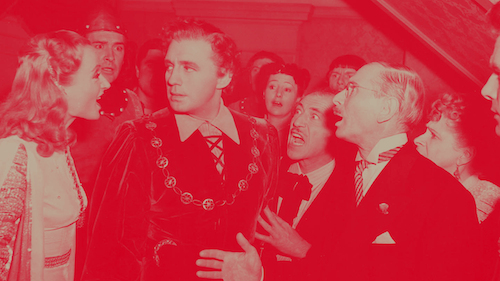
3. To Be or Not to Be
If Lubitsch knew how detrimental the Hays Code was going to be and tried to squeeze in as many pre-Code works as he could, then, by 1942, he could not have cared less about the limitations of the Code. Where were you when you first saw To Be or Not to Be with one of the most unabashedly shocking opening gags in film history? That lead up — told via a propaganda-esque voice over — that makes us believe we are going to see some sort of classic movie monster like the Creature from the Black Lagoon or Dracula; psych, it's just Adolf Hitler roaming the streets of Warsaw (one of the worst monsters of them all, to be fair). The rest of To Be or Not to Be doesn't let up on Lubitsch's unapologetic scorn towards the Nazi party in this grim dark comedy about an acting troupe who try to fool the Germans. Up there with Charlie Chaplin's The Great Dictator, I can only think of the guts Lubitsch must have had to make a film this hilarious, savage, and charged (during World War II, no less); if you thought that all forties films from Hollywood were tame, think again.
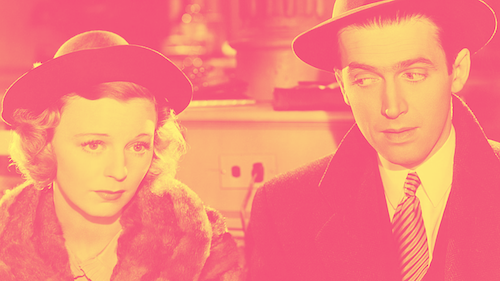
2. The Shop Around the Corner
The pair of highest Lubitsch films here are two of the greatest romantic comedies of all time (he was the innovator of the genre as we now know it, after all). The first is far more traditional in its approach, and that's The Shop Around the Corner. Two rivaling employees at the same store cannot wait to clock out so as to never lay eyes on the other ever again. Little do they know, however, that they are each other's love interest. See, they are both pen pals and have fallen for one another, not knowing who the other truly is. Their fleeting daydreams combat their frustrated realities in this classic of the genre — a reminder that there is always a second side to every coin. When you have Margaret Sullavan and Jimmy Stewart as your leads, of course you'll see how easy it is to fall in love with them; in that same breath, Lubitsch and this duo of stars also know how to make them unlikeable, so this initial dysfunction works like a charm. The Shop Around the Corner is a yin-and-yang of pent up emotions, be they irritation or infatuation.
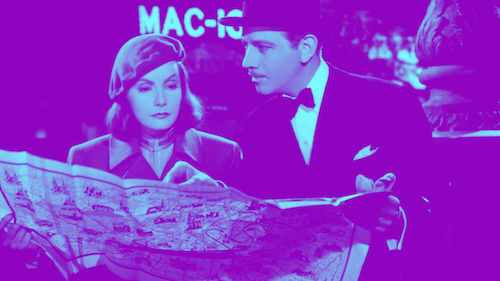
1. Ninotchka
The second of Lubitsch's greatest romantic comedies is far less orthodox in the sense of the genre, and maybe that's one reason why I love it so much. That film is none other than Ninotchka: a delightful, witty, pointed comedy that knows how to lay it on thick — I am referring to its political satire, sexual tension, and magnificently cartoonish accents. Ninotchka is iconically played by Greta Garbo with one of my all time favourite comedic performances. She is instantly difficult, cold, and borderline threatening (with looks to kill in two senses: her drop-dead fashion, and her side-eyes that can pierce through glass). Seeing Garbo's Ninotchka gradually develop blush in her face and life in her eyes is an absolute marvel; she never loses her sneer or her bite. This is the film that made me fall in love with Garbo as one of the superstars in all of cinema; knowing that this was her penultimate film and that her final work, Two-Faced Woman, made her quit acting forever breaks my heart.
Ninotchka heads to Paris to complete a complicated jewelry sale: one that contradicts the goal that Count Léon (Melvyn Douglas) has in mind. Léon hopes to retrieve the jewelry — which has been confiscated during the Russian Revolution in 1917 — by buying them from three agents of the Soviet Board of Trade. Envoy Ninotchka is sent to buy the jewels instead, and the two could not be more different. Against all odds, the two fall in love. Their chemistry feels authentic despite how easily Ninotchka could have overplayed its hand. I also adore how this film is so much more than just a layered romance. It is a study of a world torn apart by war: the lingering sociopolitical resentment and the staunch allegiances made in the aftermath of bloodshed. The film is playful nonetheless, with a blistering, rapid-fire screenplay by Billy Wilder, Charles Brackett, and Walter Reisch that is steeped in irony, commentary, and flights of fancy. This is a film that is as vicious as it is sweet, and I love every second of it. Ernst Lubitsch's masterpiece is an unforgettable, hilarious, and spellbinding picture that scoffed in the face of the Hays Code (and I am so grateful for it).


Andreas Babiolakis has a Masters degree in Film and Photography Preservation and Collections Management from Toronto Metropolitan University, as well as a Bachelors degree in Cinema Studies from York University. His favourite times of year are the Criterion Collection flash sales and the annual Toronto International Film Festival.