
Filmography Worship: Ranking Every John Huston Film
Written by Andreas Babiolakis
Filmography Worship is a series where we review every single feature of filmmakers that have made our Wall of Directors

Who doesn't know the Huston name? One of the ultimate family dynasties in American filmmaking, the Hustons have dominated for generations. While primarily an acting family, there is one key member who was just as big — nay, even bigger — behind the camera and the pen: John Marcellus Huston. Son of Walter Huston (who was an acting juggernaut in the thirties), John Huston would closely follow in his father's footsteps. Starting out as an actor on the stage, Huston would slowly migrate to screenwriting once he came across some fascinating filmmakers that either he or his father worked for. A major influence was William Wyler (A House Divided starred Walter Huston: a film John Huston helped co-write), who allowed Huston to help write a couple of his films. After a handful of screenplays (including ones for Howard Hawks, William Dieterie, and Raoul Walsh), Huston was prepared to start his own journey as a director. His first order of business was to adapt Dashiell Hammett's The Maltese Falcon; Huston's version is so good, that most cinephiles forget that he wasn't even the first to adapt it (Roy Del Ruth's version came ten years earlier in 1931, but Huston's is superior).
Huston hit the ground running with three films in two years, but he took a miniature "break" to serve for the United States in World War II. Once he was back in Hollywood, he was back for good with a fiercely steady output of films that range from sweeping westerns, gritty films noir, character studies of everyday Americans, and compulsive thrillers. Sure, Huston dabbled in other kinds of films here and there, including the musical genre, historical epics, and even horror flicks, but he was riveting when he was in his key elements of compelling, pulpy yarns; his best films felt akin to what it feels like to be unable to put a novel down. Huston worked until the very end of his life, passing away in 1987 at the age of eighty-one; his swansong, The Dead, was released the same year. He left more than just his illustrious works: he carried on the Huston legacy with actors Anjelica and Danny Huston, screenwriter Tony Huston, and author Allegra Huston. Of his works, most of his weaker films felt at least partially worthwhile, outside of one blaring exception. Otherwise, I cannot emphasize how consistent and reliable Huston's filmography is across the board, with a handful of films that didn't crack the top ten (I am upset about this, too). Chalk this up to the fact that Huston was really good at his craft. I will be focusing on the feature films Huston worked on alone. Here are the works of John Huston ranked from worst to best.
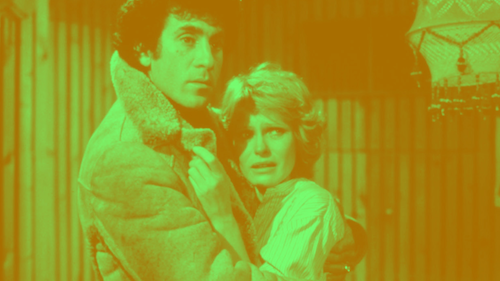
38. Phobia
It is rare to see a film that is such a significant drop in a great director's filmography; usually, if an iconic director has made a film this bad, they have a few. Chances are these directors were known for taking big risks and making big moves. However, Huston's worst film could only be Phobia: a sloppy, shoddy, annoying, irredeemable horror film about a psychiatrist's patients dying one-by-one via their greatest fears. I'm not sure if this was meant to try out the kinds of horror and thriller films being made by Roman Polanski or Brian De Palma via the New Hollywood movement, but it doesn't matter (especially when it can’t even compete with most of their works). This is amongst the worst films by brilliant directors out there: a film that is so unlikeable that it somehow manages to outdo its atrociousness in its final ten minutes. Next.
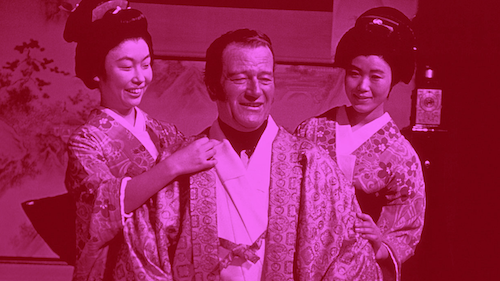
37. The Barbarian and the Geisha
Now that we've gotten that out of my system, Huston does have some other films that aren't good, but none come anywhere near as unwatchable as Phobia. Huston's worst film that at least feels like a Huston film is The Barbarian and the Geisha: his only feature starring John Wayne (they reportedly did not see eye-to-eye while filming). Outside of looking great and feeling massive, The Barbarian and the Geisha is kind of a lifeless slog that has all of the ambition but none of the heart that matters in a romantic epic like this one.
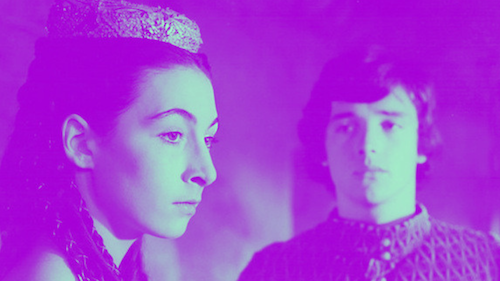
36. A Walk with Love and Death
Like many other epic romances, A Walk with Love and Death gets caught up in the scope of it all — between the use of France's Hundred Years' War as a backdrop and the relationship at the forefront of the film (starring Huston's daughter, Anjelica, who was only eighteen at the time, and Assi Dayan). Our leads don't have much chemistry (which, to be honest, of course they don't — it doesn't take much deep-digging to see why), and the heaps of historical-epic cliches make this short-enough film (at ninety minutes) feel quite longer. At least Huston never lost his eye for sweeping sets and his ability to make anything exciting, even if it's a bit of a mess like A Walk with Love and Death.
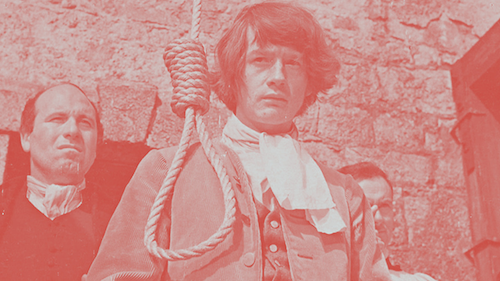
35. Sinful Davey
Huston has made a great, entertaining adventure film with comedic value before: The Man Who Would Be King. However, Sinful Davey — despite Huston's best efforts — is not that film. Despite actor John Hurt's best stab at this strange film, Sinful Davey is too whimsical, fleeting, and eccentric to actually feel like anything but insipid; there's an important lesson on karma and inherited vices, but Sinful Davey just didn't do much for me.
34. The Mackintosh Man
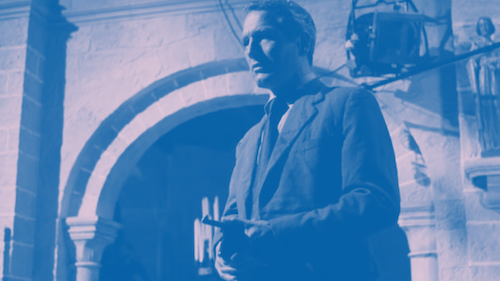
A good espionage film makes you either try to keep up or not mind that you got lost because the payoff is so strong. The Mackintosh Man only makes it okay to not fully figure out its plot because it is uninteresting to the point that you simply don't care. Outside of Paul Newman — someone who could make doing taxes a fascinating ride — The Mackintosh Man is too lethargic, monotonous, and convoluted to feel like the usual kind of ride you get from a Huston film.
33. Independence
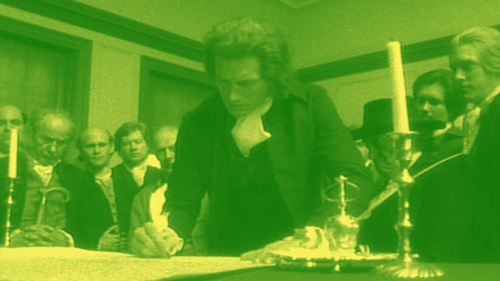
There isn't much to say about with Independence, outside of the fact that it is a short film about the foundations of the Declaration of Independence (Huston's film arrived two-hundred years after). For a half hour that feels like an entire day in length, Independence is a sluggish, drab, educational film: the kind that made you feel bored to the point of daydreaming new astral planes back in elementary school — and, no, knowing who Eli Wallach is as an adult will not help this film feel any stronger. There are good intentions here, but Independence is a chore.
32. The Bible: In the Beginning...
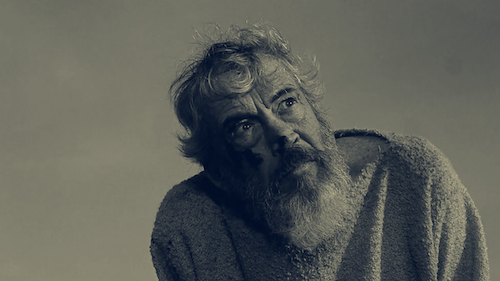
I am not against religious films, but there was a phase in the fifties and sixties where it was the hip thing to do: take parts of the Old and/or New Testament and make it cinema. Huston's take, The Bible: In the Beginning... is ambitious to a fault: it's essentially a three-hour version of Independence for me, in the sense that they remain two of Huston's most boring affairs. At least with The Bible — which does the daunting task of adapting many chapters of the Book of Genesis (and quite directly, too) — there is much to appreciate, like the artistry of the Garden of Eden, the massive sets, and even Huston starring in his own film (something we didn't really get to see much of). However, all of the flair and intrigue dissipates when you are fighting between two brutal exercises: trying to keep your eyes open, and trying not to check your watch.
31. We Were Strangers
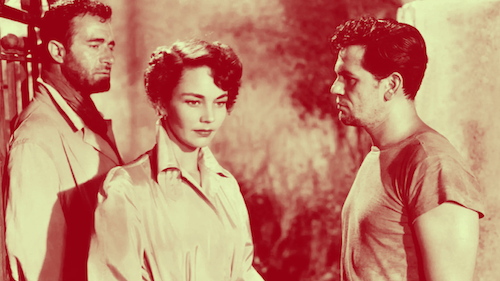
Another example of Huston trying to make intense, engaging cinema even from early on in his career is the revolution melodrama We Were Strangers: one that puts faces on those who may have partaken in the Cuban underground during the 1933 movement. What means to be a visceral and direct story comes off as a bit Hollywoody and theatrical instead, which may suck a lot of the intended power from this film out of the final result which comes off as a little self-contained and stuck. While this doesn't feel like a questionable idea like some of the lower films on this list, We Were Strangers does feel tonally confused and stymied by the powers that be (which is a brutal coincidence, given that it is a film about an uprising).
30. Escape to Victory
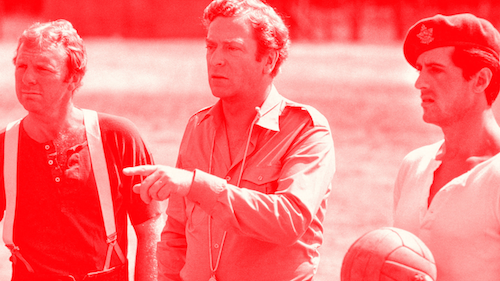
What is more hokey than the sports film genre? Sports films from the eighties. Fortunately, while Huston leaned into the cheese of the genre with Escape to Victory quite a bit, he still delivers enough of a spectacle via the casting of soccer/football legends (like Pele) alongside massive Hollywood actors (Michael Caine, Sylvester Stallone, and Max von Sydow). Then again, try as he might, this is still a corny, soaring, bloated sports film, and I find this kind of hyperbolic filmmaking more rewarding with, say, war dramas, action flicks, or melodramas; it's almost always a guaranteed sugar overdose when you watch a sports film, and Escape to Victory is no different; even with its interesting World War II prison camp angle; even with its big names; even with Huston directing.
29. Beat the Devil
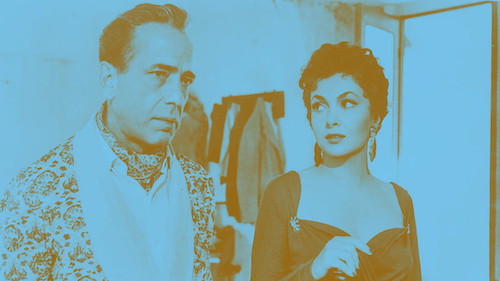
Huston had many films with Humphrey Bogart, and most of their efforts felt like home runs. However, I feel like their weakest collaboration must be Beat the Devil, which is not a bad film by any means but it does not contain the same might and ferocity of their other works. This one feels much more simplistic, even though writer Truman Capote wrote its screenplay (his sense of humour does shine, however); as we follow con artists and their bone-headed decisions and the consequences of their actions, Beat the Devil feels more like an excuse for Huston and company to just hang out and make a motion picture. That might be your thing, even if it doesn't turn out to be a dazzling effort.
28. The Kremlin Letter
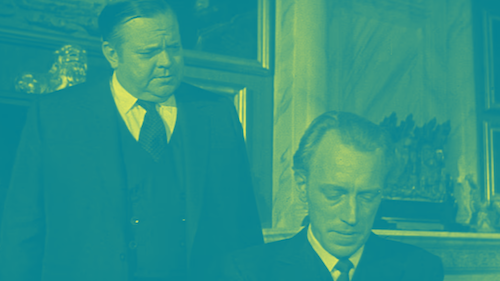
Huston's first film of the seventies felt like it wanted to catch the same wave that many New Hollywood moguls were riding: one about riveting, sociopolitical espionage. The Kremlin Letter possesses a huge and surprising cast with everyone from Ingmar Bergman veterans Bibi Andersson and Max von Sydow, to actor/auteurs Orson Welles and Huston himself. The film's story and tone function similarly: with almost too much gusto to the point that it becomes a bit much. However, The Kremlin Letter is also suave and fun; enough so that it barely matters, even if it feels nonsensical at times. This one could be a cult favourite for some Huston fans because it isn't good enough to win everyone over, but its eclectic nature is sure to resonate with some.
27. Across the Pacific
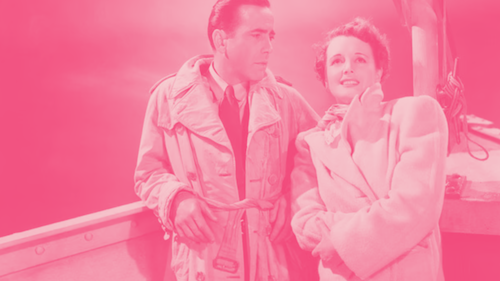
Maybe as an effort to try and out-do The Maltese Falcon (mission: impossible), Huston's third film, Across the Pacific vowed to be bigger, more complicated, and greater. It comes off as hyper-patriotic gushing instead in this adventure thriller about an ex-army captain and his plethora of hidden motives; the American devotion also leads to some problematic depictions of Japanese people and cultures. Part of this film's flimsy state may come from the fact that it was meant to have a story about the thwarting of an attack on Pearl Harbor, which had to be rewritten after the actual attacks were carried out; outside of all of the issues listed above, Across the Pacific is a lean one-hundred minutes, carried by a Humphrey Bogart with another day in the office, and Huston's ability to make almost anything (not ranked lower than this film, anyway) feel at least partially exciting.
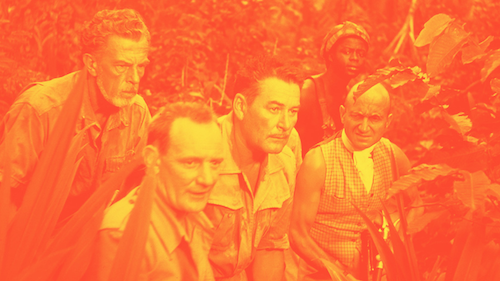
26. The Roots of Heaven
Films felt like they were getting bigger and bigger during the fifties. Huston made a couple of strong adventure works during this time period, so he was more than capable of doing more than playing ball; he was able to set the stage with works like The African Queen. The Roots of Heaven, however, feels a bit confused with how large it should get, and it feels like it gets lost in the French Equatorial Africa (thanks to Huston's direction, we do as well; at least the film is more immersive than it is compelling, I suppose). For any pachyderm enthusiasts, you may appreciate Huston's early call-to-action to slow down — and stop — the killing of elephants for ivory: something this ecological that was not discussed enough back in the fifties.
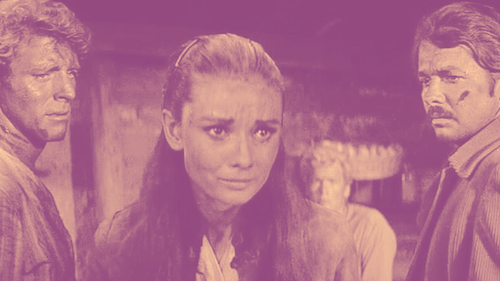
25. The Unforgiven
I acknowledge that The Unforgiven is far from the best Huston film, but I may have slight bias towards a film that takes two of my favourite stars — Audrey Hepburn and Burt Lancaster — and places them in a western that at least tried to subvert the typically-racist ways of old with progressive views. Unfortunately, The Unforgiven looks problematic itself nearly seventy-years later, but I appreciate that Huston at least tried to not give in to convention and expectation. With stunning cinematography and engrossing leads, The Unforgiven makes a bit of a leap towards the wave of revisionist westerns that were about to hit Hollywood; I wish the film wasn't as misguided as it is, even with its good intentions.
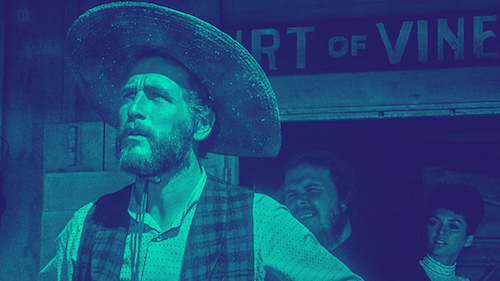
24. The Life and Times of Judge Roy Bean
It takes a lot for a director to acknowledge the silliness of an entire genre, and Huston — someone who would forever be attached to the western genre, no less — dove head-first into the goofiest tropes and vibes (without turning out a complete satire, mind you) with The Life and Times of Judge Roy Bean. While he doesn't go full Dr. Strangelove with this title, seeing Huston have a bit of fun within such a self-serious genre is a bit of a treat (especially when many players, like Paul Newman, Anthony Perkins, and Ava Garder, play ball as well). Don't start your Huston retrospective with The Life and Times of Judge Roy Bean, but maybe give this one a shot when you think you've seen enough of his classics.

23. The List of Adrian Messenger
Huston takes the Agatha Christie formula of one-by-one deaths and places it in the confines of the espionage thriller with The List of Adrian Messenger. With some of the most riveting names at the time at the helm (like Kirk Douglas, George C. Scott, Dana Wynter, Burt Lancaster, and... Frank Sinatra, even), this guessing game is quite fun in a bit of an outlandish way; there might be some suspension of disbelief necessary here — from which character is played by whom, and some of the film's progressions. Then again, many mysteries can get away with being a little ludicrous (as long as they aren't insane); The List of Adrian Messenger is thankfully rooted enough to not lose you, masks and all.
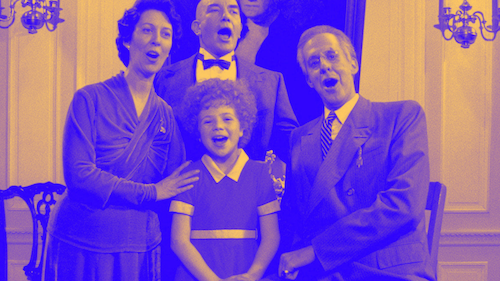
22. Annie
Don't be angry at the low-ish placement of this film; I know how many Annie fans are out there (I believe Huston just has that many better films). I think that Huston tackling this adaptation of the musical is actually quite interesting and sincere: here is a guy known for his brooding noirs and intense adventure works softening his touch to tell the tale of the iconic, singing orphan. Huston doesn't lose his ability to tell a compelling story here, either. He also understands how to keep the tightrope walk between optimistic and dismal in check: the songs feel full of life musically, yet the harshness of what a few of the lyrics detail is kept. The story of poor Annie is treated as seriously as any other existential, broken protagonist in a Huston classic, but the hard-edged auteur learns to have a bit of fun outside of his wheelhouse with Annie: a musical that shouldn't have worked (and yet it does).
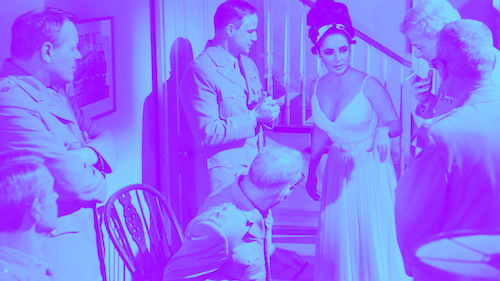
21. Reflections in a Golden Eye
The New Hollywood movement was often spearheaded by starving artists who wanted their visions to be seen — and for the censored Hollywood establishment to either change or crumble. Watching a mainstay like Huston take part with a film like Reflections in a Golden Eye (with some important game changers at the forefront, like Elizabeth Taylor and Marlon Brando) is quite something, given the slightly experimental angle (by Huston's standards, anyway). Even though he flirted with progressive stories before, he goes the extra mile — for better or for worse — with this daring look at eroticism, queerness, and depression (amongst other things); while the film is a bit messy, I appreciate something as raw and unapologetic as Reflections in a Golden Eye -- especially when we have how many sanitized and sterile films that handled these kinds of themes far worse?
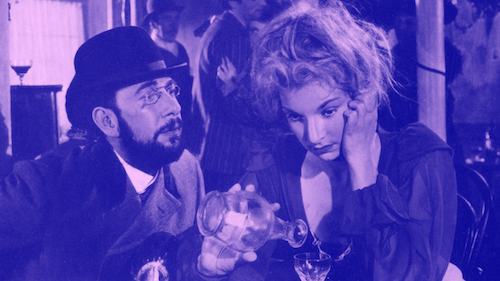
20. Moulin Rouge
One of ten-thousand takes on Pierre La Mure's novel Moulin Rouge, Huston's version is quite different from what you may expect with a name and reputation like this; this is more of a character study of Henri de Tolouse-Lautrec than it is a party at the titular venue. Once you get those expectations out of the way, I kind of understand what Huston was trying to accomplish with a film like this: the dispelling of the glamour of party life via the understanding of the kind of person who would drive it. Not that I believe that Huston saw himself in Henri, but this is actually quite the intriguing insight into the mind of the devoted, self-destructive artist: the kind who claim to put themselves into their creations while harbouring — and, thus, preserving — their inner demons.
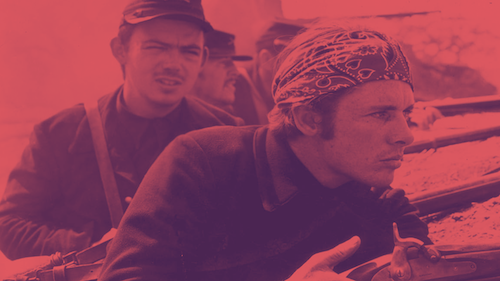
19. The Red Badge of Courage
While I do like what we get with Huston's The Red Badge of Courage — a Civil War picture — I will never forget the fact that this was meant to be a two-hour epic; instead, we get seventy minutes of film, which is impossibly short for a fifties war film. Even so, Huston performs near miracles with a film this film, mainly due to his artistic eye during the combat sequences, the steady pacing that makes an hour feel like a blip, and the great performances that make the most out of their brief time. Still, knowing that MGM cut nearly half of the film against Huston's wishes is a crime, and I cannot blame Huston for being frustrated; if The Red Badge of Courage is quite something as it stands, this could have been the masterpiece Huston said it was. What a shame.

18. Prizzi’s Honor
Remember when Huston made The Life and Times of Judge Roy Bean and seemingly poked fun at the Hollywood western in ways that many other directors wouldn't ever dare? Well, he went after the gangster genre, too. Prizzi's Honor, Huston's penultimate film, is certainly a bold choice to make when one is almost eighty. It is a vicious crime film disguises as an Audrey Hepburn romantic romp; thankfully, everyone, from Jack Nicholson and Kathleen Turner, to daughter Anjelica, understands what the film's objective is and is on board with this bloody, hectic affair. Equal parts goofy, thrilling, lovely, and grim, Prizzi's Honor is not the typical choice for a director to make towards the end of their career and life, but it is proof that Huston was still great at his craft, as he blends each genre and vibe effortlessly together.

17. Under the Volcano
While I understand the reservations that some may have with this one, Huston's adaptation of Malcolm Lowery's nearly-impossible novel, Under the Volcano, is a damning, harrowing look at alcoholism, existentialism, and mortality: all within the celebrations of Día de los Muertos in Cuernavaca. With what may be Albert Finney's finest performance, Huston takes Lowery's postmodern masterpiece and gives it an emphatic go with a film that somehow manages to keep up with the speed of the novel's downward spiral and fevery, psychedelic psychology. Huston's film not only feels daring: it is clearly ahead of its time and formatted in a way that modern audiences would appreciate more than those back in the eighties (seeing as it is a slow burn look at self loathing; the film slowly destroys itself just like its protagonist).
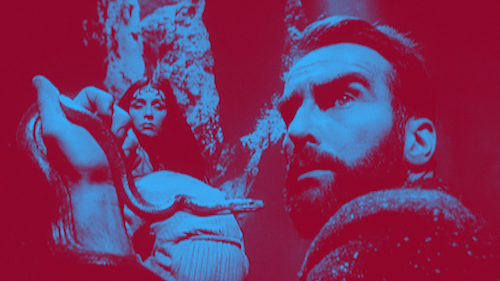
16. Freud: The Secret Passion
I would argue that the concept of mental health was still mishandled and taboo during the sixties. Again, Huston was someone who was always trying to be progressive with his pictures, and a film like Freud: The Secret Passion is one of his stronger sixties attempts to not be held back by societal stigma. What is essentially a biographical picture about the titular psychologist and his studies on those afflicted with hysteria, Freud: The Secret Passion vows to not just detail the life of Sigmund Freud: as he did with his patients, Huston's film tries to get into his mind. Appropriately, method actor Montgomery Clift goes above and beyond getting into Freud's psyche to bring things full circle in this film that I consider an educational, electric experiment.
15. Moby Dick
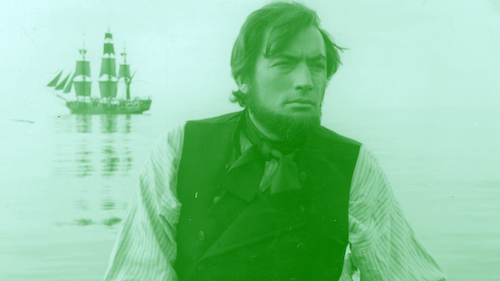
Unlike Under the Volcano, it isn't as though Herman Melville's Moby Dick is impossible to adapt, but, rather, it feels stupid to, given how iconic it is (alongside the complexity of the project). Well, leave it to Huston to give this behemoth novel his best shot. The end result is something that feels like Huston's own chase of the white whale; however, he cannot be Captain Ahab when Gregory Peck is so perfectly cast as the iconic character in literature. Together, Huston and Peck try to take on this daunting task of bringing the obsessive search for the giant beast; Moby Dick's vibe is a little bit more fun and exciting than it is engrossing and detailed, but this is one for thrill suckers (and Huston does make this legendary story a rollercoaster of a ride).
14. Key Largo
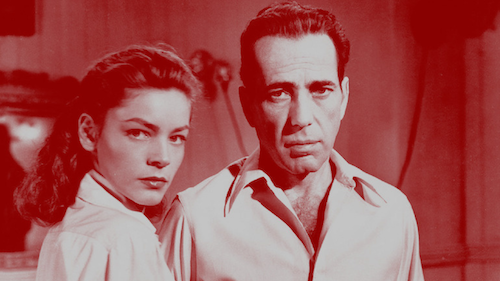
There's a storm outside and inside of the central hotel of Huston's floridian film noir, Key Largo. While our players avoid the hurricane rumbling outside, they are forced to deal with each other -- and themselves -- while they wait for the storm to subside. Huston smushes a few major names together; we have Humphrey Bogart and Lauren Bacall (what a shocking pairing, I'm sure) next to Edward G. Robinson, Lionel Barrymore, Harry Lewis, and the like. Our gang of big personalities clash within a claustrophobic setting (one where the shadowy cinematography can consume everything but the tension within microseconds). This might not be as discussed as other Huston noirs, but this one is a classic that you may want to dig up.
13. Wise Blood
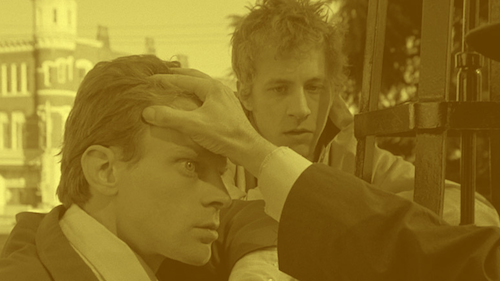
Huston’s top thirteen films are his essential works, and we kick off this batch with a great title. Has Brad Dourif gotten his flowers yet as one of the great character actors of his time? He understands the assignment in Huston's then-misunderstood and black comedy, Wise Blood, as a budding preacher who uses religion as a means of getting by in society. While many other Golden Age names felt like they had to stick by the ways of old, seeing Huston go fully into the relentless ways of New Hollywood is such a pleasure, including a film that is this bleakly existential. A film that is willing to critique and criticize organized faith, civilization, and the American Dream as much as this one does is already a massive gamble; for Huston to release Wise Blood in his seventies, and towards the demise of the New Hollywood movement, is a different kind of power move — one that proves that Huston was never one to bend to expectations or pressure.
12. Heaven Knows, Mr. Allison
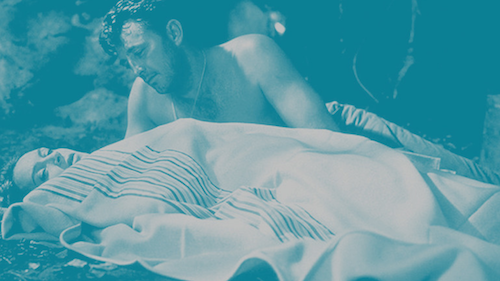
In the same way that love can unite people together, so can the throes of war. In Heaven Knows, Mr. Allison, we have what almost sounds like the set up to a terrible joke: a US marine and an Irish nun are stranded on an island in the South Pacific; our players are Robert Mitchum and Deborah Kerr, respectively. They form an unlikely kinship amidst their quest for survival, and Huston's film remains one of his more underrated cuts. Its heart and depth stem from the big screen style of the fifties, but Huston is able to capture what these swirling emotions and complicated characters mean to us, the viewer (and not just those being projected).
11. In This Our Life
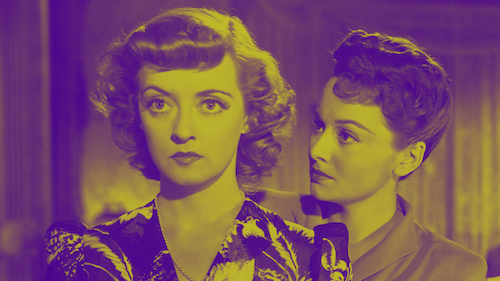
While not a film noir, Huston was operating within the darkness that the style provides (or, really its theft and absence of light) when he made the romantic drama, In This Our Life. Only his second film, Huston was operating with the most desperate sides of his characters, be they manipulative backstabbers or the battered spirits of broken people. Featuring a head-to-head duo of performances from Bette Davis and Olivia de Havilland -- both of whom own the screen at any given point -- In This Our Life feels like a proto-melodrama that knows how best to get caught up in its feelings, ideas, and complexities. This might not be The Maltese Falcon, but Huston's second film is a must that not enough people celebrate.
10. The Misfits
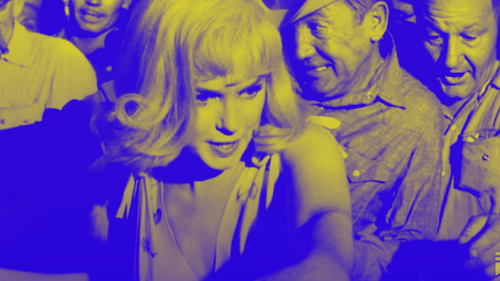
Oh, how mad I am that The Misfits landed only at the bottom of my top ten here (that's a testament to how great Huston is as a filmmaker, I suppose). I feel like this is a film that only gets better with time: this "hangout" film with a slew of rejected members of society is one that may have went against the ways of silverscreen worship back then but fits in nicely with the heartbreaking character studies of contemporaneous cinema. We have a cast of heavyweights, like Clark Gable going against type, Eli Wallach making a name for himself, and Montgomery Clift shifting like he always does; however, the star is Marilyn Monroe in her swansong with her greatest performance: one that is sure to leave you sobbing. To make a film like The Misfits is to commit to leaving the ways of Hollywood behind; all of the devoted participants here abandoned the industry's traditions in favour of something greater, harder, and more truthful.
9. The Man Who Would Be King
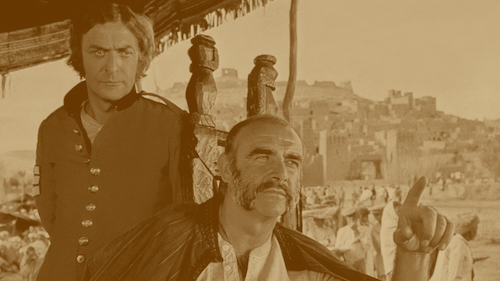
I am someone who usually pines after challenging cinema, and I hope that you don't mistake this taste as a sign that I hate being happy. In the case of some exceptions, I let the unseriousness of a "serious" film wash over me. Here's Huston's The Man Who Would Be King, which is far funnier and sillier than I would have ever anticipated a film about two wandering soldiers who begin to be mistaken as people with power (or, at one point, Gods), starring Sean Connery and Michael Caine. This film is almost like a buddy film set in nineteenth-century India that goes too far and becomes a nerve-wracking adventure romp with major consequences; needless to say, you will always feel like you are on the edge of your seat. This film is the very definition of entertainment through and through.
8. The Dead
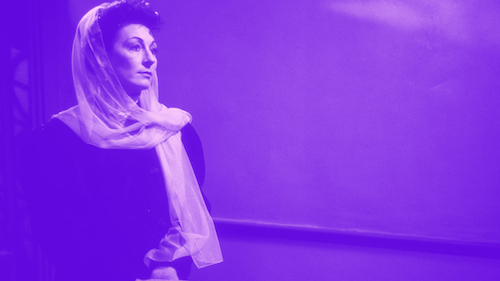
Huston made films of all varieties, but there's something so beautiful about his final motion picture -- made in his eighties, no less -- being a haunting costume drama like The Dead; it also happens to be an adaptation of one of James Joyce's short stories in Dubliners (and easily one of the best adaptations of a Joyce work ever). Anjelica Huston stars in this galvanic look at lovelessness; it's clear that everyone, including both Hustons, were likely aware that our beloved filmmaker didn't have much time left (he passed away shortly before The Dead was released). Everyone leaves it all out there with the thoughts of mortality looming over; a prevalent theme of the film is the wasting or cherishing of one's sole life. In facing death and hardship, Huston depicts the spark of existence throughout cold, still, lifeless images -- as if we can feel the pulse of the heartbeat of the film, even if it lies dormant. What a vulnerable confrontation for Huston in a swansong that is exquisite and exemplary.
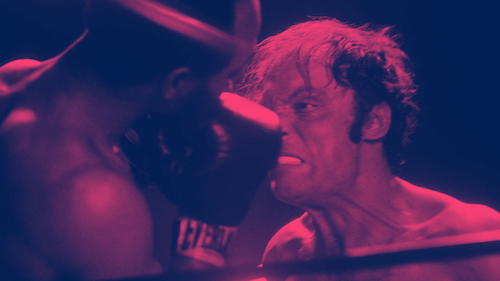
7. Fat City
When I ripped into Escape to Victory a little bit, it was because many sports films come off as smothery and false. I appreciate sports films that place you in the mind of its athletes, not solely the heart (aren't sports always about competition and are, thus, intrinsically challenging -- so many filmmakers forget this). To counter what I don't like about Escape to Victory is Huston's far-better sports drama, Fat City: a raw and moving look at a pair of boxers whose journeys are starting to drift them apart; one is a veteran who doesn't know how many more rounds he can go, and the other is a boxing amateur who wants to go the distance. Huston's weighty film understands the cost of sacrifice (the kind that is essential to become a full time athlete) and the concern that one does not belong -- in the ring, or in life. For every moment that took me out of Escape to Victory, Fat City had a myriad of honest notes that grabbed me by the neck and pulled me in.
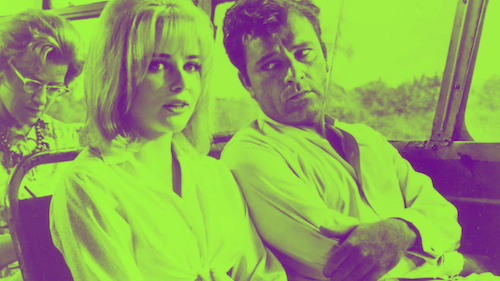
6. The Night of the Iguana
It is difficult to describe Huston's The Night of the Iguana, outside of the fact that it accurately depicts the flood of thoughts one experiences when they are removed from their comfort zones; the uneasiness of uncertainty blends nicely with the solace of the lack of expectation. Following a cancelled clergyman who leads a bus of religious women across Mexico, The Night of the Iguana sees a man of faith claiming other lost souls as his new disciples, and a destination getaway as his new church (so, where does that leave the iguanas?). Bordering on madness in the form of Richard Burton's fully-invested performance, this arresting look at identity and purpose will make you feel like you took the wrong turn somewhere; it is as gorgeous as it is eerie and unnerving.
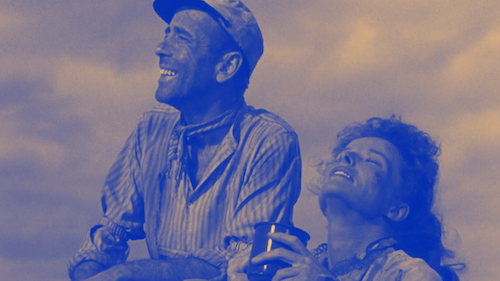
5. The African Queen
Call it an immense adventure film or an allegory of the passage of life and time with a partner (of any sort), The African Queen is one of the rare times that Huston was playing along with what was big in Hollywood at the time. Here, he is partaking in the romantic, historical epic; even so, he is not going about it in a typical way. Huston's regular, Humphrey Bogart, is turned into a rough, dim-witted, ruggish captain navigating his riverboat through a narrow passage during World War I. Alongside him is Katherine Hepburn playing an English missionary who needs this captain's services. Opposites attract in Huston's booming, vibrant journey that may hit the notes expected of a film of its ilk, but The African Queen shows that, even then, Huston could find new angles and stories to tell within an expected Hollywood tale; it has withstood the test of time past its peers for a reason.
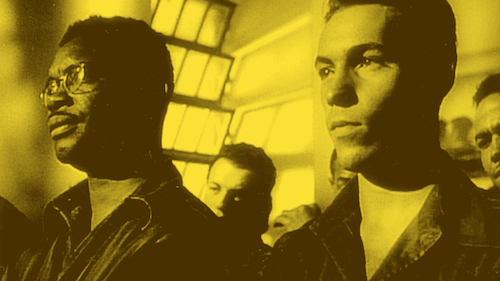
4. Let There Be Light
One of Huston's greatest achievements is not a dangerous noir film, a western with wanderlust, a gigantic adventure flick, or any of the other kinds of works he would be best known for. Rather, it is Let There Be Light: a gut-wrenching look at soldiers returning back from war who are forever changed. Deemed a counter-productive film by the U.S. government and held off from even being shown for decades, Huston's film is far more truthful than the many propaganda films that are allowed to be spread around with their misinformation; how dare officials insinuate that Huston — a man who served — doesn't understand how war takes a toll on the mental wellbeing of soldiers. Huston's observation is damning yet magnificent: that we are forcing complicated, miraculous beings to kill one another to the point that their meticulous brains cave in on themselves and eat their hosts alive; in a way, both lives — the survivor, and the slaughtered — are forever lost.
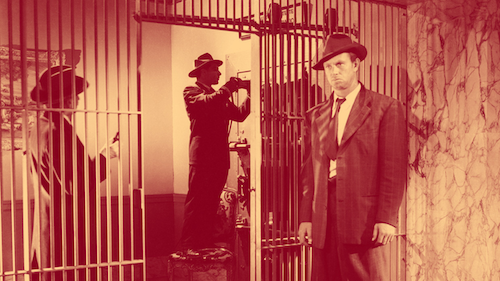
3. The Asphalt Jungle
Films noir often feel properly laid out, so every word of every monologue lands just exactly so; every shadow cloaks its subjects with both grace and scorn; every twist arrives precisely when it needs to. Then, there is Huston's The Asphalt Jungle that appropriately acknowledges the messiness of crime and the waywardness of all that goes "according to plan." Featuring a gang of criminals who want to pull off a big heist, The Asphalt Jungle is more than just bleak and dangerous: it is suave as fuck. The electricity and suspension of our breaths that come from the heist genre stems from this initial blueprint: one that understands how to portray the same intensity across the rush from committing sin versus being caught for said misdeeds. The Asphalt Jungle is enthralling cinema.
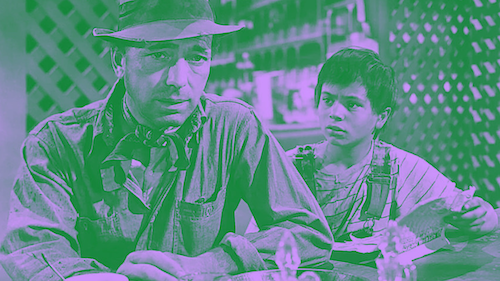
2. The Treasure of the Sierra Madre
The Treasure of the Sierra Madre is Huston's western masterpiece, but calling it simply that is also underselling it. It is also discreetly in line with his other mainstays. The corruption of greedy people is in line with his films noir. The long trek is indicative of his adventure works. There are even hints of the more comedic side of Huston's career in the form of the clashing and overlapping relationships of our trio of searchers who are all on the same quest for different reasons: to find the kind of gold that could change their lives. As if Huston could sense that the western would be in need of a makeover in a generation's time, he made a classic staple of the genre while figuring out ways to move it forward without going down the revisionist path completely; he was closing out the western with the kind of freshness that made filmmakers knew that there could still be life within it in the future (then again, Huston wound up making one of the benchmarks of the genre).
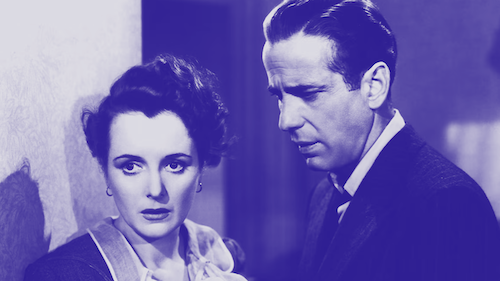
1. The Maltese Falcon
It usually feels like a death sentence if a director's first film is their best: how could a filmmaker be incapable of surpassing their debut? However, considering how many great Huston films were released, I think we can let it slide that The Maltese Falcon was Huston's strongest effort; even if he never reached that high again, it would be unfair to say that he went "downhill" from there. Besides, how can any one realistically top one of the greatest films noir ever made -- we cannot punish Huston for suffering the same fate as almost every other director out there simply because he is the man who directed said film. The brilliance of Huston's adaptation is that he seems to shift the crime film into a bit of a whodunit without the need to commit to every trope of that mystery genre. There is still the quest to use all available information to figure out how a detective's partner was killed, what the motives were, and what in the hell even is a Maltese falcon (and why do so many people want it that badly).
I think the question of what the greatest film noir title is up for debate, but the most engrossing film of the style could only be The Maltese Falcon; while other noir classics usually work via memory, regret, or dread, The Maltese Falcon is a legitimate mystery that leaves you guessing; it also never moves too far ahead of its audience, so that viewers can at least attempt to keep up with Detective Sam Spade (even if they do not succeed). So many other noir films feel immense and insurmountable, as if the darkness of society is devouring us whole. The Maltese Falcon feels almost inviting with its introspective, immersive, immediacy. Classic noir films almost feel like works of fantasy, or like novels coming to life. John Huston was able to make The Maltese Falcon feel like it is happening just feet away from us: we are complicit and involved. Who could not love The Maltese Falcon: one of the quintessential noir films that explored the size of the silver screen and the small distance between its subjects and its cameras. This is one hell of a way to start off a career: with gripping, mysterious, cinematic perfection.


Andreas Babiolakis has a Masters degree in Film and Photography Preservation and Collections Management from Toronto Metropolitan University, as well as a Bachelors degree in Cinema Studies from York University. His favourite times of year are the Criterion Collection flash sales and the annual Toronto International Film Festival.