
Filmography Worship: Ranking Every Steven Soderbergh Film
Written by Andreas Babiolakis
Filmography Worship is a series where we review every single feature of filmmakers that have made our Wall of Directors

Not many filmmakers embody the do-it-yourself mastery of one Steven Soderbergh. From indie film darling to an ultimate challenger of the studio system, Soderbergh has redefined again and again what it means to be an innovator in Hollywood. Blending unconventional methods with the stories of blockbuster giants, Soderbergh has maintained a steady, prolific output for the majority of his career, making it well known that he is one of the industry's greatest workaholics; so much so that he once took a hiatus which only lasted for four years (which, to be fair, is a lifetime for him). In case his workload wasn't enough, he's also known to have a hand in many departments on his films. If you have ever seen cinematographer Peter Andrews or editor Mary Ann Bernard credited on his films — psych — they're both Soderbergh; alongside producing and screenwriting (and occasionally appearing in his own works, like Schizopolis), Soderbergh is known to work on his projects in a number of other ways. Considering some of the major feature films he has worked on, it's astonishing as to how much he does on some of his works (and, need I remind you, that he releases films on a very frequent basis; he sometimes even has two films in one year).
While spitting out a myriad of films over the course of nearly forty years, Soderbergh never lost sight of what it means to be an underground or indie director, implementing minimalist or grassroots ideologies into the mainstream. For instance, his use of iPhones to film motion pictures that would typically use the highest quality cameras in the studio system, exploring barebones narrative concepts and settings (as if he was making his first feature film straight out of film school, but with many years of wisdom and expertise), and exploring a number of unorthodox photographical and post-production experiments. I will use this opportunity to briefly acknowledge the elephant in the room: I am disappointed in his stance on generative AI being used in cinema, and I expected someone who is as inventive and adventurous as Soderbergh to have had more inspiration and creativity than to rely on such a detrimental and problematic method (but I digress). It is also worth noting how many different genres Soderbergh has embraced throughout his filmography, never settling for one style or concept at any given point in his life (even at the very start of his career). I would argue that you wouldn't even be able to tell that two separate films could be from the same director outside of his name being attached to them. I will always applaud his efforts, but you may find that not every detour or experiment works; however, a vast majority do, and considering how many films we will be exploring today, I'd consider this auteur to be one of the great hired hands of contemporaneous American cinema. Here are the films of Steven Soderbergh ranked from worst to best.

36. Ocean’s Twelve
I don't think that Soderbergh has ever made an atrocious film, but his undeniable worst for me has to be Ocean's Twelve. While decent, this is the one time where I felt that Soderbergh was spinning his wheels and trying to come up with something because he had to, not because he wanted to. A sequel to his smash hit remake of Ocean's Eleven, Ocean's Twelve is only marginally exciting at times and otherwise a bit rudimentary. The stakes feel lower, the chemistry is simmered down, and the buzz of the first film are not present here. I will say that it is clear that Soderbergh and company are having fun and that there is still love in this picture; it's just missing that spark that can be found in even the other weakest Soderbergh pictures.
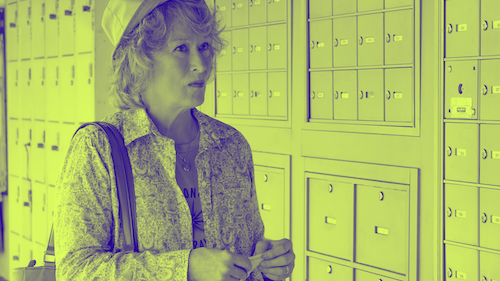
35. The Laundromat
On the topic of Soderbergh having a spark in even his worst films, take The Laundromat for instance. If it wasn't for that flash of magic and craftsmanship, this could have been a complete misfire. Instead, it is just a bit of a headscratcher. His meta take on the Panana papers scandal (in the style of films like The Big Short and The Wolf of Wall Street) loses sight of how to properly convey complicated information. At least there is an inventiveness present (like Meryl Streep starring as multiple people, including herself) that makes all one-hundred minutes of The Laundromat interesting in a stylistic sense, but you somehow may wind up dumber about this controversy than informed, and that defeats the purpose of a film like this existing.

34. Full Frontal
Full Frontal is more of an idea than a film, and it shows. What is meant to be the secret conversations that Hollywood's elite have with one another instead feels like a bit of a chore: a lo-fi, mumbling affair that — like most parties — you will be checking your watch during. I will say that there are some decent concepts here in a revelatory sense — like Soderbergh is admitting to some of the bigger concerns of the seemingly flawless Hollywood hoi polloi (as paradoxical as that may be). A major indicator is Jeff Garland's character — inconspicuously being named "Harvey" — playing who could only be disgraced mogul Harvey Weinstein years before his true nature came out. However, with today's knowledge, even that feels like old news that has been handled better.
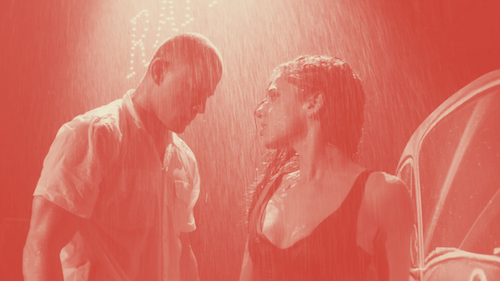
33. Magic Mike's Last Dance
Let's be honest: Magic Mike was a major surprise, and XXL — a film that Soderbergh didn't direct (so it won't be featured here despite his involvement — was also shockingly good, all things considered. Soderbergh's ability to make this story about a male stripper and his highs and lows has proven to be both a commercial and influential success. However, his return with Magic Mike's Last Dance is underwhelming enough. What was once an elaborate story about the chase of the high life and the pitfalls that come with it is now a back-and-forth diatribe between Mike Lane and a socialite who seduces him and uses him. The end result is quite mediocre: a film that tries its best but — the biggest crime of any film — has zero proof that it needed to exist, outside of furthering the popular franchise.
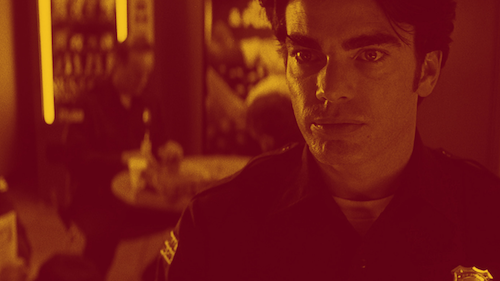
32. The Underneath
Soderbergh's early foray into films noir is The Underneath: a film that does not live up to the promise of its title. Instead of burrowing us into the psyche or gut of its protagonist — or the genre it wishes to resurrect — The Underneath feels like the surface of crime cinema and not much more. Every plot point feels like it is meant to be there (down to its twist ending), and not much feels organic or lived-in. The essence of crime films is that you feel as though what you are witnessing is all real: you are experiencing a life you will hopefully never come across. When a crime film feels lifeless and like a blueprint, there's nothing vicarious, informative, or fresh about it.
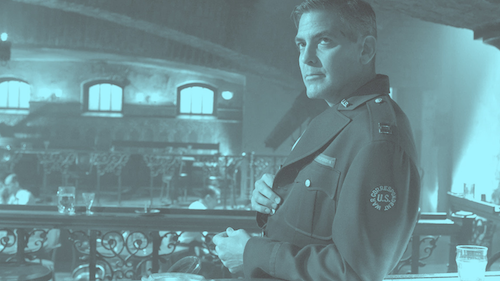
31. The Good German
Nothing in cinema hurt more during my teen years than a film that looks and sounds incredible that simply wasn't. When I was young and watched The Good German, this felt like a massive tribute and flashback to the films of the forties: something that was quite foreign to me at sixteen. However, this was a quick and humbling experience: what appeared to be a film of yesteryear was very much a contrived, glacially paced film of the twenty-first century: a neo-noir sociopolitical operation that barely transports you as much as it insists it does. I feel like I should like this film far more than I do, but the truth of the matter is that The Good German is not that good.

30. Bubble
Another film that is a better concept than it is a final product, Bubble is meant to be a Hitchcockian thriller via the confines of a factory and its low-quality cameras. You do get the sense that you are invading the personal space of the film's characters when the revelation of a murder takes place. You are supposed to feel vulnerable, as if this could happen in your everyday humdrum life. However, Bubble instead just feels a little too thin in every department, to the point that I found myself caring very little because of how detached I felt. Soderbergh certainly has stronger lo-fi experiments than this one. This does stick out as an unforgettable experiment, for better or for worse, and I suppose that counts for something.
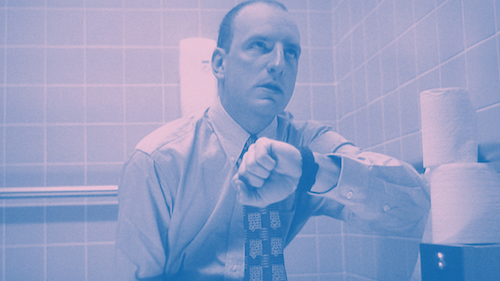
29. Schizopolis
Schizopolis is the kind of film made by a newer director: a well of ideas and only a handful of completed throughlines. The kicker is that Soderbergh was clearly capable of making more complete and realized works at this point in his career, so why does Schozopolis feel like a fraction of a whole? This satirical observation of the hypocrisies of the American Dream and the many different kinds of cults within it feels like there is a lot going on. There may be a bit too much, given the frenetic and frantic nature of this picture; I think anxious cinema can be great when handled correctly, but Schizopolis does come off as the frequent darting of an unsettled mind that you cannot stop from downward spiraling. At least it's ambitious, I suppose?
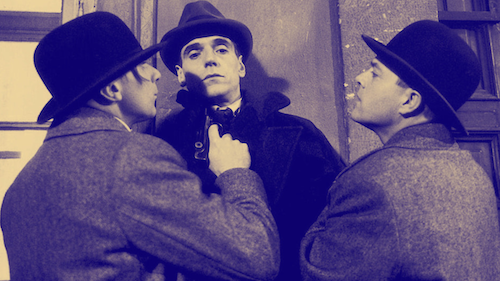
28. Kafka
After the overnight success of Soderbergh's debut film, Sex, Lies, and Videotape, he was already leaping into starkly new and unique territory with Kafka: an inventive take on the biographical picture, in which author Franz Kafka's life gets turned into one of his literary nightmares. This film does feel a bit bombastic, as if it is mainly style over substance, and the main essence of Kafka's work is that you are meant to feel it take over your mind or body; you never feel as though it succeeds. Still an aesthetic series of risks, Kafka works as a boiled down concept of Kafka and his work, but it never really acquaints you with his brilliance or his life as a human being. I do admit that this feels like an absolute trip, and that might be all that you are looking for.
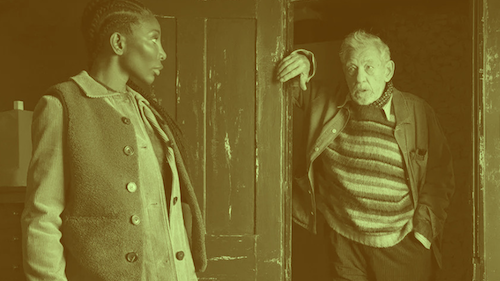
27. The Christophers
When filmmakers get older, they challenge the concept of legacy quite a bit; what will transpire once they are dead and gone? In The Christophers, an artist's children hire a forger to finish the works he abandoned in order to sell them off as completed pieces (does Soderbergh's AI stance not feel completely hypocritical now). There is a precious sentiment on the heart and soul found in art and what that can look like when said passion is missing, but The Christophers is also quite the slow burn to get through; that same heartbeat that we crave in the art that moves us is missing from the very study of said phenomenon.
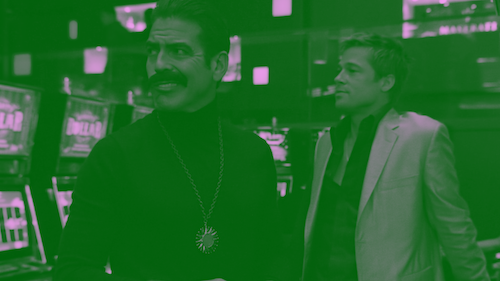
26. Ocean’s Thirteen
While not nearly as flat and uninspired as Ocean's Twelve, Ocean's Thirteen also was made with the intention of just furthering the franchise. I am happy to report that this is also stronger than Magic Mike's Last Dance, in the sense that this doesn't feel pointless. You can argue that this film didn't need to be made, but at least Soderbergh and company up the ante enough to make this third heist in a row feel somewhat riveting again — this is that high that Ocean's Twelve was missing. Sure, by now we know that everything will work out just fine, but the film places so much emphasis on the how the scheme gets pulled off that you remain invested anyway; there's that magic that makes these films worthwhile.
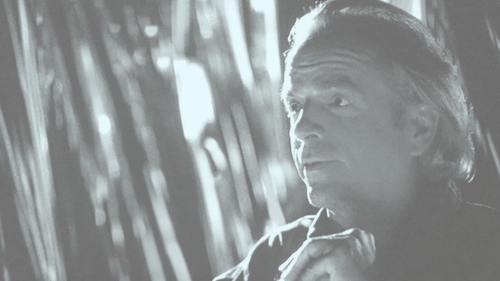
25. Gray’s Anatomy
After having a small part in Soderbergh's King of the Hill, writer/actor Spalding Gray teamed up with the director again to make Gray's Anatomy: what is effectively a feature-length monologue. Here, Gray details the unfortunate experience of having macular pucker: a degenerative ocular disorder. I will say that this film is a nice approach to diving into the perspective of another person during their candid confessions, and Soderbergh makes sure to both respect Gray as a one-man show and also slightly enhance what Gray is saying via aesthetic means. This is a hypothesis on making the most out of very little, and much of the film does rely on Gray being charismatic and engaging (he is both things).

24. The Girlfriend Experience
One of the more avant-garde films made by a mainstream filmmaker of the aughts has to be Soderbergh's The Girlfriend Experience: made literally the same year as The Informant!. Starring adult film star Sasha Grey, The Girlfriend Experience plunges you into the life of an escort, down to having everything shot on a sole Red One camera. This slice-of-life experience eschews the fantasy and glitz of such a life through the eyes of the male gaze. What could have been dull and boring comes off as purposefully frigid and uncanny to me; as if the exploited women of desire are damaged furthermore via this voyeuristic perspective — they are never treated as human. Furthermore, the film is all about craving, and our protagonist has her own dreams as well met with that same clinical sterility that everyone else receives in The Girlfriend Experience: a rather chilling film about feeling good (you will feel anything but).
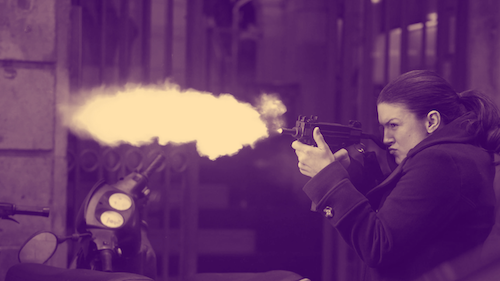
23. Haywire
Soderbergh has proven that he can play ball when needed, but seeing him attempt a mainstream genre with his own guidelines is even more fun. Haywire is very much an action film, but Soderbergh approaches it like a kid making his first film (only with a huge-enough budget and all of the means necessary). The end result is kind of refreshing, in the sense that this doesn't feel like your same tired flick that Hollywood has churned out ad nauseum. While Haywire doesn't get quite as epic or intense as it should, it being a brisk ninety-minute romp means that what you do get is quite a ride enough as it is; to me, the film never feels like it should be striving for more when it is speeding ahead for its already short runtime.
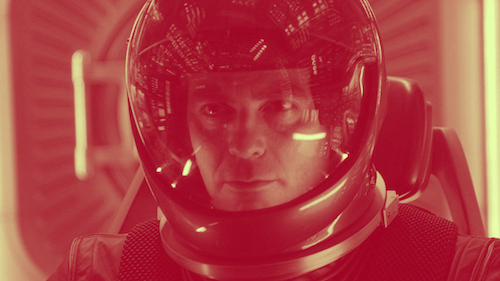
22. Solaris
I will always much prefer Andrei Tarkovsky's original Solaris (seeing as it is one of the greatest science fiction pictures of all time). Mind you, Soderbergh doesn't try to remake Solaris as much as he revisits it via his own guise: one that projects Soderbergh's own takes on grief and memory. While dolling the story and film up a little bit (turning it from a complete arthouse masterpiece into a more digestible work of twenty-first century philosophy), Soderbergh aims to not lose the essence of Solaris' story: the fickleness of having to rely on the recollections of one's past to bring someone back to life. I disliked this film much more when I was younger, but revisiting it with many years behind me makes me respect Soderbergh's take on loss and trauma more (even if I feel like the film will forever be in the shadow of another).

21. Let Them All Talk
Possibly Soderbergh's most forgotten film (and it isn't even a decade old by the release of this article) is Let Them All Talk: a pandemic-era release that is very much in the vein of a Richard Linklater excursion. Following an author around on a cruise ship, this heavily improvised day-in-the-life exercise in stream-of-consciousness is actually fairly captivating. While the film isn't much more than a series of conversations (like an active brainstorming session on board of a sea vessel), Soderbergh is still able to turn these privileged musings into something a bit more tangible without getting overly existential and panicky; instead, Let Them All Talk gives you a bit to nibble on (even if it doesn't last for a lifetime, or even the rest of the day); it's hypnotic getting invested in all of these dialogues nonetheless.

20. Presence
Maybe I like Presence more than the average person, but this one clicked with me quite a bit. Soderbergh's horror film from the vantage point of the supernatural being is a different approach to a tired formula; Soderbergh seals the deal with his finessing of his low-budget means, making any unvarnished qualities feel more uncanny and akin to the film's style and chills. Like many of Soderbergh's other experiments, Presence may not get quite to the heights that it promises but it is also so short (at eighty minutes) that it feels like more than enough: a domestic drama within the confines of a possessed house that doubles as an invasive scrutiny of a typically callous genre (here, Soderbergh hopes to find humanity within the paranormal).
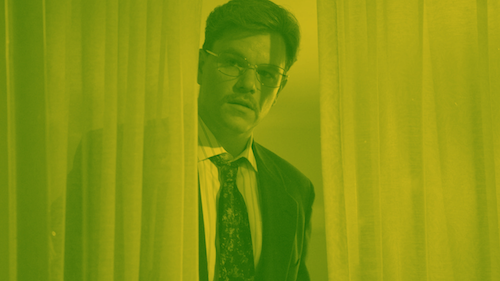
19. The Informant!
Soderbergh approaches the concept of a film about whistleblowing much like a whistleblower himself (albeit a quirky one). In the style of a Coen brothers schizophrenic whirlwind, The Informant! takes the true story of Mark Whitacre (and his involvement with the FBI to try and stop the price-fixing happening at Archer Daniels Midland) and turns it into a screwy caper full of good intentions and bad turns. There isn't a hint of Hollywood glamour here — nor the need to chalk up this story as a triumphant success all in the name of making audiences feel good. If anything, Soderbergh begs his viewers to consider the duty and responsibility of the narrator: how can a story be skewed or portrayed depending on who is telling it? Released at the rise of social media, Soderbergh could look ahead at the unreliability of talking heads with The Informant!.
18. Unsane
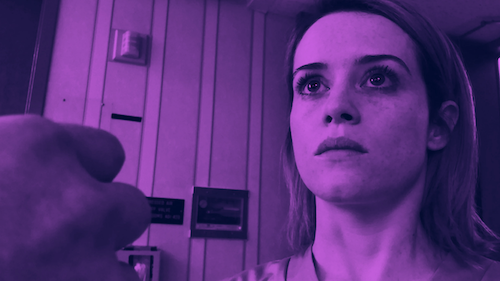
No one is protected or secure in the digital age. Soderbergh was already tinkering around with filming motion pictures using iPhones, but he goes the extra mile with Unsane: a film completely dependant on paranoia and insecurity. Following a gaslit woman who is committed to an asylum despite her lack of safety (in the form of an obsessive stalker), Soderbergh's use of the iPhone 7 Plus to film the entire picture makes it feel comprised of security camera footage, the recordings of nosey passersby, and the internal hauntings of a plagued mind. While some of Soderbergh's other films are blessed with short run times (so that they do not run out of steam), Unsane makes the most of its one-hundred-minute sprint, making us dart at every turn and look around every corner with extreme haste and trepidation. Star Claire Foy can sometimes get ahead of herself; here, she is a stellar, frenzied lead.
17. Contagion
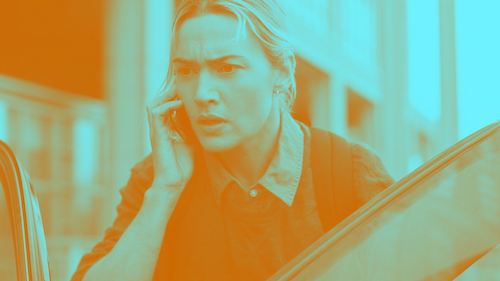
Arguably Soderbergh's most popular film of the past few years (thanks to the unfortunate, topical resurgence caused by the COVID-19 pandemic), at least I can deliver the bittersweet opinion that the film holds up quite well (if anything, too well now). One of Soderbergh's hyperlink pictures, Contagion captures the kinetic hysteria of a sprawling virus that cannot be slowed down (something we sadly know all too well about now); furthermore, Soderbergh's approach via hyper realism not only makes the film relevant and prescient, it also feels taken seriously (not like a science fiction flick that turns a high possibility into a cinematic phenomenon); there's a reason why Soderbergh's version felt the most cathartic during the early twenty-twenties (when so many like-minded films didn't even enter into the equation).
16. Side Effects
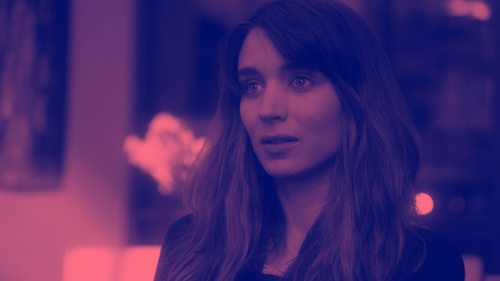
Soderbergh's calculated thriller Side Effects may be a little bit theatrical and out there: something that frustrated me the first time I saw the film. However, upon realizing that the film actually has a campy side that can be lost in the details, I have a new respect for it as a devilishly playful look at the crime genre told via self-aware cheekiness amidst its melodramatic severity. As if it is both playing the part and dismissive of the thrillers that are heavily reliant on their twists, Side Effects toes the line between foolish and genius to the point of being quite remarkable. Not knowing much about Soderbergh and watching Side Effects made me take it too seriously; becoming familiar with the director's tongue-in-cheek side has made me realize that this is intended to be a fly-by-the-seat-of-your-pants ride, flaws and all.
15. Magic Mike
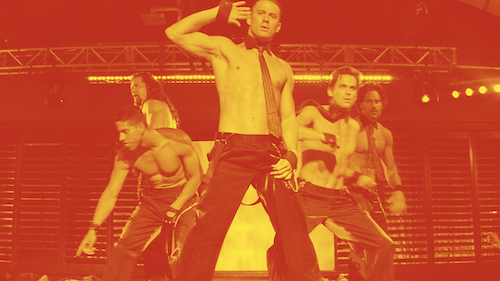
If you were unfamiliar with Soderbergh, the concept of Magic Mike makes it seem impossible that such a film — about the titular male stripper — would be as fascinating as it is. We know now that this apparently superficial film is far more nuanced than many would have expected (unless, of course, you know Soderbergh by now). A fairly deep dive into the ebbs and flows of the high life and the dreams of a better life, Magic Mike revels in the pugnacious lifestyle of trying to get by with fast money (and learning the hard way that nothing is so easy and permanent). We also learned that Soderbergh is one of the only directors to make Channing Tatum a compelling actor (sometimes).
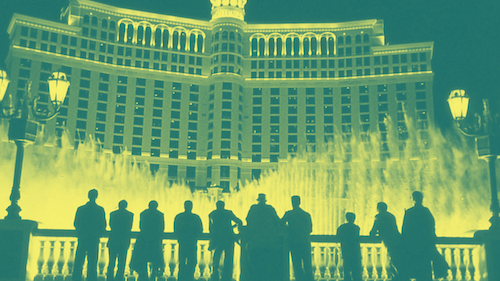
14. Ocean’s Eleven
Perhaps the reason why Soderbergh's Ocean's Eleven was such a success wasn't because he was abiding by the ways of mainstream cinema but, rather, he was rewriting it. Revisiting Ocean's Eleven makes it clear as day that he wasn't sacrificing anything of himself to remake this crime classic for a new age (and, in my opinion, improving upon it). If anything, he was cutting away at the tired tropes of the heist genre and adding new flair, personality, and electricity via the rush one gets when making a small budget film with all of the drive in the world (only Soderbergh was able to pull this off with A-listers and tons of money). Now, too many films — ironically — steal from Ocean's Eleven, but their attempts at heisting aren't nearly as clean, clever, and effortless as Soderbergh's beloved film.
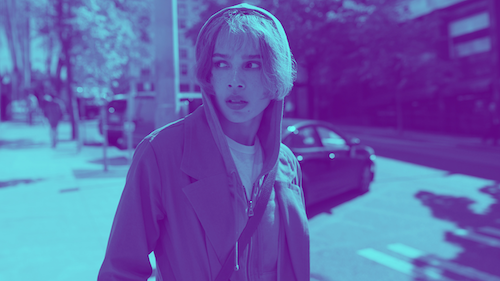
13. Kimi
Who the hell wants to revisit the COVID-19 pandemic? Eleven years after accidentally predicting how it would turn out with Contagion, Soderbergh made one of the best era-tethered films that surpasses these stupid times of isolation and social distancing. Kimi is a pulpy thriller that takes place in the confines of a home, surrounding the titular agoraphobic techie who uses all of the devices at her disposal to report a crime. Ala Brian De Palma's Blow Out, Kimi is resourceful with what technology could be used to uncover a mystery; the key difference is how Kimi has to face the outdoors (a fear that has only worsened with time). While highly commentative of the early twenty-twenties, Kimi is also well made and thrilling enough to exist outside of the pandemic era quite comfortably.
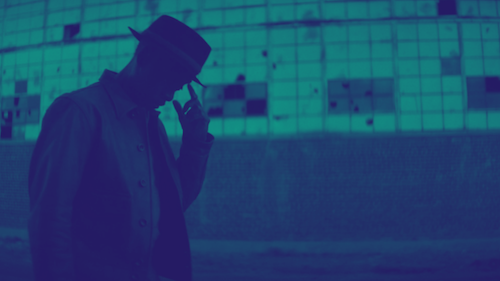
12. No Sudden Move
Years after making neo-noirs, Soderbergh released the sleeper hit No Sudden Move: one of his best throwbacks to the ways of the criminal underworld old. Like Ocean's Eleven with extra steps (maybe about ten thousand), No Sudden Move is not about showing you the ease in which a crime has been pulled off; rather, it is more invested in the calamity of chaos, and the ability to get lost in the many details of a plan (especially when it goes rogue and against the archetype). Getting confused is a part of the experience, and Soderbergh and his illustrious cast make each moment of uncertainty worthwhile and electric; when everyone is trying to move two steps ahead in this game, you'll learn that no one is actually in the lead whatsoever.
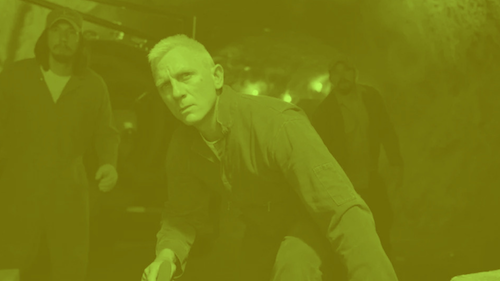
11. Logan Lucky
Soderbergh went on a break after Behind the Candelabra and it appeared as though he may have been ready to call it quits entirely. However, it only took four years for Logan Lucky to mark his return (you never can slow down work horses like Soderbergh, can you). Logan Lucky feels like an itch that the director needed to scratch: it is a return to the heist film after all. This time around, Soderbergh indulges in the hilarity that such high-stakes antics can create, thus delivering an infectious, blistering picture that will either have you on the edge of your seat or completely on the floor laughing (hence the lack of necessity for sitting down). Maybe Soderbergh needed a few years to charge himself back up again, but by his glorious return via Logan Lucky, he was clearly firing on all cylinders again.

10. Black Bag
Ladies and gentlemen, the domestic spy drama done right. Black Bag sees a rift between a husband and wife (both of whom are also agents, albeit with different and conflicting objectives), and Soderbergh handles this assignment almost exclusively within the private quarters of their home (including the awkward, tense moments when company is over and things fall apart). If many of Soderbergh's films indulge in the spectacle of these elaborate and atypical lives (robbers, spies, those who do not abide by the normalcy of society), then Black Bag allows you to be shrouded by the fog of mystery that such a life would actually feel like: one of second guessing, deep concern, and the ambiguity of wondering what your next moves should be. That first watch of Black Bag leaves you in the dark; each rewatch reveals a bit more of the master plan each time.
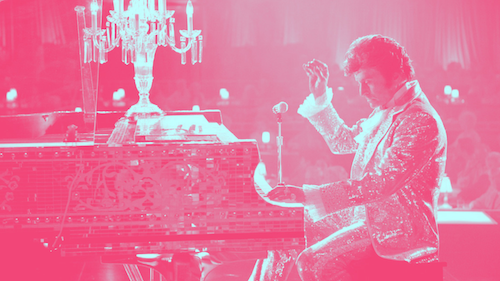
9. Behind the Candelabra
Soderbergh stated that he was likely retiring after this particular film; while we know what hogwash that was in hindsight, imagine what a bang he would have left on had Behind the Candelabra in fact been his swansong. A traditional let lavish biopic about musician Wladziu Liberace in his final years, Behind the Candelabra — an original film for HBO — is beyond confrontational and vulnerable. This back-and-forth mastery of performances by two of Soderbergh's vets (Michael Douglas as Liberace, Matt Damon as partner Scott Thorson who provides the primary perspective for this film) heightens this film from a fairly well-handled exploration of a complicated figure to the devastating revelation of what transpired behind the scenes. The spotlight is far more than an opportunity to shine: it doubles as a mechanism of scrutiny and scorn. Behind the Candelabra showcases both angles.
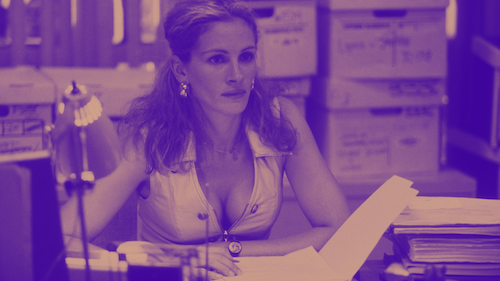
8. Erin Brockovich
Soderbergh has even dabbled in making conventional biopics (you could argue), and he can make these excellent as well. Enter Erin Brockovich: an entertaining and tragically spellbinding look at the litigious figure of the same name. Played expertly by Julia Roberts who won an Oscar for this work (if Ellen Burstyn in Requiem for a Dream sadly had to lose to anybody that year, I'm glad it wound up being Roberts here), Brockovich is someone who life has not handed many favourable cards to. Instead of becoming defensively selfish, Brockovich devotes everything she has left to helping others when she discovers a town that has been essentially poisoned by negligence. Even though Soderbergh's Traffic was nominated for Best Picture and Director, I'm glad that he was also acknowledged the same year for the ultimate underdog and whistleblower story, Erin Brockovich: the film and person who refused to quit.

7. High Flying Bird
One of the great sports dramas of the twenty-first century is High Flying Bird: a race against time to secure a basketball rookie during a lockout. Soderbergh displays the data-riddled infrastructure of the life of being a sports agent: one where information comes pouring in like a leaking faucet — Soderbergh turns this influx of analysis into a beautiful breeze that circles around us. Filmed entirely on the iPhone 8, High Flying Bird creates the experience of compulsively watching news in real time on our phones; anyone who has waited for breaking intel by Adrian Wojnarowski or Shams Charania know what I'm talking about. High Flying Bird makes the art of securing new talent in a dog-eat-dog world feel like a heated game that has gone down to overtime; the clock is ticking, and you are scrutinizing every move more than the earliest minutes of the game, awaiting either a strike of glory or a potential error that costs the whole match.
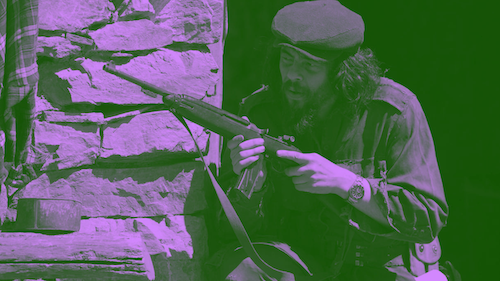
6. Che
Since it is meant to be seen as one film, I will include both parts of Che as a sole entry; either way, this is a whopper of an epic. For a director who usually deals with smaller-scaled endeavours, Soderbergh proves that he can be a behemoth of a director when working on an epic level; while Che is the only clear proof of this, it's still beyond evident that he is a master of longform cinema when he wants to be. At over four hours in length with both parts combined, Che is a complicated, layered portrait of the infamous revolutionary Che Guevara, played with extreme precision by Benicio del Toro (one of Soderbergh's regulars, and you can expect perfection when both connect on a project). If part one was the construction of Guevara as a public figure, then part two showcases his mythological scope as an entity; Soderbergh matches both the grounded and the soaring depictions of this controversial figure.

5. The Limey
Even though Soderbergh is intrinsically an American director, he delivered one of the most staunchly British films of the nineties (despite the fact that it takes place in the United States). The Limey is an enigmatic revenge picture driven by the impossibly unpredictable decisions by Wilson, played by the late Terence Samp with a career-best performance. Following this anguished and angered individual around, The Limey places us in the line of fire time and time again. Even though there is much to be entertained by here, Soderbergh never loses sight of what gives the crime genre a soul: tragedy and heartbreak. By providing this necessary layer, Soderbergh allows The Limey to go from an eccentric watch to an unforgettable lesson in acceptance and healing.
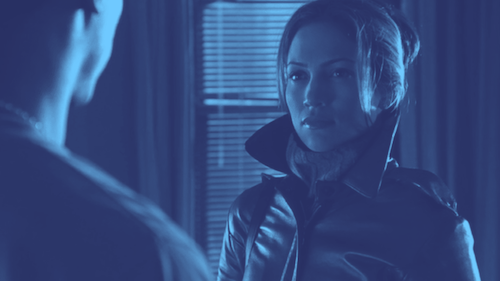
4. Out of Sight
The best heist film Soderbergh ever made has to be a film that has grown in stature and quality as the years roll by: Out of Sight. What once felt like a possible nod to the then-new stylings of one Quentin Tarantino now stands on its own two legs as an unforgettable, stylish, hilarious look at finding love in all of the wrong places. Featuring the relationship between a U.S. Marshall and a thieving mastermind that you can only consider "complicated," Out of Sight finds chemistry in romance, thrill in crime, and colour in all of the grey areas. This film is far too lively to be considered a neo-noir: this is a picture that is on the verge of bubbling over in every single way (and what a thrill that experience is). Soderbergh is also a terrific actor when it comes to getting the best out of his stars; I don't think star Jennifer Lopez has ever been better than she is in Out of Sight.
3. King of the Hill
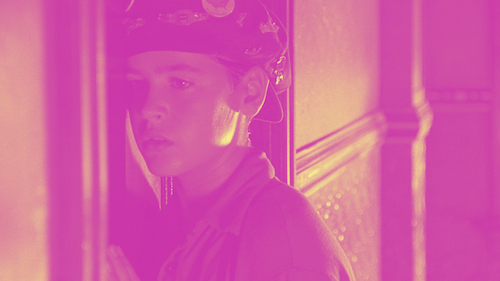
One of the most underrated films of the nineties has to be Soderbergh's third film, the coming-of-age drama King of the Hill. Soderbergh's first foray into conventional storytelling without any extra hitches, King of the Hill is a moving story about writer A. E. Hotchner's youth during the Great Depression. Seeing how much responsibility he has to have despite being so young and ill prepared for the real world, King of the Hill will show you a reality in which a person and their family has been heavily let down by society's flimsy infrastructure; in that same breath, you know that there are millions of families just like this back then and today (and in the days to come). Soderbergh never gets caught up in the lazy cliches of finding whimsy within sadness, and he allows King of the Hill to exist on its own terms — allowing the film to be as devastating as it needs to be, but also encouraging some unexpected bright spots to shine on their own. Who would have thought that one of Soderbergh's greatest triumphs would be a film where he doesn't try to reinvent the wheel? King of the Hill proves that he can shine when he is being as Hollywood as possible.

2. Sex, Lies, and Videotape
One of the peak directorial debuts has to be Soderbergh's indie classic, Sex, Lies, and Videotape. This subversion of voyeuristic tendencies sees one videophile who records private conversations with women and their views on sex. Almost like a David Cronenberg horror without any of the actual gore or mutations, Sex, Lies, and Videotape is a permanently uncanny and eerie picture about the revelations of deep and dark secrets to confrontational levels. When he was essentially just a kid, Soderbergh exhibited so much knowledge about the toxic and loaded relationship between the capturer and the subject, and a director's ability to manipulate and obfuscate what they record for their own benefit. This early wisdom saw Soderbergh winning the Palme d'Or at the age of twenty-six and at the very start of his career. As illustrious as his career has been since, it still boggles my mind how efficient, creative, and monolithic Soderbergh was during a time when most directors would still be trying to dip their toes and see how things work; Soderbergh dove in head-first with the possibility of drowning, only to resurface not just a new man but the new face of American independent authourship.
1. Traffic
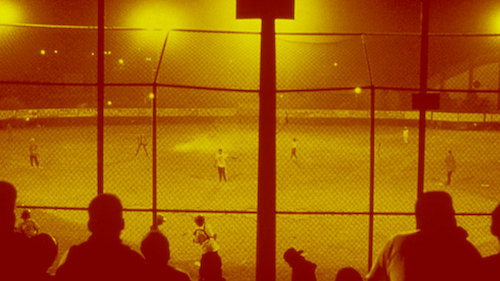
When it was first released, Traffic was one of the films of the year. As time has gone by, it now feels like a bit of an unsung masterpiece: one that is not nearly as discussed or celebrated as it should be. You will find fans of the film, sure, but I fully believe that this remains one of the greatest films of the twenty-first century, and I await that same adoration from elsewhere. Of all the Oscar-winning pictures that trail off and never get discussed again, Traffic is far too fucking good to be one of those casualties. I will die on the hill that Traffic should have won Best Picture that year over Ridley Scott's Gladiator (or Ang Lee's action opus, Crouching Tiger, Hidden Dragon; considering that Soderbergh won Best Director, though, I feel like Traffic had a higher chance). One of Soderbergh's more ambitious efforts, Traffic -- an exceptional take on the hyperlink film — places us in a cascading triptych with abrasively vibrant colour coding to mark each tale. Before it became the ultimate cliche, the storyline featuring Mexican cartels and an officer informant was shot using yellow-hued tobacco filters. Sequences featuring a drug czar and his family are drenched in the blue of the American flag. For the cat-and-mouse chase involving a drug lord, his wife, and the officers circling his every move, there is a muddy, warm aesthetic. When any stories overlap, their colours blend into one another, defining a crossover of worlds, narratives, and danger.
Traffic is a massive exhibition of the futility of the nation's War on Drugs: an endless, conflicting crusade with well-intentioned fighters getting wrapped up in incredibly serious situations with zero safety nets. There is absolutely no right or wrong answer here, as Soderbergh paints the fullest image of the then-current state of things in this ongoing battle. All of the lives caught in the crossfire — from passersby intercepted by attacks, to innocent youths who get hooked onto drugs and the brutal lives that they come with — are featured here, and Soderbergh knows that it isn't as simple as stopping one dealer when the underworld of drugs cannot be stopped now. With breathtaking performances, flawless writing by Stephen Gaghan (also known for Syriana), and a constant wave of pummeling, punishing pandemonium, Traffic is a masterclass in crime cinema. It manages to encapsulate the never-ending discourse into a two-and-a-half hour tapestry of discovery and damage (considering that it is based on the miniseries Traffik and is able to fit everything essential into a far shorter runtime, you can consider this adaptation a no-filler sprint).
The fact that we are able to connect with every character (no matter how long their screentime is), understand each storyline with complete fullness, and are forever being pulled every which way by twists, turns, and nosedives is a testament to Soderbergh's excellence as a director who can adapt to any style; remember that this is the guy who made Erin Brockovich the same year, and Ocean's Eleven (a completely different take on crime cinema) just a year later. Most films feel like a narrative objective or an aesthetic design; some feature entire worlds that are growing in every direction, and yet they are able to bottle up enough that we get the larger picture despite the sprawl. Traffic is the latter: a film without one primary objective or storyline that manages to detail enough of a titanic crisis that you will understand every angle here. Steven Soderbergh also mirrored much of his career based on the characters of this film: you can go all-out with the biggest assignments, but you can sometimes achieve greatness and legacy with the smallest wins (like ensuring that a neighbourhood's baseball diamond has lights so that the kids can play safely at night); you cannot change the world in its entirety, but you can change the world for individuals. Traffic is a film that makes me adore motion pictures even more than I already do, and I will never get tired of watching it. I hope the masses find that same passion for it that they once had.


Andreas Babiolakis has a Masters degree in Film and Photography Preservation and Collections Management from Toronto Metropolitan University, as well as a Bachelors degree in Cinema Studies from York University. His favourite times of year are the Criterion Collection flash sales and the annual Toronto International Film Festival.