
Filmography Worship: Ranking Every Werner Herzog Film
Written by Andreas Babiolakis
Filmography Worship is a series where we review every single feature of filmmakers that have made our Wall of Directors
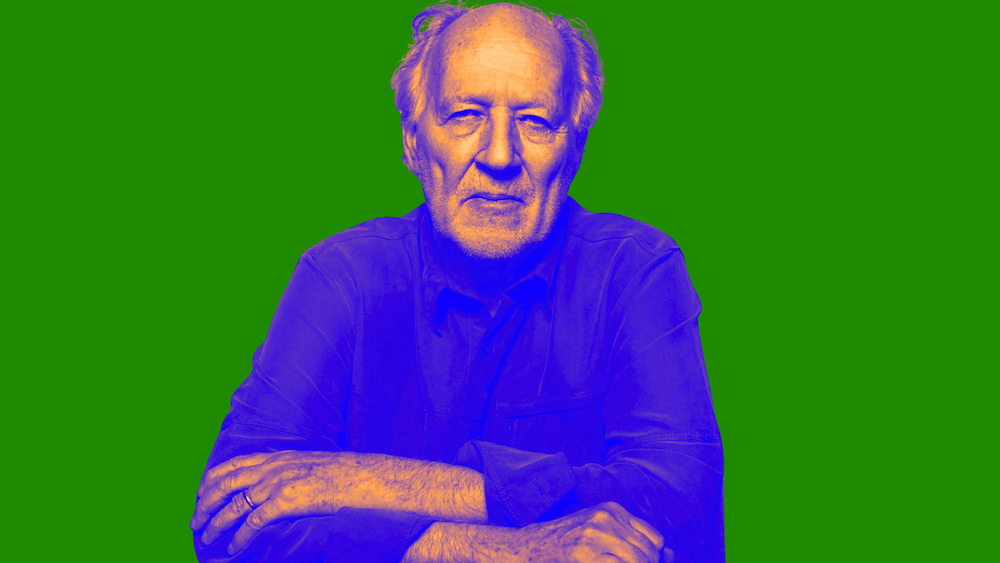
One of the most fascinating directors of all time is Germany's Werner Herzog, who really is a dichotomous enigma. On one hand, you have this auteuristic renegade who plays by his own rules. He has forged permits to shoot wherever he needed to, and would "borrow" equipment he couldn't afford to get the job done. This resulted in extremely raw, anxious, visceral films shot in Herzog's signature guerilla style. Then, there is his other side: the silk-voiced academic who patiently allows his subjects to enlighten him on the kinds of stories he is to share with the world. He has traveled all over the globe to capture all angles of the human experience with more versatility and interest than most directors I have ever seen; you simply cannot pin down Herzog's objects or topics of interest without generally describing his works as anthropological tapestries of triumph at any cost. Some of Herzog's subjects succeed with glorious or intriguing results; others fail spectacularly but will try nonetheless. Not once has Herzog not made a film that spotlights the brilliant perseverance or curiosity of humanity — how his films differ is whether or not these pursuits help or harm everyone else.
In that same breath, there is also a different Herzog coin with two sides. In the same way many have said that the late basketball player Kobe Bryant has had two hall-of-fame careers (with the jersey number eight, and the number twenty-four; his accolades and stats for both phases are outstanding), I believe Herzog has lived the life of two cinematic masters. There's the narrative film director: over twenty stories of innovation, comeuppance, rebellion, and self-fulfilment that shake audiences to their core and expose aspects of humanity that feel untapped (especially when it comes to discovery, mania, and narcissistic addiction). Then, there is the documentarian: dozens of global studies from natural occurrences and the cultures of many countries, to technological advancement and governmental concerns. When I do these filmography ranks, I try to focus on what parts of that director have made the biggest splashes (especially if they have a sprawling filmography); so if a filmmaker has thirty narrative films and a couple of hard-to-find documentaries that barely anyone has seen, I will prioritize the narrative works. There is no way I could ignore Herzog's narrative or documentary works. However, I will be focusing just on his feature films and not his shorts or episodes of television series (maybe for another day).
I believe that this hunger to tell stories and drive to traverse all of planet Earth come from Herzog's difficult childhood. Born in Munich during Nazi Germany in 1942, Herzog, his mother and siblings all fled just weeks after his birth after their neighbourhood was bombed during World War II. They settled in a Bavarian village in the Chiemgau Alps. They didn't have plumbing or electricity of any kind. He wasn't even aware of motion pictures until he was an older child when a projectionist visited his village's schoolhouse to show a film. From a young age, however, Herzog knew that he was spellbound by storytelling via visual methods — taking a massive likening to discovered cave paintings from the earliest days of humankind (Herzog would eventually direct a documentary on the subject: Cave of Forgotten Dreams in 2010). Herzog was nineteen when he worked on his very first film, the experimental short Herakles. He has remained prolific ever since, releasing over fifty feature films without ever taking a rest.
Herzog has figured out the best way to maintain longevity in this medium that he didn't even know existed for much of his youth (once he learned, however, he never let go). Herzog has done whatever is necessary to stay afloat and to allow his projects to never be impeded by meddling studio executives or producers. This includes the recent tactic of participating in major works — like Star Wars and Rick and Morty — to earn grand paychecks in order to self-finance his ongoing productions. However, his conquest to make films by any means necessary have also been considerably ruthless in the past. His work on his masterful epic, Fitzcarraldo, was proven notorious by the documentary of said production (Burden of Dreams) and Herzog's own diary-entry memoir, Conquest of the Useless. By Herzog's own admittance, he was mirroring the character of Carlos Fitzarrald and his unrealistic ambitions to accomplish his concepts no matter what. I feel like Herzog has mellowed out in his later years, down to refusing to put himself through the many years of the toxic, hostile, and nearly-fatal partnership between him and actor Klaus Kinski (their relationship is depicted in Herzog's documentary, My Best Fiend); even though they nearly killed one another (quite literally in ways), Herzog got the most out of the problematic and controversial actor, and Herzog's films succeeded in going distances further than most directors have ever dreamed of.
You will find that Herzog's narrative and documentary films often go hand-in-hand (like how the documentary subject in Little Dieter Needs to Fly was recreated by Herzog in his war epic Rescue Dawn); I will try to tie these connections throughout my ranking. I am also a little saddened by what will hopefully not be a problem for long: two missing films. They are the more recent documentaries Theatre of Thought (2022) and Ghost Elephants (2025) which haven't had significant distribution outside of their film festival appearances; I hope to rectify their omissions as soon as I can. Still, I have had one of the most fulfilling journeys as a cinephile going through the works of the New German Cinema titan. I truly believe that he is one of the most brilliant minds in all of film history, and — while I have learned many new things going through his filmography — I can never keep up with the intellect, energy, or ferocity of Herzog: the endless spark of informative and narrative conveyance. You will find that — according to me — Herzog does have a couple of duds later into his career (within his narrative storytelling; I don't think he has a single awful documentary film), but the bulk of his career is of high quality, sprawling anarchy, encouraged discovery, and the continuous pursuit of what makes us feel the most alive, ingratiating himself with many walks of life on this small planet we all call home. Here are the films of Werner Herzog ranked from worst to best.
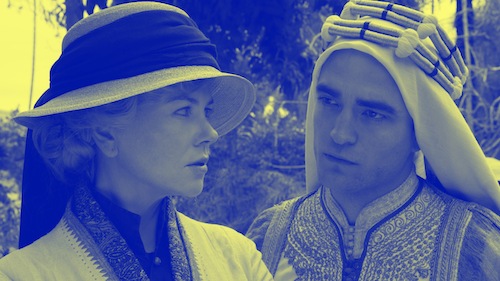
52. Queen of the Desert
One of the most difficult Herzog films to find, Queen of the Desert also holds the designation as his weakest effort, primarily because it is the only one to feel safe and saccharine. As Hollywood as Herzog has ever felt, this historical drama provides a stunning geographical look at explorer Gertrude Bell's journeys and not much more. At least I’ve seen it, I suppose?
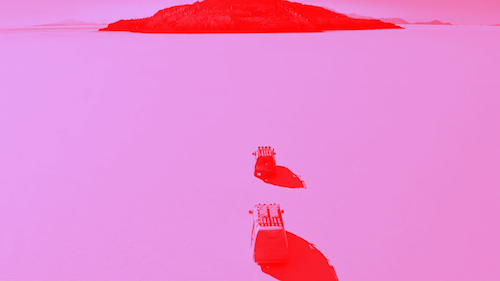
51. Salt and Fire
While not quite as mundane as Queen of the Desert, follow-up Salt and Fire certainly isn't much better. This ecological thriller feels akin to many of its kind with the miniscule, extra element of Herzog's aesthetic eye to make the drab story feel at least the slightest bit more interesting than it honestly is. This one's only for massive Herzog fans and — even then — it's hardly worthwhile.
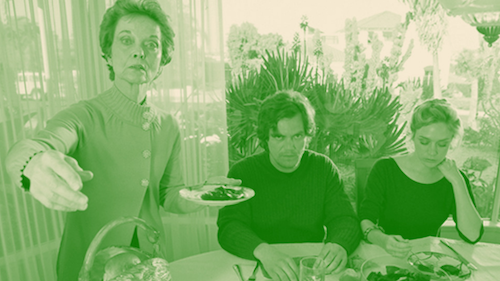
50. My Son, My Son, What Have Ye Done
Another narrative feature that feels hardly worth it, I give My Son, My Son, What Have Ye Done a few extra points merely because Herzog's signature style does enhance this otherwise muddled and dull crime film enough to make it somewhat watchable; for instance, the random pink flamingos strolling about add far more mystery and atmosphere to a film that insists that its murder plot has it in spades (but doesn't). At least the film has Herzog's endless amusement towards the unusual to grab onto here.
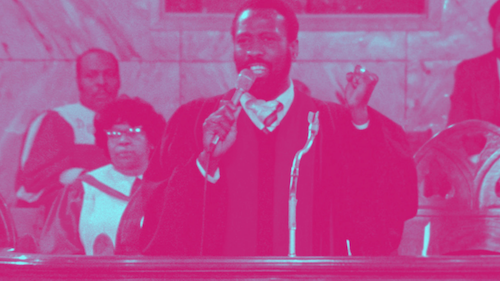
49. Huie's Sermon
From this point on, Herzog's films are at least watchable, but we have come across the lowest-ranked documentary film. Huie's Sermon intends on making you feel the euphoria of reverend Huie L. Rogers' soaring and bombastic sermon as if you are attending it, but I would argue that the forty-minute film instead feels like the viewing of such a service, not the intended enrapturing by it. Still, Herzog senses something tremendous within this man's connection to his faith, and Herzog saw fit to capture it in hopes that we would feel what Rogers feels; we might not, but you might be at least slightly interested nonetheless.
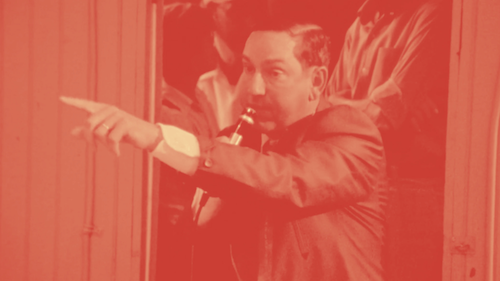
48. How Much Wood Would a Woodchuck Chuck
While shooting Stroszek, Herzog came across auctioneers and their speedy, percussionistic ways of talking: as if they were speaking the language of another reality (or, as Herzog put it, "the poetry of capitalism," as if it was blistering spoken-word riffing). The end result is this peculiar documentary that kicks off as a fascinating study of how this practice during auctions came to be and what it has transformed into in America. Even though Herzog does his best to pad the film with more inquiries, this documentary does begin to grate a little bit once you have dealt with forty-five minutes (or so) of rapid-fire talking (you might feel it in the pit of your brain until the point that your mind is going, going, gone).
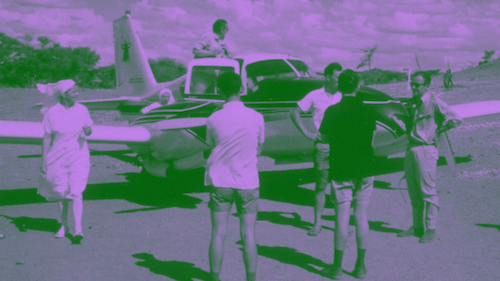
47. The Flying Doctors of East Africa
Herzog's very first documentary film, The Flying Doctors of East Africa, is not this low because of its subject matter; if anything, seeing the efforts of African doctors to try and help ailing people across the continent is remarkable. However, this film was made as a favour by Herzog for these very doctors to spread awareness. The result is something a bit ordinary by Herzog's standards: a documentary that doesn't dive into the mind of its creator (Herzog himself) or the extent of its subject like the German films would be known to do (Herzog himself called this film nothing more than a "report").

46. God’s Angry Man
Perhaps an antithesis to Huie's Sermon, Herzog's God's Angry Man follows infamous televangelist Gene Scott and his fight against the F.C.C.'s efforts to censor his program; Scott's fury is shown here with a bit of a sympathetic understanding by Herzog, who has also had to butt heads with those who got in the way of his passions. Regardless of Herzog's religious affiliations, he sees both the sanity and insanity within Scott's crusade (of sorts) in God's Angry Man: a film that feels a bit ordinary compared to Herzog's many other studies of madness within passion.
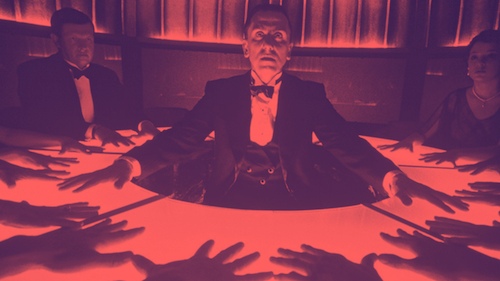
45. Invincible
If Herzog's entire career was contingent with the mysteries of the unknown, then a film like Invincible tries its best to honour what that fascination feels like to Herzog. Featuring a psychic in the thirties who proclaims the ability to prophesy the future — including peering into what would happen to Germany — Invincible feels like an attempt to blend many of Herzog's passions (anthropological discourse, historical complexity, and that of which has yet to be discovered and/or solved) into one epic; unfortunately, this is a bit of a well-intentioned misfire that tries to accomplish too much and, in return, fulfills very few of Herzog's intentions.
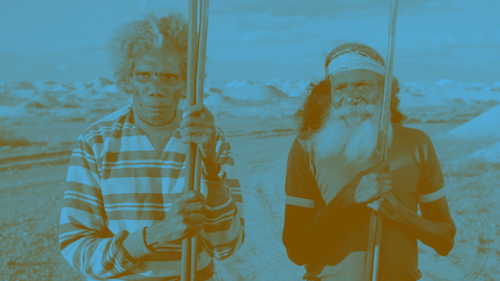
44. Where the Green Ants Dream
Herzog was almost always excellent at differentiating between narrative and documentary films — or, occasionally, he'd blur the lines between both mediums quite effectively. Then there's Where the Green Ants Dream: a film that strives to pull off both identities and kind of loses a sense of itself in the process. In hopes of tackling concerns surrounding Australian Indigenous rights in a docudrama experiment, Where the Green Ants Dream feels a little too fabricated to ring true and too focused on documentative evidence to feel "directed". This is a decent film despite its confused nature, but I also think Herzog has far more confident efforts.
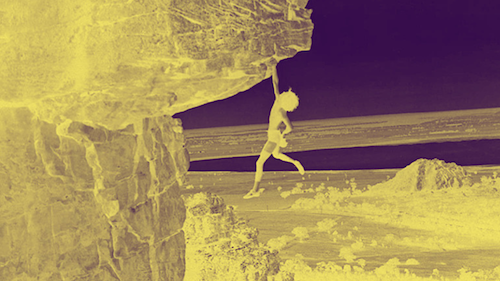
43. Scream of Stone
If Herzog's films have taught me anything, it is that truth is stranger than fiction. When you see a film like Scream of Stone, this couldn't be more true. What Herzog hopes to evoke via his narrative feature about two climbers racing to be the first ones to conquer Cerro Torre in South America is something as magnificent and spectacular as the miraculous feats he has documented time and time again. Instead, Scream of Stone is a bit more drab and laboured than what Herzog was anticipating. It feels like a bit of a rush, sure, but that astonishment that you would get from a similar experiment regarding human perseverance in the name of self-idolization (like, say, Fitzcarraldo) is noticeably missing here.
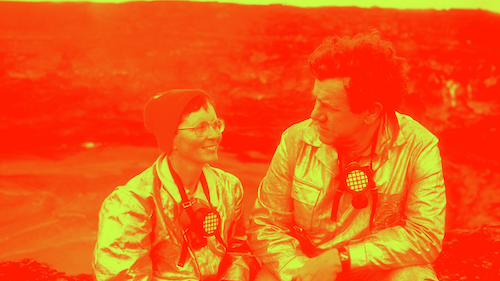
42. The Fire Within: Requiem for Katia and Maurice Krafft
The Fire Within: Requiem for Katia and Maurice Krafft has the unfortunate disadvantage of being released the exact same year as a documentary of the exact same subject (and, admittedly, a stronger film overall): Sara Dosa's Fire of Love. Dosa's version of Katia and Maurice Krafft's volcanology and demise is an exhilarating look at a scientific obsession to the point of fatality; the film's energy matches what such a passion would feel like. Herzog's answer is a lot more subdued and sorrowful, given that he had covered the Krafft story at least briefly in his superior documentary, Into the Inferno: with The Fire Within, he is strictly aiming to create a memorial to lives he came across years too late. It is an honest memento, but The Fire Within and its shortcomings makes it clear that Dosa has a stronger film on this couple (and Herzog himself has better documentaries about volcanoes).

41. Family Romance, LLC
Even though we are still quite low here, I would call this point of the list the point where Herzog's works are at least pretty good. A look at the Japanese rental family service before such an occupation was tackled again by Hikari's popular 2025 film, Herzog's Family Romane, LLC is an even-stronger look at the particularities of such a service. Where Herzog faulters compared to Hikari's example is how Herzog seemingly struggles to take this unique concept and make it worth its ninety-minute runtime (this feels more like it could have been a sensational short film, rather than a feature-length effort that runs out of things to say rather quickly). Even so, it is worth seeing how Herzog frames such a profession with the kind of wisdom that he possesses.
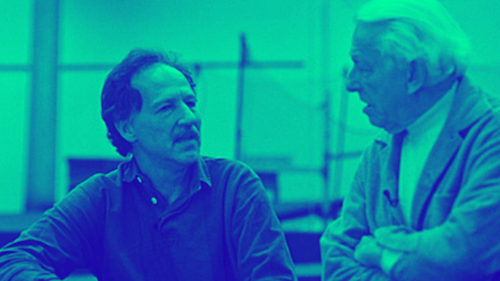
40. The Transformation of the World into Music
I think that it is safe to call opera a bit of a dying art, unfortunately, but such was the case even back in the nineties when Herzog sought to rejuvenate it with a film like The Transformation of the World into Music: an effort to spotlight the Bayreuth Festival and various contemporary forms of opera. I suppose the majority of the subject's weight is for the operatic music to speak (or sing) its own existence into the souls of viewers (without Herzog having to do much explanation), and the result is something a bit simplistic yet angelically exuberant).
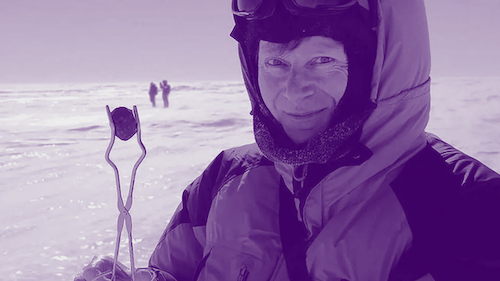
39. Fireball: Visitors from Darker Worlds
If documentaries are meant to dispel mysteries, something like Fireball: Visitors from Darker Worlds — to me — only encourages such questions. Herzog's documentary about the global response to meteorites (from scientific and religious examples) is a peculiar look at how many different walks of life take an unknown constant and have their own answers for them; even though we have evidence as to what truly causes meteorites now, Herzog encourages the answers of all because Fireball's purpose is not to solve a quandary: it's to celebrate invention and imagination.
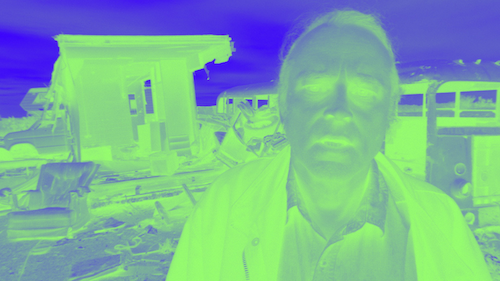
38. The Wild Blue Yonder
Many science fiction films try to present human beings with the unknown. Herzog's The Wild Blue Yonder features an extraterrestrial's journey to Earth to build a community there; perhaps this is the inverse of most sci-fi hypotheses. Herzog doesn't get quite as far as he could have with this one, but I also believe that the premise is strong enough, considering what Herzog says about our ongoing quest to find life — and sustain our own — on other planets while we let Earth fester and die; as the years come and go, The Wild Blue Yonder begins to hit a little too close to home. Maybe the lukewarm reception came from those who couldn't see Herzog's concern; it's impossible to ignore, now.
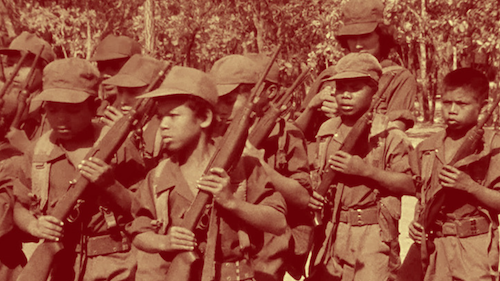
37. Ballad of the Little Soldier
Herzog has traveled the world as an effort to retrieve stories and events that he felt everyone should know about. Then comes a film like Ballad of the Little Soldier, which is a brief documentary about the use of child soldiers in Nicaragua: this is something we wish we never knew (yet, of course, Herzog's film acts as an important message for the unfamiliar: this awful reality exists). Even though I think forty-five minutes of such a subject is enough for us to feel everything Herzog wants us to, I feel like an even longer study of the history of such a cowardly act would have strengthened this documentary's purpose (to my earlier point, a two minute documentary about child soldiers would make you feel just as sick). Even so, Herzog's perspective on such an atrocity is one you'll want to hear.
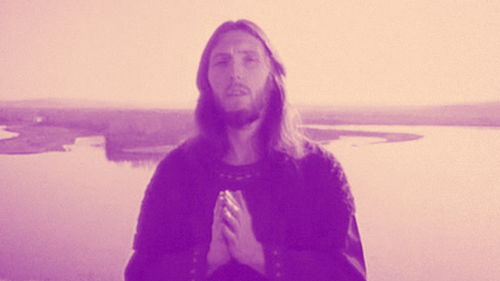
36. Bells from the Deep
Documentaries can be more than purveyors of information. A film like Herzog's Bells from the Deep — a study of the schism of religion and faith after the fall of communism in Russia — is something you feel rather than just explicitly learn from. Herzog blends hints of surreality with the beliefs of various Russian subjects to create a shamanistic film that is sure to cleanse even irreligious viewers. Herzog may not always understand or agree with the subjects of his works, but he is always a willing participant who tries to, and a film like Bells from the Deep is such an example that acts as both a geographical and spiritual teleportation for an hour.

35. Meeting Gorbachev
What could a film titled Meeting Gorbachev entail? Surely not Herzog having a sit-down conversation with the last President of the Soviet Union, Mikhail Gorbachev? Surely, you jest! It is interesting how much can be derived from simply a discussion between two figures in the latter years of their lives, and Meeting Gorbachev is documented footage of such a meeting taking place; if Herzog is forever wanting to stimulate your mind, any such conversation he has could surely accomplish this. The film doesn't create its own educational or theoretical purpose as much as it invites you to take away from it what you will; I guarantee you will leave with something that piqued your interest or intellect.
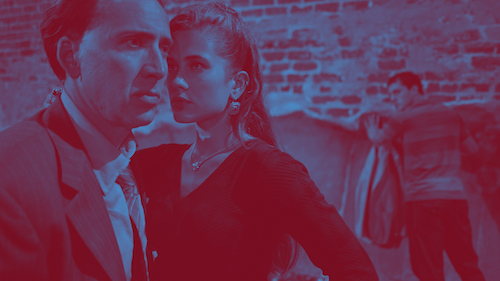
34. Bad Lieutenant: Port of Call New Orleans
If anyone could match Abel Ferrara's unhinged filmmaking ways, it's Herzog — even if Ferrara doesn't think so with Herzog's answer to the former's Bad Lieutenant. Herzog's Bad Lieutenant: Port of Call New Orleans sees his bold direction uniting with star Nicolas Cage's bonkers performance in a borderline meta look at Hollywood's fascination with crime and danger. Reading this as a traditional police drama is not going to work; you can only approach Port of Call New Orleans as the revisionist, subversive statement that it is; I have yet to decide if Herzog's theoretical approach came close to Ferrara's proclamation.
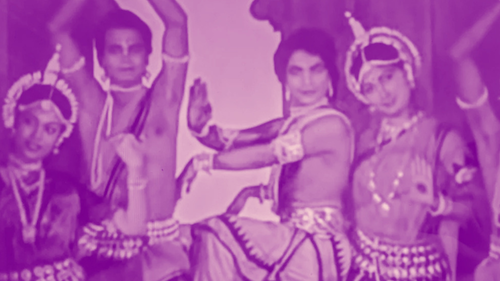
33. Jag Mandir
Jag Mandir is not much more than Herzog documenting Andre Heller's choreographed performance for Maharaj Arvind Singh Mewar, but what a performance this is. The spellbinding display is meant to be for the benefit of someone else, sure, but Herzog and Heller transpose this elaborate dance and display for audiences all around the world to be transfixed by. Even if you aren't learning much academically from Jag Mandir, this is a lesson that feels like a hypnagogic journey that you'll be grateful you experienced, I'm sure.
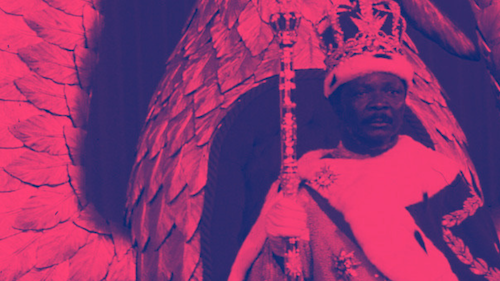
32. Echoes from a Sombre Empire
Herzog may provide his insights to most of his documentary films, but he instead allows journalist Michael Goldsmith to do the talking in Echoes from a Sombre Empire: a study on the heinous and horrendous ways of Jean-Bedel Bokassa (the second president of the Central African Republic who decreed himself an emperor). Goldsmith was nearly killed for his reporting efforts, being deemed a spy and a threat to the Central African Empire by Bokassa and his people; his shocking footage serves as Herzog's unbelievable documentary (although, in hindsight, this film can certainly be viewed differently after Bokassa was overthrown and punished for his crimes).

31. Handicapped Future
Even though The Flying Doctors of East Africa was Herzog's first documentary, the first to feel authentically like one of the German auteur's creations is Handicapped Future. Simply put, Herzog interacts with various people and their accessibility concerns in West Germany. Herzog never ogles or scrutinizes his subjects here; instead, he sees everyone as a fellow human being, rendering Handicapped Future a far-more meaningful effort than many similar attempts back in the seventies were. I will say that Handicapped Future is at least partially eclipsed by a documentary that Herzog made directly afterward (and in response to one of the people Herzog met while making Handicapped Future): if Handicapped Future was what Herzog intended, then its follow-up, Land of Silence and Darkness, is something not even Herzog could have imagined.

30. Cobra Verde
The last time that Herzog worked with actor Klaus Kinski (five times is kind of a miracle when you really consider their relationship — nay, Kinski's relationship with anyone) was on Cobra Verde. This final hurrah (of sorts) feels indicative of the best — and worst — traits of both men collaborating, seeing as Cobra Verde is just as frenzied, mad, and anarchistic as their films ever got (although I would say that this final attempt is the one that is the most noticeably flawed, likely because of the trepidatious production). At least Herzog's side of this coin is a complicated look at the business of slave trading in the Kingdom of Dahomey, and an interesting perspective of history and culture fighting back against malice. Even though it's a bit overly messy, I love the feeling of Cobra Verde almost flying off the rails; you might, as well.
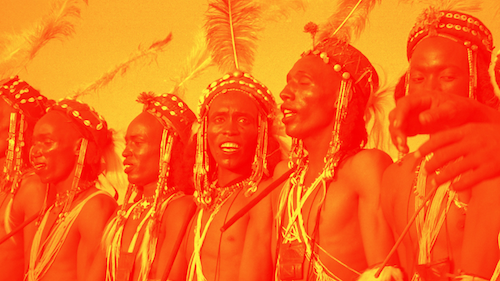
29. Herdsmen of the Sun
Many entertainment platforms try to display a behind-the-scenes look at icons preparing to hit the stage or work on a major project. Herzog gives the Wodaabe people of the Saharas the same treatment in Herdsmen of the Sun. As a group of Wodaabe men decorate themselves in preparation for the Gerewol — as an effort to attract women via their beauty and, ultimately, marry them — Herzog is meticulous with these preliminary sequences. Once Gerewol hits and our subjects begin their mating rituals, Herdsmen of the Sun feels almost psychedelic with what it captures: a tribe that is transcending spirituality with a ritual that you might begin to feel the metaphysical effects of simply by watching.
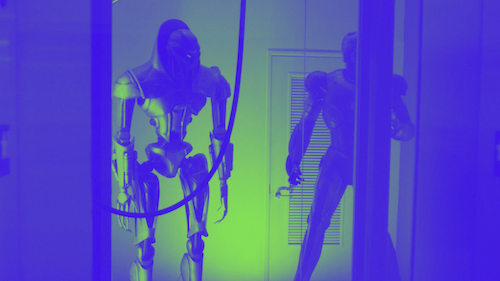
28. Lo and Behold, Reveries of the Connected World
I'm sure that Lo and Behold, Reveries of the Connected World was meant to be an observation of the future in the day and age of the internet and digital inter-connectivity, but Herzog apparently made a cinematic set of crossroads instead. There's life before this film, when the internet was once a seemingly-harmless entity that seemed endless; any dark corridors were few and far between. This film expresses concerns with the internet being used to abuse others and expose graphic and traumatizing footage, as well as the threat of a self-cannibalistic internet and the rise of artificial intelligence (even in this film, AI was able to create an image; that was already a major concern). In hindsight, Herzog's film predicted much, down to the prevalence of the dead internet theory, the curse of having such connectivity, and even Elon Musk's continued pursuit to land and live on Mars (at least he seemed a bit more composed in this documentary years ago).

27. Wheel of Time
Herzog witnessed a pair of Buddhist ceremonies while directing the documentary, Wheel of Time. While most of Herzog's films deal with the pursuit of discovery at the hands of obsessives or the desperate, Wheel of Time is more of a call-to-action to an ideology that is slowly dissipating; and yet, his subjects — the many devoted Tibetan Buddhists — remain level-headed and serene in the face of this potential endangerment of culture and theory. Wheel of Time encourages these monks' quest for enlightenment via their pilgrimages and rituals and he looks on with his own quest for a clear mind. Wheel of Time is a documentative exercise in slowing down to better understand a subject, especially in the hustle and bustle of life.

26. Signs of Life
Herzog's debut narrative film is an anti-war look via three impaired soldiers who are designated the task of protecting a fortress during World War II. They get stir crazy and begin to lose their sense of composure and morality. Perhaps an answer to how war affected Herzog's family life during his childhood — or simply just a message on how war destroys all — Signs of Life is a fairly robust preliminary film made by an artist who clearly had something to say. If he was always fascinated by what drives people mad, Signs of Life is perhaps a simplified — albeit quite great — look at one such reason could be: the promise of a better life and the ruination that it takes to achieve such (if possible). Herzog would get better at his anthropological studies of the human race, but Signs of Life is a really good character study should you be interested in the beginning stages of Herzog's career.
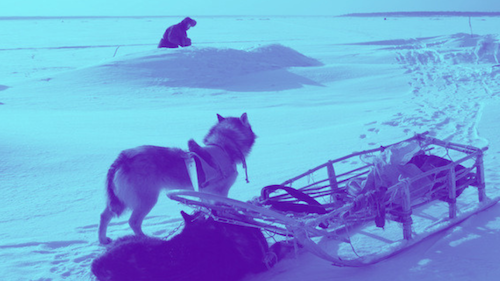
25. Happy People: A Year in the Taiga
Many nations are thrust into the whirlwind of technological and industrial advancement without any say in the matter. Herzog goes to a place that is seemingly frozen in time while filming Happy People: A Year in the Taiga; naturally, that location is the Siberian taiga. As we follow trappers and their daily, weekly, and yearly traditions and methods in order to sustain life and keep their culture as-is, we see a community that is innovated not by evolutionary conquest but, rather, self-fulfillment and a strong connection with the wild. There is also the annual concern of dealing with the harsh winters and weather, and that communal connection between humans and nature is severely tested here. With Happy People: A Year in the Taiga, Herzog seeks to find peace in hardship and does so via a community's yearly quest for survival.
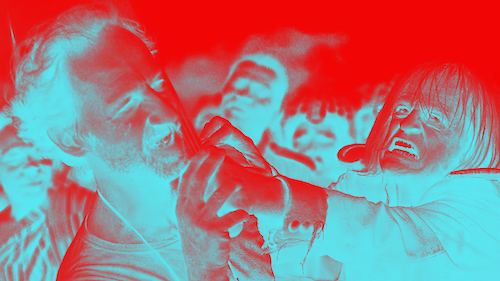
24. My Best Fiend
Herzog's relationship with the great-actor-atrocious-person Klaus Kinski is one that sounds so outrageous that it borders on being mythical. Of course, truth is stranger than fiction, and a film like My Best Fiend not only confirms many swirling rumours (including near-fatal arguments), it adds to the insanity of this partnership. If Herzog was always intrigued by controlling, obsessive people with visions, My Best Fiend was about two such people butting heads to the point of near-implosion. It only works as well as it does because Herzog in hindsight recognizes his own faults while not shying away from just how bad things got on set. In the same way Herzog braved rivers and volcanoes, he braved Kinski: anything to get great end results. A film like My Best Friend can help you understand the magic of cinema more than ever; how did anything get made with environments this volatile?
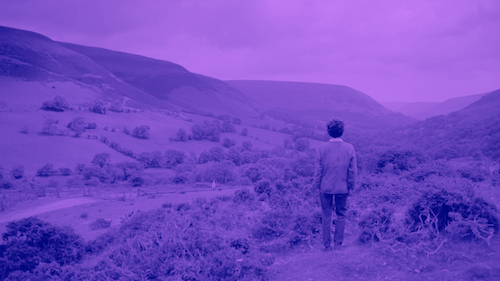
23. Nomad: In the Footsteps of Bruce Chatwin
If there was anyone who traveled more and brought back even larger insights and wisdom than Herzog, it's writer Bruce Chatwin who happened to be a friend of Herzog's. Years after Chatwin's passing, Herzog eulogized him with Nomad: In the Footsteps of Bruce Chatwin. In honour of an iconic traveler, Herzog travels not solely to geographical checkpoints like Hermannsburg, Australia, or Navarino Island, but to the domiciles of those Chatwin knew in order to get to know him better; he is following in Chatwin's footsteps in more than one way. Nomad is a journey of provenance and the world that shows you the magnitudes of a person and the planet they will never stop trying to learn from.
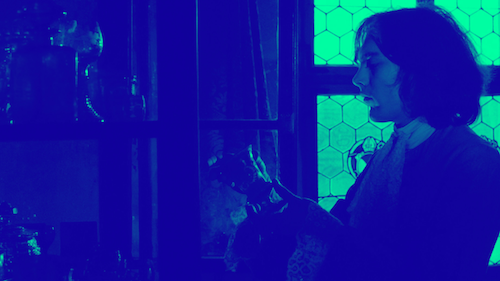
22. Heart of Glass
Since the best-of-the-best is just around the corner, we will stumble upon some of the excellent Herzog films I deem underrated. Such is the case with Heart of Glass: a mesmerizing German New Wave cut about glassblowing. Herzog uses this gorgeous craft as a means of commenting on the misfortune of dying arts and trades: expertise that is lost when masters die and their secrets are not passed on. Heart of Glass was made early enough in Herzog's career that he forgoes grace for grit, and so such a lesson is less one of tragedy and caution than it is a manic realization that drives the film and its protagonist to insanity. If an artist is forever chasing the perfect creation, they may never find satisfaction; I think Herzog was trying to do the same before an experience like Fitzcarraldo saw him going too far, and it is this understanding of the fixation of perfection that makes Herzog's Heart of Glass so raw and honest.
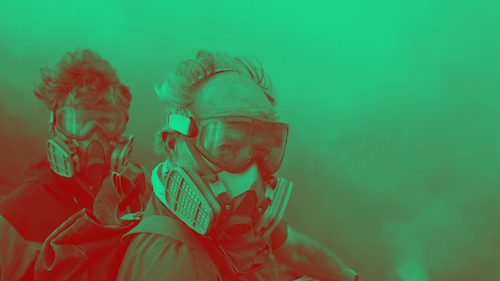
21. Into the Inferno
It can be passion or hubris that drives people to placing themselves in dangerous and unfavourable positions simply to capture a feeling or an event. Herzog's Into the Inferno takes every volcano and renders them monolithic altars of worship that connect us to both the beginning of time and the apocalyptic inevitable. Herzog dives into the science of volcanology to understand what causes volcanoes to erupt and what happens after they do; he also takes a step back to accept that volcanoes — while destructive — exhibit natural beauty unlike anything else. As intelligent as Herzog is, he is sometimes at his best when he is stunned to the point of not knowing how to compartmentalize what he is experiencing (that says more than any justification ever will); Into the Inferno sees Herzog getting nonplussed quite frequently.

20. The White Diamond
Sometimes, the journey of attempting to fulfill an idea is as fascinating as the execution is. In The White Diamond — a rather slept-on documentary in Herzog's canon — Herzog follows inventor and engineer Graham Dorrington who hopes to fly a tear-drop-shaped airship over Guyana (where he will examine and study the vegetation and fauna there). Dorrington is not your average man: there's no way he could be in order to be this creative, driven, and transfixed by the audacity of his desires — he truly is a perfect Herzog subject in this way. The White Diamond is so majestically bonkers that it almost feels fabricated: as if Herzog was trying to pull a fast one on audiences and see what they would believe. Then again, these are the visions of the biggest dreamers who come off as a little kooky; The White Diamond is an effort for us to speak the same language as those with ming-boggling aspirations like Dorrington.
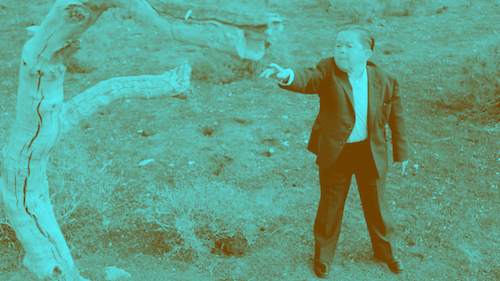
19. Even Dwarfs Started Small
Herzog's second narrative film felt like he hit the ground running regarding his discovery of the style he'd utilize when depicting people driven to hysteria or euphoria. Even Dwarfs Started Small feels exactly as it should: like an early film made by someone with confidence, curiosity, and talent. Following a community of dwarfs who rebel against the institution they are confined within, Herzog creates an absurd allegory of systemic imbalances, anarchistic uprising, and a failing society in need of an upheaval. This is an incredibly difficult film to discuss not just because of the massive amounts of sensitivity surrounding Herzog's vision but also because this is one of the more singular films of the seventies: a festival of kinetic calamity.

18. Land of Silence and Darkness
While working on Handicapped Future, Herzog came across someone named Fini Straubinger: a woman who has lived almost an entire life as deaf-blind. Herzog was pummeled by this possibility: that someone could be completely enveloped by nothingness; and yet they find ways to keep going. His spinoff, Land of Silence and Darkness, is even greater: a shattering realization of how life is for some people well beyond their control. My biggest appreciation — like almost every Herzog film — is that Land of Silence and Darkness never feels exploitational, or as if Herzog feels above his subjects. With this documentary, he is hoping to educate the world on the severity of such a life and the beauty within those who have learned how to live while both blind and deaf. Moving doesn't even begin to describe this film.

17. Wings of Hope
Herzog almost boarded the LANSA Flight 508 trip to Peru while filming Aguirre, the Wrath of God. Juliane Koepcke did take said flight and wound up being the sole survivor after the plane crashed during an immense thunderstorm (nearly one hundred people died; Herzog was almost one of them). Herzog finds Koepcke and the two of them go to where the plane crashed within the jungle in the television documentary Wings of Hope: a dizzying observation of fate, survival, and memory. When Herzog asks questions and Koepcke responds — all while in the midst of the scene of the accident and its surroundings — we are looking at two people who brushed death in different ways: one by narrow avoidance, and another by sheer luck. They both enlighten us with their new leases on life.
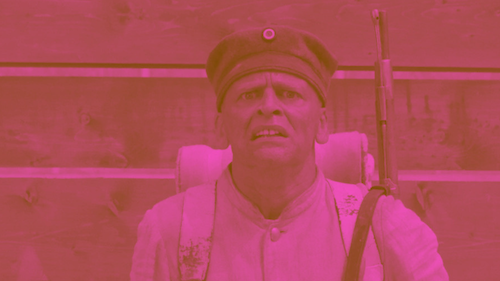
16. Woyzeck
If there was ever a duo who hoped to capture the height of madness on film, it would be Herzog and actor Klaus Kinski, and a strong example of their efforts is 1979's Woyzeck: a psychological hyper drama about a shell shocked soldier beyond his mental limits. As the title character gets put through excruciating tests as a means of menial experiments, we are left wondering "why" this is taking place, if this is worth the soldier partaking in (he wants to support his family), and how could this be considered normal in society? Even though Herzog has had more elaborate looks at insanity, a film like Woyzeck remains a critically upfront observation of the extent we allow ourselves to get to, either as desperate individuals or as a failed civilization.
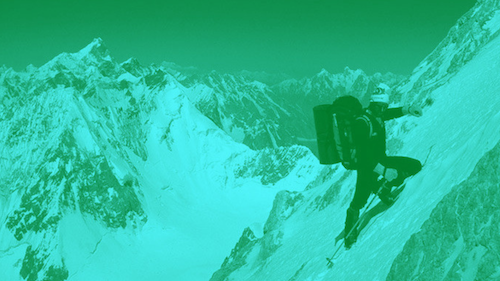
15. The Dark Glow of the Mountains
Partners and mountaineers Reinhold Messner and Hans Kammerlander vowed to climb to the zeniths of both Gasherbrum I and Gasherbrum II in one fell swoop without taking a break of any sort; is this ambition or delusion? Herzog doesn't dare ruin the mystique by answering this with his documentary film The Dark Glow of the Mountains. Invested more in the reasons for climbing as opposed to the expedition itself, The Dark Glow of the Mountains seeks to help us find the passion, drive, and mindset that one would need to possess in order to take on a trek this risky and dangerous, all while placing us on the same page as two of the greatest mountaineers to ever scale peaks. The film and its subjects never quite figure out what compels them to climb, and that could be the entire point: some fascinations defy description or reason.

14. The Great Ecstasy of Woodcarver Steiner
When you watch sporting events like the Olympics, you see titans who are unquestionably superhuman. However, these events never acquaint us with the personal lives of these athletes. One of the better examples of familiarizing audiences with the full scope of such a human being is Herzog's The Great Ecstasy of Woodcarver Steiner: an exposition of iconic ski jumper Walter Steiner. A carpenter by day in order to sustain his athletic endeavours, Steiner is trying to juggle responsibility and dedication leading up to an event where he will try to break a world record in ski jumping. We see Steiner as a fully-fledged human being full of anxiety and reservation: the side of sports that many of us take for granted (the many years spent working towards something that could collapse in the fraction of a second). The Great Ecstasy of Woodcarver Steiner also captures the moment we are all familiar with: the euphoria of accomplishing the impossible (even when the work is laid out in front of us).

13. Into the Abyss
Most of Herzog's films — documentary or narrative — take us to geographical locations most of us will never experience. Into the Abyss does the same thing but with the life-based reality of being on death row. Michael Perry and Jason Burkett are slated to be executed for the murder of a nurse ten years prior. Herzog — who is against capital punishment — places himself within the line of fire: should we execute those who have executed others? Is living with regret and away from society not enough of a punishment? Is it moral to commit the same crime as retaliation or revenge? As the two subjects proclaim their innocence (a whole discussion in and of itself), Into the Abyss is an incredibly neutral look at one of the most challenging discussions ever held — within the greyest of areas. In Into the Abyss, the agony of grief and guilt amalgamate into a compulsively haunting omen with the endless void ahead — be it a life in prison, or death.
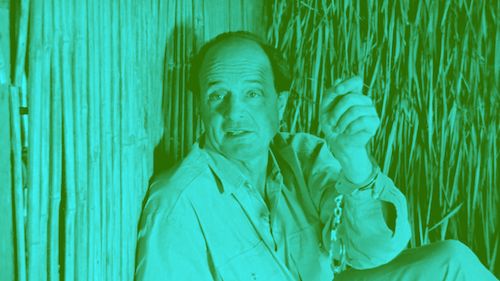
12. Little Dieter Needs to Fly
It is by complete coincidence that sister films have wound up back-to-back on this list, but I do view them as borderline-identically extraordinary. The first is the documentary Little Dieter Needs to Fly: an excruciating yet fulfilling return to the many sites of torment one Navy aviator, Dieter Dengler, experienced while serving in the Vietnam War. Dengler and Herzog revisit the many stops of his tumultuous escape as a POW, recreating this tremendous feat of survival. Many likeminded documentaries fail to capture the reality of such a situation, reducing incredible feats to trivial snapshots and anecdotes. Herzog knows how to allow Dengler's miraculous triumph to radiate off of the screen; location sighting becomes the chasing of ghosts; memories turn into fever dreams; the weight of how traumatizing such an experience can be is never lost on Herzog or on us. We are certain of the impossibility of Dengler's survival, and are shocked about his low odds despite viewing everything in hindsight.
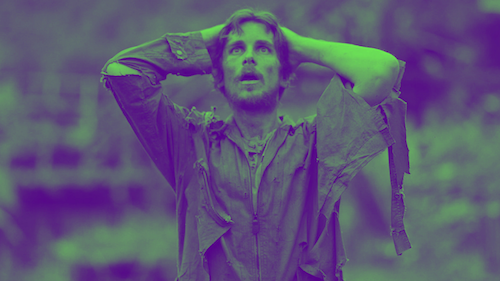
11. Rescue Dawn
Even though reality is almost always stranger than fiction (and, in return, documentaries can be more effective than narrative films when depicting the same events), I narrowly give Rescue Dawn the edge above the documentary it is based on — Herzog's Little Dieter Needs to Fly. Herzog followed Navy aviator Dieter Dengler's torture and escape after months of a POW camp in Vietnam, and he proved that he paid attention with his cinematic recreation. Dengler is played expertly by Christian Bale who is willing to put himself through enough hell — like Herzog — to understand even a molecule of what Dengler experienced, as to best tell his story. Rescue Dawn aims to remove all of the superficiality of Hollywood when adapting real acts of heroism, and Herzog is able to deliver a film that is equal parts organic and thrilling (at least enough so the masses could watch and appreciate Dengler's story). Maybe it takes the immense research and devotion that Herzog undertook with Little Dieter Needs to Fly in order to make a biopic that is as honourable and riveting as Rescue Dawn.
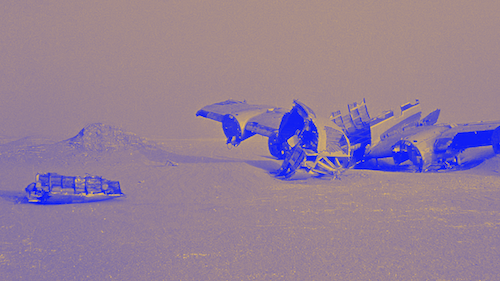
10. Fata Morgana
What constitutes as a documentary? Does a documentary have to be educational in a conventional sense? A film as postmodern as Fata Morgana will leave you challenging the very nature of the medium likely as Herzog intended. In this exploration of the Sahara and Sahel deserts — with images of heat-induced hallucinations, spellbinding mirages, and a frequent state of delirium — Herzog doesn't tell us what the capabilities of dryness and the hottest climates can achieve. He shows us instead, allowing us to feel as though we have lost the plot altogether. With the glittery and psychedelic visuals set to a number of recording artists — Leonard Cohen, Blind Faith, and Third Ear Band — Fata Morgana is an absolute freak out of a film. Herzog's main goal here is to try and understand the frenzy of mythology (using the Popol Vuh as an example), dividing Fata Morgana into a trilogy of analyses. What he accomplishes is a cinematic equivalent to feeling like you are staring at God; you will know both madness and divinity with the barren wastelands of the desert and of your mind.
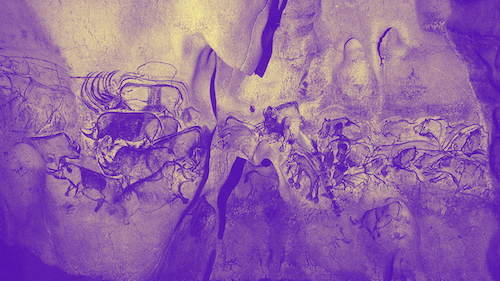
9. Cave of Forgotten Dreams
The root of modernity stems from the innovations of yesteryear, and Herzog blends cinematic technology — the art of 3D on the big screen — with primitive paintings to make Cave of Forgotten Dreams. Easily one of the best uses of 3D I have ever seen in a feature film, Cave of Forgotten Dreams makes you feel like you are Herzog: planted on a small boat, floating underneath these paintings that are tens of thousands of years old on cavern walls that surround you. The film almost feels like a time-traveling vortex while also mimicking an art gallery of artists whose names we will never know; we simply see their stories etched onto the walls of time. Herzog allows his film to marinate with us, as stillness helps us appreciate these images — as well as the soothing ambience of the cave — with complete fixation. While other directors try to innovate in order to captivate, Herzog finds a complete form of the cinematic spectacle in some of the earliest forms of art that are traceable.

8. Stroszek
A Herzog effort that truly embodies the style and scope of the New German Cinema movement is Stroszek: perhaps one of the most unhinged Herzog films imaginable. We follow a self-destructive street performer (the film title's namesake) trying to carve a better life for himself. Sure, much of the film's glory stems from the insanity of it all (including that glorious final sequence of animals acting as entertainers — in a sense), but these moments work because of the little shreds of optimism and hope sprinkled throughout the film: we feel like Stroszek and company can pull through and beat their inner demons. While that isn't really the case, Herzog unleashes the strangest parts of our psyche while focusing on the hints of normalcy and humanity within deranged people in Stroszek; I feel like any one else trying to make this film would focus on the wrong details and gun for exploitation as opposed to something fuller and — as a result — more tragic (even if in a bleakly comedic way).
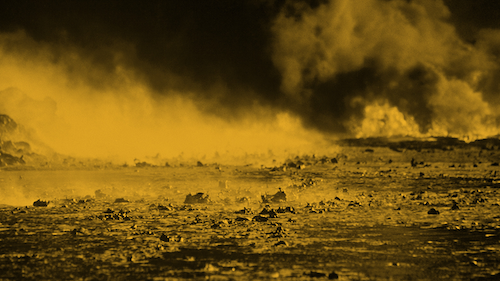
7. Lessons of Darkness
Sometimes, it is better to say very little than to try to describe the extent of something. As much as I love Herzog's soothing voice and words of wisdom, it is best that he lets much of Lessons of Darkness speak for itself. In just under an hour, this documentary about the oil fires of Kuwait takes us to a literal depiction of hell on Earth. Whether you view this as religious allegory or geopolitical commentary on the Gulf War, this is a film that is so harrowing and shocking simply with its mere existence that it almost becomes soporific. It's as if we feel helpless as we watch, and so we resign and admire the artistry within calamity (all while we acknowledge the continuous failures we exhibit as a "developed" species). Herzog's goal with Lessons of Darkness was to strip such footage of its biased news-channel messaging, and he succeeds with this march into the flames of our hubris.

6. The Enigma of Kaspar Hauser
The title says it all: this truly is the puzzling, indescribable tale of one Kasper Hauser — a teenager who lived seventeen years of the formative stages of his life in a small cellar without any real human contact, only to be taken out and left in the middle of Nuremberg with very little assistance. However, despite being a narrative feature, The Enigma of Kaspar Hauser is shockingly — and sadly — based on reality. Herzog used the documents found with Hauser's body to tell the foundling's side of the story (although there remains many forms of doubt on the legitimacy of Hauser's recounts). Herzog turns these testimonies into his own version of Plato's allegory of the cave: a new perspective of civilization, life, and nature through the eyes of someone who was greatly depraved of the same experiences of the majority of humanity. Using the German New Wave lens to exacerbate the rawness and vulnerability of such a predicament, Herzog paints a picture of desperation and unorthodoxy with The Enigma of Kaspar Hauser: an unmatched look at cinematic existentialism.
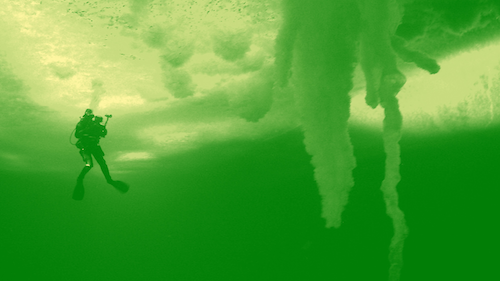
5. Encounters at the End of the World
Antarctica is all but a dream for most people who have ever lived. To trek there seems impossible, and to survive there equally as daunting. Most of us do not possess the means of being fortunate enough to visit the coldest continent in the world. Why do so many depictions of Antarctica glamourize it with cutesy images of wildlife or inviting observations by scientists? We will never be able to go this place that is being portrayed like a tourist hot spot! Herzog strips back the way Antarctica is envisioned on film in Encounters at the End of the World. He views Antarctica as a natural work of beauty and the beings — human and otherwise — who live there as complex souls who have their individualistic connections to this glacial land (nihilistic penguins and all). Herzog does not try to figure out Antarctica: he aims to understand it enough in order to connect with it himself. You may find yourself as embraced by Antarctica as you will ever be with Encounters at the End of the World.

4. Nosferatu the Vampyre
There have been many versions of Bram Stoker's Dracula -- not to mention F. W. Murnau's cinematic answer, Nosferatu. Then, there is Herzog's adaptation, titled Nosferatu the Vampyre (of course). You can chalk up Herzog's film's success due to it having great source materials, but that is only a smidgen of the truth and a gross misrepresentation overall. The reality is Herzog's fascination with peculiar beings turns his vampire tale into a gothic psychological horror — in actuality, this is his study of the vices that render us human. Herzog utilizes the Black Death as a metaphor of the prevailing corruption, evil, and sickness permeating through civilization; this backdrop serves as a larger picture of the hostile, grim, and hopeless world that our lead players exist within, and this makes Herzog's version of Nosferatu -- and Dracula -- the most anxious to me; this is far more than a quest to stop one bloodsucker. I will never forget the ghastly image of Germany's roads being overrun by rabid rats: there aren't many scenes in film history that have made me feel more hopelessness than this.
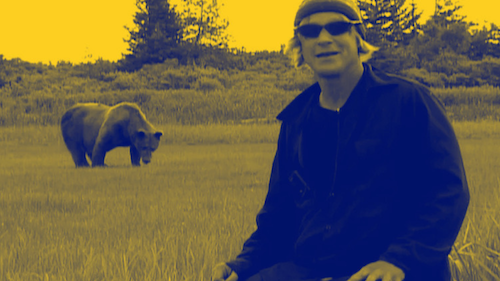
3. Grizzly Man
Herzog may be one of the greatest documentarians of all time, so selecting his greatest film of that medium should feel like a tall order. However, I will always emphatically go with Grizzly Man. It feels like it holds all of the highlights of Herzog's documentary filmography — from the meditative natural observations, to the capturing of large dreamers in pursuit of goals that will deem them either ambitious or insane in the eyes of others. We follow Timothy Treadwell through his countless cassettes from his recorded escapades with wild grizzly bears; this is all in hindsight after Timothy and his girlfriend, Amie, were mauled by the bears. Herzog does not mean to worship or condemn Timothy with this documentary: he hopes to merely understand. Due to Grizzly Man's rather neutral stance on what can be seen as a dangerous and unusual fixation, we become acquainted with a drive that most of us will never be familiar with — in the faces of elation and tragedy.
2. Fitzcarraldo
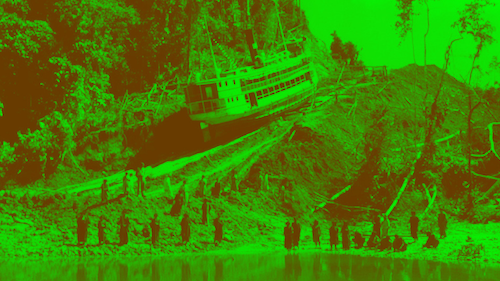
The iconic tale of Brian Fitzgerald and his quest to build an opera house in the Amazon — and, in turn, hoist a giant steamship over the Andes mountains — is one that depicts an ambitious person driven by desire and psychosis. Back in the early eighties, you had a couple of options in order to replicate this journey and challenge. You could utilize the props, sets, and practical effects of the strongest overall generation to implement them. You could test your luck with early CGI animation (we know how poorly this would have aged, mind you). If you're Herzog, you mirror Fitzgerald — or "Fitzcarraldo" — and carry a ship over the bloody mountain. Fitzcarraldo is an exquisite epic on its own, with Herzog at his most delirious state (in an effort to try and match the mental state of his subject). Herzog becomes a version of his protagonist to the point that he — the master documentarian — has been documented in various ways; thankfully, Herzog has since learned where the line between devotion and delusion is (he may flirt with it, but he has since not come close to crossing it). Fitzcarraldo is as close as a film of this stature gets to falling over the edge without actually doing so, and it is remarkable to witness and feel.
1. Aguirre, the Wrath of God
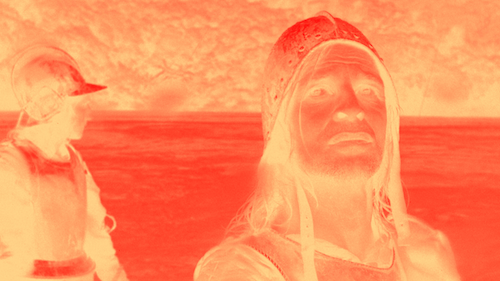
If Fitzcarraldo is the sensation of feeling close to the edge of a cliff without going over, then Aguirre, the Wrath of God is a film that falls off and barely grabs on, dangling over a void of nothingness that feels as though it is swiftly approaching the longer you hang over it. Herzog's third narrative film ever saw the auteur at a place of limitless risk — as if he would one day be too far gone, and he would yearn for that moment behind the camera (or, in the case of Fitzcarraldo and Burden of Dreams, in front of it). His daunting shoot in the Peruvian rainforest, along the Amazon River, and at Machu Picchu is ludicrous even by the standards back then (today, it feels borderline moronic due to its intense levels of danger); there are very few scenes that feel more expertly directed than the 360 degree pan surrounding our characters on a small-enough raft on top of fierce waters (let alone for 1972). Yet, I don't know if the story of the real Spanish crusader, Lope de Aguirre, could have been told by anyone else, especially someone who would refuse to throw themself in the line of harm and possible fatality like Herzog has many times since.
In short, Aguirre, the Wrath of God is Aguirre's intended quest to find El Dorado. On a larger scale, it is a perfect cinematic rendition of a broken mind within the skull of a tyrannical figure with enough power to get what they want without hesitation from the yes-men who surround him (this is clearly an ongoing concern throughout the history of humanity). Aguirre wants to get to this impossible place via impossible means, his troupe will have to abide; this includes Herzog as the observer, too. As the mission gets crazier, Herzog paints a more psychologically obstructed version (down to some comically-absurd visions that simply would not work in any other film; here, they are welcome). With an anachronistic, serenely eerie score by Krautrock masters Popol Vuh, Aguirre, the Wrath of God becomes a spiritual grenade as much as it is the decimation of mental wellness. By the horrifying climactic shifts and that haunting final shot — monkeys and all — you will know what true madness is in the form of a man who both believes he defies God and is God. Werner Herzog has an entire career of capturing the craziest people and minds all over the world and throughout history, and Aguirre, the Wrath of God — his magnum opus — is his strongest hypothesis on what drives people to such a state. The answer? It's all in the head of the mad one. Aguirre, the Wrath of God takes us there and wards us from ever wanting to return. This film, however, is one I can never forget and will revisit throughout my entire life.


Andreas Babiolakis has a Masters degree in Film and Photography Preservation and Collections Management from Toronto Metropolitan University, as well as a Bachelors degree in Cinema Studies from York University. His favourite times of year are the Criterion Collection flash sales and the annual Toronto International Film Festival.