
Filmography Worship: Ranking Every Zhang Yimou Film
Written by Andreas Babiolakis
Filmography Worship is a series where we review every single feature of filmmakers that have made our Wall of Directors

When you think of filmmakers who have bridged the entertainment of mainstream cinema and the aesthetics and prose of arthouse cinema, you may picture the likes of Christopher Nolan, Martin Scorsese, or Denis Villeneuve. When you look at this merge on an international level, a name like Zhang Yimou might pop up. One of the most unique careers in Chinese cinema, Zhang has become the go-to name in visceral, thrilling, engrossing, and vibrant (my God, those colours) filmmaking. From melodramas to wuxia classics, Zhang has made a name for himself with films drenched in strong hues and dynamic filmmaking techniques all across the board. He is also highly prolific, having released a film on a consistent basis for over forty years without any signs of slowing down (at the time of this article, he is seventy-six years old and just released Scare Out this year — which happens to be his sixth film of the twenty-twenties alone). Needless to say, not only has Zhang made films for all walks of life, but he's also pushed what films can be through hard work and countless attempts to rewrite the blockbuster rule book (without veering too far away from what can constitute as a cinematic spectacle, mind you).
Seeing as Zhang has such frequent output and tries to tackle a variety of genres (while mainly focusing on action cinema, mind you), it goes without saying that not every film of his is a hit. This is one of those careers with blistering highs and some not-so-hot lows. While I would argue that even his worst films try new things, there are still a handful of duds to get through before we reach the dozen-or-so worthwhile works. You may not find too much middle ground here, but at least it feels like Zhang succeeds more than he misses. I'm glad either way because we likely wouldn't have gotten his greatest works if he was less willing to make big risks. I will also continue to watch any new film of his no matter the calibre; to see a great mind with a powerful eye churn out so many films even into his golden years like this nowadays is becoming more of a rare treat. Here are the films of Zhang Yimou ranked from worst to best.
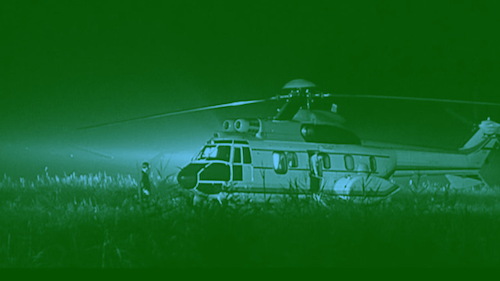
27. Codename Cougar
Zhang's second film — co directed by Yang Fengliang — was for sure his hardest work to find for this article, and it felt barely rewarding. Codename Cougar is an action film about a plane being hijacked by terrorists, which sounds intriguing but I assure you that the end result is quite lacklustre. This is the only time where the action in a Zhang film feels completely unearned, frivolous, and vapid. I'd only seek this one out if you are a completionist like me, but otherwise Codename Cougar is barely worth your time.
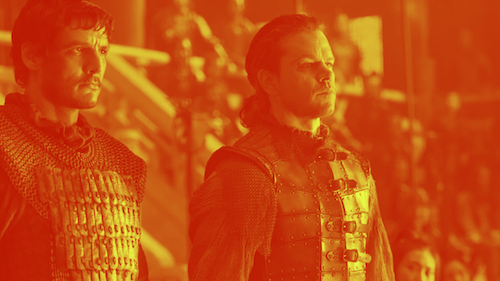
26. The Great Wall
While not the complete catastrophe some may lead you to believe, The Great Wall is still quite awful. Maybe Zhang's attempt to leap into the Hollywood blockbuster once and for all, this disaster epic is almost epically disastrous. From a prolonged and dull story, to thin characters who do not interest me nearly as much as Zhang's characters typically do, The Great Wall just feels like a slog to get through; so much so that any action-based payoffs do not excite me in the slightest. There's a hint more integrity than the reputation this film has would lead you to believe, but The Great Wall is not great. It can’t even be called The Good Wall.
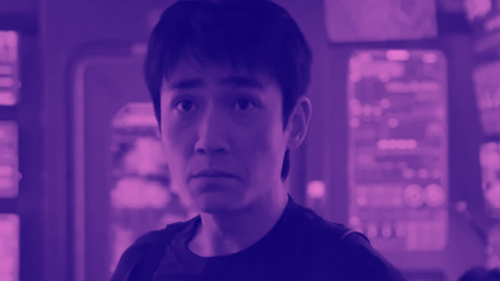
25. Scare Out
A major point of espionage thrillers is to be caught up in the complexities of the mind games and strategic moves of clever thinkers and cold-hearted killers. Then, there is Scare Out: Zhang's late-career flick that simply feels wonky and half-baked. This take on an information breach within the national security team is meant to feel like a rush, but it instead comes off as a headache; with shoddy editing and writing that is thinner than the hair on my balding head. Nothing about this film invites you in to care about who is at fault, should our protagonists persevere, or what other events will transpire. If anything, this feels like a rocky attempt by Zhang to connect with the teen cinephiles of today: something he has had no problem doing many times in the past. However, an ADHD-riddled affair is not the answer, considering how disengaged you will likely be with Scare Out.
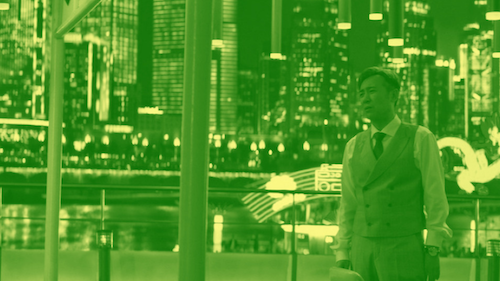
24. Under the Light
One of two Zhang efforts of 2023 (the other being Full River Red), Under the Light is an action film (what a shock) that feels obsessively worked on to the point of feeling rather cold and dead. A cop drama that is meant to feel like a cat-and-mouse chase (or like various strategic moves placed on top of each other), Under the Light instead feels like the idea of a compelling thriller more than an actual one. Sure, it looks nice, but what Zhang film doesn't? A film by someone as imaginative and different as Zhang should not feel cliched, uninspired, or typical; least of all this laboured. Unfortunately, such is the case with Under the Light.
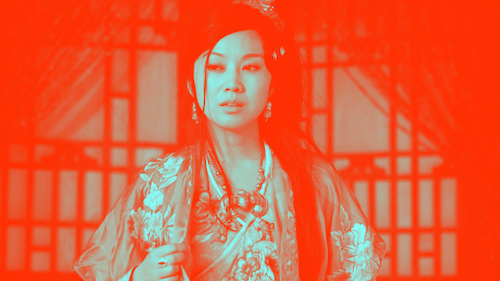
23. A Woman, a Gun and a Noodle Shop
Oh, there aren't many things more frustrating than a neat idea on paper that just flounders in its execution. A Woman, a Gun, and a Noodle Shop sounds interesting as a spaghetti-western-esque screwball flick about a disgruntled husband taking matters into his own hands. However, the film comes off as convoluted as its title is. What could have been entertaining, electrifying, and engaging comes off as sloppy and unfocused instead; so much so that this film's central quest and what transpires don't matter nearly as much as they should. At least this one is pure eye candy, I suppose, but that does not make for a good film by itself. If anything, a film that looks great and doesn’t feel nearly as well-oiled is a damn shame.

22. Article 20
While Zhang is excellent when he takes on any genre (or, at least he has proof as such in individual cases), Article 20 is a sign that there can be too many cooks in the kitchen (or, in this case, too many ideas and tones to feel cohesive). Part dramedy and part political thriller, Article 20 is meant to be a compelling story about a mysterious case that spirals out of control (and the larger repercussions that ensue). Instead, this is far too silly to be taken seriously at times; either that, or Article 20 insists upon itself that it is, in fact, important enough to focus on. It just doesn't work as a result; it is neither fun or enthralling. This feels more like the kind of film a director starts their career with, not one they make nearly thirty films in.
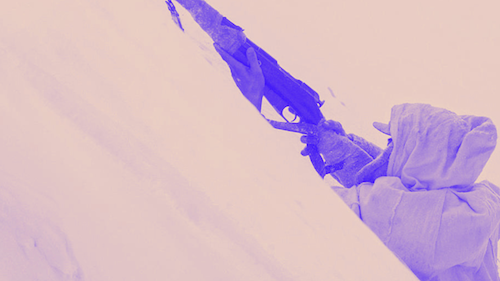
21. Sniper
I'd like to appreciate Sniper — or Snipers — more than I do. On one hand, this is a co-directed effort by Zhang and his daughter, filmmaker Zhang Mo (whose style is drastically different than her father's, which is present in her brief filmography thus far); it would be nice to see family making something substantial together, as if the baton were being passed. On the other, Sniper is just so-so: this revisionist take on the efforts of Zhang Taofang during the Korean War (and his "success rate", so to speak, over the course of a month) is not quite as infuriating as similar works like Clint Eastwood's American Sniper, but it still juvenile and sophomoric enough that what is meant to be an impactful watch never comes off as such.
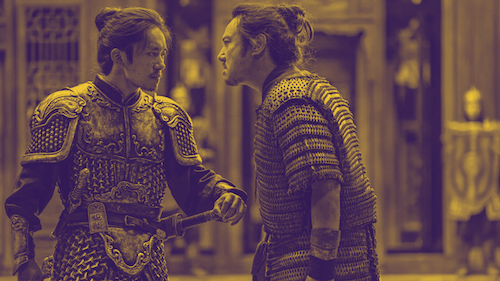
20. Full River Red
A stronger film than Under the Light (which came out the same year in 2023), at least Full River Red feels like a complete and fleshed out film. However, it still comes off as a little wobbly in its build: as if its visuals, music, and story come from three different mindsets (as opposed to something cohesive). The plot is fairly captivating compared to the final product, with a murder mystery during the Song Dynasty that gets more and more complicated the further you get. I wish that this film dialed some things back to let its many narrative layers do their thing, because Full River Red's multiple attempts to grab your attention may have the opposite effect.
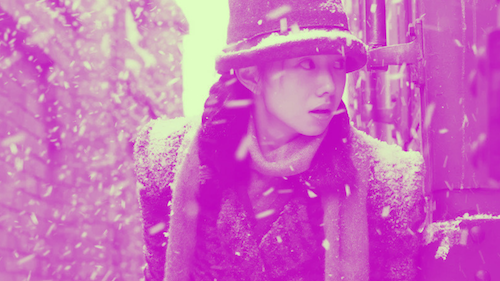
19. Cliff Walkers
While Zhang usually succeeds or misfires, he rarely has a film that rests in the middle of the road of quality. A rare exception is Cliff Walkers: a historical espionage thriller that just remains decent. Taking us back to the dummy government of Manchukuo in thirties Japan, this quest to seek out betrayers and informants vows to make you feel ganged up on from all sides; as our squad of agents are tested, thwarted, and even divided, you are meant to feel their helplessness. Due to Zhang's affinity for dynamic filmmaking, I don't feel as much dread during Cliff Walkers as I suspect I am meant to (since this feels more like a spectacle than a hard-driven narrative, essentially). Instead, I allow the film to whisk me away and take me wherever it needs to go. That's to say that Cliff Walkers is entertaining enough, but I also don't feel like I have much to take away from my experience outside of it being a little "fun."
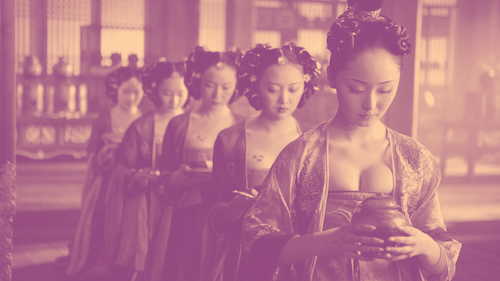
18. Curse of the Golden Flower
After the success of films like Hero and House of Flying Daggers, Zhang was fully on the wuxia train. While not quite as strong as the aforementioned titles, Curse of the Golden Flower is a highly welcome entry in Zhang's action epic canon, should you be interested in what he has to offer there. This complicated look at family dynamics via the Tang dynasty instills a nearly mythological presence in the form of shiny, golden visuals, a massively scaled set of sets, and the godly auras of the film's players (including Gong Li, who had not worked with Zhang for quite a few years before this film; meanwhile, the two collaborate frequently before this hiatus in their professional and romantic relationship). Sadly, the writing in Curse of the Golden Flower is a bit of a letdown if you dig deep enough.

17. Coming Home
Zhang has always been interested in visceral cinema (look at the bulk of his films), and Coming Home is no different with its tragic romance during the Cultural Revolution. As partners are separated by the sociopolitical fragmentation of a nation that is at odds with itself, Zhang hopes to depict the harm of such history on a country's citizens by analyzing the trauma that ensues. While he can get a little carried away with selling you on the emotional ideas at hand (like dramatic zooms to encourage you to notice the responses of a character), Zhang's intentions with Coming Home are quite noble. What would you do to maintain and nurture the love between you and your favourite person after many hardships? Coming Home is an attempt to find hope within one of the worst scenarios: a loved one forgetting that you even exist.
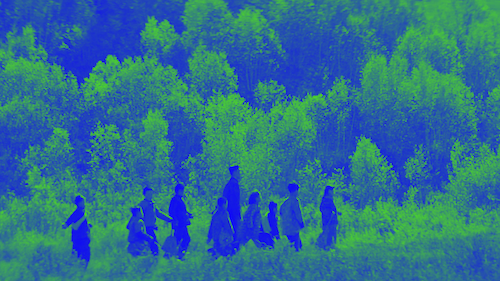
16. The Road Home
It's not uncommon for filmmakers to look back on their lives (or the pasts of their characters, at least) with the hindsight that we only possess when we are old and mature enough. However, if there is a filmmaker who I entrust with the fragility of nostalgia to handle such sentimentality, it's Zhang and his obsession with colourful images and vibrant characters. Zhang's vision works well in The Road Home: a melodramatic romance told via a grieving son who wishes to repair his broken mother after the death of his father (and her husband). Unlike so many other Zhang films that feel flashy or fueled by adrenaline, The Road Home is maybe one of his more patient and poetic works: one that allows you to wander around in its zen and emotional images (as opposed to taking you on a ride). It's nice to see a director as bombastic as Zhang take things slow just to reflect, especially when it's as good as The Road Home.
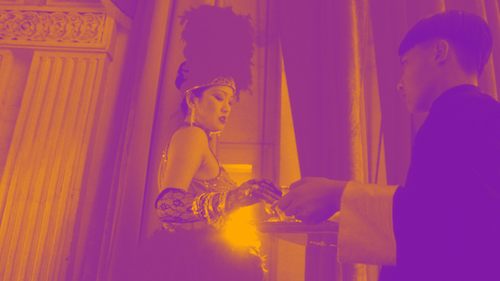
15. Shanghai Triad
The last collaboration between Zhang and star Gong Li (until Curse of the Golden Flower), Shanghai Triad is still not quite one of their strongest efforts (given how phenomenal the bulk of their work together is; more on those shortly). Zhang's answer to the gangster drama, Shanghai Triad is slightly a coming-of-age tale with a young boy who finds himself caught in the web of a criminal family and organization. While a highly entertaining film, Shanghai Triad does give way to Zhang's style enough that its messaging on bad choices and redemption may not resonate as greatly as they should. Having said that, Shanghai Triad is still a solid Zhang effort from the nineties.

14. Happy Times
Has Zhang gotten carried away with how fun his films can be, to the point that they can lose sight on their potential impact? Sure. However, one time where I am happy that he pulled his punches a bit in favour of optimism and joy is with the drama ironically titled Happy Times: what is, instead, a study of how people going through hardship can soften the blows of life. A loveless, childless, geriatric man and a blind woman find each other after they have been dealt too many bad cards; while Happy Times can feel a little corny (even by Zhang's theatrical standards), you care enough about its leads to want to see them happy. The film isn't strictly wholesome and it does have a bit of a cynical edge to it, but Happy Times is a pick-me-up made by someone who understands that life isn't all bells and whistles (and doesn't expect you to believe that it is, either).

13. One Second
Sure, I am a sucker for films about films, and One Second is not quite that kind of a project; it may be as close as we get in Zhang's filmography, though. Following a cinephile's escape from a labour camp and his connection with another lost soul (a homeless woman), One Second is a testament to the power of motion pictures, especially during times of hardship. As if the magic of the movies is pouring into the lives of the unfortunate here, One Second finds perseverance in the chemistry that spills off of the big screen; Zhang channels how cinema feels to him in an effort to do the same with this historical drama about the importance of connectivity (through empathy or the arts) during difficult times.
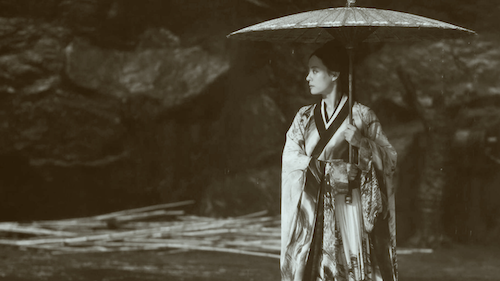
12. Shadow
I know the twenties have been a little rough when it comes to the quality of Zhang's output, but at least we had a film that's fairly great come out before this unrefined period. 2018's Shadow might be one of Zhang's most aesthetically brilliant works, which is a tall order when you're talking about one of the most visual auteurs of all time. Taking the black-and-white concept of the yin-and-yang, while adding fluidity like ink to paper via brushstrokes, Shadow tells a cyclical story of a seized city and the people who wish to claim it back (including a shadow who works as a mimic meant to overthrow a tyrannical king). With inventive weapons (those umbrellas!), spellbinding visuals, and a ouroboros plot that may leave you not fully satisfied (yet completely gobsmacked), Shadow is one of the better late-stage Zhang efforts that feels like he has gone back to the years of his prime.
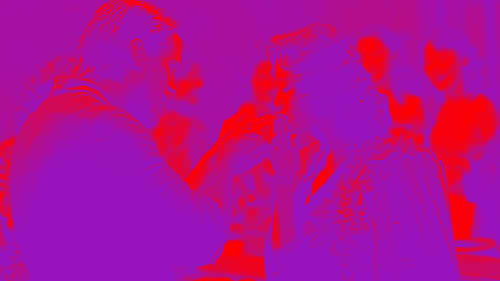
11. The Flowers of War
A far stronger attempt to make English-language cinema than The Great Wall, The Flowers of War is more textured, intricate, and layered than the action film that would come out just a year later. I believe this is because The Flowers of War doesn't go nearly as deep into the ways of Hollywood (or, at least what Zhang expects fans of Hollywood to crave). Instead, he brings that audience to Nanking in 1937 through the fish-out-of-water American who winds up in a female-run church; he returns the favour by trying to lead this group out of harm's way. With a phenomenal performance by Christian Bale and the emotional weight of a shower of anvils at every turn, The Flowers of War is shockingly great. To that, I ask this: we know that The Great Wall is awful because of its notoriety. Why does The Flowers of War not get celebrated nearly as much?
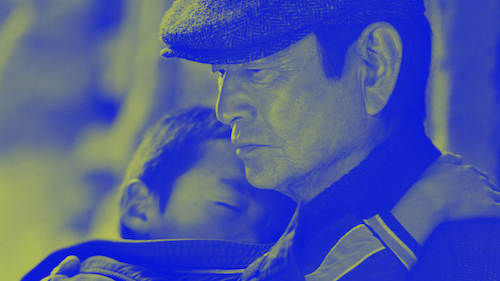
10. Riding Alone for Thousands of Miles
Zhang occasionally forwent his massively-scoped visions and enthralling action for introspective endeavours. One such example is the straightforward drama Riding Alone for Thousands of Miles, featuring a lonely fisherman and his estranged, ailing son who he wishes to reunite with before he dies. An essential message about ensuring that no one dies with regrets (as well as the navigation of unfamiliar and tricky territory with a loved one who you have lost all connection with), Riding Alone for Thousands of Miles is an uncharacteristically somber and spiritual film by Zhang that understands the need for one's spark in life in order to keep going (or, as is unfortunately the case for all of us, to pass as comfortably as we can). This is a film for your soul, and I wish Zhang made more like it.
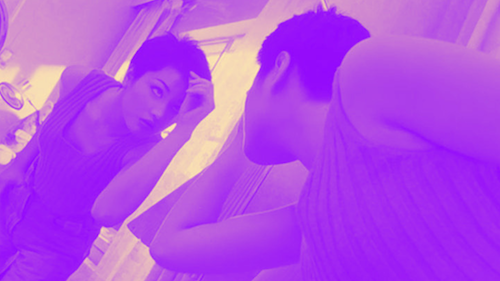
9. Keep Cool
Just around the time of Wong Kar-wai's rise in popularity, Zhang released his most stylish, fashionable affair: one that is appropriately named Keep Cool. What feels partly inspired by the French New Wave, the screwball comedies of the thirties, and even Quentin Tarantino's Pulp Fiction, Keep Cool is a frenzied, genre-busting dark comedy that does far more than tickle your funny bone. Following a cat's breakfast of plot threads in a purposefully-hectic state of affairs, Keep Cool successfully pulls you by the leash and doesn't slow down; all while being highly amusing and looking so damn sharp. Despite being shot in the then-present, Zhang's atypical modern-day film almost feels like a vision of what he saw was the near future: this staunchly nineties picture is back when filmmakers were still excited to see what the new millennium would bring to our already-hyper style. All in all, Keep Cool is a criminally underrated film in Zhang's career that may stand out because it's unlike anything else he ever made; it's also the very definition of “cool”.
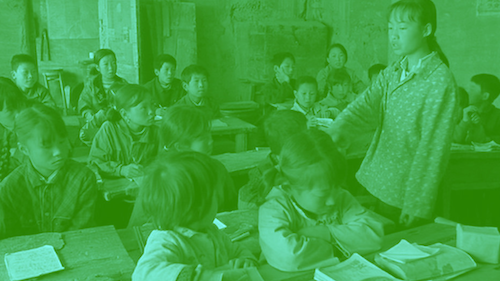
8. Not One Less
How do we educate the youth of today when we know the rough road that awaits them ahead? How do we do so when we, ourselves, are young? Not One Less presents us with a thirteen-year-old who is tasked with being the substitute teacher of a small school in the mountains for an entire month. She is given the specific instruction not to lose any of the students while she is educating them. The short of it is that we can take this warning very seriously, like when one of the children goes missing. However, Zhang invites us to view the bigger picture: these are kids that need to be set on the right track proverbially as well. How should a teenager enlighten kids and help them feel like there is much to life to look forward to, when society is forever struggling and being failed by their government? Zhang looks to the ways of neorealism with Not One Less: an exquisite study of the highs and lows of what human beings are capable of.
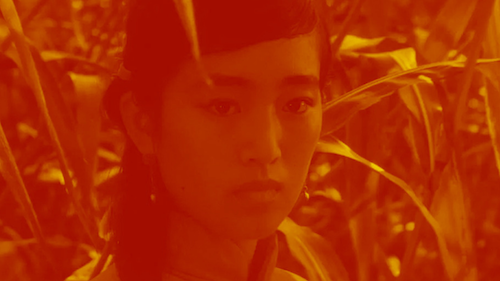
7. Red Sorghum
The first two years of Zhang's career are indicative of his entire filmography. His second film, Codename Cougar, is a complete mess. His debut film, Red Sorghum, is excellent. How could a filmmaker be on such ends of the spectrum of quality and from so early on? Nonetheless, Red Sorghum doesn't even feel like it is made by a director who is trying to test his equipment out and see what he can accomplish. Instead, this is a release by an artist who is already exactly where he needs to be. A fable centred around a widow who has to run her late husband's winery while having to answer for his complicated past (and the state of a hyper-political China in the thirties), Red Sorghum is an impossibly forward-thinking take on one's need to handle what life throws at you (as well as acknowledging how your actions have consequences for those around you as well). What an extraordinary feat: to release a film this confident, magnificent, and powerful on your first try.
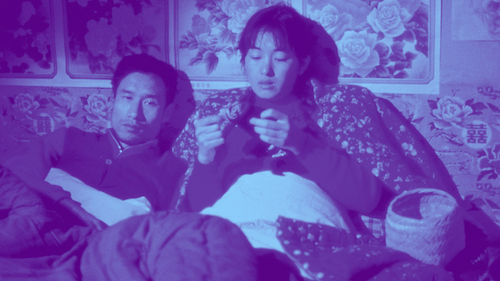
6. The Story of Qiu Ju
On the never-ending list of films that feel like they are inspired or based on a true story but are not, we have Zhang's The Story of Qiu Ju (hey, life is stranger than fiction sometimes, even with this film’s unusual nature). Simply put, a pregnant wife seeks justice for her husband who has been assaulted by the head of her village in China. She gives up everything to try and settle these matters at any cost; while this sounds like an intense story, Zhang adds some slight comedic value to this endless quest for redemption. You may feel like the film is hyperbolic with our protagonist's quest and how far she is willing to go. Then, you see the realness in her stubbornness and, as a result, see a bit of the infrastructure of bureaucracy through her journey. Is it worth watching a scorned woman fight on behalf of her testicle-kicked husband? Somehow, Zhang makes such a strange tale riveting and emotional; how is it that he can have ridiculous results with such serious subject matters, and yet The Story of Qiu Ju is amazing enough to win the Golden Lion at Venice?
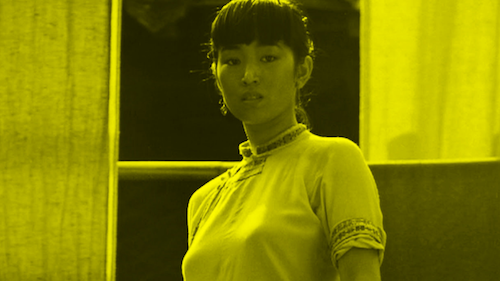
5. Ju Dou
Zhang channels the inner secrets of an unassuming silk-dyeing business in twentieth-century China in Ju Dou. This passionate, harrowing drama invites us into quiet quarters, only to hear the deepest confessions of forbidden lovers, an abusive fabric dyer's tirades, and other familial crises. While so many other Zhang films zip by, Ju Dou is intentionally slow, allowing you to feel the pressures of deception with every intended ounce. By being so upfront with its story and characters, Ju Dou doesn't allow you to hide behind jump cuts or special effects when the chips are down. Instead, Zhang and you will have to face these demons of Ju Dou's characters headfirst. This is what it feels like to go through cinematic confrontation with aesthetic grace, narrative poise, and the skillful hand of a terrific director who can make more mature films when he desires.
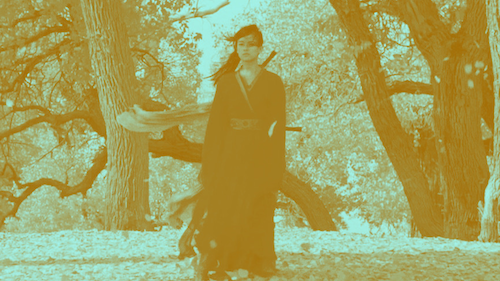
4. Hero
Easily Zhang's most popular film, Hero is part wuxia daydream and part homage to Akira Kurosawa's Rashomon (and the curse of having multiple narrators try to depict the same event with different results). With a film like Hero, you get the sense of how mythologies commence once an assassin proclaims to have conquered a trio of killers. It is the different perspectives that create the possibility for us to fill in some of the extra gaps that connect each version with each other; thus, we buy into the tall tales ourselves. Then, there are the jaw-dropping action sequences that make us want to believe their legitimacy (even if they nullify one another). Not many films of this nature deconstruct what it means to be an urban legend, but Zhang's Hero understands why some stories wind up feeling too good to be true (does that render them any less fascinating?).
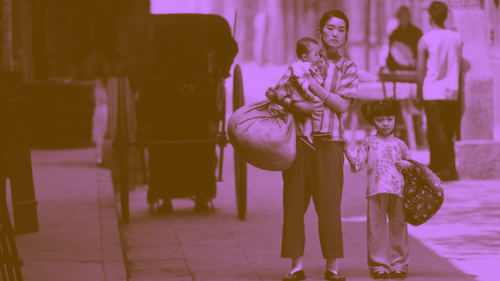
3. To Live
What does it mean to live? Zhang provides us with a family in hopes of answering that very question in a film that could only be called To Live. While many other stories document the rising successes of underdogs, Zhang instead shows us the decline of a family's wealth and stature under the weight of the many shifts of China during its Civil War, Cultural Revolution, and other powerful shifts. To watch these people go through the thick of it under a brutal regime is difficult, but Zhang wants us to also take note of the light that fuels people in distress past their tribulations. Yes, to live is to experience life, to enjoy riches, and to see what you are capable of. However, it's also to push through in order to keep on going — hopefully past the turmoil. Zhang's To Live is more than exquisite and pummeling cinema: it is essential for those who are wondering what it is all for.
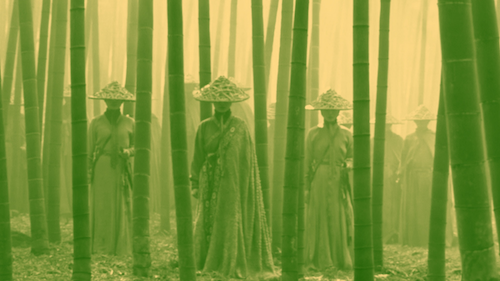
2. House of Flying Daggers
I find that action filmmakers will yield niche results; everyone will have their personal picks as to what scratches their itches for action the best. While many might say Hero, for me, Zhang's wuxia masterpiece is House of Flying Daggers (sorry). To me, House of Flying Daggers is Zhang's mystical answer to what toeing the line of a dangerous lifestyle will incur. Taking us back to the final days of the Tang dynasty, House of Flying Daggers grants us a romance between a problematic police officer and an allegedly blind dancer and rebel (she is a part of the Flying Daggers). The mission? To take down the government once and for all. As House of Flying Daggers ventures deeper and deeper into the heart of China (especially with its iconic bamboo sequence: one that feels like it came from a dream), the dark pasts of our characters — protagonist and antagonists — come in at a blazing pace; you can never truly outrun your demons. To me, this is what wuxia is all about: the fleeting highs of acrobatic action, the devastating lows of major loss and tragedy, and the wind in between it all that sweeps you into a new echelon of awe.
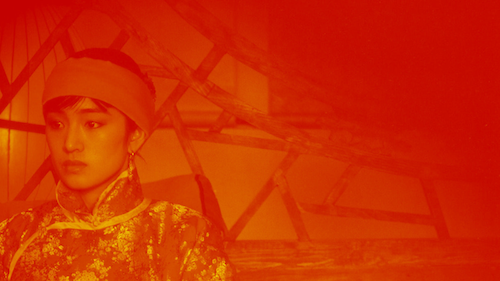
1. Raise the Red Lantern
Even though Zhang has made quite a few great films, this was not even a contest for me. His magnum opus is easily Raise the Red Lantern: one of the great films of Chinese cinema. What a haunting, agonizing look at systemic misogyny throughout the course of history; in this moving, crimson tribute to the women of yesteryear. The film follows Songlian (played by Gong Li in a career-best performance): an academic in twenties Republican China who is now in extreme debt once her father passes away. She is forced into marriage and becomes the fourth concubine of the master of the Chen household. Each day, Master Chen decides which mistress he will worship, and which he will reject as if their lives are meaningless. You can see the trauma and damage caused to each of the wives and their different defense methods in response to their unfortunate lives. What starts as the vying for affection and attention turns into the loss of one's sense of self and the need to feel like a human being again.
Raise the Red Lantern almost feels like a ghost story: the origins of a lost soul in a forgotten time and within an abandoned place. What Zhang unearths here is his most thorough, subtextual, metaphysical, and otherworldly storytelling to date: a film that is so large both in its makeup and its end result that it feels impossible to contain (and, yet, here it is in a lean-enough, two-hour runtime). An allegory of the hypocrisies and lies that have been prevalent throughout all of history via the mouths of powerful, tyrannical figures, Raise the Red Lantern feels like the contained shouts of an era of anguish that Zhang lets free for us to hear; these cries for help are relevant all over the world and throughout the entirety of civilization (or, in cases like these, the lack thereof). Zhang has made an entire career of scavenging for deeply-rooted confessions throughout the history of China, but there's nothing nearly as effective, memorable, life-altering, or nonplussing as Raise the Red Lantern: a film that would be the peak of almost any filmography (yes, even that of an artist who has made quite a few noteworthy works).
Raise the Red Lantern is a wraith-like film drenched in red: like an illuminated spirit, or a cloth stained with blood. Either side of this same coin of beauty and tragedy show the endlessness of pain and abuse, from generation to generation. This film is important not just as a perfect story or artistic achievement, but as a message of how much our actions affect others and society as a whole. Someone like the antagonist, Master Chen, choose to ruin everything around them to serve themselves. Zhang Yimou chose to try to heal us through entertainment or catharsis through film; Raise the Red Lantern is his best and purest attempt yet.


Andreas Babiolakis has a Masters degree in Film and Photography Preservation and Collections Management from Toronto Metropolitan University, as well as a Bachelors degree in Cinema Studies from York University. His favourite times of year are the Criterion Collection flash sales and the annual Toronto International Film Festival.