
Filmography Worship: Ranking Every Yasujirō Ozu Film
Written by Andreas Babiolakis
Filmography Worship is a series where we review every single feature of filmmakers that have made our Wall of Directors

There aren't many things that warm me as a cinephile like a master of filmmaking who gets their dues while remaining humble, true to themself, and dedicated to every project. This description doesn't fit many directors, but it certainly applies to Japanese auteur Yasujirō Ozu. Not too much is known about his personal life outside of his upbringing. Born in 1903, he was one of six children and was brought up in a boarding school, of which he would ditch in order to watch motion pictures (being particularly moved by the film Civilization in 1916; enough to want to become a filmmaker himself). He struggled in school (a theme that would persist through a few of his early works) — he didn't do well with tests, and was even thrown out of the boarding school's dormitory for allegedly being in love with a fellow male student (Ozu's sexuality has been a frequent topic of debate in recent years; while it is believed and implied that he was a queer filmmaker, not enough evidence can prove this with certianty). After working as a substitute teacher for a few years, Ozu as a young adult began working as a filmmaking assistant for the Shochiku Film Company in 1923; he would leave for a year to serve a term of military service before returning to Shochiku. Ozu would eventually be hired as a director in 1927.
Ozu's first duties were to make silent comedic shorts; many of Ozu's early works are considered lost (and, thus, won't be detailed below; I will be ranking everything I was able to gain access to). Working predominantly with non-professional actors, Ozu made the shift from humourous capers to slices of social realism when he directed I Was Born, But...: a film that seemed to evoke some of his experiences from childhood. He would reflect on the innocence of youth (and the difficulties that would ensue, including schoolwork and friendships) for a majority of his silent era. Japan's silent era — like much of Asia — was longer than North America and Europe's, extending well into the early thirties; even so, Ozu only made his first talkie -- The Only Son -- in 1936. During the Second World War, Ozu was drafted. While serving, he would write new screenplays and was even asked to direct a documentary and various propaganda films; while serving in Singapore, Ozu was introduced to a little film known as Citizen Kane by Orson Welles. Ozu would scrap all of the films he was working on, being detained as a result.
After the war, Ozu — now forty-three — moved back in with his mother (he would live at home for the rest of his life). Ozu's stories became drastically different. He focused a lot more on making Japanese neorealist dramas. His visual eye was unseen before: with the heavy use of static cameras (perhaps still clinging on to the ways of traditional filmmaking during the silent era); the camera would often rest on the ground to mimic the sensation of sitting in the company of the other characters; Ozu would forgo the 180 rule, instead opting for characters to look directly into the camera and cutting to the same shot set up from the other character's perspective (so we would feel like both people talking to one another). Camera pans were minimally used. The interiors of houses and establishments would act as framing devices within shots. Performances would be reduced to naturalistic conversations and responses; Ozu never bought into the need for exertion that other filmmakers were exploring.
Ozu made films for as long as he could. His final film in 1962 was An Autumn Afternoon: one of the very few films in colour that he would direct (he hung on to greyscale filmmaking for most of his career). His mother — whom he still lived with — passed away in 1961. Ozu was both a heavy drinker and smoker, and he would die in 1963 of throat cancer. Towards the end of his life, he was the president of the Directors Guild of Japan. That wasn't the only major honour he had. He would slowly start to see the impact of his films worldwide in the final years of his life, including Tokyo Story (from 1953) eventually making splashes in Europe and North America. I'd like to think that he recognized what his films would mean to the world. One of the greatest visionaries in filmmaking, Ozu — as he did in life — always honoured tradition; without stunting himself, he found ways to reinvigorate his films within the methods he always practiced. Welles may have broken the formula by not realizing that his aspirations were previously deemed impossible, but Ozu knew how to find new life in the ways of old; both were crucial to the art of filmmaking.
Today, Ozu's films are beyond influential: they are biblical in the lore of cinema. Around twenty of Ozu's films are lost or only survive in parts; I hope that these are somehow miraculously rescued one day, but one can dream. For now, I will work with what I have: an astounding filmography where the worst films are decent and there are enough masterworks to feel blessed by Ozu's artistry for every stage of my life (including those that have passed, and the [hopefully] many to come). This is a director who is able to take the magnitude of the experience of life and shrink it down to many instances of domestic folklore. His vision can be felt in many directors' works — from Wes Anderson, Paul Schrader, and Wim Wenders, to Pixar Studios. Let me tell you this: given the universal and everlasting appeal of his films — and how differently they feel at any point in your life — it is never too late to get into Ozu. Here are the works of Yasujirō Ozu ranked from worst to best.

34. Lion in the Mirror
The "worst" Ozu film (from what I can even find), Lion in the Mirror is simply a short documentary on a Kabuki dancer. I feel like this would have been more interesting and important back in 1936, but there are many different ways one can be introduced to the art of Kabuki nowadays that would prove to be more effective. Nonetheless, this is certainly harmless for a film that is ranked lowest in a director's oeuvre (again, considering what has survived, anyway), so should you really want to see every Ozu film, I am pleased to report that watching Lion in the Mirror won't ruin your day (like some of the worst films by great directors that I've covered before).
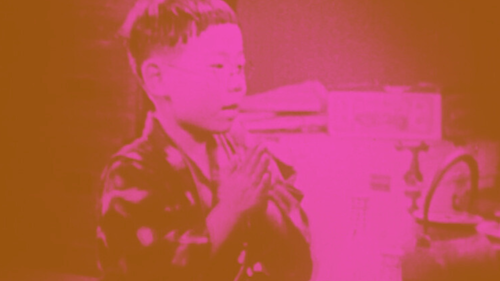
33. A Straightforward Boy
This comedy short involves a boy who is kidnapped and outsmarts his abductors via slapstick buffoonery. There isn't a lot to say about this film outside of it clearly being one of the comedy shorts Ozu was asked to make in his early days, and there isn't much of his signature style present here outside of the glow of the youthful spirit. Not harmful to watch by any means, but this one is probably best left for the biggest Ozu fans.

32. Days of Youth
An early surviving feature film by Ozu, Days of Youth is essentially a romantic comedy film about two university students who are both trying to woo the same woman. While there a hint of competency by a soon-to-be great filmmaker, Days of Youth is your run-of-the-mill film of its time that doesn't amount to much outside of chuckles derived from shenanigans. Another one that the biggest Ozu fans can seek out, but I find this a little more competent than A Straightforward Boy (straightforward is right).
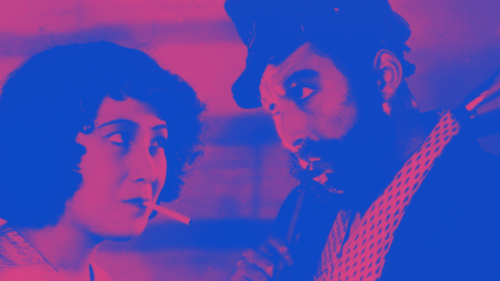
31. The Lady and the Beard
A so-so comedy of manners, The Lady and the Beard is about a gruff kendo fighter who cannot seem to get his way because of his strange beard. Could he potentially change his life once he — gasp -- shaves? That's essentially it. While there is some interesting visual choices made here, The Lady and the Beard is another sillier effort (but there is enough of Ozu's warmth here that the film doesn't feel like an unserious waste of time).
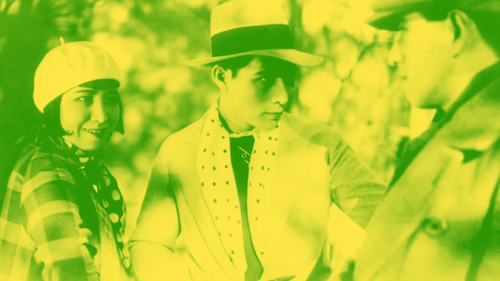
30. Walk Cheerfully
After a life of malfeasance, a criminal wants to have a change of heart all in the name of attracting a good girl. Of course, his past choices and built-in nature are hard to shake off. This is a noble effort by Ozu who was clearly trying to tell a story about maturation, best intentions, and the consequences of one's choices, but the film is quite typical and predictable — especially by Ozu's standards (a filmmaker who was usually able to find revelation within the ordinary).
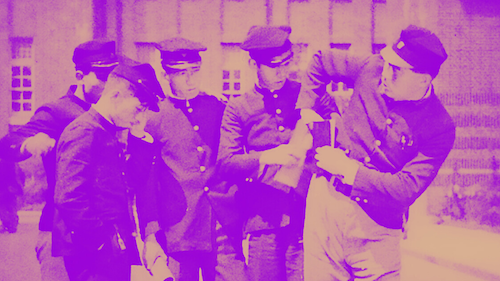
29. I Flunked, But...
Mirroring Ozu's own struggles with academia, I Flunked, But... centres itself around a college student who is trying to cheat on a test that he thinks he and his pals won't pass. Slightly silly while trying to be profound, this feature film is simplistic by the benchmark of what Ozu would be known for but is still a satisfactory look at the implied importance of earning degrees in the real world (Ozu's got something to say about that for sure).
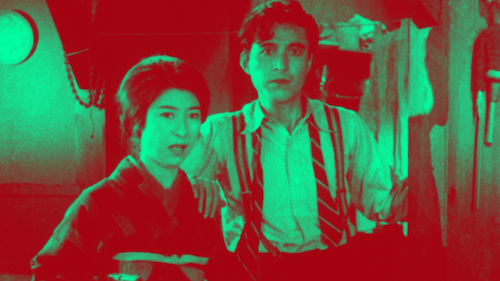
28. That Night's Wife
What would you do for someone you love? Ozu once again asks the hard questions in That Night's Wife as a father burgles in order to support and aid his ailing daughter; only he is forced to face those he has wronged while trying to do the right thing. This film sees Ozu experimenting with pacing and narrative in an effort to try and figure out the best ways to convey a story of morality; as if Ozu was channeling the works of early German realism in the form of a Japanese gangster crime drama.
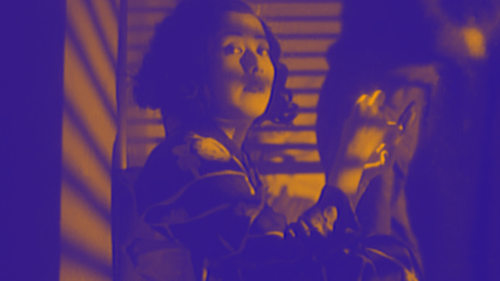
27. Woman of Tokyo
A film like Woman of Tokyo is a bit ahead of its time, seeing as it involves the livelihoods the working class take in order to get by (maybe its depictions of sex work — or the like — are a bit dated, mind you). Of Ozu's many early films, this featurette feels like one of the preliminary signs of the kinds of emotional, tragic pictures that he would continuously tell during his strongest decades; it is a bit incomplete and empty compared to his greatest works, but seeing such an early example is always nice as a massive Ozu fan.
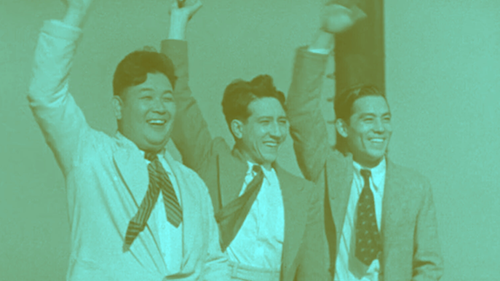
26. Where Now Are the Dreams of Youth?
While way too early in Ozu's career to be an actual bridge between his older and newer styles, Where Now Are the Dreams of Youth? feels a bit like a thematic link between Ozu's commentary on academic and societal stresses and the dynamics between different kinds of relationships. Indicative of Ozu's thoughts on societal classes and changes in identity as a result, this is another early sign of the kinds of stories Ozu would keep wanting to tell.
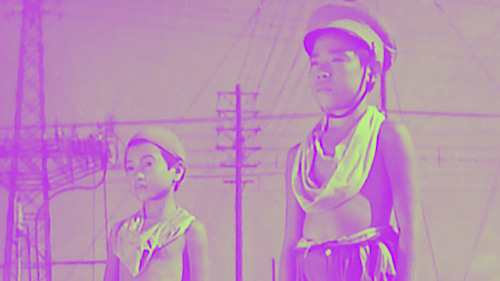
25. An Inn in Tokyo
Ozu captures a desolate family's woes and aspirations in An Inn in Tokyo as a single, unemployed father tries to get by with his two sons in an unforgiving world. Much of the film is based on what one should do in order to provide for their loved ones, and — unlike some even earlier Ozu works — An Inn in Tokyo sees Ozu asking the real questions: in what ways do we sacrifice ourselves to better others? In that same breath, how do we sacrifice others to better ourselves? An Inn in Tokyo sees Ozu figuring out how to make stories that are bigger than their plot points and devices.
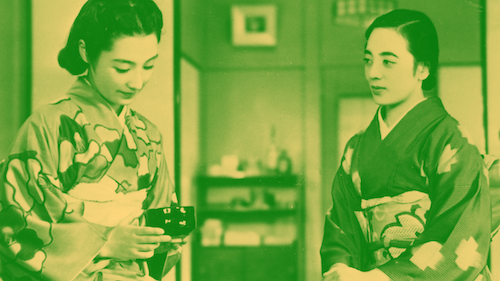
24. Brothers and Sisters of the Toda Family
Ozu's prime would be proliferated with films about hidden family secrets and motivations, and an earlyish example is Brothers and Sisters of the Toda Family: a household which is shaken up after the death of the father within it. When structure falls apart, that begs the question: how stable was this family dynamic to begin with? Ozu understands the importance of sticking together but also insinuates the challenges of a family that isn't as connected as they once thought they might be.
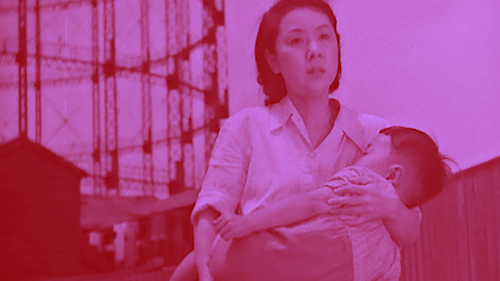
23. A Hen in the Wind
Ozu's time serving in the Second World War didn't work its way explicitly in many of his motion pictures (outside of, say, Record of a Tenement Gentleman), but one of the more blatant works that reference his thoughts and times during wartime is A Hen in the Wind: a tragic tale of a soldier who returns home to see the horrors of what his wife and son have had to endure while he was gone. Perhaps a take on the collapse of a family when one member is gone (and with the possibility of never returning), A Hen in the Wind is a post war drama that is sure to pull at your heartstrings.
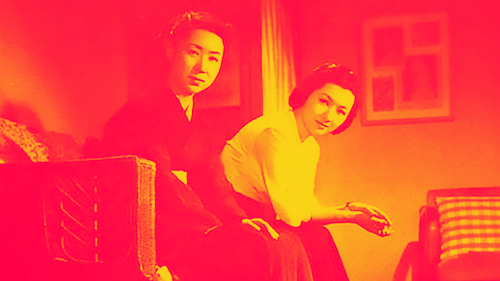
22. The Munekata Sisters
The year was 1950, and Ozu was more than in the midst of his multi-decade prime when he released The Munekata Sisters: a film that doesn't quite compare with his greatest achievements but is certainly cut from the same cloth (and strong enough to seek out). A bit of an interesting love triangle, Ozu sees the two titular sisters in their separate romantic conundrums trying to find solace and harmony; however, when one sister is stuck with a deadbeat and the other with the dilemma of what could have been, we get purposefully lost in the grey area of love and its ability to tear people apart (or, when all else fails, bring them back together).
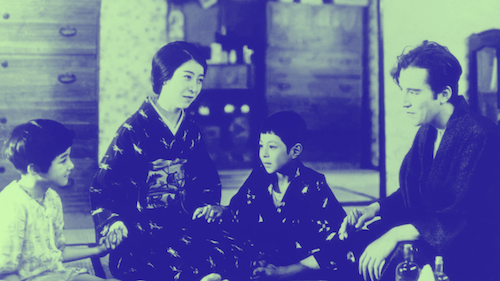
21. Tokyo Chorus
It can be challenging to know what to do during economic struggles; hasn't that been the case for many of us this past decade or two? Do you do what is necessary to remain employed, or do you stand up for what is right? Tokyo Chorus sees our protagonist facing uncertainty in the midst of an economic depression for standing up for a colleague who was unjustly laid off. Tokyo Chorus plants us in a difficult scenario where two truths can coexist: we live in a reality where we must work in order to provide and survive, but we must also protect those who are being wronged. How can we ensure to do both? Ozu might not have a clear answer, but at least he can provide us with a happy ending during a time where many needed it (and likely still do).
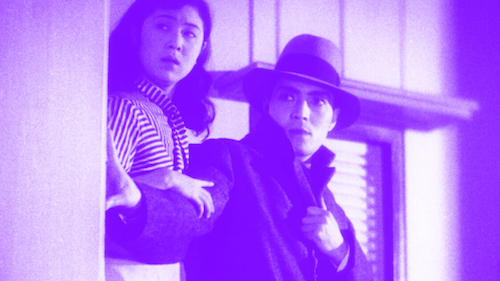
20. Dragnet Girl
In case you were not aware, Ozu had a couple of gangster films (like Walk Cheerfully, somewhat). Dragnet Girl is exactly what it sounds like: Ozu making a noir-esque film (before films noir really took off) about romance in the face of danger. I wouldn't call this film a masterpiece, but I oddly enjoyed Dragnet Girl quite a bit because it is always nice to see typical genres approached by filmmakers with such keen artistic visions; this feels like the soul of a gangster film as opposed to the blueprint. This one grew with me the more I thought about it because of how antithetical it felt, and I guess that makes me a sucker for genre subversion (whether it is intentional or not).
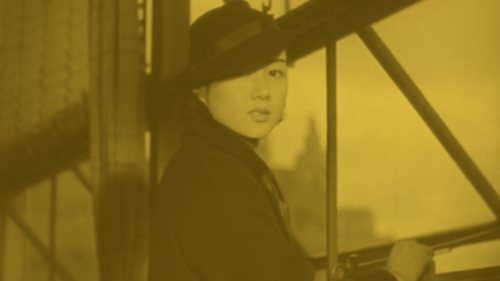
19. What Did the Lady Forget?
If the majority of Ozu's career was spent focusing on the intricacies of the average household in Japan, then a comedy like What Did the Lady Forget? was a mission to try and shake this blueprint up a little bit. Featuring a professor, his controlling wife, and their chaotic niece, What Did the Lady Forget? plants us in the middle of a crisis waiting to happen. However, instead of opting for the melodrama and heartfelt stylings of his biggest works, Ozu tries to find humour within the misconceptions and confusions of this setup. Even with all of the "buffoonery" (perhaps by Ozu's standards, anyway), this film has enough of a soul in it to find meaning within slapstick and comedy.
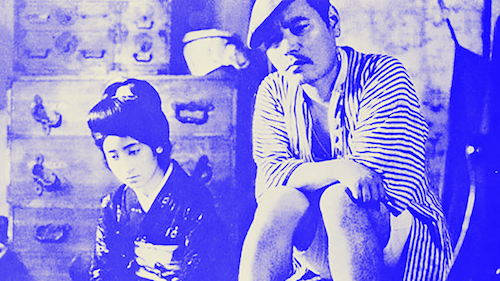
18. Passing Fancy
During his silent era, Ozu was firing off dozens of films in the span of a couple of years. While most of the existing films are remarkable enough to warrant watching, he sometimes knocked his efforts out of the park. Of the silent films that are amongst the best, one that isn't discussed too frequently is Passing Fancy: an underseen film about a father's difficult relationship with his family and society, told via Ozu's discovery of how to make more visual, introspective films. Ozu inspects his protagonist's choices — good and bad — and recognizes him as a flawed human who is trying to figure it all out; Ozu was wondering the same.
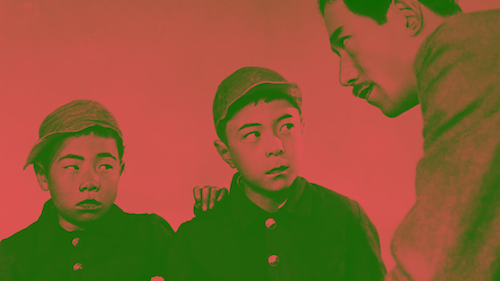
17. I Was Born, But...
I like to pinpoint where any of these lists spikes in quality, as to provide a basis for what films are all considered essential viewing by me. We have a whopping seventeen titles for Ozu (clearly cementing him as one of the greats of the medium). The first of such a calibre is I Was Born, But...: a character study of young brothers who mirror Ozu's childhood quite a bit. They partake in typical boy behaviours, like schoolyard boasting and truancy. They wish to prove that their father is a head-honcho at his workplace, only to find out that he is, essentially, your average employee without much power; this shatters their perception. A delightful and humourous silent film that finds worth in blood rather than a title, I Was Born, But... feels like Ozu having a conversation with his younger self about the important things in life (the fun of this film shows that Ozu didn't grow up too much, mind you).
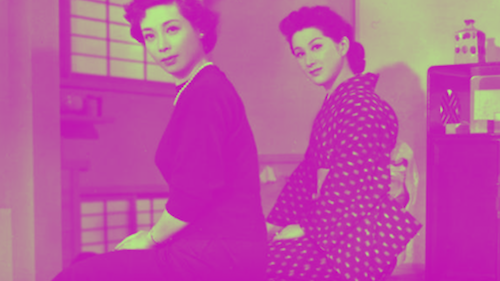
16. The Flavor of Green Tea over Rice
Some flavours that do not seem like they should go together on paper can blend in interesting ways, like cinnamon being used on meat, or cayenne hot sauce with cauliflower. Then, there is the Japanese dish of chazuke, which is green tea poured over rice: the inspiration of the name of this Ozu classic about a strained marriage. Ozu comments on disharmony within matrimony in this drama about shifting expectations and darkening hearts and, perhaps, the contrast that brought people together in the first place. You can either see marriage as the unity of two different forces, or the forced conjoining of disparate parts. The Flavor of Green Tea over Rice analyzes both with scrutiny and sympathy.

15. There Was a Father
What hope does one have for future generations when they do not muster the means of a proper upbringing? There Was a Father poses this dilemma in full effect, featuring a widower teacher who hopes to coach and raise his son despite his many setbacks over the course of a few years. Released during the Second World War, part of me wonders if this film was Ozu's way of trying to instil hope in a worried Japan: that there is always going to be a way if there is a will. The familial drive sends There Was a Father through seas of trepidation before arriving at its bittersweet conclusion; the love and sacrifice of a parent can do more than help their child — it can foster a generation and take care of many others via a ripple effect of affection. Even when loved ones die, when they take care of us properly, they will always be with us.
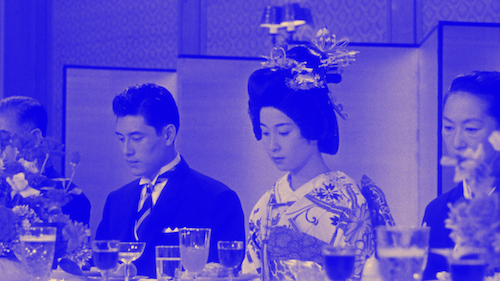
14. Equinox Flower
Ozu's first film to be released in colour is Equinox Flower; while he remains one of the best directors to work with greyscale, his technicolor era is just as stunning. What is one's family? Is it what they are born into, who they marry and bear children with, or both? Equinox Flower showcases the collision of a woman's husband versus her father at the risk of losing sense of herself completely. So many of Ozu's films are based on what people do for family, and here is a drama that gets into what some will do for what they perceive to be family. A bit lighter in tone compared to other latter period Ozu works, Equinox Flower still finds something poetic and meditative to say with such a quandary; you cannot choose most members of your family, but you can choose how you respond to them.
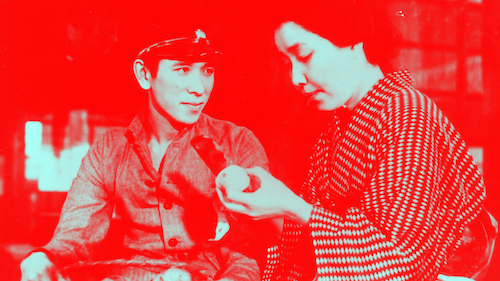
13. A Story of Floating Weeds
Ozu was always inspired by kabuki theatre; his stoic style, focus on meticulous artistry, and the relationship between a speaking performer and their audience are indicative of the ways of kabuki. This is mightily apparent in two films. The first is A Story of Floating Weeds: one of Ozu's best silent works. Ozu likens the theatre to a melodrama within a strained family dynamic between a father, his son, and his new lover. With everyone pulling for their aspirations, Ozu heightens the embarrassing details of dysfunction with the engrossing exaltation of the stage. A Story of Floating Weeds is already a stellar effort by Ozu, but only a master could take a near-perfect effort and refine it to the point of pure brilliance (more on that later).
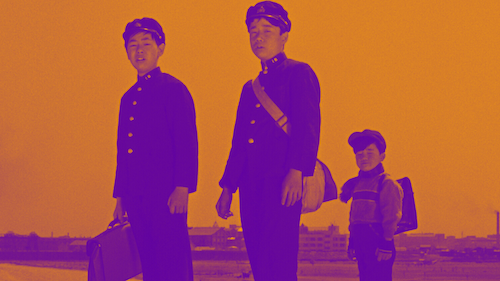
12. Good Morning
Ozu remade a few of his silent films during the latter years of his career and life. I Was Born, But... got such treatment when it was turned into a colour film in 1959: Good Morning. While not a direct adaptation, the previous film's forms of protest in the form of young brothers who are upset with their father's lack of prominence at work get turned into something else here: a silent strike. Two boys refuse to speak until their parents buy them a television set (which was once a luxury for a household to have); their silence begs viewers to take into question the weight of words and sentiments (from false promises and white lies, to terms of endearment). Ozu was always a traditionalist, and seeing a film like Good Morning — which questions the urgency of innovation — is a late stage response to how quickly formalities are abandoned when we are conditioned into always anticipating the next "best" thing.
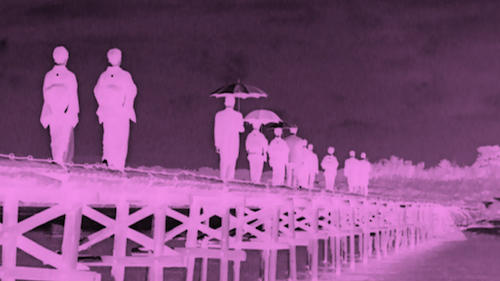
11. The End of Summer
Ozu was always making films about living in the moment, but his visions always contained hints of nostalgia: this was what life once felt like for him at each stage of his existence. His penultimate offering, The End of Summer, is two equal conquests: the reflection of an entire life having been lived, and the refusal to let it end — there is a heat wave that refuses to quit, but, even that, will subside one day. As we follow our older protagonist and see that he is searching for something more, we see that same force that the summer heat possesses: a mission to stay relevant, vibrant, and — essentially — around. While a bit lighter than one might expect with such subject matter, The End of Summer feels like a sign of resignation: that we will all cease to exist one day. That isn't to say that we can go and do whatever we want without consequence, but that we should cherish life — properly — before our time is up.
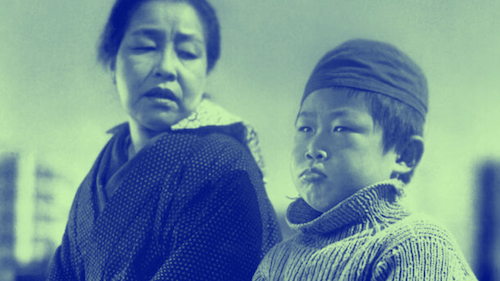
10. Record of a Tenement Gentleman
The war greatly affected Ozu, and this couldn't be proven more than in his first postwar feature film, Record of a Tenement Gentleman. Ozu covers the bases of multiple generations afflicted by combat, from a homeless child to a woman who has become jaded by society. What sparks is an unlikely kinship between different worlds amidst hardship within Ozu's master thesis on the weight of loss; this experiment only hits harder when you take into account the film's conclusion on yet another type of separation. What could have been a depressing exposition on humanity is instead tender and soothing — even in the face of adversity — thanks to Ozu's understanding of what keeps the human heart beating: the motivations to keep us going when all feels futile.
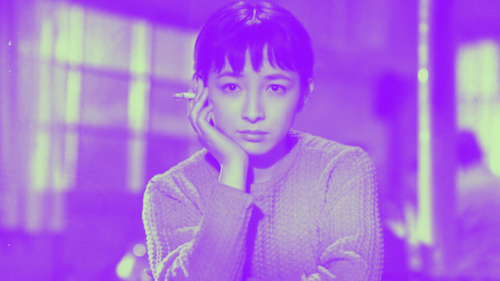
9. Tokyo Twilight
The last film of Ozu's black-and-white period might also be amongst his most depressing. To me, the concept of Tokyo Twilight is the acknowledgment that darkness is to come (but, in that same breath, light will return someday). In this film about sisters who learn about their estranged birth mother, Ozu is now questioning what a parent is: is it someone who is responsible for your existence, or someone who acts as a guardian and raises you? The answer is clearly obvious for most of us, but Ozu explores the extent of identity, family and heartbreak in Tokyo Twilight; while he usually possesses signs of hope and faith in his films, this is one time where he allows the gravity of his story to act in full force, resulting in a complicated, shattered portrait of the family dynamic and its repercussions.
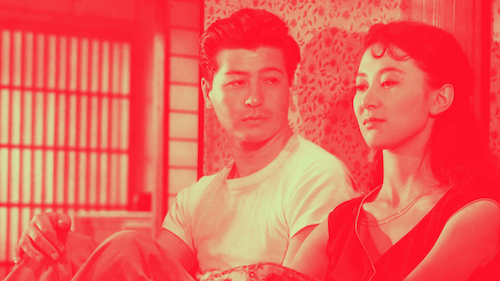
8. Early Spring
Spring is the season where life is reborn and we look ahead at what is to come. Early Spring is Ozu's study of a man who wants to leave his steady, normal life for new desires — from romances to careers. Our protagonist threatens to give it all up (while hurting his wife — and others — in the process) because he questions if this is all that there is: is there not more to come? This is possibly as existential as Ozu ever got, but, even then, he is aware of the joys in a life this ordinary while also sympathizing with those who worry that they never achieved more in their short time alive. Early Spring is a bit of a somber look (yet as warm as Ozu's ever been) at a crossroads crisis and all the particulates involved. If the question is "is this all that there is in life?", Ozu's answer is "no; this is life."
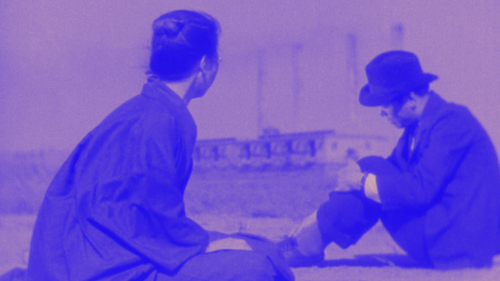
7. The Only Son
The first sound film in Ozu's career, it was evident that the transition from silent cinema to talkies could not get in the way of an artist who was certain of his themes and characters. Many of Ozu's films deal with the unknown — primarily the intended preparation for loved ones before we leave or pass away, without knowing if our efforts were in vain. The Only Son sees a widow who wants her son to have the best life, thus sending him away for schooling. She learns that her efforts did not pan out the way she would have liked. Should she have never tried to begin with? Ozu doesn't believe that there is a clear-cut answer when society is so peculiar and the people within it far more complicated. To love family is to make sacrifices, and this act looks differently with how various people interpret what it means to lose a part of themself for the benefit of others. To Ozu, it means leaving as much of his own experiences on the big screen in hopes that we see ourselves alongside him (we do).

6. Early Summer
Different generations have varying expectancies. This has always been the case, but Ozu was way ahead of his peers with how he was able to depict this topic that is now commonplace in culture. A film like Early Summer sees a daughter's emotional disparity with her family who expect her to settle down and get married to a particular suitor in mind, but she — played tremendously by Ozu mainstay Setsuko Hara (one of Japan's finest actors) — won't back down with her decision to live a different life. In the same way that parents and older relatives make difficult choices that they think are best, Ozu suggests that children are capable of doing the same, despite the difficulty of such an occurrence. Early Summer is this uncertainty coming to fruition with the ways of tradition left behind: there can only be new standards and discoveries if we let go.
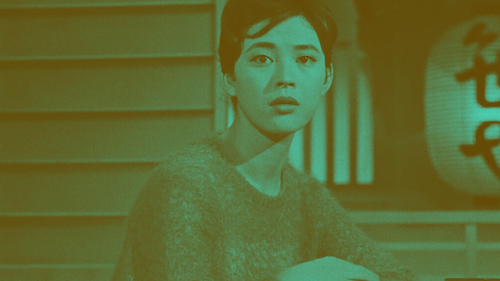
5. Late Autumn
Like a number of Ozu's films, there are some titles that work as pairs. This includes Late Spring and Late Autumn: two films about a daughter tethered to her family who is being advised to marry and start a family of her own. In this case, it's a daughter who doesn't want her mother to be lonely and live her final days without any form of interactivity. Of course, this proves to be a predicament: do we give up everything for our parents in the same way that they gave up everything to bear and raise us? At what point do we blossom as individuals, if even leaving home is just a means of starting another family? Late Autumn's conclusion is that there is a long winter ahead: one where that search for warmth will be more apparent than ever. When it comes to the topic of remaining with your birth family or forging your own new one, there is no correct answer, but Ozu makes all alternatives bittersweet with Late Autumn: a delightful look at a dilemma of this nature.
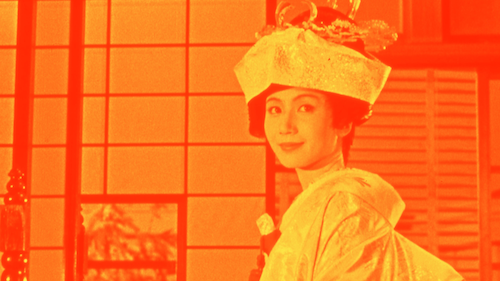
4. An Autumn Afternoon
An Autumn Afternoon is Ozu's final masterwork, released a year before he died. If The End of Summer was Ozu's form of looking back on life and questioning the entire journey with sunken — yet enlightened — eyes, then An Autumn Afternoon was the last effort to settle all affairs and loose ends before one departs. Essentially a remake of Late Spring, Ozu's An Autumn Afternoon is a return to a previous concept with even more clarity; although I slightly prefer Late Spring, this film is equally a crucial watch. This gorgeous film features a father trying to arrange a marriage for his daughter before he dies: a means of ensuring that she will be taken care of when he passes. The film on its own is exquisite and moving, but with the realization that this was Ozu's swansong (and he likely knew it as well), An Autumn Afternoon is even more sentimental and aching. I also consider it to be Ozu's most aesthetically rich film, which — to me — means that he was forever perfecting his artistic eye right until the very end.
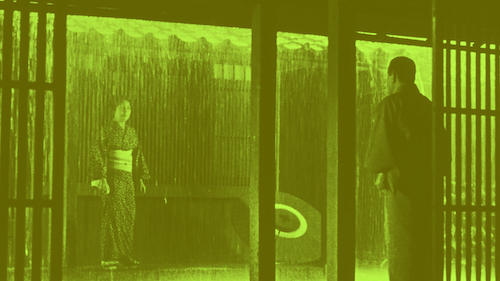
3. Floating Weeds
As great as A Story of Floating Weeds is, the closely-named Floating Weeds is even stronger at its evocation of kabuki theatre sentimentalities and visceral melodrama. The story is quite similar, but Ozu's garnered experience and wisdom take a fascinating character study of an unconventional family dynamic and renders it a borderline Shakespearean epic with Floating Weeds. The art of a traveling troupe is used to symbolize the passage of time in life and who we spend our hours with; Ozu creatively finds art within tragedy (the poetry within a familial rift) and tragedy within art (the inability for an artist to share their message with all walks of life before it may be too late). It isn't normal for a director to remake an older film of theirs, let alone for this second attempt to be an improvement (filmmakers can often lose sight of what makes their classics beloved) but Ozu defies the odds by taking an already-excellent film and making it a masterpiece. A Story of Floating Weeds is magnificent, but Floating Weeds is revelatory; over the years, Ozu found that extra je ne sais quoi.
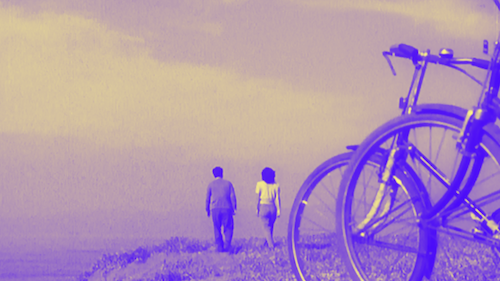
2. Late Spring
Even though Ozu was beyond capable of delivering such stories throughout his career, one of his most effective examples of simply displaying life and allowing that to carry the extent of the emotional and narrative weight is Late Spring. Similar to Late Autumn but far more saddening, Late Spring sees a daughter who is told to get married and start a new life; she relents due to her widower father who she wishes to accompany. While other Ozu films find glimmers of hope amidst hardship, Late Spring almost feels like a dance within uncertainty: the weighing of hypotheticals until you finally settle with a choice and are forced to grapple with consequences. Ozu's silent film background means that he is adept to being able to convey striking sentiments without having to spell out what is happening, and the ending of Late Spring is a crushing look at the road ahead; what is life if those who inspire us to live are not beside us? Of the many essential films that play on the turning of seasons in Ozu's oeuvre, Late Spring might be his strongest — but saddest — example.
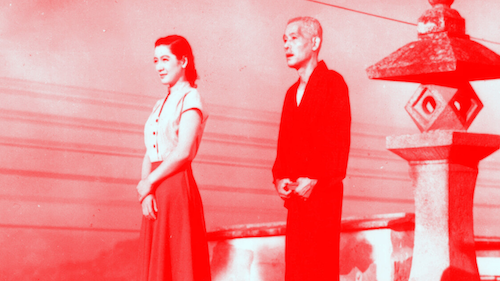
1. Tokyo Story
The first time I saw Tokyo Story (and any Ozu film, really), I was in film class and I liked the film but did not love it. I saw it as a visually beautiful film that felt ordinary, glacial, and basic. It told the tale of an older couple who miss their adult children and go visit them in Tokyo in hopes of reconnecting; the closest they get is with their widowed daughter-in-law, Noriko, who loves them unconditionally and tries to bond with them during their stay. To me, Tokyo Story was sad but plain, and I just did not get it as an eighteen year-old. I thought it was moving, but to call it amongst the best films of all time felt ridiculous. However, I had much growing up to do in two ways. Firstly, I grew older. I learned what it was like to experience change, to wonder how your parents got so old the moment you blinked, to face the mortality of loved ones who felt like an undeniable constant in your life that would never go away. I knew what real longing felt like, and the quandary of neither knowing my place domestically or within society. Then, I garnered more experience as a cinephile, learning the many ways that the medium could be enriched by the ways of old and not always the loudest, most demanding forms of expression. Tokyo Story waited for me to return, and so I did.
As an early twenty-something viewer revisiting the film, I saw something far greater: an unassuming masterwork that never begs or pleads for your affection but, rather, exists and allows you to connect with it. The precise framing and creative positioning became abundantly clear beyond just an aesthetic choice: this was to see one's home as though it was a paradise that would wrap you up in its architectural, domicile embrace. The provenance of existence could be felt as if it coursed through your veins and bones, even though you have never set foot in this house: you were always welcome. These geriatrics were your parents, and you saw how far you've grown apart from them, inspiring you to reconnect and find that familial bond once more. I finally knew that this was a sensational motion picture. Then, I got older.
As a thirty-something, I am Noriko; I know that I am closer to being my elders than I am youthful, and am finding the ability to be content with what I have (and appreciating it before it is gone; loss is no longer a stranger to us). I know what that pain to be loved feels like, and that the breathtaking performances here know how to convey that burning sensation without a yelp, a grimace, or a wail, but with this internalized sadness that radiates more because you know it is being subdued; when Setsuko Hara's Noriko cries, it breaks the tension of the entire film — that pent up ache that you feel in your core, too. I respect the characters looking directly into the camera to speak to us; there are no artistic pretenses to encourage us to think that this on-screen narrative is happening to strangers who do not affect our lives (Tokyo Story is about us). I realized that Tokyo Story was as great as it was always made out to be.
Soon enough, I will be the parents: looking back as if I am clinging to the scraps of my youth and existence. I already am wondering where the time has gone, and I know that I will be instead hypothesizing how much time I have left. When you are young, you dream of massive aspirations and all the multitudes that lay ahead of you. When you grow older, you recognize that life is not what will be but, rather, what already is; the friendships and loves you have garnered, maintained, or possibly lost; the experiences you have mustered, accomplished, or failed. The road ahead will always be uncertain, but it becomes no less murky, complicated, and cryptic as the one you have already traversed. Yasujirō Ozu is maybe the bravest director when it comes to staring at the discomfort of change in the face and embracing it as not only the inevitable but, rather, a hospitable fact of life: it is nurturing to know that you do not know what's left in store for you. You cannot defy change. You can only cherish what remains.
Tokyo Story has become one of the greatest films I have ever seen, so much so that I crowned it the best film of the 1950s. I don't think any film has ever directly captured the sensation of life and family better than this title, nor has any film artistically reflected upon what existence and aging feels like in a way that no other medium can convey. This is the kind of motion picture that can change you the moment you are finished watching it, allowing you to see new sides of yourself and loved ones and reminding you that existence is not permanent. We are to cherish cinema; our family; our partners; ourselves; before we are all gone.


Andreas Babiolakis has a Masters degree in Film and Photography Preservation and Collections Management from Toronto Metropolitan University, as well as a Bachelors degree in Cinema Studies from York University. His favourite times of year are the Criterion Collection flash sales and the annual Toronto International Film Festival.