
Viva Verdi!
Written by Andreas Babiolakis
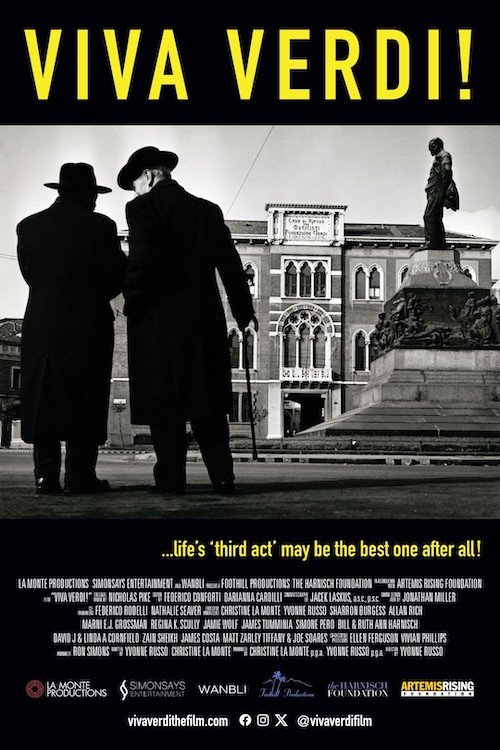


Our art will long surpass us when we are no more. Even so, many artists never get the recognition they are due. Yvonne Russo’s documentary film, Viva Verdi!, takes us to a retirement home known as Casa Verdi. Casa Verdi was built in 1896 by the iconic opera composer Giuseppe Verdi; the focus on the name of such an important figure being used in this way is crucial to the film’s themes of legacy and purpose. Verdi is known for his emotional compositions that have surpassed the test of time; in this film, he is the guardian of protected visionaries. Casa Verdi specializes in housing geriatric musicians in their golden years: singers, pianists, guitarists, composers, instrumentalists of all kinds. There are even artists of other walks of life, including ballet dancers. We see these lively spirits in their eighties, nineties, and even those over a century old partake in their daily pastimes: recreating passionate, classical music. Much of this film reminded me of my late grandmother (known affectionately by all as “Yiayia”), who — even towards the end of her life in her nineties — was able to play the piano without missing a beat. When music is the very essence of your soul, it never leaves you. With my Yiayia, I felt like I became acquainted with her younger self when she would transform before my very eyes: from my grandma to a classical pianist virtuoso. That muscle memory never leaves the classically trained, and being able to appreciate these individuals with new eyes every time they become musical geniuses (before reverting back to the quaint, humble elderly folk as if what they just did wasn’t special) is something we should never take for granted. Russo certainly doesn’t take them for granted, either.
Viva Verdi! is sectioned up in little bite sized testimonies of all of Casa Verdi’s inhabitants. The film doesn’t do much more than allow Casa Verdi’s residents to speak, sing, and play. We get little snippets of these lives without going too deeply into their personal histories; more or less, Viva Verdi! depicts what art has meant to all of these individuals on a grander scale. The film is an hour and twenty minutes long, and I feel like Russo recognized that making the film far longer would have made these recounts feel more like we are running in circles with the same themes. Instead, the short-but-mighty film allows each of the featured stories to shine without ever overstaying their welcome. This brief tour of Casa Verdi allows us to sit down with enough residents to feel like we have had a proper look at the retirement home, but we don’t ever feel like we are sticking around to not appear rude. In fact, there may be a hint of you wanting to hear one or two stories more, and Viva Verdi! bows out precisely when it needs to (leaving you wanting more). Considering that a big theme of the film is the act of providing these retired musicians with that coveted third act (an important element to any story, but especially in opera where it is seen as the final act of resolution and closure), Viva Verdi! certainly provides the second wind that these musicians deserve before their stories wrap up for good.
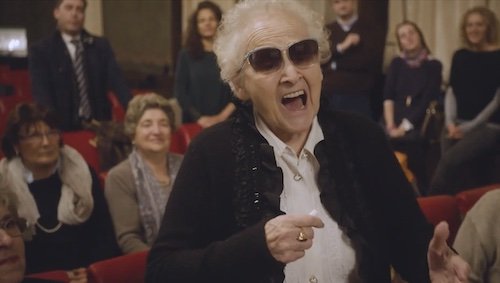
Viva Verdi! is a time capsule that never overstays its welcome; it leaves its hardest hitting card for last to remind us to always appreciate the present.
Composer Nicholas Pike was selected to provide that final curtain call for Viva Verdi!, and he crafted a song — “Sweet Dreams of Joy” — that walks the line between classical opera and contemporary pop ballads. This allows there to be a bridge between the ways of old and new (much like the documentary is meant to be). Singer Ana María Martinez bounces between classical vocal acrobatics and modern vocalization so audiences who may not be familiar with opera can still understand the weight of what is being sung and why; I do not want to say too much about why “Sweet Dreams of Joy” was made or how it is utilized, but believe me when I say that Viva Verdi! plays its biggest card at the end.
Art is the opportunity for our impact to surpass us via the longevity of legacy. A film like Viva Verdi! provides the many people who may have never had their recognition the opportunity to be megastars for eighty minutes. Additionally, classical music will forever have its audience but its importance is certainly fading away as we trek deeper and deeper into the digital age. Viva Verdi! helps encourage the longevity of this as well. I don’t think that classical music will ever truly disappear into obscurity, but it is nice to see these kinds of opportunities for new generations to be acquainted with the healing and cathartic power of such artistry. With Viva Verdi!, we learn to never take anything for granted, be it the wise elders in our lives or the music that predates us. For those of us with much catching up to do: venture forth. For those who are already heavily connected with the arts: remain true to yourself. When your contributions help heal others, your second life will forever remain. Verdi chose to have Casa Verdi as a secondary life (of sorts): he has helped foster music long after he was gone in ways not even he could have imagined; Viva Verdi! furthers this mission.


Andreas Babiolakis has a Masters degree in Film and Photography Preservation and Collections Management from Toronto Metropolitan University, as well as a Bachelors degree in Cinema Studies from York University. His favourite times of year are the Criterion Collection flash sales and the annual Toronto International Film Festival.