
Filmography Worship: Ranking Every Agnès Varda Film
Written by Andreas Babiolakis
Filmography Worship is a series where we review every single feature of filmmakers that have made our Wall of Directors
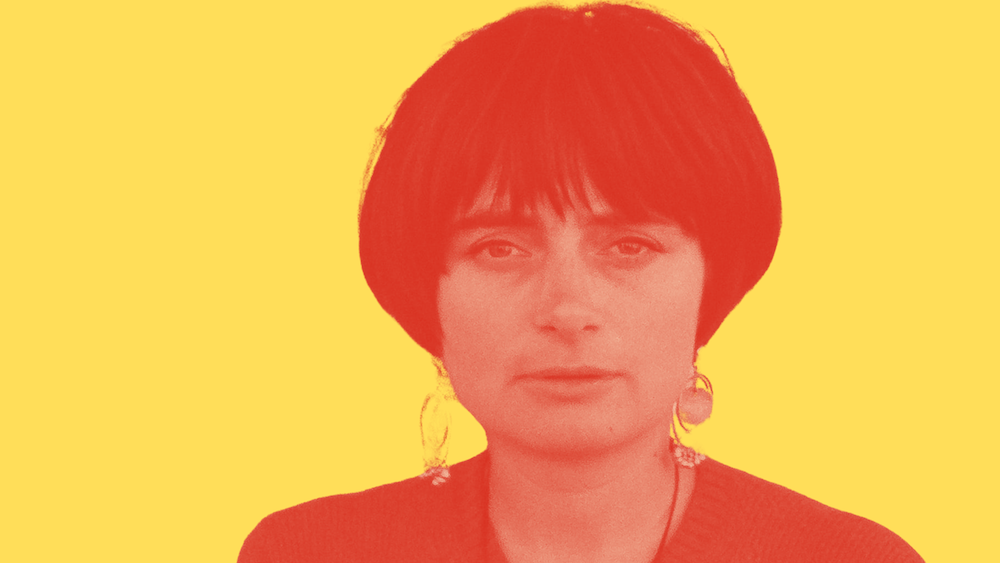
The French New Wave movement was often connected to the iconic magazine, Cahiers du Cinéma, but film theory has found different avenues that are just as pivotal to this era of filmmaking. If we are counting directors who didn’t once write for Cahiers du Cinéma, we can pinpoint auteur Agnès Varda as the creator of the very first French New Wave classic: La Pointe Courte in 1955. In the same way that this film was only later recognized for its importance in the movement, I also feel like Varda herself was appreciated more in the later years of her career and life. I feel like this is thanks to Varda being so ahead of her time: with breathtakingly majestic and decorous works that don’t ask much of their audience, allowing her viewers to approach her and her thought processes. She tackled her filmmaking techniques via the gaze of a photographer (her first passion was shooting pictures), with the intention of inviting you to observe and look around at your own accord. She was also fascinated with the power of perspective, either through narrative cinema or the documentary medium (Varda was acclaimed in both fields). Her films are unassuming, and this is why it took generations for Varda to finally get her flowers (and also why her fan base is as strong as it is).
On the topic of perspective, Varda didn’t just connect to audiences through her storytelling: she fully captured her own life on film as well. Over the course of her life, Varda shifted her documentary filmmaking towards a diary-esque depiction of her marriage (to fellow director, Jacques Demy), her cinephilia, and her philosophies. Suddenly, Varda was more than just a fascinating artist: she was that geriatric loved one who would pass down her stories to young ears (and, goodness, what a sterling storyteller she was). While so many other directors associated with the French New Wave felt untouchable, standoffish, and even big-headed, Varda was as approachable as a major director could ever be. In that respect, she was even more than all of the descriptions I have already provided: she was also the ultimate film professor. You learn how films can be made via her early works, how they can also be broken via her most experimental titles (although she never got truly avant-garde, she did toe the line enough to be a French New Wave icon), and how they can exhibit truth and ideologies via documentary direction; she did all of this with complete openness and a passion for giving away all of her secrets. She loved film, but she adored getting others to see why she connects with cinema so much; she helped many see the light.
Varda was quite prolific, so I won’t be including the dozens of short films she directed as well here, since I believe we have enough to go with when covering her narrative and documentary feature films. I will say with the utmost respect and fulfillment that — of all of the French New Wave (or adjacent) directors I have completed the filmographies of — Varda easily has the most consistent body of work. Her worst films are quite good, and she has a handful of works that I think every true cinephile should watch. In short, you can’t really go wrong with any of her films. You may lean towards the higher-ranked films on this list to watch, but I’d say go with anything that catches your eye below. You may be in for quite an experience no matter what you pick. Here’s to a filmmaking titan who never acted as such (her humbleness is one of her greatest qualities; she was never above her audience). Here are the films of Agnès Varda ranked from worst (or least bad, in this case) to best.

23. Les Créatures
If we have to point to a film that we can consider Varda’s weakest, I think it goes without saying that it is Les créatures. Having said that, I do believe that the reception this fantasy film has received is a little harsh; there’s a bit to admire here regarding Varda’s ability to merge reality with constructed narratives (in the form of a character writing their own story involving the people who surround our protagonists). Call it a statement on what art can do to perspectives, but I think that this film is too creative and inspired to simply call it bad or even mediocre. It just happens to be Varda’s weakest film.

22. Kung Fu Master
If Les créatures is Varda’s weakest film, then Kung Fu Master must be her strangest. Jane Birkin plays a lonely, forty-year-old woman who preys on a teenage boy. That’s essentially it. Now, Varda tells this peculiar story with so much purpose and poise that it becomes a stronger allegory on the confusion of puberty and the hopelessness of existentialism. That doesn’t make Kung Fu Master any less strange or gross as a film, but at least there is meaning in this film. This is certainly one of the more daring films Varda made, and she handles the challenging and alienating subject matter well enough.

21. The Gleaners and I: Two Years Later
After her magnificent documentary, The Gleaners and I, Varda revisited the concept of following trash diggers (the subjects of her original film, and some new faces who wanted to partake in this followup). I can’t say that this is an improvement on the already-great concept of the original documentary, but there’s something kind of special about Varda taking the theme of gleaning and revisiting her already-completed documentary to find new purpose within the art of recycling (as if she herself is gleaning through cinema). I’ve ranked Two Years Later quite low because of how much it relies on the other documentary to truly matter (it is mainly an afterthought as a film), but this is still a lovely look at a unique lifestyle.
20. Lions Love
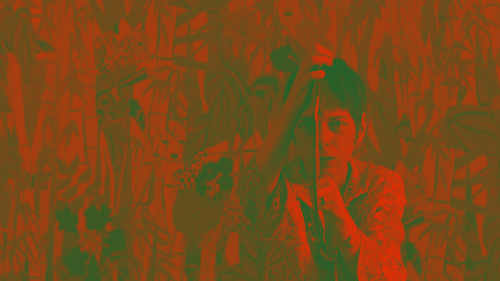
Lions Love is often considered Varda’s worst film depending on who you ask, but hear me out: I like the audacity of this film. How frequently are films made about the craft of avant garde cinema? Like finding a 4/4 rhythm in a chaotic jazz number that is anything but rudimentary, Varda makes sense of experimentalism in Lions Love. I won’t pretend like this is a perfect film, but I do appreciate what Varda is doing here with stripping a potentially pretentious artform of all of its arrogance, and likening all kinds of film together. I do warn you that most people do not champion this film, but I implore you to give it a shot just because it’s different in its approach.
19. A Hundred and One Nights
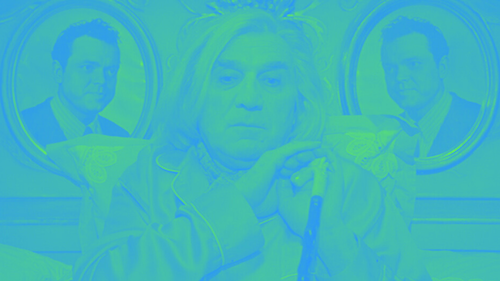
Varda’s last narrative film, A Hundred and One Nights, is a bit of a precursor to her permanent shift to documentary filmmaking; I say that since the film feels like a response to the act of looking at the past and making something out of history. The peculiar concept of taking a century-old retired actor (named — somewhat hilariously — Simon Cinéma) and having him slowly lose his memory and need help remembering his filmography is quite something. To me, Varda’s film is a depiction of how art is created in one way, but it becomes something else in the hands of the audience; were Cinéma’s films what he desired to make versus how they were received or understood? Varda was clearly cognizant of an audience’s responsibility for keeping films and other artworks alive; I am hopefully doing my part, here.
18. The Young Girls Turn 25
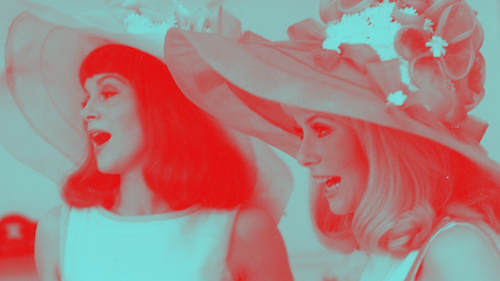
Considering that Varda’s first love was photography, it is easy to acknowledge what a photograph can do to someone when they glance upon it (a rush of memories come flooding back, for instance). The Young Girls Turn 25 takes performers years after their project (Demy’s magnificent The Young Girls of Rochefort) took place to reflect on their growth and their past; if artistry is rooted in the spectacle of what human beings are capable of, then their journey must be a part of that magic. Varda gives her late husband a beautiful tribute while acknowledging the impact of his work and his cast and crew.
17. Mur Murs
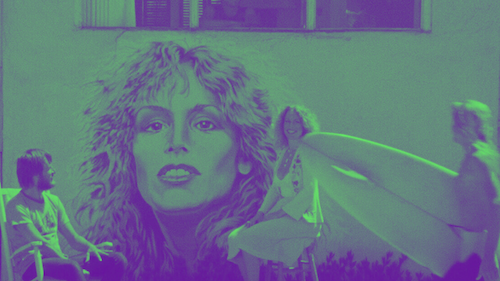
Varda was one to revisit ideas to see if her perspectives and opinions changed over time; I feel like her highly-refined Faces Places is a return to her 1981 film, Mur murs. Sure, she perfected the art of capturing murals with Faces Places, but Mur murs — a documentary on murals in California — is a mesmerizing attempt nonetheless. We get a thought provoking look at statements, political outcries, and artistry within a community that cannot ignore these titanic-sized pieces; Varda is a contrast with her filmmaking by taking a passive, soft-spoken approach to understanding these massive paintings.
16. Cinévardaphoto
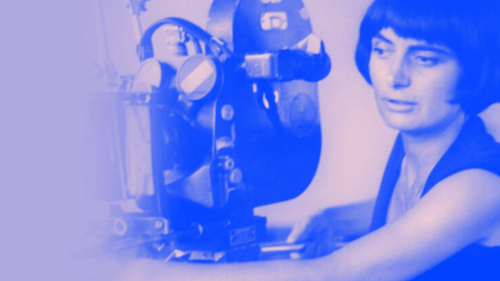
Varda’s love for photography all lead to Cinévardaphoto: a sensational experimental documentary on the purpose and artistry of photographs. This triptych of mini-documentaries includes an exhibit of teddy bear photographs in relation to the Holocaust, models from a photograph Varda took in the fifties being revisited, and a photo essay on the Cuban revolution. Separately, these three documentary shorts have their own messages; together, they become Cinévardaphoto — an exploration on the reversal of subject between the photograph and the observer (and how we place ourselves within the gaze of the still image).
15. Jane B. par Agnès V.
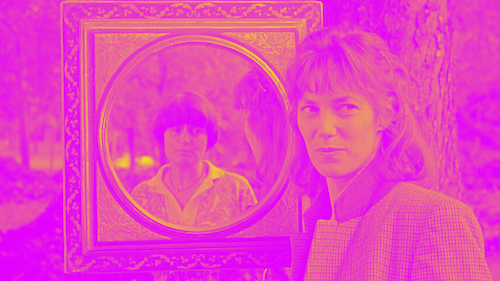
The best thing that could have come out of Kung Fu Master is its sister film, the documentary Jane B. par Agnès V.. While the former film was being produced, Varda interviewed actor Jane Birkin to discuss how both women were aging; Birkin saw this as a bit of a negative, while Varda found beauty in getting older. Varda implores Birkin to look back on her career in some inventive ways in this sublime film about self love, embracing our transformations, and acknowledging art as a time capsule. This film wasn’t even meant to exist; it spawned out of Birkin’s self doubt while making Kung Fu Master. Varda turns this conversation into a gold cinematic statement.
14. L’univers de Jacques Demy
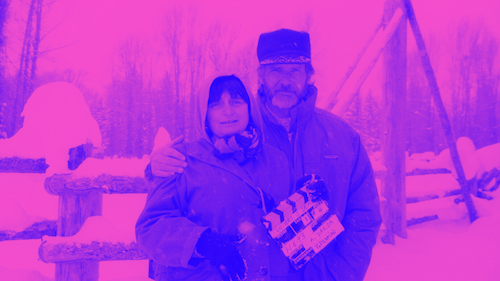
After Varda’s husband, Jacques Demy, passed away, she did all that she could to honour his memory; this arrives in the form of three different films. The most direct memento is L’univers de Jacques Demy: a straightforward documentary about his career. What sets this apart from other traditional documentaries is Varda’s fluent knowledge of her partner, turning interviews and found footage clips into a photo album of memories meant to ease her pain, navigate her grief, and show the world what she saw in her loved one. With such a tender and beautiful homage to Demy, I’d say that Varda’s mission is accomplished.
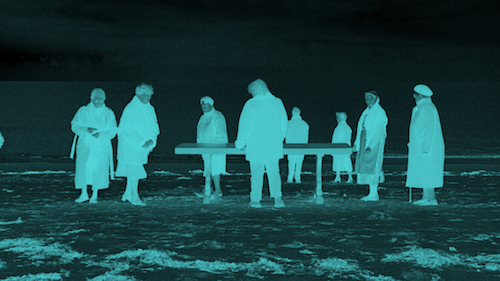
13. Quelques veuves de Noirmoutier
Documentaries should sometimes let their subjects do all of the talking while the director and camera wait patiently. Such is the case with Quelques veuves de Noirmoutier, as Varda sits down with various widows on the titular island. There’s no extra purpose or push here. We are simply listening to aching souls with the need to be heard. This doesn’t sound like the most fascinating concept, but anyone who has ever been plagued with grief like the subjects here understand the power of a film like this: the opportunity to feel seen and be nurtured by someone as patient and loving as Varda. This film spoke to me in many ways.
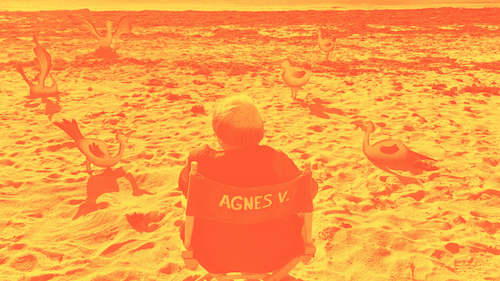
12. Varda by Agnès
Even Varda’s own illness and eventual death was something the auteur took as an opportunity to find beauty within. Varda by Agnès was worked on while the director was battling cancer, and the film is a retrospective of her career in a way that only Varda could tell: with the director sitting on various things that are important to her life and career (like beaches). The film is full of all things Jacques Demy, potatoes, and cats (in case you didn’t know yet, Varda loved her felines). The film on its own is such a meaningful bout of nostalgia and fondness, but with the unfortunate hindsight that was to come, Varda by Agnès becomes a gorgeous farewell to cinema and us, the responsive audience. Thank you for all of your contributions to film and art, Agnés Varda.

11. Documenteur
A sister film to the documentary Mur murs (to the point of starting where the documentary concludes), Documenteur is a breathtaking experiment by Varda where the auteur creates a narrative out of reality. Turning the discovered landscapes of murals in Los Angeles into a story of escapism and struggle (in the form of a divorced mom who comes across a documentary crew working on the very murals that Varda herself captured), Documenteur challenges the concept of reality and fiction within filmmaking; are narrative films inherently documentaries if they capture real landmarks and settings; are documentaries fictional since they involve the act of assembly and writing? Iranian master Abbas Kiarostami frequently tested the blurred lines between narrative and documentative cinema, and Varda proves that she is more than capable of doing the same between these two films.
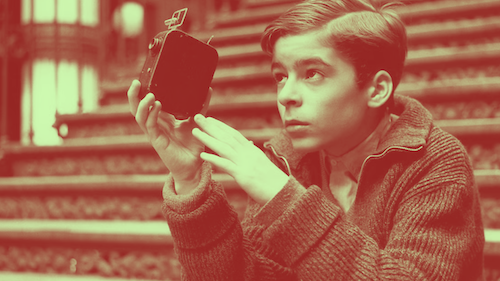
10. Jacquot de Nantes
The last film based on Jacques Demy on this list is the gorgeous tribute, Jacquot de Nantes: what is essentially a biopic of Varda’s late husband, based on his childhood years in Nazi-occupied France. This would already be a beautiful portrait of a filmmaker’s formative years in spite of the horrors that surround him, but with Varda’s vision and love for Demy, we get something far greater: a reconstruction of a dearly departed’s life to bring them back into existence. Demy’s work would speak for itself, but here Varda fills in the blanks with the years of Demy’s life that we wouldn’t be familiar with; the end result is exquisite and moving.
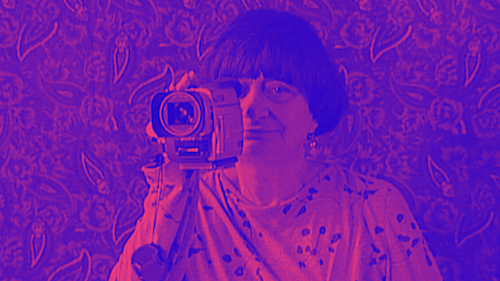
9. The Gleaners and I
Documentaries can help us look at subjects and people in brand new ways (with provided insight). In The Gleaners and I, Varda takes the titular focal points — folk who dig through dumpsters for things of value — and turns them into icons. Varda imposes her usual wisdom to shed light on a typically frowned-upon act and leaves us questioning ourselves. I don’t think it’s possible to look at gleaning the same way again after such a stunning documentary that humbles us and elevates a community who usually are not discussed or thought about whatsoever.

8. La Pointe Courte
Varda’s debut feature film, La Pointe Courte, takes the concept of a failing marriage and tries to find worth and magic within the lifeless. Varda has us going back to the origins of community (a small village) to incite a spark within the jaded; the director’s efforts allows us to find warmth within ourselves, too. Secretly, La Pointe Courte is also a study on the central fishing village, as if Varda was itching to document reality from the jump. Pieced together with exquisite shots and a perfect blend of narrative-based character studies and an ethnographic experiment, La Pointe Courte is a debut made with confidence and expertise by a non-pretentious filmmaker with much to share with the world (and about the world).
7. Le Bonheur
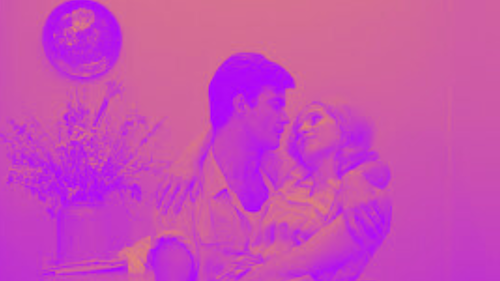
One of Varda’s most emotionally vulnerable films, Le bonheur takes the concept of adultery and creates a feminist work of art in the form of a confused husband finding worth in the wife he has neglected; the choice to have him be forced to take over for his wife (for reasons I will not go into here) is eye-opening. Varda subverts what the common cinematic love triangle can look like with this vibrantly-coloured exposition of hurt and empathy; I’d argue that Le bonheur plays out as one of Varda’s most surprising films as well. If there was ever a film that was truly a slice of the French New Wave in Varda’s repertoire, it would have to be this visceral effort.
6. Faces Places
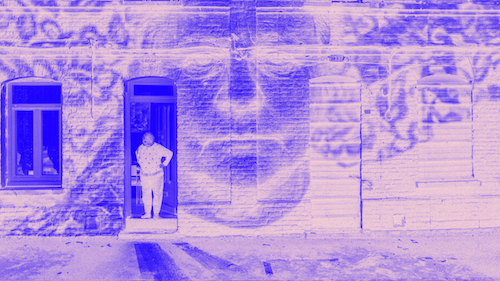
Varda’s penultimate film is a collaboration with street artist JR; the much-younger partner and Varda share a fascination with photography. Both visionaries take this passion and create photographs of a community’s inhabitants and make giant murals out of them; both Varda and JR subsequently direct Faces Places to capture the process and result of this stirring experiment. When you see the scaled images of everyday people in this way, you’ll recognize that Varda and JR have turned them into monoliths. While many documentaries try to educate the masses on well-known and/or respected figures, Varda and JR have made unknown, everyday folk into masterworks that will never leave your heart and mind.
5. Daguerréotypes
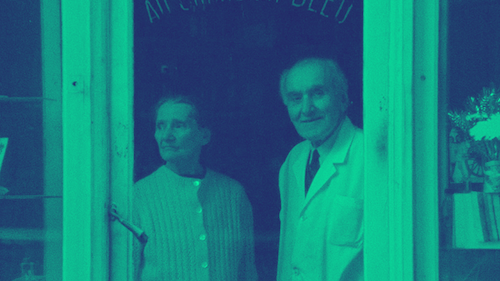
Varda’s first documentary as sole director (I haven’t included her collaboration with numerous other directors like Joris Ivens, Claude Leloach, and Chris Marker — amongst others — titled Far From Vietnam) is an effective analysis of self. Varda was a newer mom with a two-year-old son at home who she didn’t want to leave alone; meanwhile, she still possessed the urge to direct films. Thus, Daguerréotypes was born: a glorious experiment involving the studying of everything within an immediate radius of her home. Varda gets to know her neighbours better than ever by asking every home owner, employee at a local business, and passerby a series of questions about why they moved to Rue Daguerre (hence the highly clever pun of the film’s title); we get a tapestry of a community, and an idea of what kind of environment Varda was welcoming her child into.
4. Vagabond
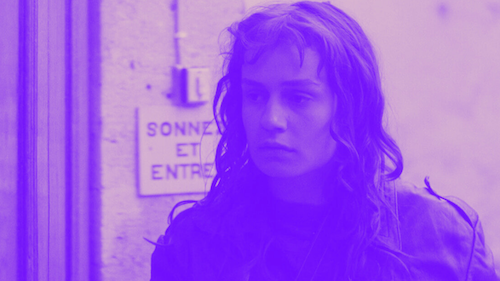
A frequent topic in French cinema is life before death, found in the films of directors like Robert Bresson, Alain Resnais, and Louis Malle (amongst others). Varda’s submission to this oddly specific kind of story is Vagabond: a chilling recount of a wanderlusting woman’s life before she would up dead in a ditch. With a breathtaking central performance by Sandrine Bonnaire (arguably one of the best in any Varda film), Vagabond becomes mightily compelling; with Varda’s choice to reveal the ending at the beginning, we become completely transfixed on this woman’s story (with the concern of how she dies forever keeping our interest); Varda’s hypnotic world building and Bonnaire’s equally-fantastic performance reward us for our attention, providing us a provocative exhibition on the choices we make and how we must cherish our lives while we have them (it’ll clearly be too late afterward).

3. One Sings, the Other Doesn't
One of my favourite kinds of film tropes is the concept of overlapping duality, present in films like Ingmar Bergman’s Persona, David Lynch’s Mulholland Drive, and Krzysztof Kieślowski’s The Double Life of Veronique. An underrated entry in this niche category is Varda’s One Sings, the Other Doesn’t. In fact — without coming off as redundant — there is a doubling of the use of doubles, here. First, there are two women characters in the midst of the 70s feminist movement in France (as expected by the film’s title, one character is a political folk singer, and the other keeps to themself to try and get by). The other use of doubles is the film’s dual nature; while Varda weaves together a story about these rich women, she is secretly documenting her observations of the ongoing battle in France. As a result, we get a breathtaking depiction of female unity and equality told via a quiet roar: a film that never judges or forces its opinions but leaves you nonplussed nonetheless.
2. The Beaches of Agnès
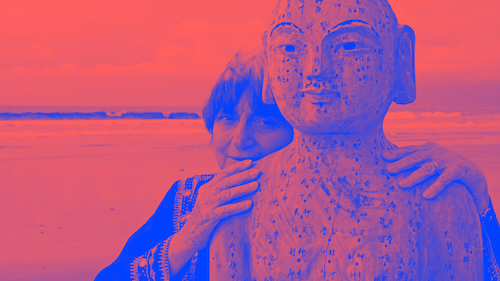
Varda by Agnès was clearly planned to be Varda’s final film when it was produced at the end of her life, but it wasn’t the first time that she tackled the idea of going out on a high note. Her initial go-around wound up almost being her greatest film (it is, I’d argue, her greatest documentary): The Beaches of Agnès. In the same way that she did with her late husband, Jacques Demy, her friend Jane Birkin, and her fellow inhabitants of Rue Daguerre, Varda turns to herself to research who she is as a person and where she once came from. Using highly personal materials like photographs and home footage, Varda puts herself on the big screen in incredibly sincere ways; it was clear that she wanted to handle her image and legacy before anyone else would dare butcher her story. The end result is nothing short of magnificent as we see an artist who chased the idea of purpose her entire life find her fulfillment in such a divine way.
1. Cléo de 5 à 7
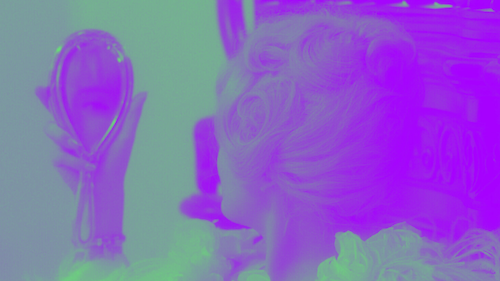
Even though the majority of Varda’s career is successful, it felt like a no-brainer when I was coming up with my number-one film in her oeuvre: Cléo de 5 à 7. We follow the title character, Cléo, during what she feels may be the last moments of her life while she awaits cancer results from her doctor. Varda turns these moments of potential dread into a living art gallery, where the world around Cléo is alive and ravishing. Varda doesn’t waste any time making her film just as sensational; even the opening credits, shown during an elaborate tarot-card session, are impossible to ignore (so is the choice of making the actual reading in colour, while Cléo’s response in black-and-white during this sequence). The French New Wave was built on the notion of broken rules, but Varda doesn’t go against the grain for the sake of it with Cléo de 5 à 7; instead, she vows to understand the new ways that films can be shown.
The end result is a motion picture that is certainly singular but not abrasively so. In the way that Cléo is experiencing life in a whole new way, Varda opens a portal for audiences to experience cinema with fresh new eyes. Despite having seen this film many years ago for the first time, Cléo de 5 à 7 still feels fresh, invigorating, and magical to me. It is easily one of my favourite films of the French New Wave movement because of how reserved it is with its artistry (as opposed to the more outwardly explosive films of some of the other French New Wave masters); here, the art of unorthodoxy is still harmonious. Cléo de 5 à 7 is a must for fans of the movement, of French cinema, and, well, the art of motion pictures as a whole; with this certainty in mind, it has to be my pick for what should be considered Agnès Varda’s masterpiece (even in the face of so many incredible and noteworthy films).


Andreas Babiolakis has a Masters degree in Film and Photography Preservation and Collections Management from Ryerson University, as well as a Bachelors degree in Cinema Studies from York University. His favourite times of year are the Criterion Collection flash sales and the annual Toronto International Film Festival.