
Filmography Worship: Ranking Every Alfred Hitchcock Film
Written by Andreas Babiolakis
Filmography Worship is a series where we review every single feature of filmmakers that have made our Wall of Directors
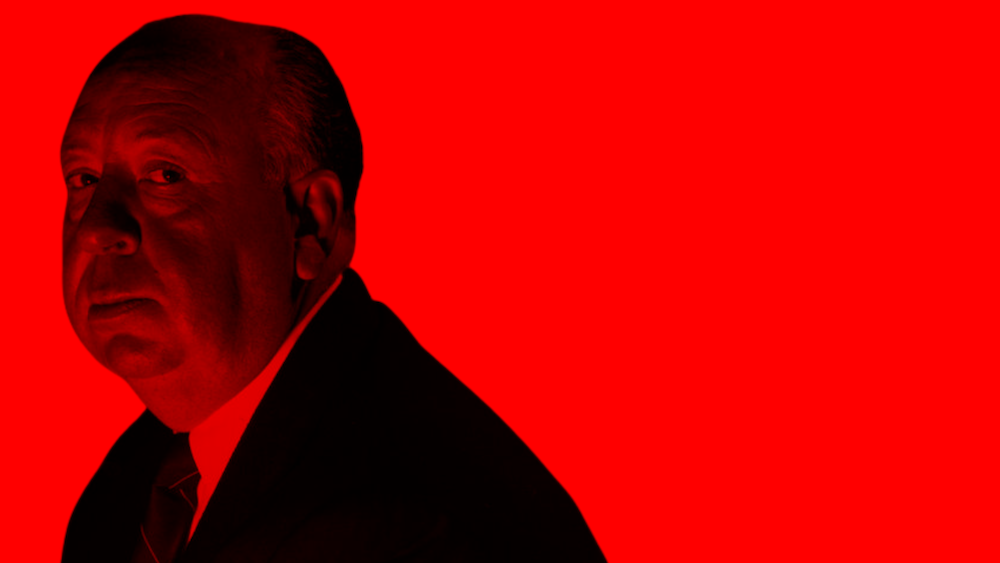
I was around ten years old when I was asked by my grandmother — who was an academic with an enriched taste in classical music, history, and motion pictures — what gift I would like. I brought up some sort of a horror film that I wanted to own. This sparked a discussion, where my grandmother asked me if I had ever heard of a director named Alfred Hitchcock. I hadn’t, and I honestly thought my Yiayia was bringing up some hack from yesteryear (I was a young child who didn’t know very much, believe me). She discussed all of these films with me that went over my head for the most part, but I do recall how this one motion picture had killer birds in it that terrified her. I didn’t take her seriously when we first had that conversation, but that name stuck with me: Hitchcock. It rolled off the tongue. It sounded important. It commanded authority. I would then hear the name in passing time and time again; it was certainly recognizable enough that it wouldn’t be drowned by external noise. My grandmother would ask me if I had watched any of his films yet, and the answer was usually a polite “no,” just because I didn’t want to hurt her feelings.
It was a little while later, perhaps in my tweens or teens, that I was wanting to learn more about film as an artform, and I was ready to research the directors whose names came across my radar; Kubrick; Scorsese; Hitchcock. My very first Hitchcock exposure was Psycho and learning the importance of the iconic shower sequence; what I hadn’t prepared for was the rest of the film, which blew me away. I would quickly learn that the film with the vicious birds was appropriately titled The Birds; I couldn’t even tell you what the DVD my grandmother bought me was, but I can certainly detail what transpired from that conversation we had. Toss in an appreciated watch of Rear Window for a high school literature class (one can certainly learn a lot about writing from this film), and I was hooked. My grandmother was onto something. Even though I could acknowledge that some of the effects in Hitchcock’s works were dated, I was transfixed by the films I was watching and the age present didn’t matter. I knew there was a special director for me to explore, and I have my grandmother to thank for the young age when I did discover Hitchcock.
I also learned that Hitchcock was far more than just a horror director; he mainly specialized in thrillers — or so I thought. If anything, I noticed that the director dabbled in many genres throughout his career; he just happened to be a master of suspense to the point that it defined him entirely. For a cinephile, the breadth of Hitchcock’s filmography is inspiring to dive through. He started in the silent era and kept making motion pictures all the way until the seventies. He was a part of Britain’s quota-quickie mentality: churning out as many films in the thirties as possible, as was requested by the government (to try and help the film industry there); you will find the bulk of Hitchcock’s worst films in this time period. He saw the pre-Code Hollywood years and would eventually help spark the New Hollywood movement with his audacious sixties output; let’s not get ahead of ourselves and go back to the thirties and forties. Back then, Hitchcock found his footing within the dark corridors of films noir, with many mystery and thriller classics, including a Best Picture winner that was antithetically frigid and morbid (Rebecca). Once Technicolor was commonplace, Hitchcock expanded his repertoire with visually arresting works; once he perfected the medium, as previously stated, he chose to break it in the sixties.
On the topic of breaking, Hitchcock almost never played by the rules; excluding the quota-quickie years, which I would proclaim at least helped him get significant experience and wisdom (the amount necessary to become an all-time great in his early years). He continuously fought against the producers who used to take the primary credit for motion pictures; his rift with David O. Zelznick on Rebecca was an important early battle for directors to possess control and artistry with their films (eventually, the public would see films as the passion projects of directors, not producers). Many of his films circumvented convention and, paradoxically, became so influential that his choices would lead to many imitations and, subsequently, cliches of his own over time. By the time he got to Psycho, he was vehemently going against the wishes of studios and producers to the point of almost decimating his own career; he forced a plot point where Marion had to ditch dollar bills in a toilet, leading to the first instance of a flushing toilet in film history; Hitchcock managed to have the (apparently) main character of a film die before we even reached the halfway point; it was rare for so much blood to be featured on screen at that time. Hitchcock would proceed to try and push these kinds of boundaries further in his later years.
When he was at his very best (a streak that lasted decades), Hitchcock knew what he wanted. He had key stars who he worked with repeatedly like Cary Grant, Grace Kelly, and James Stewart. He knew who he wanted to channel with each film, from a couple of Daphne du Maurier adaptations to getting surrealist painter Salvador Dali to help design a key sequence. It got to the point that Hitchcock was strategizing his own cameos in a majority of his motion pictures: an Easter egg trope that has become part of the fun when you go through his filmography. In that same breath, his knowledge and expectation became an obsession, for better or for worse. He would do whatever it took to get the end result he desired; the worst of this perfectionist desire arrived during The Birds and Marnie, where he tormented star Tippi Hedren to try and get the best takes out of her; her memoir decades later would also claim that Hitchcock sexually harassed her as well, showing another portion of his dark side. His on-set ethics, particularly towards women, have become a part of the conversation as well; any amount of “genius” does not excuse problematic and abusive behaviour. Even Hitchcock’s biggest fans can agree at this point that the man was a complicated one, and not always in the best ways.
As you can see, it is difficult to dilute Hitchcock as a human being and the body of his work into such a digestible article; I won’t even go into his fantastic television series Alfred Hitchcock Presents (which brought his addiction to mysterious twists and turns to the small screen), for instance. I do want to focus on the motion pictures he made, including any shorts he has. I will not include any of his lost films because, naturally, there is no way for me or anyone else to even watch them; these are Number 13, The Mountain Eagle, and An Elastic Affair (however, I will be including the partially-lost film, Always Tell Your Wife). What I’ve learned about his films is that Hitchcock has more mediocre-or-worse films than I would have ever expected. Then again, we are looking at almost sixty (!) projects here, so a few duds here and there isn’t that big of a surprise, I suppose. What matters more is the success rate, and I always knew that Hitchcock had a high batting average, but when I saw that there are over twenty films that I consider great to the point of being must-watches for all kinds of cinephiles, I felt assured that he truly is one of the strongest filmmakers of all time (that leaves dozens of films that are fairly good or decent that will have their fans, I’m sure). I’m hoping to make my late grandmother proud with this one; thank you for teaching me, Yiayia. Here are the films of Alfred Hitchcock ranked from worst to best.

57. The Fighting Generation
I don’t think The Fighting Generation is Hitchcock’s worst made film, but it is a propaganda short to entice the public to partake in war bond sales during World War II. There isn’t much to critique here because, well, there isn’t much to say about the film even positively; it’s not even two minutes long. I’m only including it here because I wanted to capture as many Hitchcock films as possible, including his short films (this is considered one). I don’t think it’ll hurt you to watch what is essentially an advertisement for a couple of minutes, but how can I rank something so short and void of narrative or intellectual substance over anything else? Now the list begins with Hitchcock’s worst films… Almost.
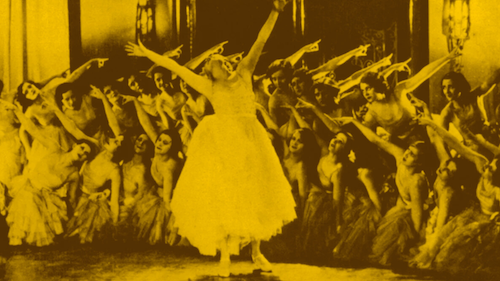
56. Elstree Calling
While not the same as the above entry for The Fighting Generation, this placement of Elstree Calling is mainly because this is a co-directed project with Adrien Brunel. Unlike the propaganda short above, this is a feature length film and Hitchcock’s contribution is substantial enough for me to properly grade. This is a highly unremarkable musical revue film that will only ever stand out in any sort of way because Hitchcock’s name is attached to it. Otherwise, this film is barely recognizable as a Hitchcock release, and I really don’t have much to say about it outside of how boring and annoying it is.
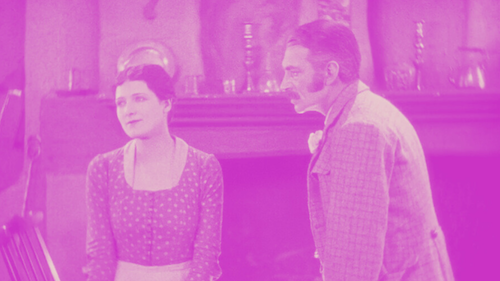
55. The Farmer's Wife
One of Hitchcock’s early silent films, The Farmer’s Wife is a typical romantic comedy film of its time, which means that it is highly dull and not special. Even the narrative elements aren’t up to snuff with what we would come to expect from Hitchcock.
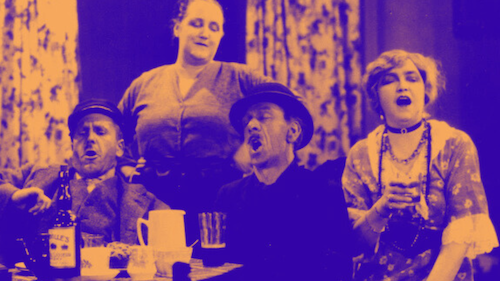
54. Juno and the Paycock
Oh, great. We have reached the start of Hitchcock’s quota-quickies era (he was churning out three films a year in 1930 and 1931). One of his worst offenders is Juno and the Paycock: a boring, stupid, mind-numbing endeavour that I wouldn’t recommend even to the biggest Hitchcock nuts.
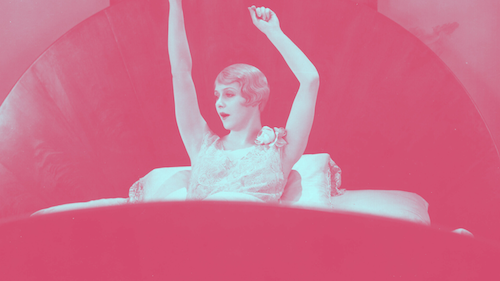
53. Easy Virtue
Another silent dud by Hitchcock; Easy Virtue was actually considered a flop when it was released as well. This romantic drama deals with a character with a shameful past; something Hitchcock would be able to showcase far better than he does here.
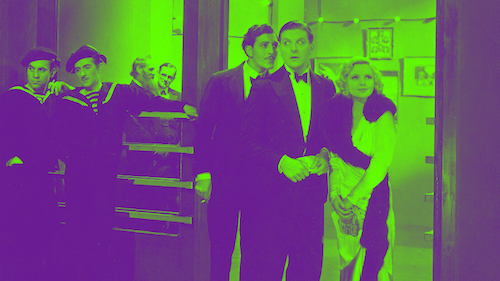
52. Rich and Strange
Get ready to face many Hitchcock films from the thirties that do not hold up, mainly because they were produced as quota-quickies. Such is the case with Rich and Strange: a floundering film that is mainly dialogue-free (because of the then-recent invention of talking pictures); the film struggles between its “silent” ways and its dialogue and sound-based sequences, resulting in kind of a mess of a picture with good intentions.
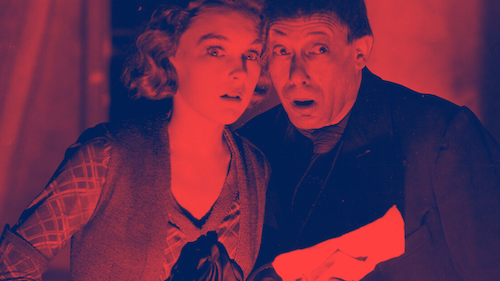
51. Number Seventeen
Another film from the quota-quickie era, Number Seventeen was once reviled for being a terrible thriller; it was just a misunderstood comedic caper. Having said that, that doesn’t make Number Seventeen good, and my reasons for not liking it are because it is uneven, messy, and frustrating.
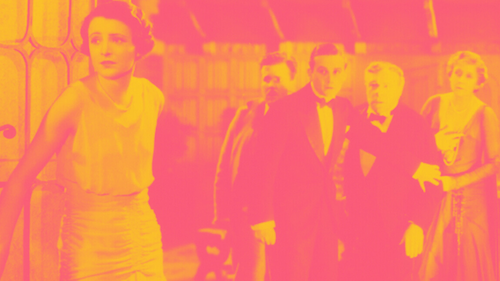
50. The Skin Game
Another quota-quickie, and an all-around terrible one at that. The Skin Game is full of unlikable characters in two feuding families (I want to root for neither) with a story that aims to be compelling (I’ll give it that, at least) but is just a chore to sit through (even at only eighty minutes).
49. Waltzes from Vienna
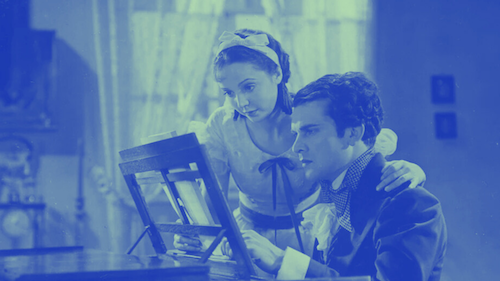
Don’t be shocked; we’re still in quota-quickie country, baby. At least Waltzes from Vienna is an early Hitchcock attempt at creating a historical, biographical picture (with a focus on composer Johann Strauss, and the source-material opera Walzer aus Wien). Having said that, this film is a word one wouldn’t usually associate Hitchcock with: dull.
48. Mr. & Mrs. Smith
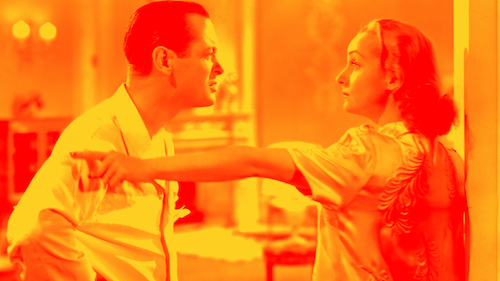
Here comes a-wait, this isn’t a quota-quickie. My mistake. However, Mr. & Mrs. Smith is a straight forward screwball comedy by Hitchcock and it is quite a misfire; though not atrocious, the film is heavily bogged down by the kinds of conventions you’d find in similar films back then. What makes this disappointing is that Mr. & Mrs. Smith was released in 1941; by now, Hitchcock knew what he was doing, and so this feels like the first entry on this list where I cover a film that is authentically a Hitchcock one: not something made as an advertisement, or a quota-quickie meant to be spewed out as quickly and effortlessly as possible (and, I suppose, the worst film to be a full-fledged Hitchcock release).
47. Always Tell Your Wife
Part of me feels bad for including Always Tell Your Wife at all because half of this short is missing. What we do get isn’t the greatest sign, either: a cheeky comedy that feels very dated and typical by today’s standards (although, it is kind of interesting to see that Hitchcock always had this side to him, seeing that his sense of humour would peak out of even his most dismal films at times).
46. Mary
Don’t get too comfortable. We’re back to Hitchcock’s quota-quickies era. Mary is meant to be a morality tale with twists and turns but, of course, Hitchcock would get way better at both themes. The end result is just passive by the standards of both today and Hitchcock himself.
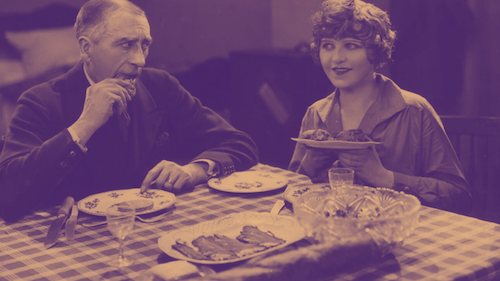
45. Champagne
Another Hitchcock comedy — and a particularly thin one at that — Champagne is a rare Hitchcock film that feels like it is almost completely void of any story; at least there is a bit of a vibe that this film has, as if Hitchcock was fine-tuning his eye for aesthetics here. Hitchcock would go on to dismiss this film later in his career; why he focused his disdain mainly on Champagne and not on some of the films that I found even worse is unknown.
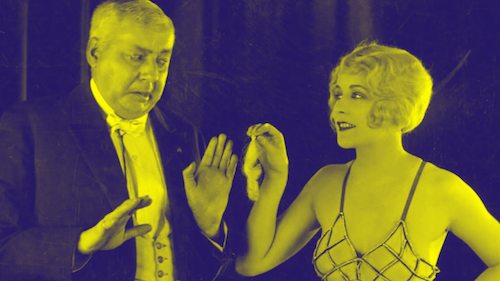
44. The Pleasure Garden
Believe it or not, The Pleasure Garden is Hitchcock’s debut feature film back in 1925 (the film is officially a century old by the time this article was published). Now that that celebration is out of the way, this film is fairly basic to the degree that there isn’t much to write home about. However, even with this very first film, you can see a filmmaker with drive and curiosity; it may not fully translate in the way young Hitchcock may have wanted, but it’s there even in a so-so film like The Pleasure Garden.
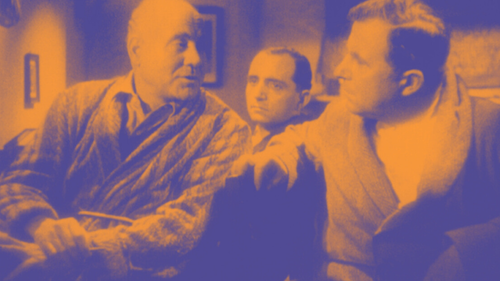
43. Aventure Malgache
Another propaganda short; this time, we’re clocking in at a fuller half-hour. I don’t think that Aventure Malgache is insultingly bad like some of the other lower-ranked Hitchcock films placed around it, but it certainly is short and thin enough to not leave me with much to work with and acknowledge. This short can maybe be seen as a sample of what would come later with Hitchcock’s ambition and craftiness, but on its own it is kind of just there.
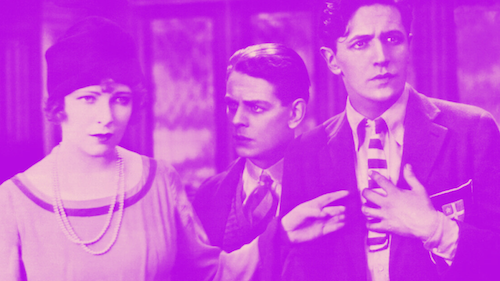
42. Downhill
This silent film deals with comeuppance and blame-shifting, and I do think that this is a decent starting point for Hitchcock. Even so, Downhill is at least somewhat interesting: you can see that Hitchcock was striving to find substance in ordinary situations (here, it’s in the form of children getting in trouble at school and what transpires).
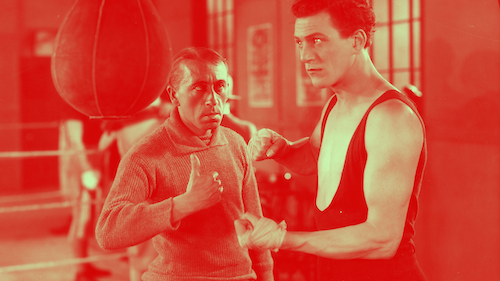
41. The Ring
The Ring is a silent Hitchcock film with signs of knowledge of how to best use metaphors and allegories; of course, he would only greatly improve, but he elevates a standard romantic drama with his fixation on fine-tuning characters and symbols (with an effort to dig up and showcase their significance for audiences to study).
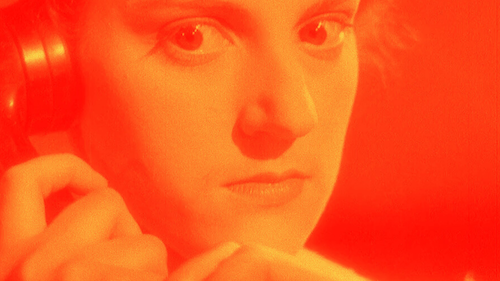
40. Bon Voyage
A rare Hitchcock film to not be presented in English, the French-language short film, Bon Voyage, is as anti-war oriented as the propaganda pieces the director made (and also on the briefer side of runtimes) but with more to say; here, we get an actual story that may be a little too short to be fully realized (but the very little we get is, dare I say this low in the ranking, captivating?).
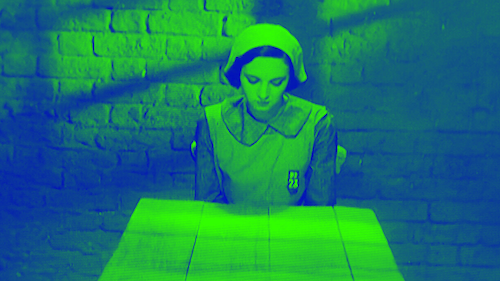
39. Murder!
We’re not out of the woods yet with Hitchcock’s quota-quickies, but we are at least verging into the better films of this nature (which is, to say, that they’re passable but not particularly groundbreaking, but that is better than awful, I suppose). Murder! shows an early fascination with guilty consciousnesses, mystery storytelling, and shadow-filled shots and artistic angles.
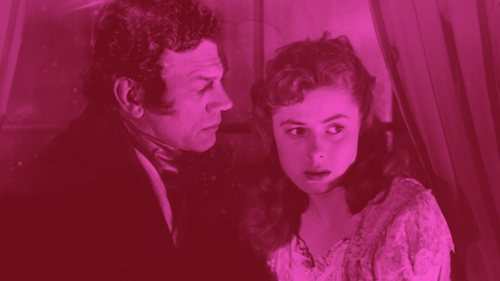
38. Under Capricorn
We are almost twenty entries in, and we have only reached our second Hitchcock film that isn’t a short, a silent, a quota-quickie, or a co-directed project. There’s a reason why Under Capricorn is this low amongst these substandard peers: it is self-indulgent to the point of being a little boring. Even so, compared to the lower-ranked films, at least Under Capricorn has talent and a budget to give something to gnaw on while watching; I’m happy that this wasn’t the only time that Hitchcock worked with the magnificent Ingrid Bergman (that would be a waste of an opportunity otherwise).
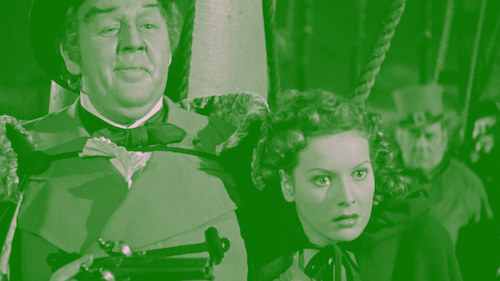
37. Jamaica Inn
Hitchcock would perfect how to adapt Daphne du Maurier’s writing with Rebecca, but a not-so-fine attempt is Jamaica Inn: a mystery thriller that tries to ensure that it is cryptic, eerie, and mesmerizing, when it is actually quite empty. Even though the sets, costumes, and makeup are well done, and Charles Laughton is as engaging as he always is, Jamaica Inn is just barely passable; stick with the fantastic novel for this one, folks.
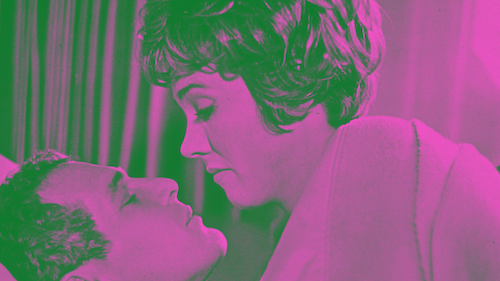
36. Torn Curtain
If early Hitchcock films saw the director trying to see what ideas works best, something like Torn Curtain is, essentially, a master who has dried the well and is now throwing anything at the wall in hopes that it will stick. With some odd risks (like casting Julie Andrews in an espionage thriller) and the occasional payoff (I actually love the aesthetics of this film and found them at least dreamy and alluring), Torn Curtain is a strange late-stage film by someone who had proven time and time again that he knew what he was doing; this time, he was misguided enough for it to be noticeable.
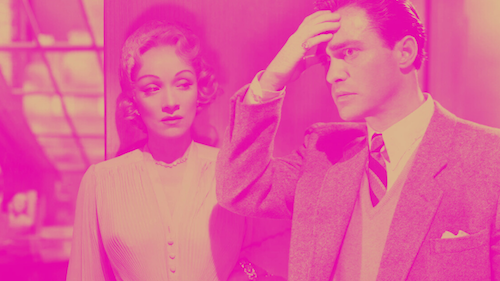
35. Stage Fright
A 1950 Hitchcock release (so, by now, the auteur was established as a mainstay in the film industry), Stage Fright doesn’t feel like the half-baked films of Hitchcock’s earliest years: if anything, it almost feels like it is trying to achieve too much with what it has (this may have been an instance where I would have preferred to see Hitchcock show restraint and artistry over twists and turns); still a decent look at innocence and wrongful convictions.
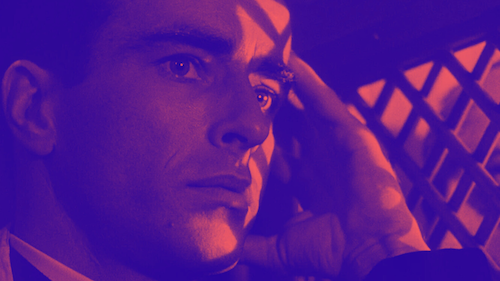
34. I Confess
This Montgomery Clift-starring vehicle, I Confess, follows a priest who is hoping to clear his name and clean his soul; this is a rare religious perspective by Hitchcock. Once a maligned film, I Confess was then seen as a motion picture of the future that was heavily misunderstood. I sit in the middle with this one. I see the beauty, poetic nature, and richness of this film while also understanding where it falters a bit (tonal inconsistencies and narrative flatness, for instance). I can see why I Confess has its fans.
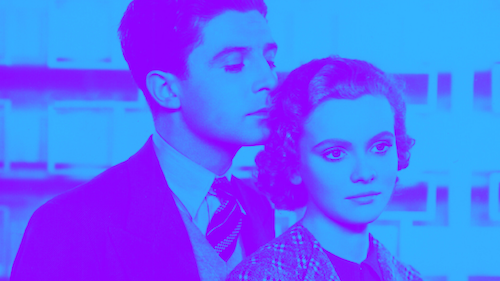
33. Young and Innocent
Hitchcock made strong films in the thirties, but you wouldn’t know that based on the many films I sifted through and gave rushed reviews up above, simply because I couldn’t fathom wasting my time any more with them. Allow Young and Innocent to start clearing the way for Hitchcock’s thirties films that are worth watching. A multi-faceted thriller dealing with the ripple effects of choices, I wouldn’t call Young and Innocent Hitchcock’s flashiest film, but the knack for pacing and cause-and-effect storytelling that the director became synonymous with is certainly present here.
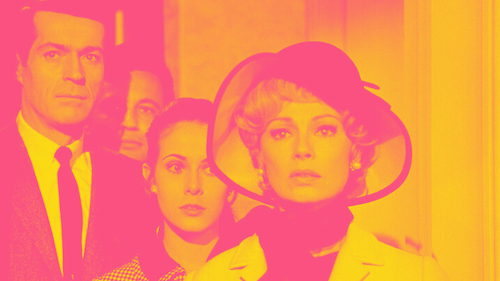
32. Topaz
If Torn Curtain was Hitchcock trying to do too many things out of near-desperation for new ideas, Topaz felt like the director running through the same old routines. By this time, it felt typical and tired for Hitchcock to return to the spy film again and again, but the advantage that Topaz has is being a stunning film of that genre (and not your usual, greyscale, dark affair); even so, pretty colours and interesting aesthetics cannot save a film from being derivative, I suppose.
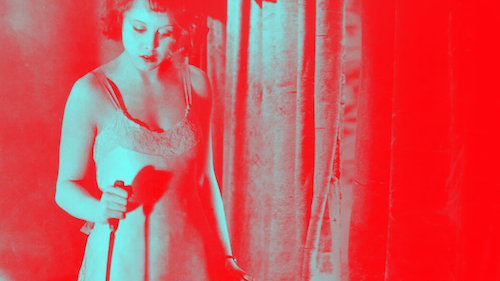
31. Blackmail
Blackmail is a return to the silent era on this list, and — all things considered — it’s actually quite good. Maybe it was the pre-Code era talking here (Blackmail is credited as the first British sound film of all time), but seeing Hitchcock make a film as dark as this one (dealing with a woman killing her rapist, only to be faced with looming manipulation after the fact) is quite a treat; I wonder if Hitchcock having to release so many spineless quota-quickies got in the way of his efforts to make something substantial and thought provoking like this film.
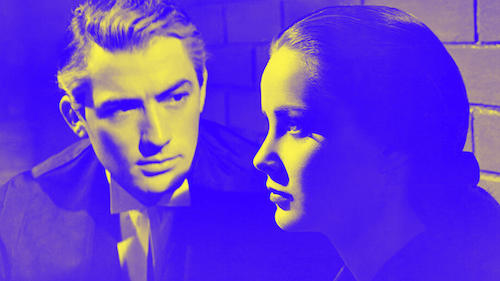
30. The Paradine Case
While I’m not going on record to call this a major achievement, I’ll admit that I like The Paradine Case more than the average person. I find the dynamic between stars Gegory Peck and Ann Todd strong; I appreciate the unorthodox romantic angle within this legal drama (as a barrister falls for the accused), and I think there is a certain magnetism to this film that apparently isn’t present with many other viewers who consider this a weaker Hitchcock effort (I’d call it somewhat of an underrated film, myself).
29. Saboteur
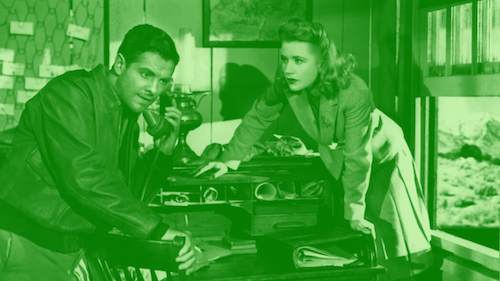
Believe it or not, we still have twenty nine films to go, and this is where I would mark a drastic rise in quality in Hitchcock’s films; it only gets really good from here. The “worst” of the best would be Saboteur, and a major perk to this espionage film is how it tosses the everyman — Barry — into the thick of a criminal underworld; how would you respond to your life getting flipped upside down like this? This is a feisty, crisp, pounding film that takes a leap from the first frame and doesn’t ease up at all. Consider that we still have nearly thirty films to go through after this strong review, and — even after the dozens of mediocre and awful films before this point — how magnificent Hitchcock was during his prime (and even outside of it).
28. Secret Agent
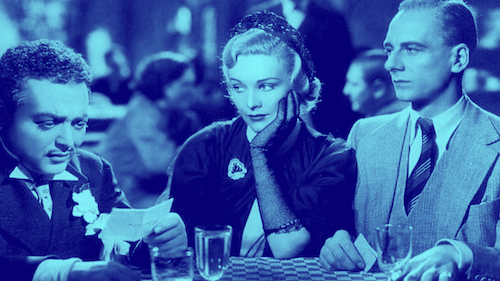
Hitchcock was becoming accustomed to releasing films at a fast rate during the thirties thanks to his quota-quickie experience, but he at least had two quality films come out in 1936 (more on Sabotage later). Secret Agent is a mostly strong World War I thriller that involves mistaken identities, sinister plots, and turns at every direction. While it isn’t as rounded or dynamic as his best noir or thriller classics, Secret Agent has a stellar cast with Peter Lorre, John Gielgud, and Madeleine Carroll at the forefront; I see Secret Agent as a bit of a stepping stone from the well-intentioned bombs Hitchcock made (see most of the lower entries above) that intended on being complicated and harrowing pictures to the kinds of films that would define his career; we needed Secret Agent before we got to Notorious or North by Northwest.

27. Family Plot
Hitchcock’s last feature film, Family Plot, is such an intriguing film; here was a crucial director that helped spark the New Hollywood movement years before it could come to proper fruition who was now operating inside of the sandbox he helped create. Sure, Family Plot doesn’t compare to the likes of either Godfather film, Chinatown, or Bonnie and Clyde, but this bonkers, darkly-comedic caper fits in with this time period’s cinematic anarchy far more than it is credited. I wouldn’t say that Hitchcock was never self aware, but he certainly tried to make prestigious, provocative films so frequently that something as blatantly fun and kooky as Family Plot stands out for all the right reasons; it’s as if Hitchcock knew this would be his swansong and wanted to do one last crime film (this time with its tongue firmly in its cheek). Maybe this was a response to a movement that started out as being against the grain that, paradoxically, became the norm.
26. Suspicion
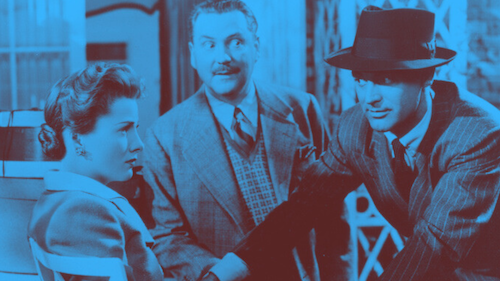
I’ve got to be honest about Suspicion. I highly admired this thriller and viewed it as a Hitchcock film that was quite underrated; sure, Joan Fontaine rightfully won an Oscar for this film, but it has been considered a bit of a weaker effort during Hitchcock’s prime for years. It has always been held in a similar light to Rebecca, which came out a year before; I attended a masterclass lesson held by director Guillermo del Toro where he went to bat for Suspicion and even said, essentially, that Rebecca walked so Suspicion could run. Now that I have finished Hitchcock’s filmography, while I still like the film a great deal, I feel a little differently now. What I admired most at first — the organic, effortless intrigue and danger here — now feels a bit unpolished and incomplete, as if he aimed to make a less frigid Rebecca and instead made something slightly flimsier. You’d think that watching over ten thousand films would mean that you are certain with your opinions, but age and time are peculiar friends of ours; I still recommend Suspicion for the biggest Hitchcock fiends (there is a lot to love here, from the atmosphere to the performances), but I’m going to have to disagree with del Toro on this one while also facing facts that are hard to grasp for me; I like Suspicion a little less than I once did.
25. The Man Who Knew Too Much (1956)
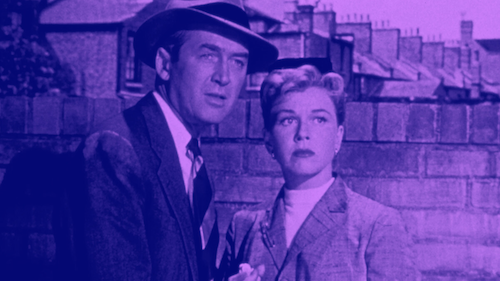
A rare instance of a director remaking his own film, Hitchcock returned to his 1934 thriller, The Man Who Knew Too Much, with bigger names, more money, and full-on Technicolor. What was meant to be The Man Who Knew Too Much — the 1956 version (with a greatly different screenplay, although both films are similar enough) — is one or two decisions away from feeling like The Man Who Did Too Much. Hitchcock tries to improve upon his original vision with bright lighting, triumphant music, and an epic scale; all of these traits remove the suspense and moodiness of his original film. Even so, while inferior, this second attempt is at least a fun ride led by Jimmy Stewart. I would also like to shoutout the central song, “Que Sera, Sera (Whatever Will Be, Will Be),” not just because it is iconic but because my late grandmother — who, as I explained in my opening paragraphs, introduced me to Hitchcock — would sing it without context in front of my sisters and me; it was nice figuring out where that song came from when I saw this film many years ago.

24. Sabotage
Perhaps due to the prolific output Hitchcock had making shoddy quota-quickies, he had two films in 1936 that stand out, including Secret Agent. The better of those is Sabotage: a cunning spy thriller that felt like an early success for Hitchcock (finally, amidst all of those awful quota-quickies, he was getting somewhere with a film that misled his audiences while also keeping them highly invested). This riveting plot about a potential act of terror has so many moving parts that assemble and fall apart either before your very eyes or in the background, leaving you guessing all throughout its duration. While it can be easy to confuse this film with the similarly-titled Saboteur or the other 1936 film, Secret Agent (both 1936 films had writing contributions by Charles Bennett, and Sabotage is loosely based on the novel, The Secret Agent, just to make matters even fuzzier), let it be known that Sabotage stands on its own two feet as an anxious slice of cinema.
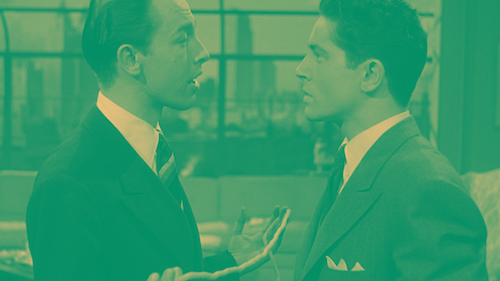
23. Rope
Here is probably the point where I lose many of you. I’m not saying that Rope is a bad or even mediocre film, but when you consider that Hitchcock has made dozens of great films, an iconic title is bound to be placed lower than expected. Rope is a really good film. I love Hitchcock’s approach to the one-shot illusion (where it appears that the entire film was done in a single take, even though we can tell by today’s standards that Rope was actually done in a handful of very carefully shot and edited sequences); it places us in the room with intellectuals discussing the perfect crime and makes us complicit. I do think that some other Hitchcock films handled the discussion of murder with more gusto and that Rope’s real-time nature has been done better over the years since, but Rope was quite ahead of its time and an early signifier that Hitchcock was ready to take bold risks to push both himself and the art of filmmaking. Despite being ranked so low, I still think that Rope is quite something, and I can see why some will proclaim it as their favourite Hitchcock effort.
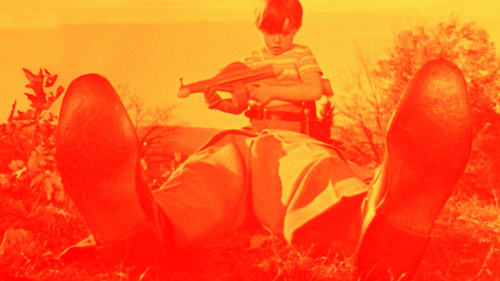
22. The Trouble with Harry
It’s time to go to bat for The Trouble with Harry: a bleak comedy by a director who some may have accused of being too serious and technical by this time (1955). This autumnal murder picture deserves to be reevaluated by the twisted minds of today: those of us who can now stomach matter-of-fact dialogue, satirical tone, and the idea that death can be portrayed humorously while still having strong writing surrounding this tragedy. I feel like The Trouble with Harry was an early attempt by Hitchcock to see what he could get away with now that — at the time — he was becoming this untouchable force in Hollywood: how far could he push his audience outside of their comfort zone and have them question what they are watching? Highly under-appreciated for its time and arguably under seen today, I think it’s time that you put The Trouble with Harry on your to-watch list.
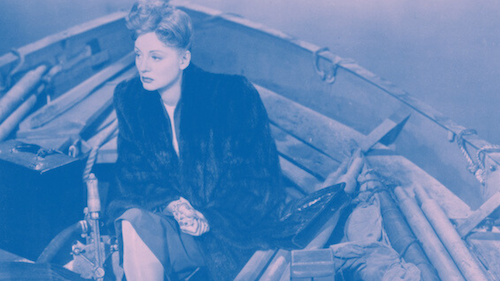
21. Lifeboat
On the topic of underrated films, I guarantee that this survival film, Lifeboat, would be crowned one of the best films by a director if they were not Hitchcock. Seeing as this is a film by the British master of suspense, Lifeboat continues to get unrecognized. Why should that be the case? How enthralling is it to have the survivors of a World War II battle stuck on the same tiny boat as a U-boat crew member responsible for their current state? We get a major character study with this small team of players, learning more about whom we are stranded with as the film goes on. Our characters get stir crazy and we — the sadists that we are — get hooked on their predicaments. If you want to see a film take a basic concept with limited resources and do it right, Lifeboat is a sublime exercise in making the most out of minimalism.
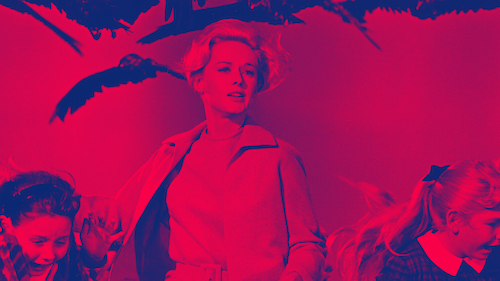
20. The Birds
Please do not murder me. I am not placing fan favourites so low on purpose. Again, as I said with Rope above, we are getting into the crux of Hitchcock’s best works and when the director has dozens of films that are worth celebrating, you will be seeing some major contenders wind up lower than you may expect. At least The Birds cracks the top twenty, I suppose. When Psycho wound up being a success, I feel like this became a blank slate for Hitchcock to dare to go even further. The Birds is hindered by some experiments that do not work (some effects or ideas that have aged a little poorly) but it is also strengthened by a handful of risks that remain highly effective (the neighbour’s scene, without giving too much away, is an eyesore in all the right ways). In ways, I love The Birds quite a lot, but I also find it has some low points (that aren’t weak enough to completely ruin the film, mind you). I will also go on record to state that, at its best moments, The Birds easily becomes Hitchcock’s scariest film (which may be an important note, depending on who you are as a cinephile).
19. To Catch a Thief
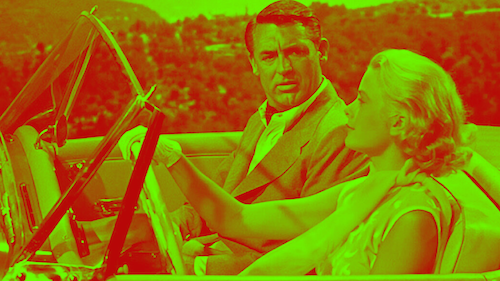
Another “lower” ranked heavy hitter (again, we have cracked the top twenty, so go easy on me). We have what I affectionately refer to as Hitchcock’s idea of a romantic comedy: To Catch a Thief. As we follow a reformed thief, we see a man hope to change for the better while trying to give in to temptation, whether it’s in the form of his prior sins or a love interest. Narratively, To Catch a Thief is not that special, but I think Hitchcock knew that as well. Instead, Hitchcock coasts on pure vibes, with eye-catching aesthetics, the naturally massive chemistry between stars Cary Grant and Grace Kelly (who would have thought that two of Hollywood’s most alluring stars would work well together?), and some of Hitchcock’s friendliest portrayals of animals (cats: the key word is “cats”), To Catch a Thief is kind of a blissful Hitchcock effort; the film is somewhat mysterious to get you by should you want to be mentally stimulated, but this film is kind of a “lighter” effort in glorious fashion.
18. Marnie
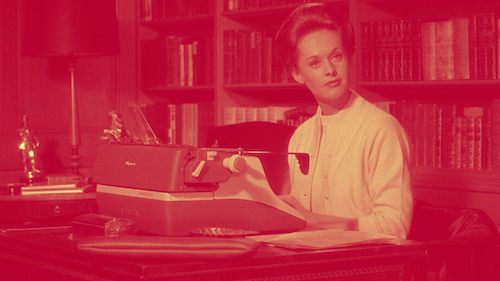
Marnie possesses a lot of the same notes I had for The Birds, but I do consider the former-mentioned title to be the stronger of the two. Outside of both films starring Tippi Hedren, I feel like these late-stage Hitchcock titles were experiments to see what he could get away with in his motion pictures. While The Birds feels more like a series of risks with some successes and a couple of stumbles, Marnie is a lot more of a through line regarding its central character (the titular Marnie) and her propensity to steal (this habit becomes a metaphor for how women with mental illnesses are viewed). While I think similar psychological dramas handle the subject batter better (see Ingmar Bergman’s Face to Face) and that Hitchcock gives way to exploitational tendencies to get the most shocking result here, I think that Hedren’s committed performance and the film’s edgy nature do make Marnie quite an electrifying watch nonetheless.
17. Foreign Correspondent
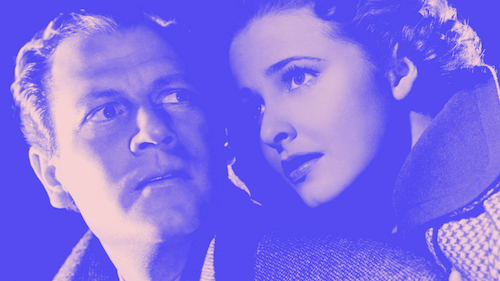
Here’s another year where Hitchcock released two motion pictures, but this is a far stronger double-header than Secret Agent and Sabotage. The “weaker” of the two 1940 films also happens to be a slept on Hitchcock title: Foreign Correspondent. This reporter-war thriller takes an influx of information and the epic scale of international intrigue and creates a humanistic, tangible mystery that anyone can follow; if anything, Foreign Correspondent even comes off as fun at times, despite its intense subject matter. Like Lifeboat, a film like Foreign Correspondent would be considered a career highlight if it was made by anyone else; for me, it becomes the point on my list where we break into the best of Hitchcock’s capabilities, even if on the lower end.
16. The Man Who Knew Too Much (1934)
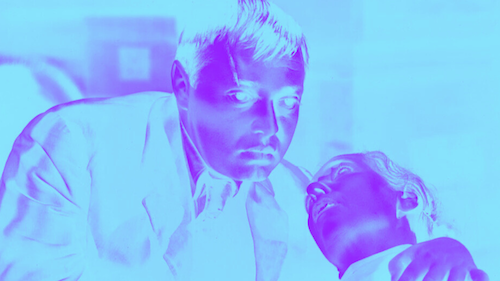
The first of the two times Hitchcock made The Man Who Knew Too Much (although there really isn’t that much narrative overlap between the pair of films), the 1934 effort is, naturally, far more stripped down; in most ways, it is vastly superior, given how grim it is by comparison. Sure, it may not have the flair and budget that the 1956 film has, but the 1934 originator actually feels like a panic attack as we feel our leads and their danger; their discovery of a political, criminal plot; the kidnapping of their daughter as leverage; their race against time. Hitchcock would claim that he preferred his second stab at this story with the 1956 version, but that — to me — is a film that feels like it was made by a cast and crew with hard work, time, and money, whereas the 1934 variant is one solely made with passion. In this instance, given how it is a far more effective end result, I’m going with what passion can accomplish, seeing as this version of The Man Who Knew Too Much exhibits raw heart and capability (the best ingredients for inherently great films).
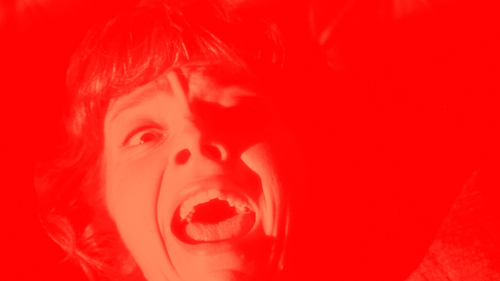
15. Frenzy
Yes. You are reading this correctly. I love this film. Frenzy is an example of a director going too far with the end result working. The only R-rated Hitchcock film (it’s hard to believe, I know), Frenzy give in to the director’s then-recent obsession with going taboo; the main difference is that Frenzy feels controlled compared to works like The Birds. As if Hitchcock was creating his own version of a giallo thriller (with, let’s be honest, far more mature and considerable results), the director makes slasher cinema look stylish, flashy, and mind boggling. The key difference is that giallo films typically do not care about their narratives, whereas Hitchcock clearly always has (even with his worst projects). Frenzy was maybe too ahead of its time, but it is more than welcome by today’s standards and is rightfully reassessed as the phenomenal film that it is.
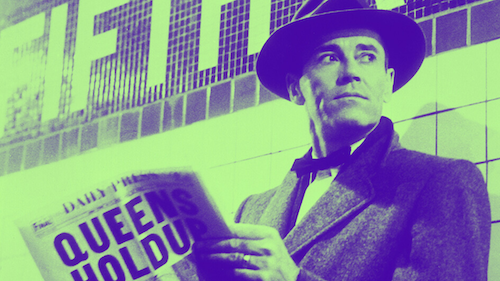
14. The Wrong Man
Sometimes, truth is stranger than fiction. When you consider how many films Hitchcock has made, a work like The Wrong Man feels like an anomaly; how could Hitchcock have only made a film based on a real person’s circumstances just once? The Wrong Man fits right in with Hitchcock’s oeuvre thanks to its fascinating development of events and revelations, and the auteur’s fixation on human perseverance and psychological turmoil. This film displays a man’s innocence amidst wrongful conviction with hard-hitting information, as if we are reading a testimony or a critical essay; despite how clinical that sounds, Hitchcock makes the no-nonsense approach feel intense and urgent. The end result is a superb trial film: maybe the second-best of that sort to have Henry Fonda attached to it (we can’t top 12 Angry Men now, can we?).
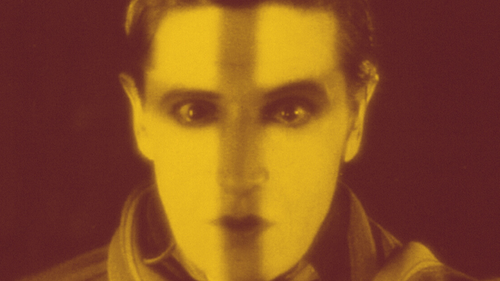
13. The Lodger: A Story of the London Fog
Remember when we were trekking through Hitchcock’s silent era, and we were bogged down by passable film after passable film? It may have felt like I was insinuating that Hitchcock wasn’t sure of what he was doing when he first started out. When we arrive at The Lodger: A Story of the London Fog in 1927 (one of his earliest feature films as well), you can see that this couldn’t be further from the truth. Blame the need for money, a lack of resources, or a young director getting ahead of himself, but The Lodger is proof that Hitchcock was born to make motion pictures. Easily his best silent effort, this haunting horror film featuring a serial killing lodger and his newest tenant is spooky, unnerving, and artistically gorgeous. Hitchcock’s mastery of suspense and tension is present even from this early of a point in his filmography; The Lodger isn’t just a strong silent film, it is an outright terrific thriller all around (do not let its era deter you from missing out on an all-timer).
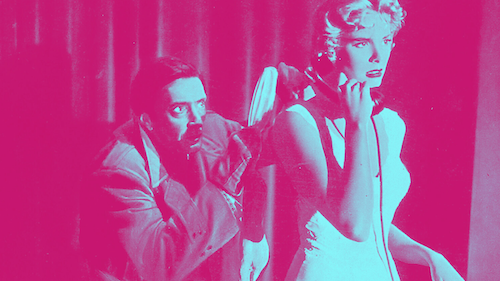
12. Dial M for Murder
If Rope is meant to be a game changer in the crime genre, then Dial M for Murder deserves the same kind of recognition, albeit for less obvious methods. Sure, Dial M for Murder isn’t shot to look like it was handled in one take, but both films deal with the deconstruction of what makes for a perfect murder; Rope revels in the intellectual side of this conversation, while Dial M for Murder feels like a dichotomy between a plan and its execution (or, to be cheeky, the lack thereof). Like a Penn and Teller magic trick (where the two legends spoil how the illusion is done before going one step further to astound audiences), Dial M for Murder promises one thing before becoming a completely different type of film; the motion picture itself acts as a bait-and-switch. Perhaps an early-enough sign that Hitchcock was itching to mess with his audience before his sixties period arrived, Dial M for Murder is a highly clever and effective project.
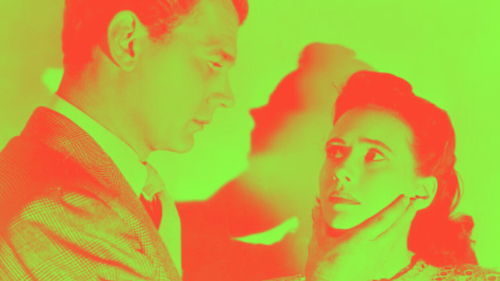
11. Shadow of a Doubt
We have reached Hitchcock’s favourite of his own films: Shadow of a Doubt. Maybe his preference comes from the fact that it feels like he has tried this story multiple times (a new character emerges, and our protagonist suspects them of being capable of monstrous sins); with Shadow of a Doubt, we have a teenager who begins to suspect that her uncle is a serial killer. I think that Hitchcock also appreciates how frequently the film tiptoes the line between hard evidence and untrustworthy hunches, as if we are to feel wrong for our assumptions. The end result is a delirious observation full of gaslighting, noir-esque imagery, and the director’s token affinity for, well, doubt.
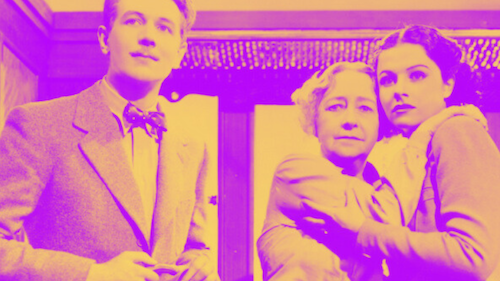
10. The Lady Vanishes
We kick off Hitchcock’s top ten with a hell of a picture: The Lady Vanishes. Archetypical murder mysteries have participants dropping off one-by-one. Here, we have a sole disappearance to kick things off: an old lady — as the title promises — disappears during a train ride (one that is initially cut short due to an avalanche); one patron (Iris) notes her peculiar absence and begins an investigation. Did that stopover have anything to do with this circumstance? Did an unwanted passenger board this train? Who will be next? The Lady Vanishes commands the gears in your brain to begin turning without ever stopping. The film is as suspenseful as Hitchcock ever gets: with possibilities and plausibility being dished out in spades, all on a train that refuses to stop for a second time (there’s no getting off this ride).
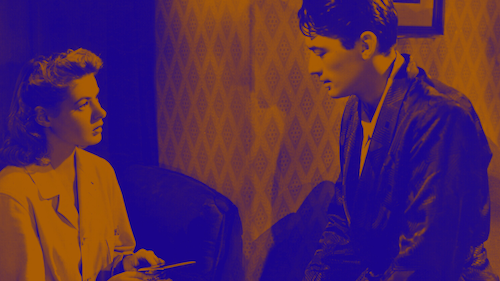
9. Spellbound
Recollection, morality, guilt, and doubt all stem from memory; how can we come to a conclusion or even form an opinion if we cannot remember? Spellbound is an attack on certainty in the form of a melodramatic mystery. Present are a psychoanalyst and the new higher up of her department who she falls in love with (he just so happens to be an amnesiac who may or may not have killed people). With a slew of identities, a plethora of memories, and even a blindside by surreality (iconic painter Salvador pitched in some design work for a particularly hypnotic dream sequence; perhaps the centrepoint of this entire film), Spellbound is a Hitchcock film that is firm on its lack of firmness. It is am emotional and psychological thriller that leaves you with little to work with; you just have to hop on and be whisked away.
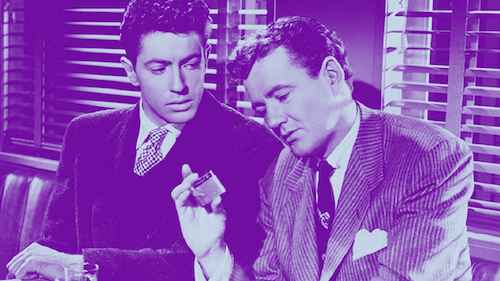
8. Strangers on a Train
While most crime films leap towards instantly showing audiences what human beings are capable of, some of the best thrillers entertain how this potential is possible, and who can be complicit to such an abhorrent action. Strangers on a Train takes the blueprint psychopath and pairs them up with an everyday person (well, not quite: our second player is actually a star athlete) to have them both drive each other crazy; the murderer insists that the tennis pro help him kill the latter’s least favourite person (even if you hate someone, that doesn’t mean you actually want to murder them); the tennis star’s reluctance makes the calculated killer nuts, as if his perfected plan won’t come to fruition thanks to this “speed bump” of a participant. We get more than just a carbon copy thriller with Strangers on a Train. We get an insight as to why people are driven by these violent fantasies, how far some people are willing to go in order to make their ideas come to life, and the complete opposite ends of the spectrum of being an accessory to a major crime.
7. The 39 Steps
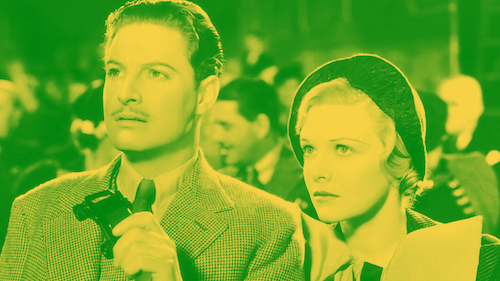
All of those years of trial-and-error in the twenties and thirties boiled to this very moment for Hitchcock in 1935; even with the occasional hit like The Man Who Knew Too Much and The Lodger, I think it is safe to call The 39 Steps Hitchcock’s first full-on masterpiece. After many films that either tried too much or didn’t know how hard to try at all, The 39 Steps is a perfect balance between being a detailed, complicated, spy thriller and dialing itself back so the production and acting at the forefront can shine without being bogged down by calculations. This cat-and-mouse chase between military agents, spies, and — once again in a Hitchcock film — a wrongfully accused man and his love interest is rich with deception and ambiguity, making you second guess what is going on for the entire film (all with such style and mistiness, too). Once Hitchcock made The 39 Steps, there was no turning back; he was destined for greatness.
6. North by Northwest
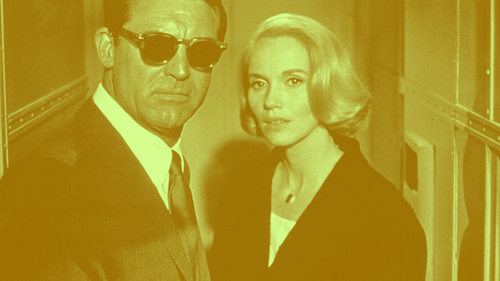
Yet another film by Hitchcock where an innocent person gets wrapped up in a political and underworld plot that is far bigger than anyone could ever imagine, what sets this fan favourite — North by Northwest — ahead of its peers is how much fun this film is; as if Hitchcock was ready to make his truly Hollywood spectacle before going against everything that the industry stood for a few years later (more on that shortly). North by Northwest is a massive film with impressive settings and sets, pulpy cinematography, and some of Hitchcock’s most impressive choreography (it seems a bit on-the-nose to point out the iconic airplane chase-down, but what a breathtaking shot and exciting execution that I guarantee most directors back then could never come close to pulling off). With a bit of a comedic side and heaps of charm and style, North by Northwest can be an uneasy watch but it is made so much more compelling thanks to how entertaining it is; it feels like Hitchcock was beginning to want to push the buttons of Hollywood executives, but he needed to be certain of the Hollywood demographic before he did so, and North by Northwest is proof that he knew who his clientele was before stabbing them in the back (we needed it, too).
5. Notorious
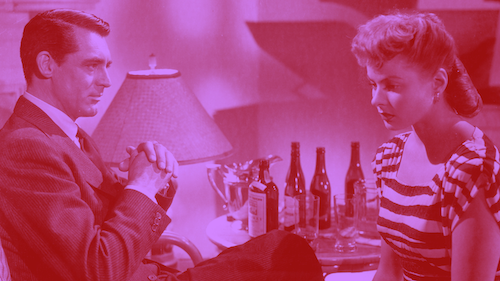
Even though I had seen the films, I never realized just how many spy films Hitchcock made; I knew he had a few, but not dozens. Part of this misconception may be because I have always held one Hitchcock film heads and shoulders above the rest when it comes to this genre: the incomparable Notorious. The film reeks of film noir broodiness, intellectual misdirection, star-power charm (when you have two of the best actors of all time in Cary Grant and Ingrid Bergman going toe-to-toe, you’ll get that), and the catches found in romantic dramas. Suddenly, hidden motives become entangled, situations get messy, and destinations become murky. Films noir usually play in the past via recollections of memory and regrets, while espionage thrillers are about what will happen in a complicated game of chess. Notorious flirts with both in the present, as it is a multifaceted stalemate built upon the potential collapse caused by immediate consequences. I feel like the films ranked above this one are singular in nature, but Notorious does feel like a culmination of all of the early concepts Hitchcock worked on in the best way possible, as if he figured out the perfect formula for the ultimate, cinematic form of suspense.
4. Rear Window
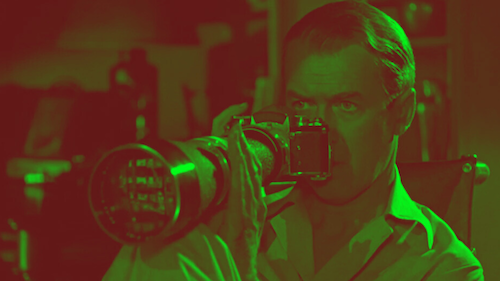
As it would appear throughout my list, Hitchcock was a man of gambles and ideas in film. His most inventive film (and one of the most creative in all of American cinema) is Rear Window. Picture this: a photographer who is confined to a wheelchair after breaking his leg. He is stir-crazy in his apartment and spends his days peering on his neighbours out of his window and with his various photographical devices. Suddenly, his routine of voyeurism is interrupted by what appears to be a murder; he begins to play detective via his limited resources. Rear Window also works with what it has in such unique ways; the film’s score is diegetic and stems from a nearby neighbour who teaches and plays piano; we are confined to one vantage point for most of the film and are forced to come up with conclusions even though we don’t have a full picture; Jimmy Stewart as our protagonist provides a voice over narration — of sorts — as to what we see and what they can mean. Rear Window is exquisitely original and a high point in Hichcock’s career; here is a director who was once held back by producers, studios, and other tribulations who had blatantly broken free of restraint.
3. Rebecca
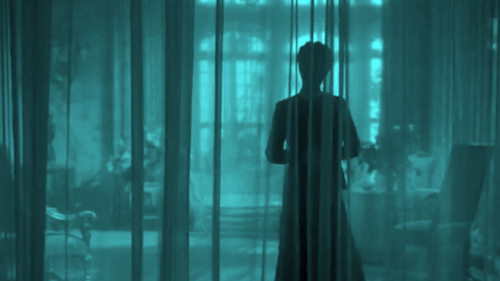
Sure, you could chalk up this miserable, melodrama-thriller as a Selznick picture, but I see Hitchcock’s many pushes against the producer’s shoves throughout the film; even if Rebecca dips into Hollywood expectation at its bitter end, the majority of the film is stuffed with rebellion. Here’s an eventual Best Picture winner at the Academy Awards (Hitchcock’s only one) that was so damn cynical in atmosphere, gothic in artistry, and frigid in tone. This is the diorama of a marriage told with lifeless mannequins; the estate plays its own character as a festering, carnivorous monster who devours all the poor souls who live within it. This portrait of love turns south and becomes a character study of extreme existential dread. I remain dumbfounded by how arrested in a state of limbo Rebecca feels: like a nightmare that will not let up. I have felt an obsession towards this film for years, and am thrilled by the rising reception this motion picture has received in the twenty-first century. Maybe it was Selznick’s interference that led to the permeating resentment found throughout Rebecca: a film that some may want to consider one of his productions; I’d rather give this to Hitchcock and crown it as one of his ultimate achievements.
2. Psycho
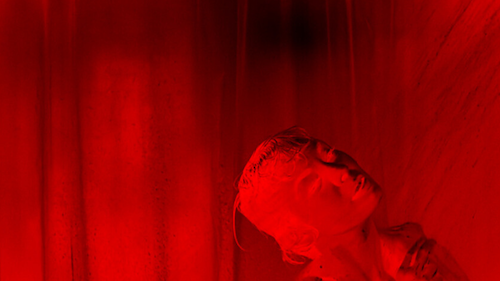
By 1960 (decades in the film industry), Hitchcock — who was once solely a British director who then found a home in Hollywood — was itching to rebel against the system. Tired of being told what he could or could not do on film, Hitchcock rebelled in a way that changed the film industry forever. Psycho felt like a motion picture made strictly based on what would piss off his higher ups; from having the protagonist die early in the film, to how much violence and taboo subject matter could be shown on the big screen. Hell, even the fact that this was shot in black and white when Hitchcock — and the rest of Hollywood — was finding comfort with Technicolor feels like an intended slap to the face. Unlike the films that would come after like The Birds, Psycho remained a composed and mature effort despite its fixation on danger and discomfort. It is as enthralling as any narrative Hitchcock portrayed, all while having a number of major twists that shaped horror cinema forever and a variety of other now-iconic tropes (Bernard Herrmann’s shrieking, jarring, brooding score, as well as Anthony Perkins’ panicked and panic-inducing performance). By trying to slash Hollywood’s standards and the remainder of the Production Code, Hitchcock inadvertently helped invent the slasher genre and pave the way for the New Hollywood movement that was imminent.
1. Vertigo
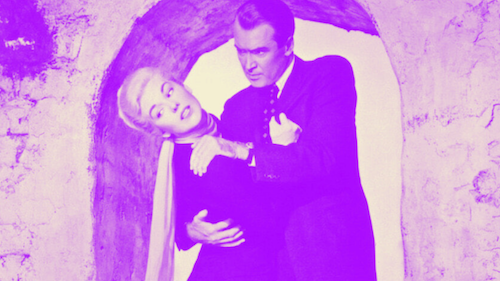
There was a point in time when it felt like a number of Hitchcock’s films could take the top spot of his filmography. Nowadays, it almost feels impossible to place anything above Vertigo, and the masses seem to be in agreement for the most part. Why is that? What sets this feature film above nearly sixty other films long and short? To me, Vertigo is a splendid artistic undertaking. We see a traumatizing tragedy right away: a fall-to-the-death that changes detective Scottie for life (he how has a dizzying, crippling fear of heights; to be fair, my biggest fear is of heights as well, but certainly not for the same reasons). While recuperating, he is hired to tail a man’s wife who may or may not be having an affair; needless to say, she is not acting like herself. As he gets more and more invested in this case, the film slowly unravels itself from a tightly-knit mystery into a psychological melodrama that cannot handle itself anymore. We, like the film and Scottie, begin to feel delusional and delirious. Now this is how you make a haunting picture.
Suddenly, Scottie appears to have it all figured out, and the film regains its certainty alongside him. As we reach for that Hollywood ending — one of hope, triumph, and optimism — we climb those bell tower stairs with Scottie; no amount of dolly zooms can make us feel like we cannot reach the top (although the groundbreaking effect remains jaw-dropping). We make it, and are ready to face our fears and the ultimate form of resolution. Suddenly, at the drop of a hat, everything changes. Hitchcock has pulled the rug from underneath us. It all comes crumbling down, except for Scottie who remains frozen and, once again, looking down in despair; his vertigo will now never disappear. The way that Hitchcock destroys us with this film is quite something; if a number of his best films sought to dismantle what genre conventions could be, then Vertigo tears down its actual audience. You cannot get riskier than that as a director; the initial lukewarm reception to Vertigo proved it (although, clearly, the film was many years ahead of its time).
In the same vein as a number of Hitchcock’s best and worst films, Vertigo gives in to the myriad of experiments that the auteur wanted to give in to. Here, he makes every right choice; from the animated Saul Bass introductory sequence and the psychedelic dream sequence that is a purely Techicolor fever dream, to the fascinating and reoccuring motifs (the use of spirals, even in flowers and hairstyles, that haunting arpeggio that follows us every time we see that we are high up). With Vertigo, Hitchcock was not just a cinematic giant: he was the master of cinema, with one of the best directed films of all time in a way that still has filmmakers and film lovers in a hypnotic state ever since. Out of nearly sixty films and dozens of great-to-spectacular films, I still feel like Vertigo can only be the film I crown the very best of the bunch: it is Alfred Hitchcock’s magnum opus, and one of the most revered, respected, and referenced films of all time.


Andreas Babiolakis has a Masters degree in Film and Photography Preservation and Collections Management from Toronto Metropolitan University, as well as a Bachelors degree in Cinema Studies from York University. His favourite times of year are the Criterion Collection flash sales and the annual Toronto International Film Festival.