
Filmography Worship: Ranking Every Spike Lee Film
Written by Andreas Babiolakis
Filmography Worship is a series where we review every single feature of filmmakers that have made our Wall of Directors
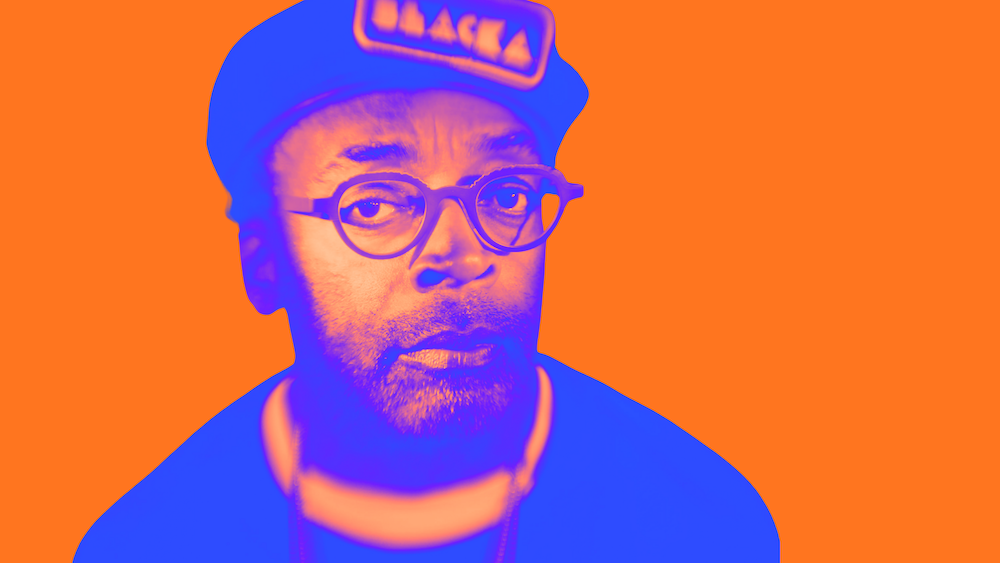
Shelton Jackson Lee has become one of the biggest names in American filmmaking; you would undoubtedly know him better by the name of Spike Lee. Known for his stylish filmmaking full of bold risks, as well as his heavy emphasis on sociopolitical discourse within and surrounding the Black community in the United States, Lee is as audacious and uncompromising as contemporary directors get. A graduate of the Tisch School of the Arts where he worked on his student film, Joe's Bed-Stuy Barbershop: We Cut Heads (which was submitted as his master's thesis), Lee has returned to academia for many years to teach new generations the art of filmmaking; he taught a course at Harvard, returned to Tisch School of the Arts for years, and how teaches at NYU. Lee is the kind of auteur who you want to listen to when he discusses the art of making motion pictures.
While I don't think that every Lee "joint" (as he calls them) is a success (you will find a couple of works that outright frustrated me shortly), I think that Lee is always trying something new with his films; you will never find a pedestrian, safe Lee film. However, it is when he succeeds that he is at his most fascinating: to see a director this in-tune with his own style and voice make something substantial is always a great treat in cinema. Lee has never changed himself for anyone, including his outspokenness that might rub people the wrong way. At the same time, he is always true to himself and as open as he can be. He signs every film you purchase from his website at no extra cost. He accidentally brought up Titane as the Palme d'Or winner at the start of that year's Cannes Film Festival award ceremony. He actively responds to messages on social media. This is a non-pretentious filmmaker who will always speak his mind in the same breath that he will go to bat for the medium, the rights of Black people, and anyone who has taken away something from his motion pictures. His passion for film will forever lead the way. Whether you know him for his narrative works, his documentary pictures, or for being the unofficial mascot for the New York Knicks as their hugest supporter, Lee is a huge part of America's culture. I will be focusing on the feature films of all kinds that Lee directed (excluding shorts or multi-part series he had a hand in). I may be a bit harsh at first, but stick around to see what I think of Lee operating in full capacity. Here are the films of Spike Lee ranked from worst to best.

30. She Hate Me
Me hate film.

29. Girl 6
What is meant to be a satirical comedy featuring a phone sex operator trying to make it in the entertainment industry winds up being nearly two hour of what is akin to teenage boys discovering adult industries and insisting that they have it all figured out; needless to say, Girl 6 is highly annoying. Not even a soundtrack curated by Prince could make this film feel sexy.
28. Miracle at St. Anna
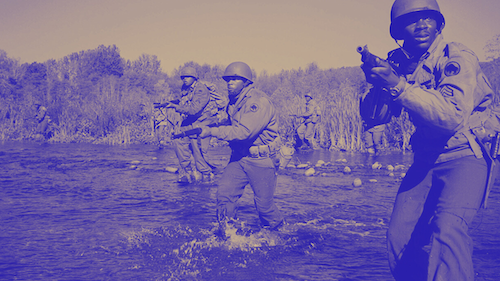
I applaud Lee for trying to make a traditional war epic, but Miracle at St. Anna is not it. As cheesy as a truck with hundreds of shipments of Cheeze-wiz aerosol cans which all conspicuously exploded at the same time and whose contents have congealed into a yellow version of Slimer from Ghostbusters, this film is a slog. Lee is also a filmmaker who likes to extend his films as long as they need to be, and you never feel how overlong one of his films can be until you see Miracle at St. Anna.
27. Red Hook Summer
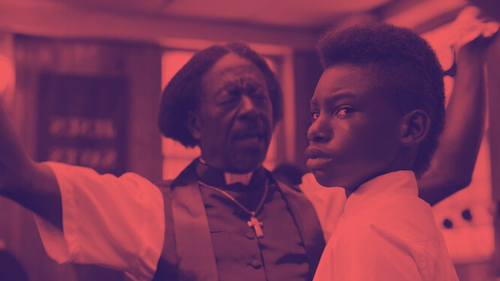
Red Hook Summer was released during Lee's dry spell and it shows. This film at least has an important topic (the assault of children within religious communities), but Lee is tossing everything here without much focus, resulting in a difficult message told with the finesse of an overly cliched lecture and the attention span of a flea with ADHD.
26. Da Sweet Blood of Jesus
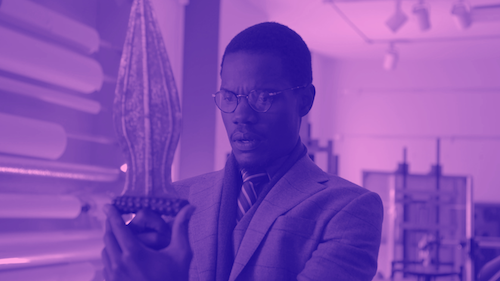
A remake of the blaxploitation film Ganja and Hess, Da Sweet Blood of Jesus is trying to do too many things at once, resulting in a bevy of missed opportunities. I will say that this film at least has quite a bit of stylish flair to it, and Lee's efforts to take us back to the seventies are somewhat effective; it allows you to not take the film as seriously when you compare it to other exploitation films of the same time period (then again, there is almost no use in trying to catch lightning in a bottle like this).
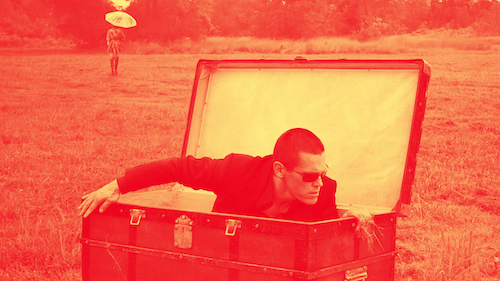
25. Oldboy
While not as bad as some may lead you to believe, Lee's remake of Park Chan-wook's Oldboy is still quite bad. The film tries its best to follow the South Korean classic quite closely to the point that it barely stands out on its own. Much of the original's dark comedy or twisted themes fall flat when translated to an American rendition here, despite Lee's efforts. I suppose the biggest crime here is not that Oldboy is the worst film ever made (it isn't, and it is nice to see Lee try to put a teensy spin of his own on an established opus); it's the fact that it never really warrants existing in the first place (Lee's efforts are not enough).
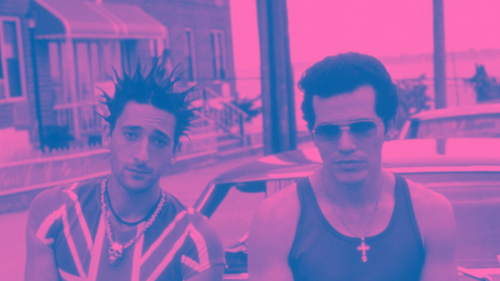
24. Summer of Sam
This next batch of films are not misfires as much as they are decent efforts with a few flaws (but I would recommend them to any major fans of Lee). Summer of Samthe is Lee's answer to a true crime biopic with style and flair (who could forget Adrien Brody with his punk getup). We follow the citizens of New York City more than we do the serial killer himself. While overlong enough to tire itself out, Summer of Sam at least feels like a different take on a typical formula. When historical dramas all possess the same kind of voice, does this not erase all of the character that they are meant to have? Isn't part of the joy who is telling the story? We get that personality through Lee's rendition, even if he gets a little carried away with side tangents.
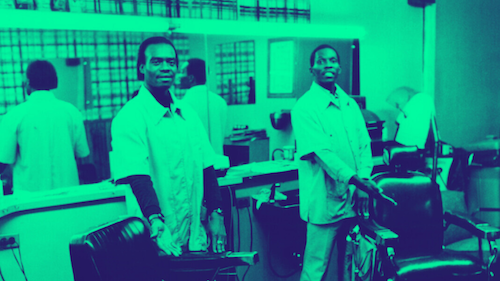
23. Joe’s Bed-Stuy Barbershop: We Cut Heads
Now, I have this film quite low because it is a so-so effort, but when you look at it through the perspective that this is a student film made by a rising artist, I have to give Lee some credit: as far as university projects go, Joe's Bed-Stuy Barbershop: We Cut Heads is incredible. Compared to the kind of stuff my peers and I were releasing in film school (yes, I have tossed myself into the equation), Lee's thesis project is revelatory. It has all of the artistic integrity and creativity of an auteur waiting to break free (he would do so shortly after this). Judging this just as a film, Lee's debut (of sorts) is an okay observation of how crime can shake up a community; Lee would clearly tackle this topic far better many times in his career.
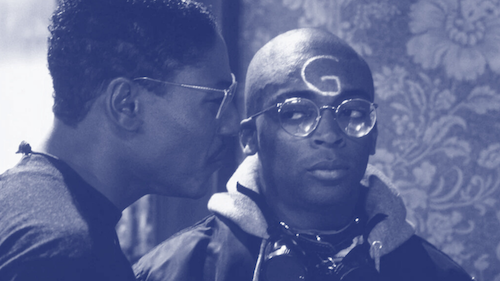
22. School Daze
A musical comedy by Lee, School Daze is exactly what it looks like: the second official film released by a filmmaker buzzing with creativity. He tosses way too much at the wall with this one in an effort to make statements on the college experience. At times hilarious and infectious while other moments are questionably handled, I think that Lee's uncompromising vision and outward depiction of his school experiences make School Daze at least feel applicable (if not a little too hyperbolic).

21. Mo’ Better Blues
If School Daze feels off because it strives to do too much, then Mo' Better Bluesthe is Lee's early film that doesn't feel like it does quite enough. With the possibility to make a concrete statement on the politics within jazz and the infrastructure of the New York music scene, Mo' Better Blues is instead a straight forward acting exposition for Lee veterans like Denzel Washington, Wesley Snipes, and Giancarlo Esposito. The film does boast one hell of a soundtrack where the smooth jazz breathes all of the life the film needs into it (there's one thing that Lee never faulters with: music selection).
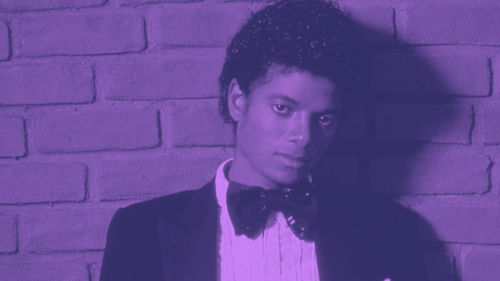
20. Michael Jackson's Journey from Motown to Off the Wall
One of the two documentaries Lee made about Michael Jackson after the King of Pop passed away, Journey from Motown to Off the Wall is an interesting tribute to someone who Lee admired. I find this documentary important for those who have no concept of Jackson's career trajectory from the Jackson 5 to his breakthrough album (and — maybe a hot take — his best album), Off the Wall. Lee injects many tidbits and details into these years of Jackson's life captured for the explanation as to why Off the Wall was such a big deal; brilliance doesn't come from nowhere. Lee gets passionate about every little fact which may not be crucial for a documentary like this, but this one is for MJ fans like Lee who wouldn't want to miss a single note.

19. Highest 2 Lowest
As if remaking Oldboy wasn't curious enough, Lee saw fit to remake Akira Kurosawa's High and Low. The major difference is that this film — while imperfect — actually feels unique enough to matter. Lee transports us from Japan all the way to — where else — New York City to course through the rich and poor areas of the same stomping grounds in an effort to solve a dire mystery. Lee gets carried away trying to make Highest 2 Lowest a revenge flick instead of allowing the circumstances to tell their own story (like Kurosawa's film accomplishes), but this was a more mindful and reasonable remake than I was expecting (especially after Oldboy).
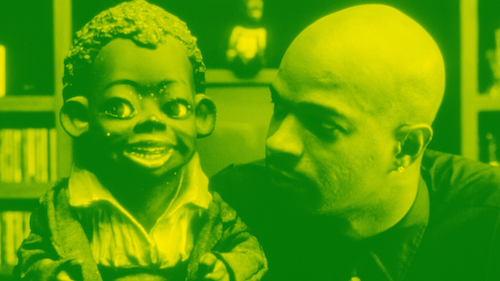
18. Bamboozled
This might bother many of you. I like Bamboozled but I do not love it. I have nothing against its style of satire or what it is trying to say; in this way, Bamboozled is actually terrific (we have also reached the part of the list where I consider films from this point on really good or better). I just find that Lee runs in circles with the same points a few times in a film that should have been trimmed and made as punchy and direct as possible. When a film of such an intense nature meanders, it feels like stalling; a film like Bamboozled should feel like a wallop, not a dance in the ring. I will say that there aren't many directors who could or would take on a film as unapologetic as Bamboozled, and I understand why there are so many fans of this one. I just wish it was tighter.
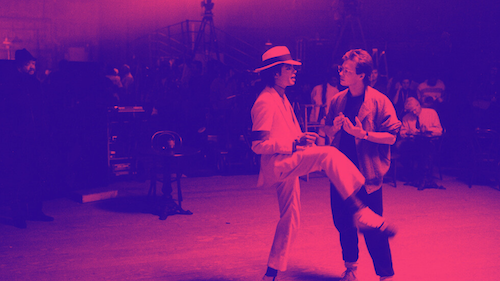
17. Bad 25
If Lee's film about Michael Jackson's years before Off the Wall was meant to fill you in on the information you may have missed, then Bad 25 was meant to help you see the human being within one of the most mythologically-proportioned albums of all time. A memento to mark the twenty-fifth anniversary of Bad, Lee's documentary shows much of the artist who was deemed untouchable by this point; Lee proves that Jackson went through a lot of creative decisions to create this tough-guy image that permeated through the album's entire promotional run. Lee and Jackson find the grit of the streets and make it into vibrant art; their visions collide in this documentary.

16. He Got Game
One of the better sports films of the nineties, He Got Game cleverly blends Lee's love of basketball with the complicated backstories of many athletes who were — since the seventies and eighties — now on the rise to becoming superstars (and the pressures they'd face). Featuring one of the greatest acting performances by an athlete ever (NBA legend Ray Allen as — the amazingly named — Jesus Shuttlesworth), He Got Game is two sides of Lee's realm coinciding: the thrilling unpredictability of sports (including the culture of basketball), and the dramatic flourishes and vulnerable performances of cinema.
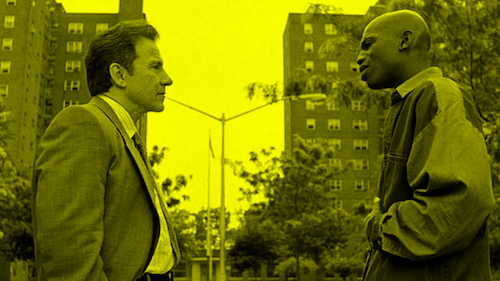
15. Clockers
Lee can hide behind dark humour or other forms of entertainment when his films get too bleak, but a film like Clockers sees Lee at such a gritty level. The film brings us to the grim heart of Brooklyn via its impoverished underground, and surrounds us with a kinetic sense of danger between drug dealers and a team of ruthless detectives. Clockers sees Lee operating with as much energy and fury as he's ever worked with in a film that aptly resembles a day where it is all hitting the fan and there is no way to stop what is transpiring.
14. Get on the Bus
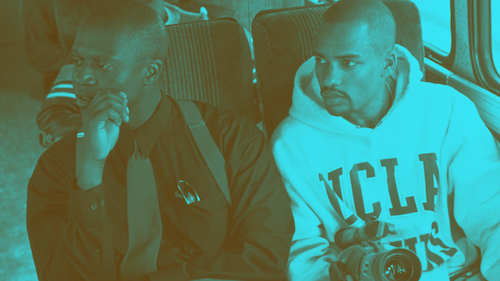
Every film from this point on is a must-watch recommendation by me. If Lee is a director who frequently finds himself darting from one idea to another, a film like Get on the Bus is an exercise to show restraint. Let me tell you: this is an underrated Lee film that I found to be excellent. We essentially sit with fifteen Black men on a bus who are hoping to attend the Million Man March. Here, Lee encourages himself to allow the conversations between these individuals to carry the philosophical and sociological substance of the film the entire way, making for dazzling characters and fascinating sequences. This is a time where Lee has just one idea and sticks with it, and it shows how great he can be whenever he decides to dial it back (then again, we still have his all-out masterworks to cover).
13. The Original Kings of Comedy
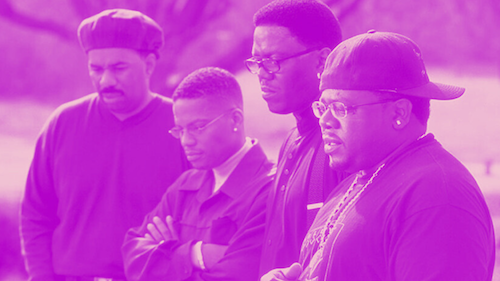
What do I even need to say about this classic within the stand-up comedy industry? You have Steve Harvey as an MC (of sorts) who glues each major set together. Then, you have D.L. Hughley, Cedric the Entertainer, and Bernie Mac all owning the stage with everything they've got. Lee matches the energy of all four comedians, turning The Original Kings of Comedy into a machine gun-rate of electricity and fire. Lee's choice to have the occasional downtime with all four comedy veterans encourages us not to take a breather but to understand the difficulty of crafting jokes — or being funny on the fly; these are everyday people who learned the knack to light up entire rooms whenever they see fit; your living room will be one of those whenever this special is on.
12. Chi-Raq
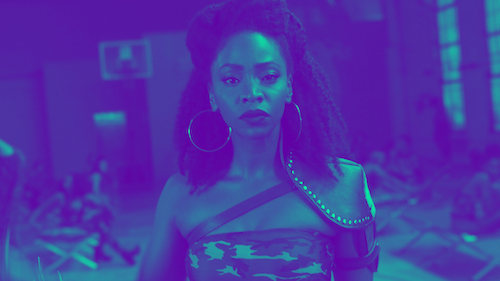
People love to harp on about Lee's creative drought in the late aughts and early twenty-tens, while pointing at BlacKkKlansman as Lee's return to form. However, I don't think that Chi-Raq (the true comeback film) gets enough love. This genre-bending work (infusing music, satire, and political thrills together) takes the Greek play Lysistrata and turns it into a modern day depiction of sociopolitical turmoil in Chicago; Lee takes an established epic and renders it a commentary about distressing times and the inner and outer community conflicts within a crooked environment that thrives on hostility and corruption. Lee's renaissance is quite remarkable, and it all started with a film as ambitious as Chi-Raq.
11. American Utopia
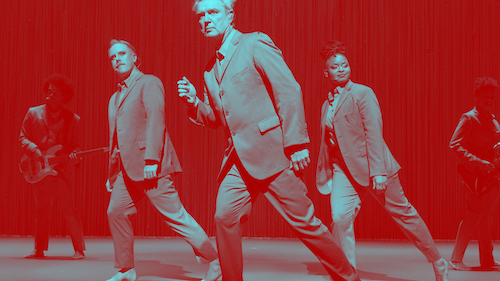
The highest ranked of Lee's music-related documentaries, American Utopia is essentially a concert film that covers David Byrne's solo tour when it hit Broadway. If you have even an inkling of what this could look like (say, if you watched Jonathan Demme's exemplary Stop Making Sense and the otherworldly Talking Heads concert there), you know why this is such a treat; American Utopia does not disappoint, as Byrne and company have enigmatic, infectious, and thought provoking choreography to match the equally-fascinating tunes. Once Byrne and Lee unite to spotlight the unjust killing of Black citizens (like Trayvon Martin and George Floyd at the hands of corrupt officers), we see what kind of a brutal world is out there; within American Utopia, however, we get a joyful rapture and reprieve from the calamity of it all.

10. Crooklyn
While Lee always tries to project a bit of himself and his viewpoints within each motion picture (he literally casts himself in quite a handful of his films), no film feels as personal to Lee's upbringing as Crooklyn does. In this tapestry of memories and characters, Lee establishes a clear — yet blurred — line between the way things were and how they are now (well, at the time Crooklyn was made). This is a study driven by nostalgia and concern: a reflection of self of the good-old-days of the seventies with Lee's perspectives as both a child who grew up during them and an adult looking back. Crooklyn's reputation is growing over time and it is easy to see why: it is astounding what he accomplishes here, and how natural Lee's yearning (without delusion) is.

9. She’s Gotta Have It
Negating Lee's student film, his technical debut is She's Gotta Have It. At its heart, it is a curious indie film about Nola and the three gentlemen callers she is interested in. However, it is that same enthusiasm and desire that Lee exhibited in his master's thesis submission that carries She's Gotta Have It from a simplistic concept to something you feel within your soul. The attitude of this film — not to mention how unique and flavourful its style and aesthetics were for its time — is out of this world. She's Gotta Have It performs like your mind racing and trying to figure out a dilemma; it is this film that made the world realize that it loved how Lee's mind worked. We needed to see more.

8. Inside Man
Occasionally, Lee will simmer down to play ball within the confines of a genre film. Even then, Lee can sometimes be brilliant. Such is the case with Inside Man: a gripping heist thriller that dons the disguise of a Hollywood blockbuster staple while truly being far more interesting underneath it all. We get many perspectives of this hectic situation; Lee never loses sight of what is actually going on here. At the centre of it all is a distraught Manhattan and this chess game being played by a hostage negotiator, bank robbers, and those caught in the crossfire. Despite seemingly looking like your average thriller film of the aughts, Inside Man has enough of Lee's oomph to remind you of the key difference between your run-of-the-mill film and a genre staple handled by a skilled cinematic artisan.
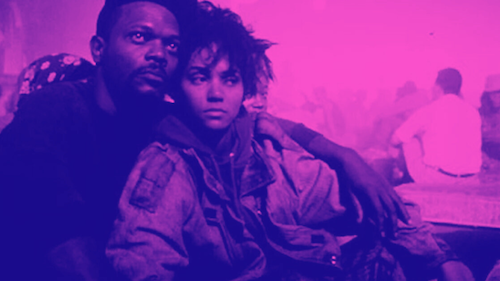
7. Jungle Fever
I absolutely love this one. Jungle Fever might stylistically resemble the bulk of Lee's nineties films, but, at its heart, it is that stripped-down indie conversation in filmic form: the kind that he kicked off his career with. We have an interracial relationship at the centre of it all, but Lee expands the world around this romance (and the stereotypes they face) to encompass an entire world of flawed people and perspectives fractured beyond repair. If Lee's films are full of unforgettable side characters, such is the case with Samuel L. Jackson as Gator: a drug addict who struggles to change (it remains one of Jackson's greatest performances). Between systemic racism, hateful stigmas, and the lack of help addicts receive, society has created a lot of pitfalls that Jungle Fever explores; with the right people and attitude, we can work on getting out of them together (but there is much to do).
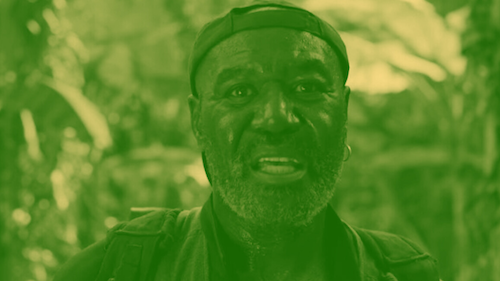
6. Da 5 Bloods
After the success of BlacKkKlansman, I know everyone was excited to see what Lee would do next; maybe a decent follow-up, or another remake of some sort. I'm not sure any of us were ready for Da 5 Bloods: a tremendous war epic that combines the combat within the Vietnam War with the modern day trauma that four soldiers have endured since (all in the name of honouring their late squad leader). Lee's imagination goes wild here, and his energy goes toe-to-toe with star Delroy Lindo's exemplary performance (one of the biggest Oscars snubs of all time is Lindo not being nominated for one of the best roles of the twenty-first century). It is a crying shame that Da 5 Blood was released straight to streaming during the early days of the COVID-19 pandemic because this could have been a triumph in theatres. It may also feel a little premature to consider this film amongst Lee's very best, but I sincerely believe that it is, and I feel as though its reputation will only grow with time.

5. 25th Hour
New York was in a state of disarray after the horrific September 11 terrorist attacks, and Lee's 25th Hour is one of the strongest depictions of the city — and world — after such a disaster. While we follow a drug pusher twenty-four hours before he is to serve his term, we are meant to get a last second look at a life being wasted. Instead, we are reminded of both the beauty of being alive and the grime of a city in ruin (and the complicated people within it, and their desperate ways to survive at all costs). New York City is shot here with the love of an inhabitant and the emptiness of a broken heart; this all plays into the themes of karma within crime and the regret that ensues. 25th Hour almost feels biblical: like an awakening within allegory.
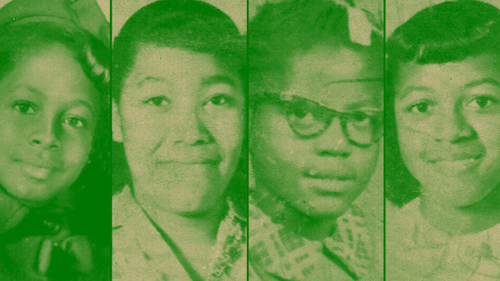
4. 4 Little Girls
Lee's first documentary feature film is easily his best. 4 Little Girls focuses on the tragedy of the bombing of the 16th Street Baptist Church (at the hands of the Ku Klux Klan) during the Civil Rights Movement. The lives of four girls — as the title states — were cost. Lee tries to put this slaughter into words (a nearly impossible task) but he never tries to be this solver of an unfortunate hate crime. Instead, he turns back to the community to sew together a larger picture of what Birmingham was like before and after these events. Even though Lee takes a bit of a step back with this documentary (and allows the subjects to speak for themselves), 4 Little Girls possesses as much bite and rage as he's ever had: it is a cinematic retaliation to an atrocity via adoration for those who were affected by this massacre.
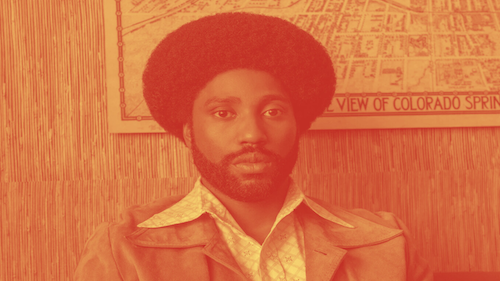
3. BlacKkKlansman
When Lee misses, he can be way off; I feel like I have expressed this enough. However, as we have also seen, when he hits, he is bang-on. BlacKkKlansman is a sensational motion picture that would lead you to believe that Lee never missed a beat his whole career. Taking the real story of detective Ron Stallworth who successfully gets welcomed into the Ku Klux Klan while undercover, Lee turns this eye-opening, unimaginable story into an onslaught of many proportions; it is a fun throwback to the blaxploitation genre; it is a scathing retort to the rampant racism throughout history and cinema; it is a rant of caution about what will transpire during the Donald Trump administration (things have only worsened since). This is a film that shows how things were but, sadly, how they will remain to be as well.
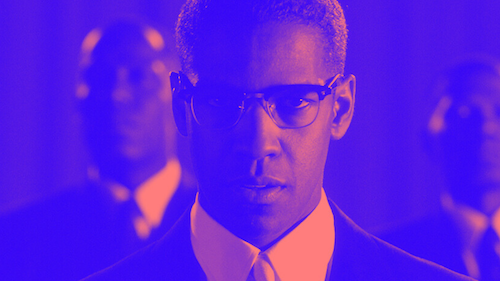
2. Malcolm X
Lee can sometimes have a problem with making films too hold. However, at almost three-and-a-half hours in length, Malcolm X is exactly what it needed to be. This refreshing take on the biopic is a complete study of a complicated human being who was far more than whatever solitary label he has been plastered with at any given time. Featuring one of the strongest performances in the history of cinema (Denzel Washington as Malcolm X will always be an Oscar winner in my head), Malcolm X is a showstopping motion picture that traverses history, culture, and religion through this ambitious portrayal of a complex nation. This is how you make a lengthy biographical drama without feeling bloated, self-absorbed, or like a wasted effort; Malcolm X is the archetype.
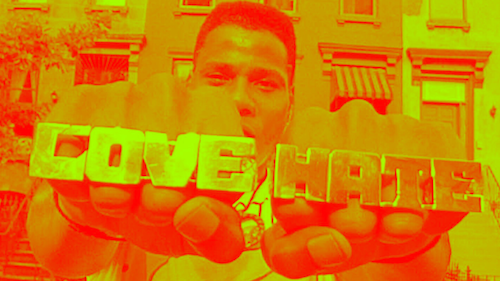
1. Do the Right Thing
While it might seem lazy to place Do the Right Thing first here, I sincerely believe that it is Lee's greatest film. It has everything that makes his motion pictures special (his bombastic style, his vibrant characters, his difficult conversations on race relations and sociopolitical themes) handled in a perfect way. Lee takes a Brooklyn block and turns it into a crucible that is set to overflow: with all walks of life jumping at each other's throats during a monumental heat wave. The unavoidable, sweltering weather causes deeply rooted bigotry and stereotypes to rise up to the top as tensions flare, resulting in a massively confrontational eruption. Before things get nuts, Lee paints a picture of this neighbourhood and what makes it tick, as if we are passersby listening in to these conversations. To see civilization implode is sad; to see it be rife with hatred and conflict is devastating.
Do the Right Thing is a dynamic film that leaves you with impossible questions that you feel differently about every single watch. What is the right thing? It is to fight. How do we fight? In which ways? With whom? Society has made us want to fight each other time and time again, and Lee's portrait of a restless society is a declaration that this will keep happening if we let it; if anything, Do the Right Thing is unfortunately more relevant forty years later than it was upon first release. This is the cause of the infrastructure of how societies are built: with all walks of life conditioned to hate one another. The unjust deaths will only continue within divided, broken systems. What is the right thing to Lee? To make a film like Do the Right Thing. When he could have made a motion picture that adheres to Hollywood conventions and make millions of dollars playing the game, he went against all odds with a film of this magnitude and fury (and he did it with conviction). This is a perfect film about imperfection: a calamity that sees the beautiful potential of a harmonious nation feel impossible when corruption persists (when bigotry and hatred are instilled in people). Do the Right Thing is one of the great American films of all time especially because it recognizes the strengths and weaknesses of this country that Spike Lee calls home, and that's the truth, Ruth.


Andreas Babiolakis has a Masters degree in Film and Photography Preservation and Collections Management from Toronto Metropolitan University, as well as a Bachelors degree in Cinema Studies from York University. His favourite times of year are the Criterion Collection flash sales and the annual Toronto International Film Festival.